
Rattlesnakeweed
Hieracium venosum
- Native to:
- Canada, United States, Virgin Islands
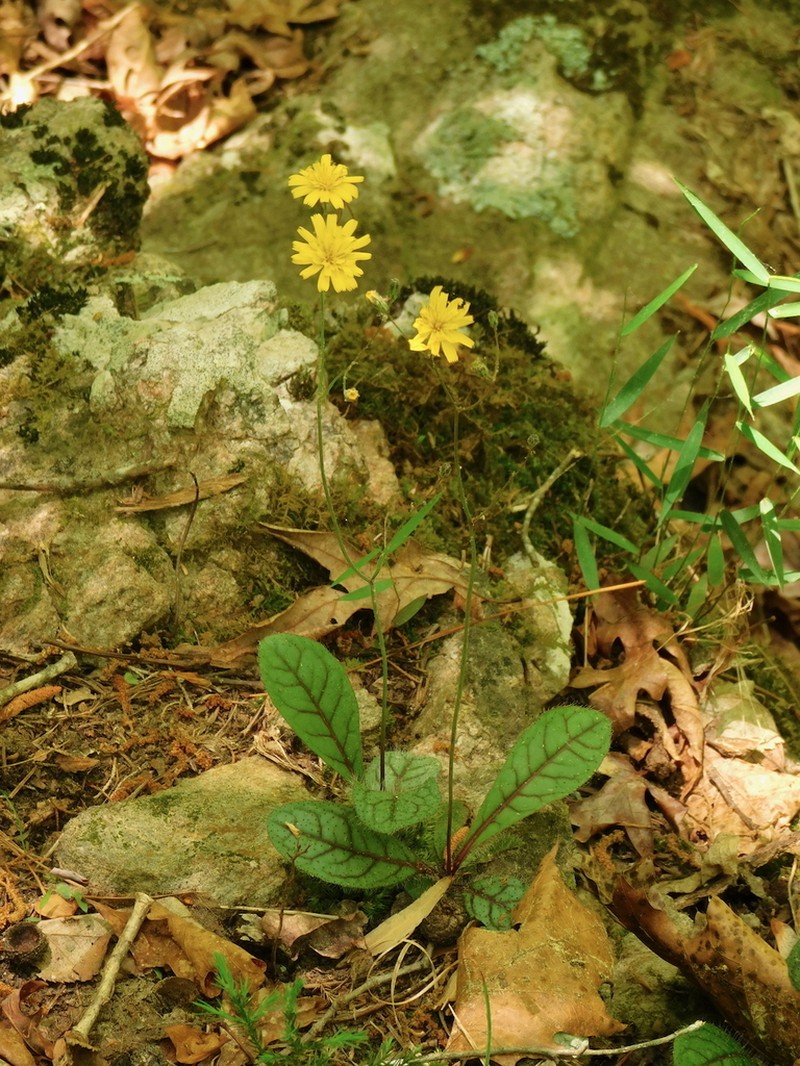
iNaturalist: © mjpapay (iNaturalist #272745112)
Taxonomy
- Division:
- Magnoliophyta | - Flowering plants
- Family:
- Asteraceae
- Genus:
- Hieracium
- Species:
- Hieracium venosum
- USDA Symbol:
- HIVE
Growth Characteristics
- Life Cycle:
- Perennial

- Growth Habit:
- Forb/herb
- Height:
- 46 cm

- Light Requirements:
- Part Shade, Shade

- Drought Tolerance:
- High
- Bloom Months:
- may, jun, jul, aug, sep
- Bloom Colors:
- yellow
Wildlife Benefits
- Bees:
- ★☆☆☆☆ Documented bee visitation (GBIF)
- Butterflies & Moths:
- ★☆☆☆☆ Documented Lepidoptera association (GBIF)
- Caterpillars:
- ★☆☆☆☆ Recorded caterpillar host plant (HOSTS Database)
Keystone Species Ranking
- Pollen Specialist Bee Keystone:
- ★☆☆☆☆ Native pollen specialist bee species supported by this genus (NWF)
Host Plant for Caterpillars
eryngo borer moth (Papaipema eryngii)
Garden & Ecology Notes
- Minimum Light:
- Part Shade
- Best Light:
- Full Sun, Part Sun
- Habitat:
- Woodland, Temperate forest, Rocky outcrop
- Wildlife Value:
- bees, butterflies, moths
- Deer Resistant:
- Yes
- Fire Ecology:
- Fire adapted — tolerates or benefits from fire
- Ecology:
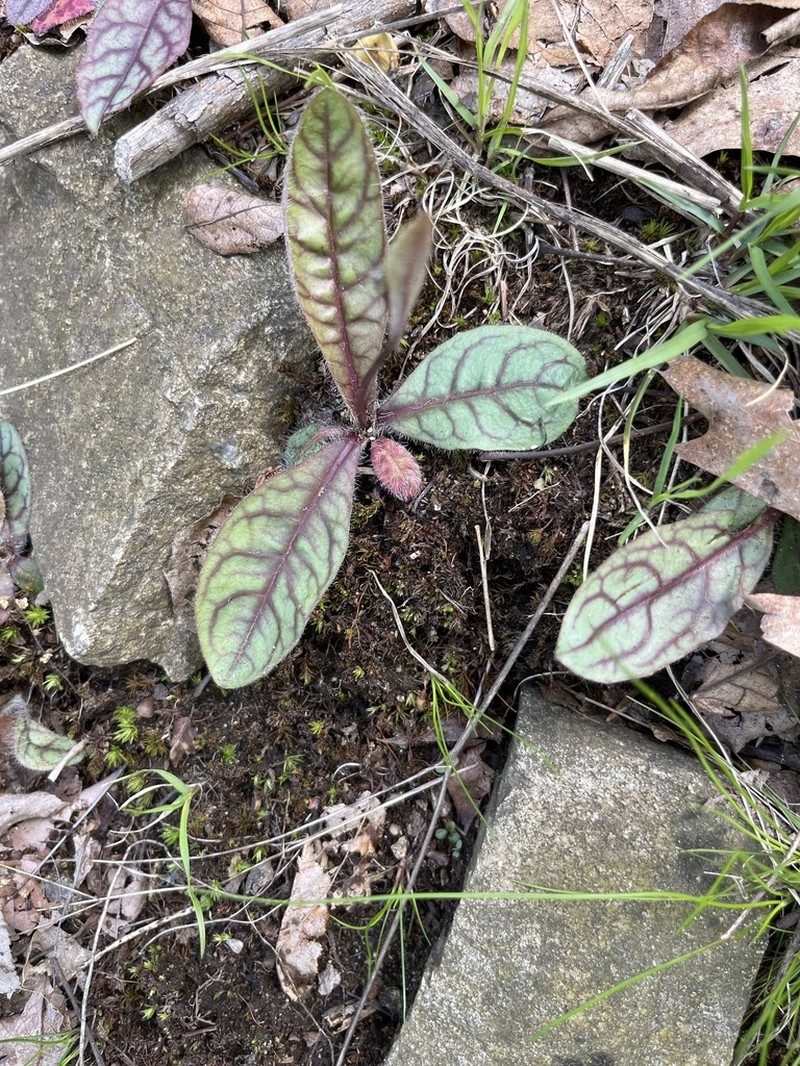
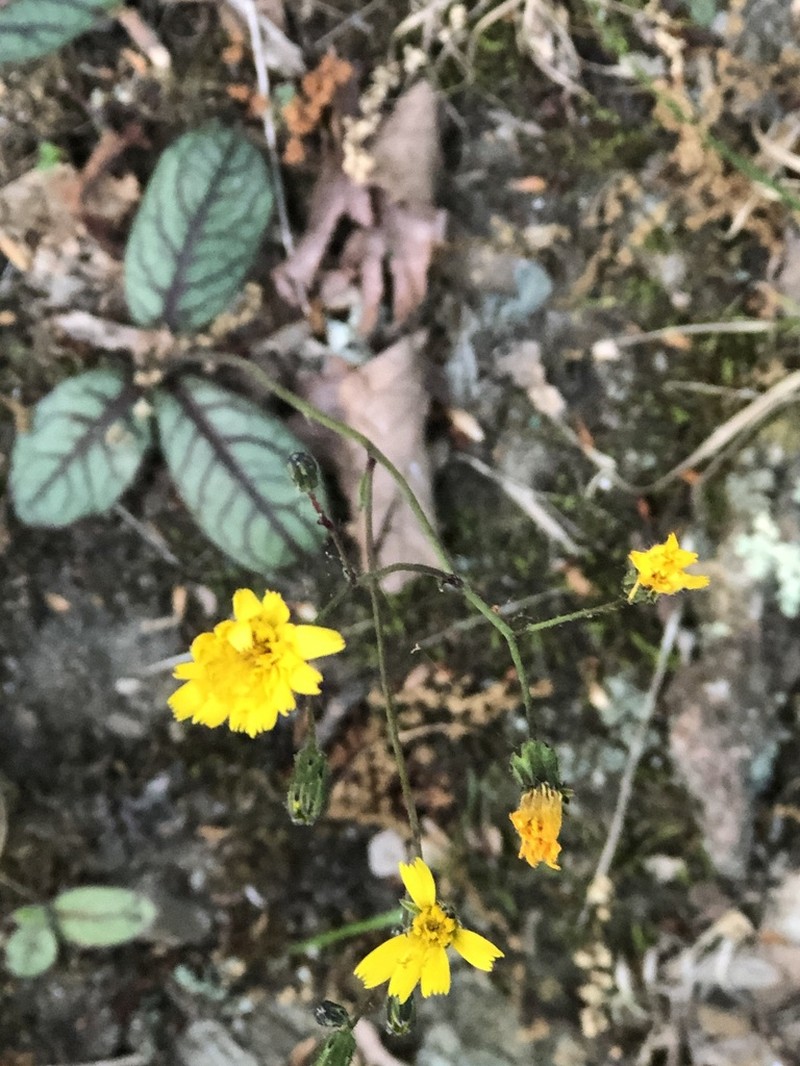
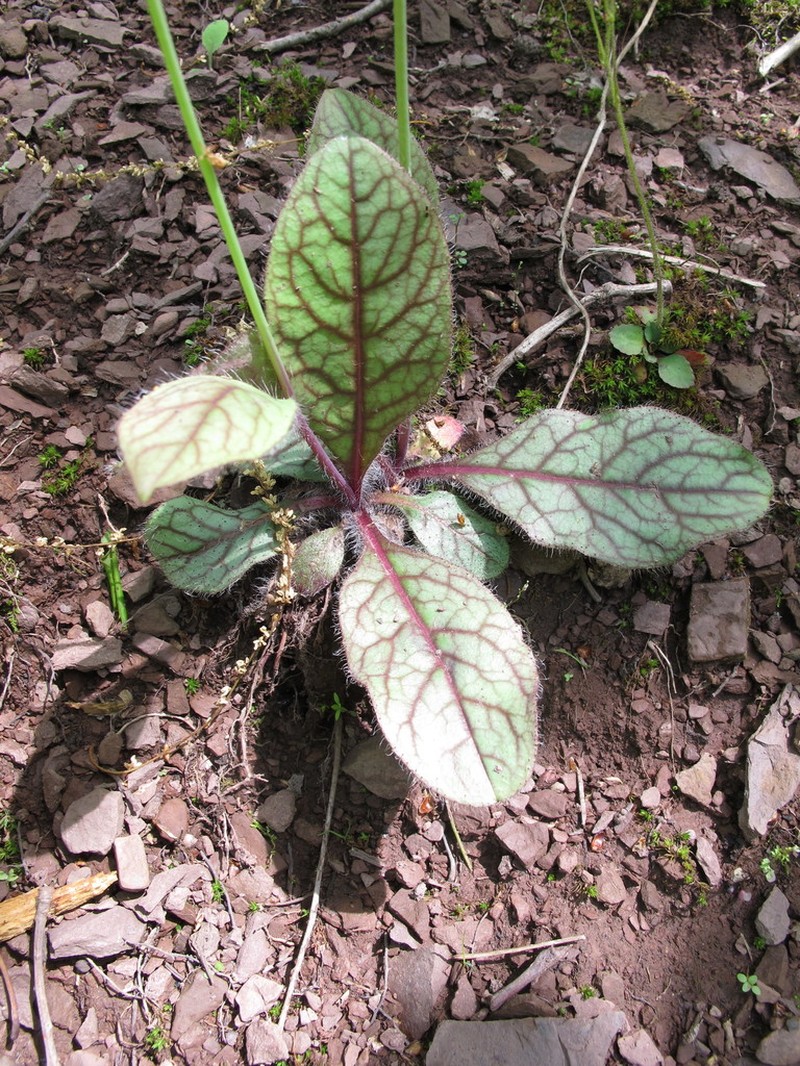
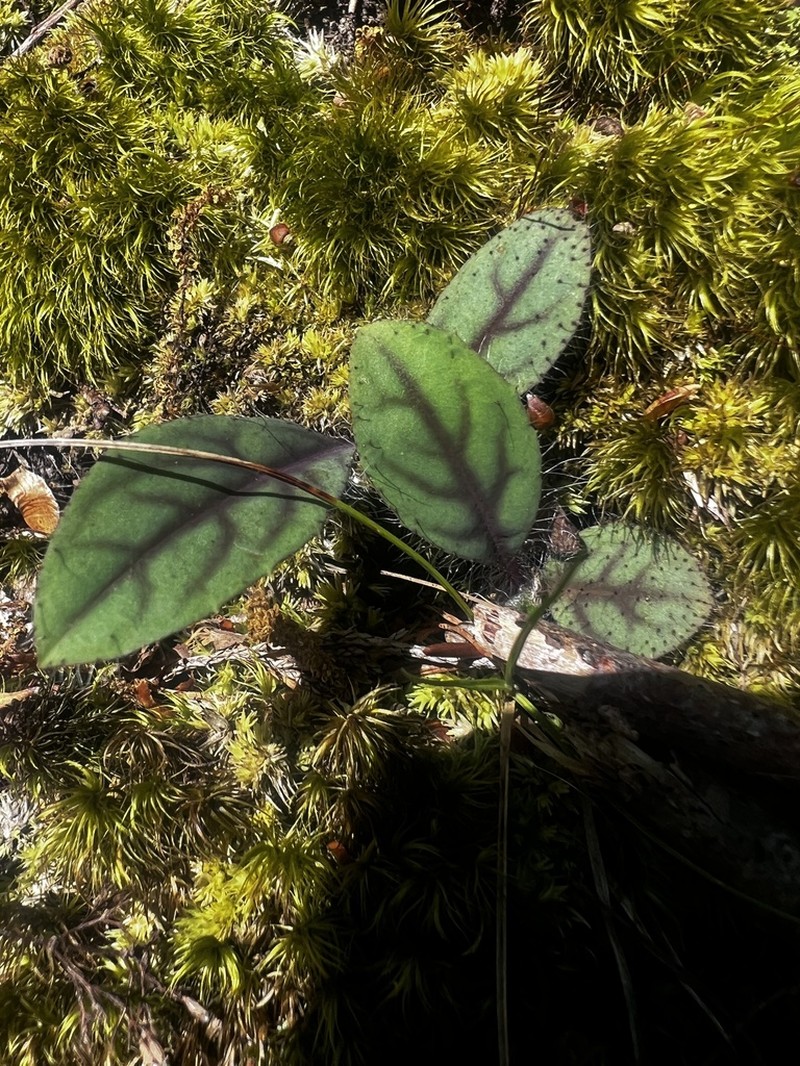
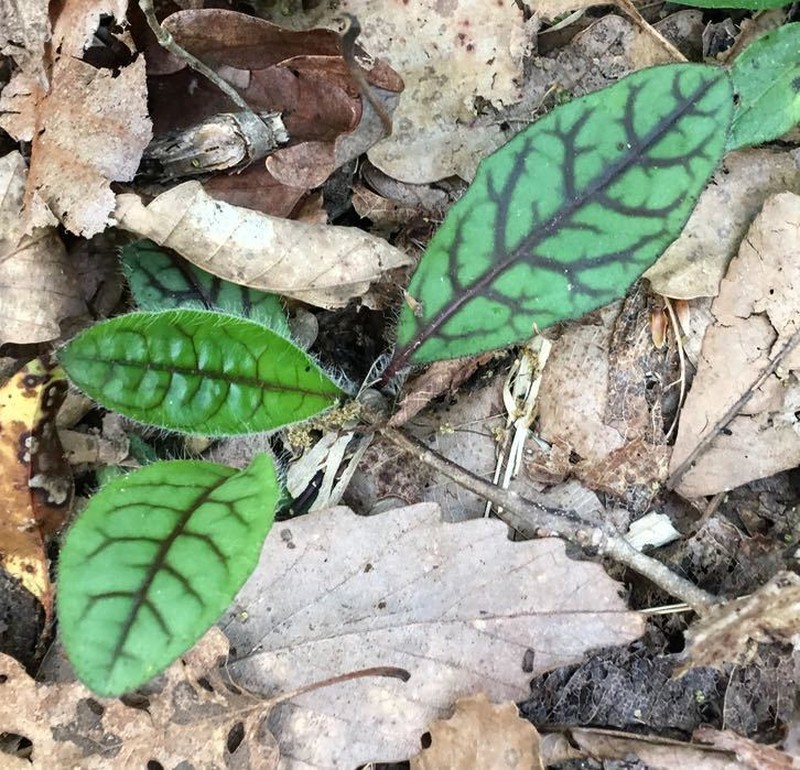
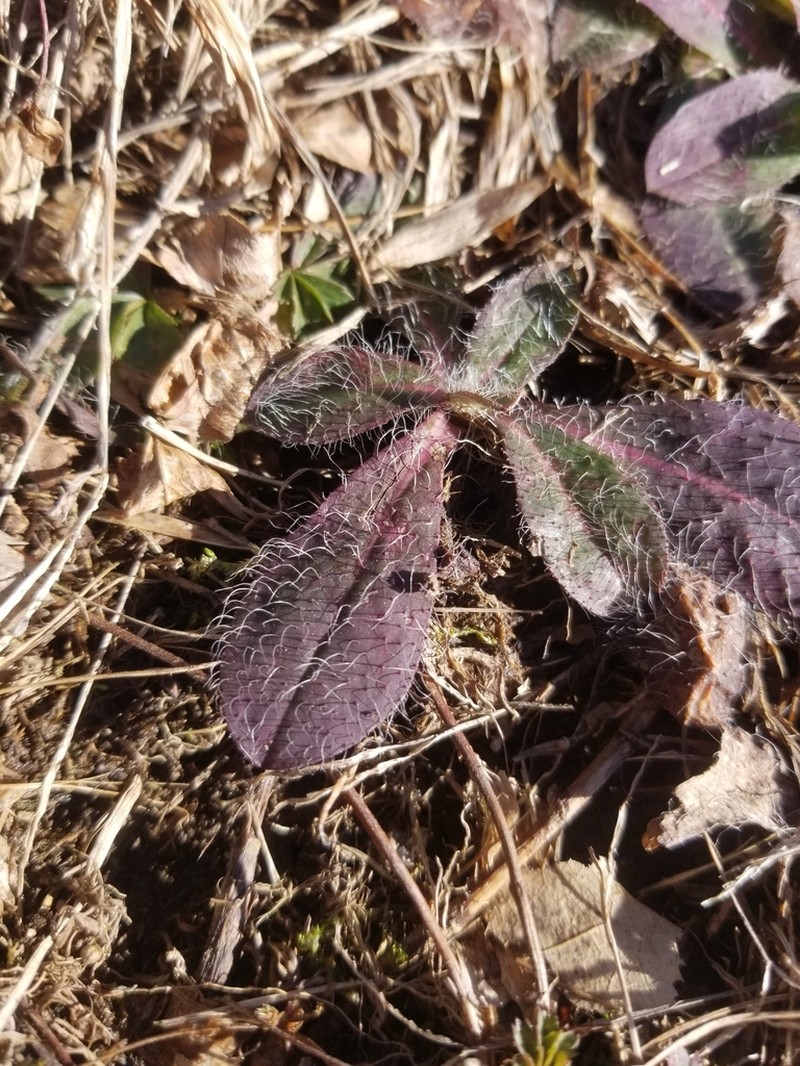
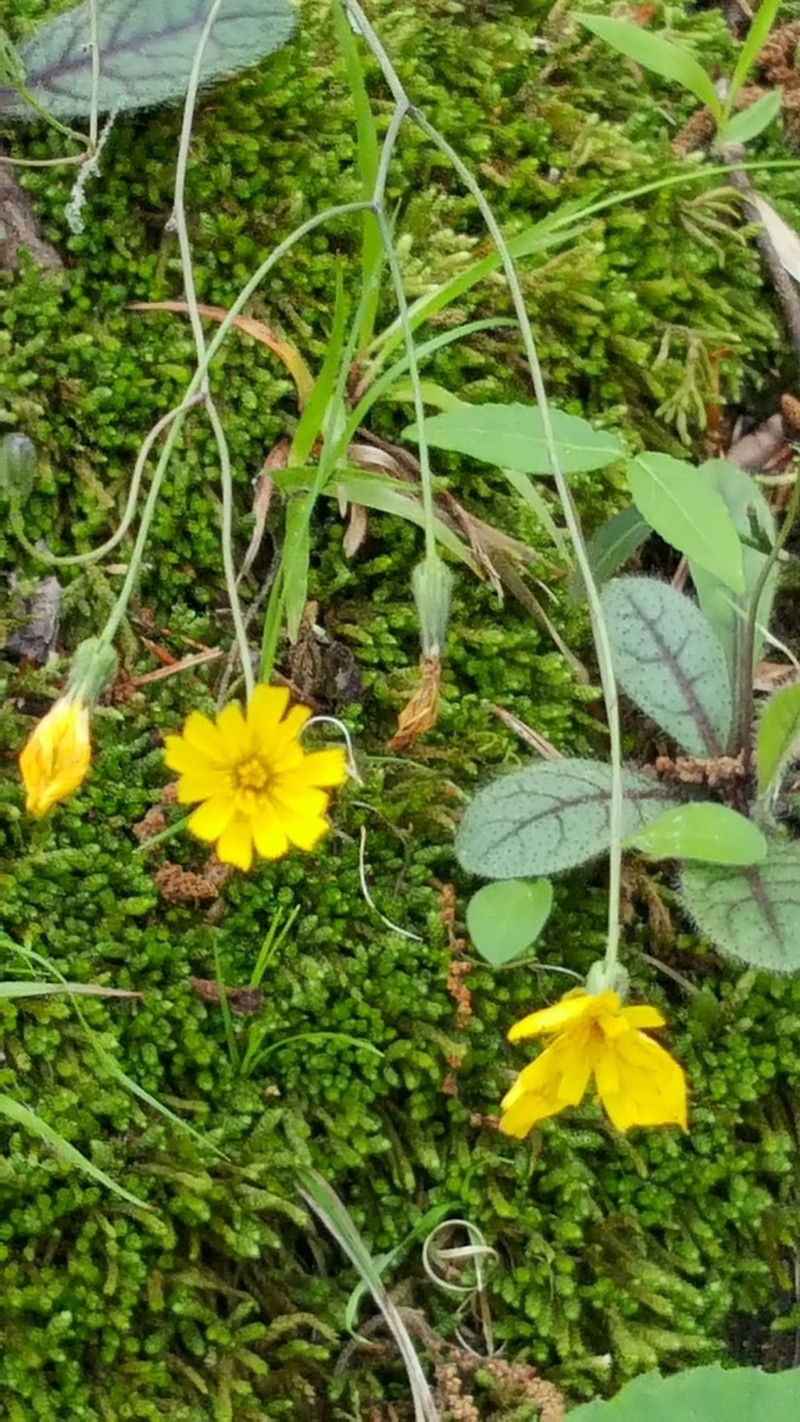
- Commonly known as rattlesnake weed, it is characteristic of dry, acidic oak-pine woodlands and rocky slopes. Basal leaves feature striking purple-red veins, and flowers are visited by small native bees and syrphid flies.
Soil Requirements
- Soil:
- sandy

- pH:
- 4.5 - 6.0 (acidic)
- Drainage:
- well-drained
- Moisture:
- dry to moderate
- Notes:
- Prefers acidic, nutrient-poor sands, gravelly loams, and thin, rocky substrates derived from sandstone or shale.
Propagation & Germination
- Notes:
- Seeds generally germinate readily with light and moisture; cold moist stratification for 30 to 60 days can improve and synchronize emergence.
Where to Buy
Nationwide Seller
- Hungry Hook Farm (PA) (seeds)