
Canada Lettuce
Lactuca canadensis
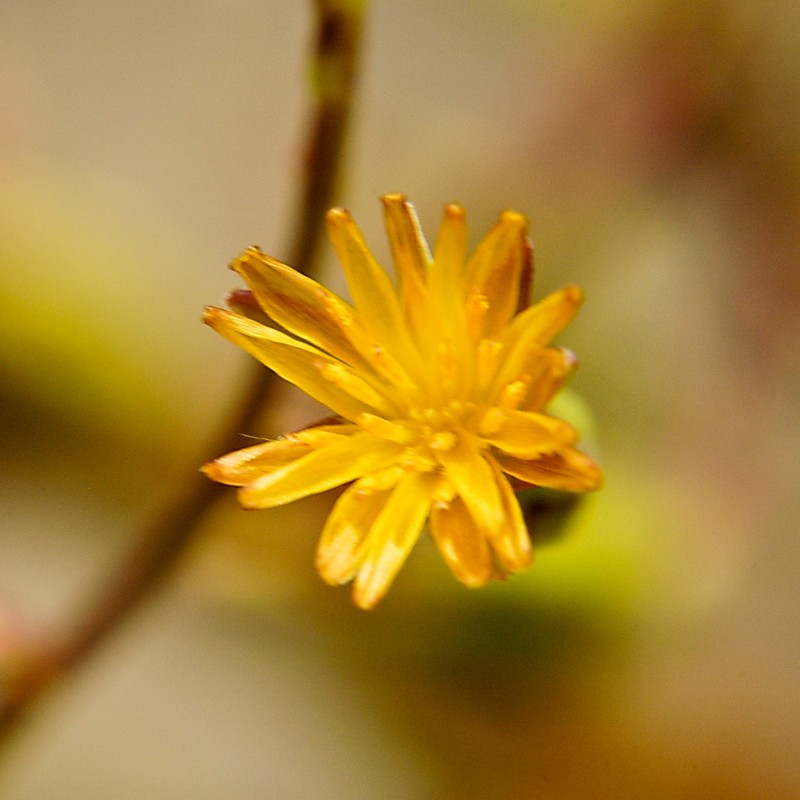
George F Mayfield from chicago area, USA
Taxonomy
- Division:
- Magnoliophyta | - Flowering plants
- Family:
- Asteraceae
- Genus:
- Lactuca
- Species:
- Lactuca canadensis
Growth Characteristics
- Life Cycle:
- Annual | Biennial
- Growth Habit:
- Forb/herb
- Height:
- 12-20 ft
- Light Requirements:
- Full Sun, Part Shade
- Drought Tolerance:
- Medium
- Bloom Months:
- jul, aug, sep
- Bloom Colors:
- Orange, Yellow
Native Range
United States: Alabama, Arkansas, California, Colorado, Connecticut, District of Columbia, Delaware, Florida, Georgia, Iowa, Idaho, Illinois, Indiana, Kansas, Kentucky, Louisiana, Massachusetts, Maryland, Maine, Michigan, Minnesota, Missouri, Mississippi, Montana, North Carolina, North Dakota, Nebraska, New Hampshire, New Jersey, New Mexico, New York, Ohio, Oklahoma, Oregon, Pennsylvania, Rhode Island, South Carolina, South Dakota, Tennessee, Texas, Utah, Virginia, Vermont, Washington, Wisconsin, West Virginia, Wyoming, Canada: Alberta, British Columbia, Manitoba, New Brunswick, Nova Scotia, Ontario, Prince Edward Island, Quebec, Yukon
Host Plant for Caterpillars
Reported Fauna Sightings
Soil Requirements
- Soil Type:
- rich, well-drained loamy soil
- pH:
- 6.0 - 7.5 (slightly acidic to neutral)
- Drainage:
- excellent drainage required
- Moisture:
- consistently moist
- Notes:
- prefers open, sunny locations in native habitats
Germination Information
Pre-treatment: Mix the seeds with an equal amount of either perlite or vermiculite. Seal mixture in a Ziploc-style bag or a Rubbermaid-style container, proceed with up to two months or more of cold moist stratification in a refrigerator or cold garage or sow the seeds directly outside in spring. Cold store until planted (up to 3 years).
Establishment: Seeds are collected by hand from locally native plants within the eastern central Upper Peninsula. The plant flowers from June to September and seeds are harvested in September and October.
Source: npn.rngr.net