
Dense Blazing Star
Liatris spicata
- Native to:
- Canada, United States, Virgin Islands
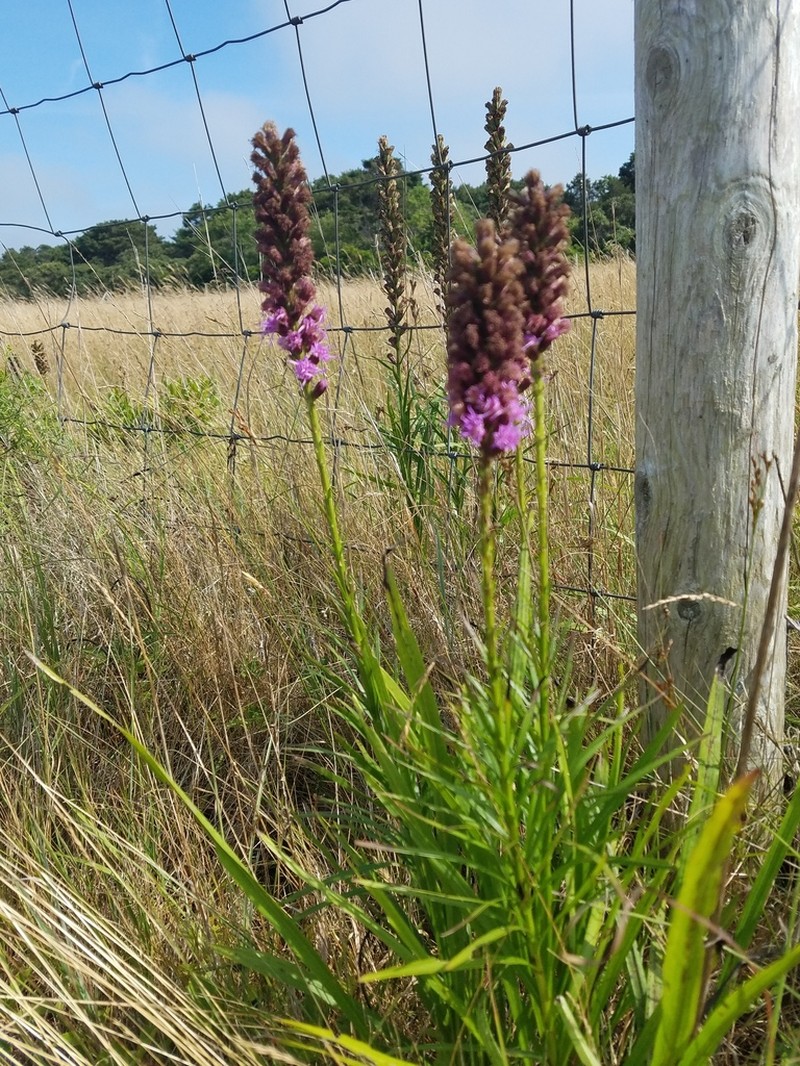
iNaturalist: © kaomand (iNaturalist #148825181)
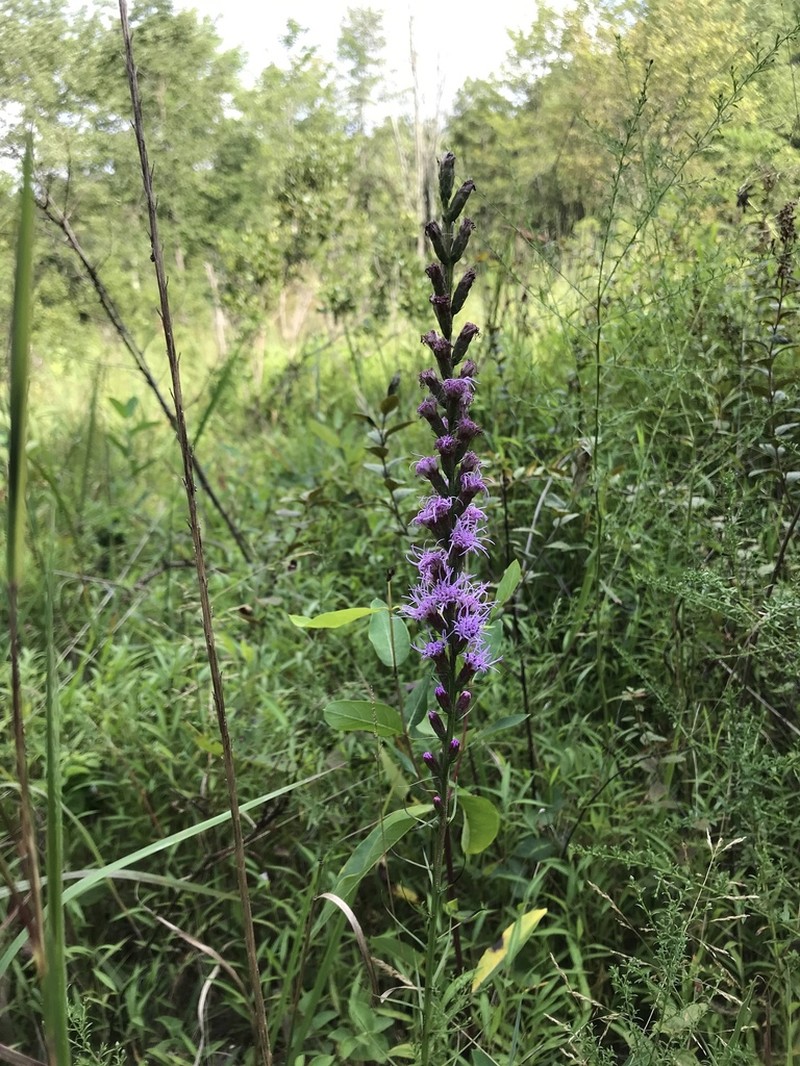
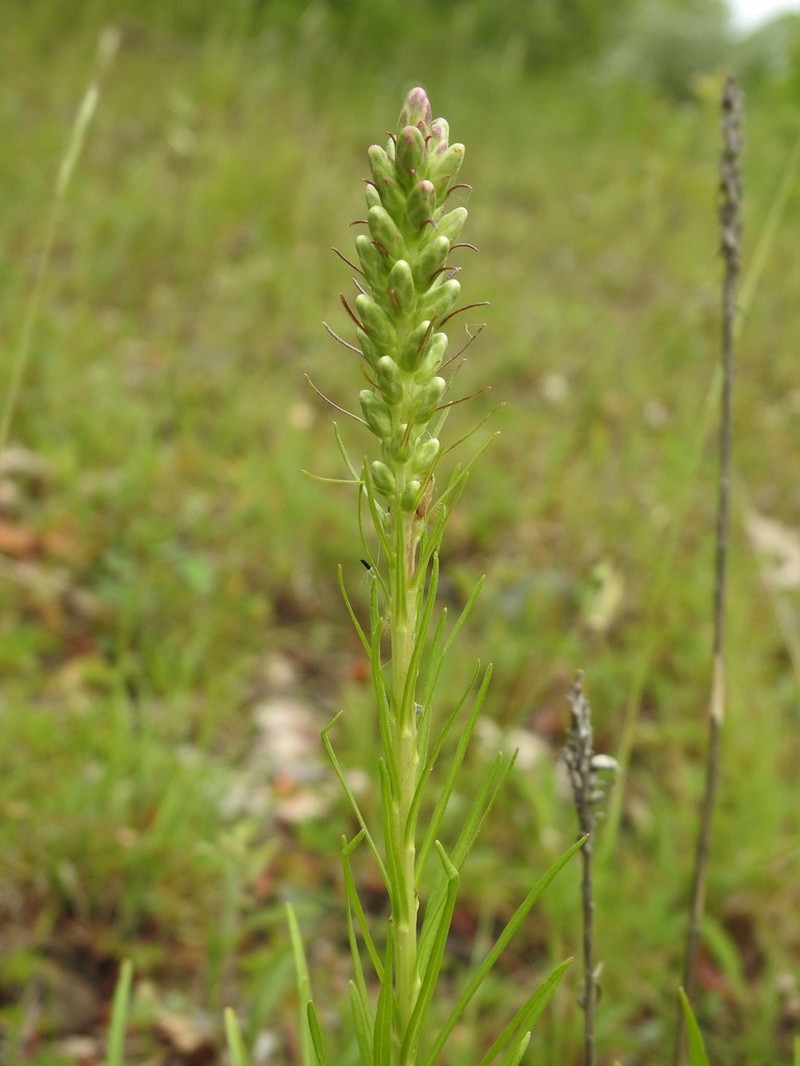
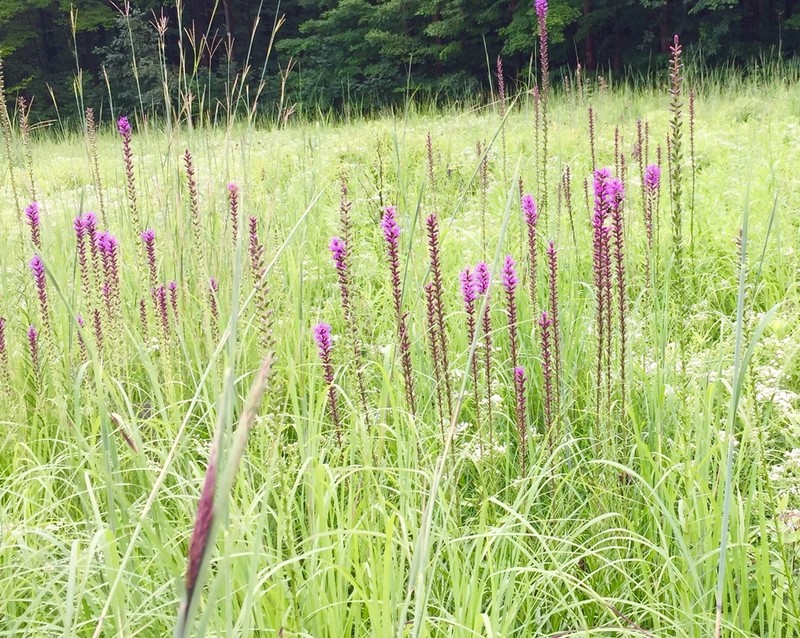
Taxonomy
- Division:
- Magnoliophyta | - Flowering plants
- Family:
- Asteraceae
- Genus:
- Liatris
- Species:
- Liatris spicata
- USDA Symbol:
- LISP
Growth Characteristics
- Life Cycle:
- Perennial
- Growth Habit:
- Geophyte
- Height:
- 150 cm
- Light Requirements:
- Full Sun
- Drought Tolerance:
- Medium
- Bloom Months:
- jul,aug,sep
- Bloom Colors:
- purple, pink, white
Wildlife Benefits
- Bees:
- ★☆☆☆☆ Documented bee visitation (GBIF)
- Butterflies & Moths:
- ★☆☆☆☆ Documented Lepidoptera association (GBIF)
- Caterpillars:
- ★☆☆☆☆ Recorded caterpillar host plant (HOSTS Database)
- Hummingbirds:
- ★☆☆☆☆ Documented hummingbird visits (GBIF)
Host Plant for Caterpillars
blazing star borer moth (Papaipema beeriana), Wavy-lined Emerald (Synchlora aerata)
Reported Fauna Sightings
Bees: Brown-belted bumble (Bombus griseocollis), Common eastern (Bombus impatiens), Confusing bumble (Bombus perplexus), Eastern Carpenter Bee (Xylocopa virginica), 🛑Rusty-patched bumble (Bombus affinis), Two-spotted bumble (Bombus bimaculatus) Moths:Hummingbird Clearwing (Hemaris thysbe) Butterflies:American Lady (Vanessa virginiensis), Black Swallowtail (Papilio polyxenes), Eastern Tiger Swallowtail (Papilio glaucus), ⚠️Monarch butterfly (Danaus plexippus), Palamedes Swallowtail (Papilio palamedes), Peck's skipper (Polites peckius), Pipevine Swallowtail (Battus philenor), Silver-spotted Skipper (Epargyreus clarus), Small White (Pieris rapae)
Garden & Ecology Notes
- Wildlife Value:
- bees, butterflies, birds
- Fire Ecology:
- Fire adapted — tolerates or benefits from fire
- Fire Notes:
- Benefits from occasional fire to suppress woody encroachment in prairie habitats.
Soil Requirements
- Soil Type:
- moist, well-drained loamy soil
- pH:
- 5.5 - 7.0 (slightly acidic to neutral)
- Drainage:
- excellent drainage required
- Moisture:
- consistently moist
- Notes:
- native to moist prairies and marsh edges
Propagation & Germination
- Stratification:
- Cold/moist stratification required — 30–60 days
- Germination Time:
- 14–30 days
- Notes:
- Seeds germinate best after cold stratification; sow in fall or stratify in refrigerator for 4-8 weeks before spring sowing.
Pre-treatment: Field seed is sown in the fall, after cleaning, therefore it does not require cold storage. If weather does not permit fall planting, store the seed dry, in cold storage at 34-36 degrees. Field sown seed is not damp stratified due to clumping problems during the drilling process.
Establishment: Seed is collected by a custom designed combine from nursery stock. The plant flowers from approx. July 15 to August 28. Seed is harvested about Sept. 23. L. spicata is found throughout the eastern third portion of the United States.
Source: npn.rngr.net
ORGHPS Germination Guide: Sow @ 20C. Germinates within 3 months.
Where to Buy
Nationwide Seller
- Vermont Wildflower Farm (nursery and seeds)
- Sheffield's Seed (seeds)
- Pizzo Native Plant Nursery (wholesale nursery)
- Native Plants Nursery (nursery)
- Prairie Moon Nursery (nursery and seeds)
- North Creek Nurseries (nursery)
- Native Seed Group (seeds)