
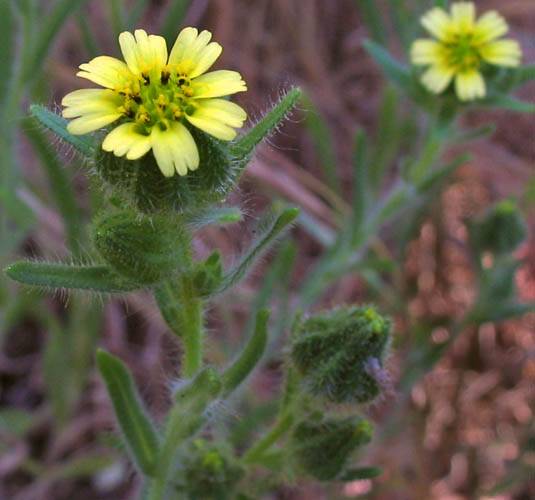
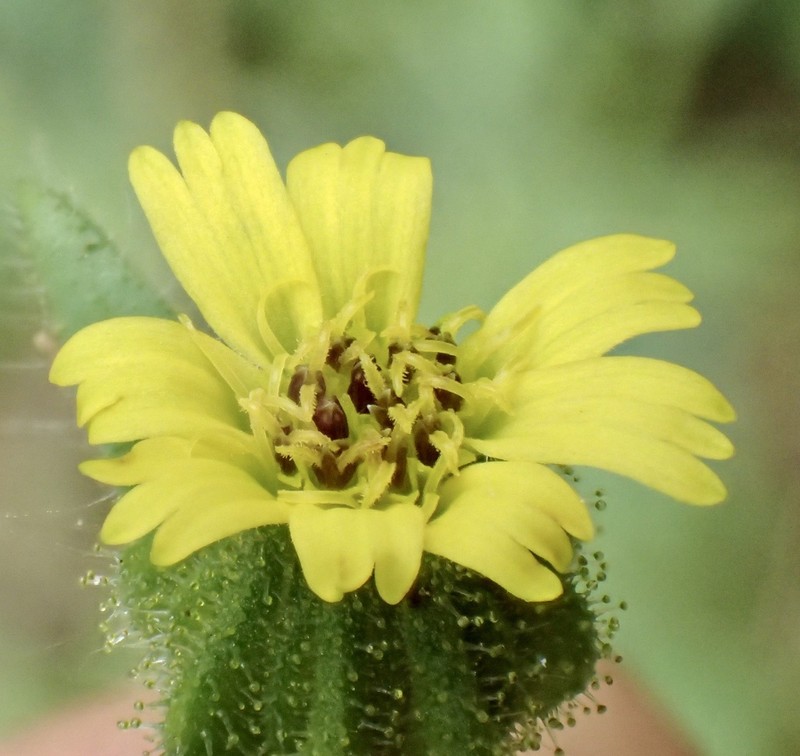
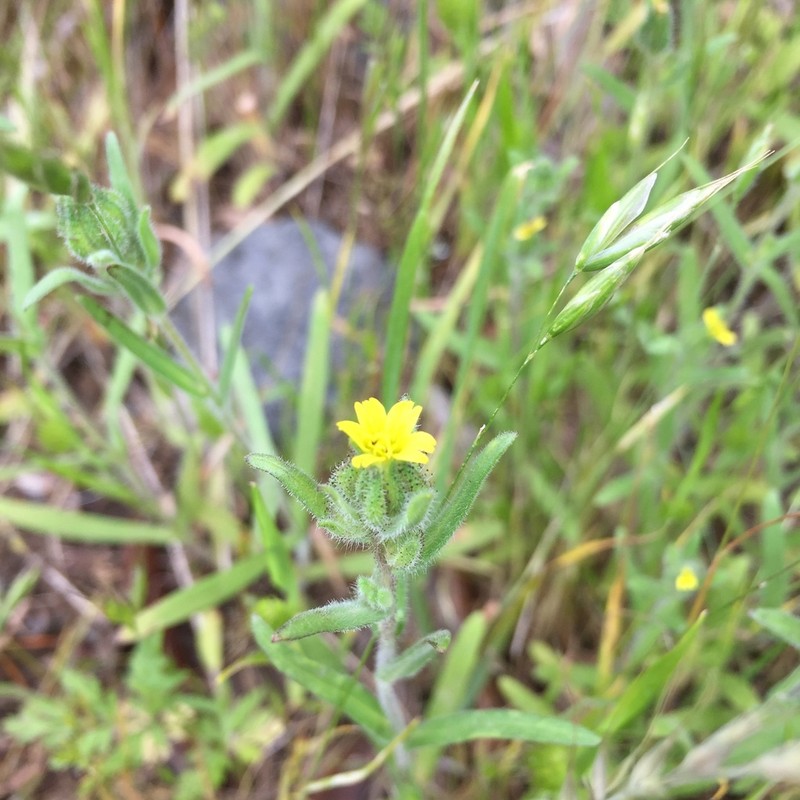
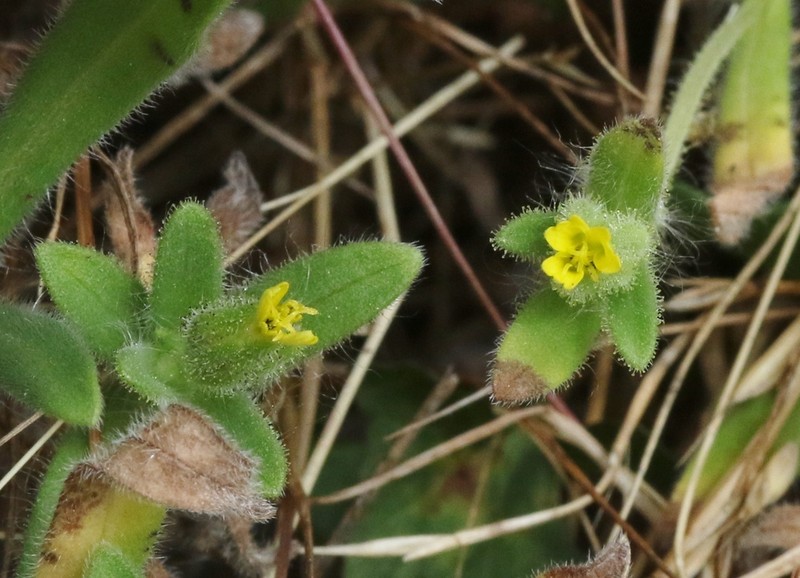
Grassy Tarweed
Madia gracilis
- Native to:
- Canada, Mexico, United States
Unknown author Unknown author
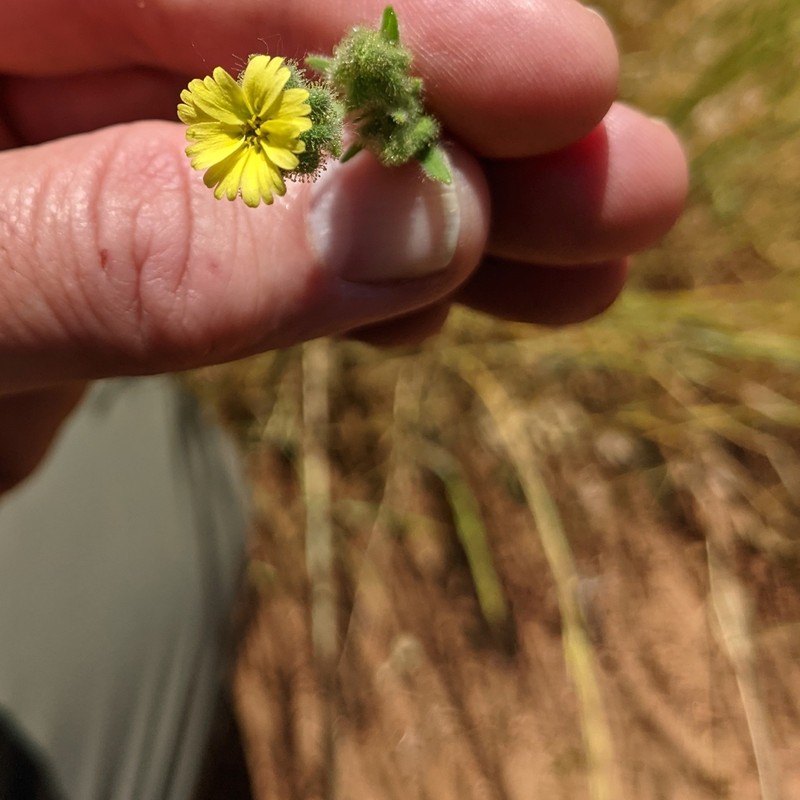
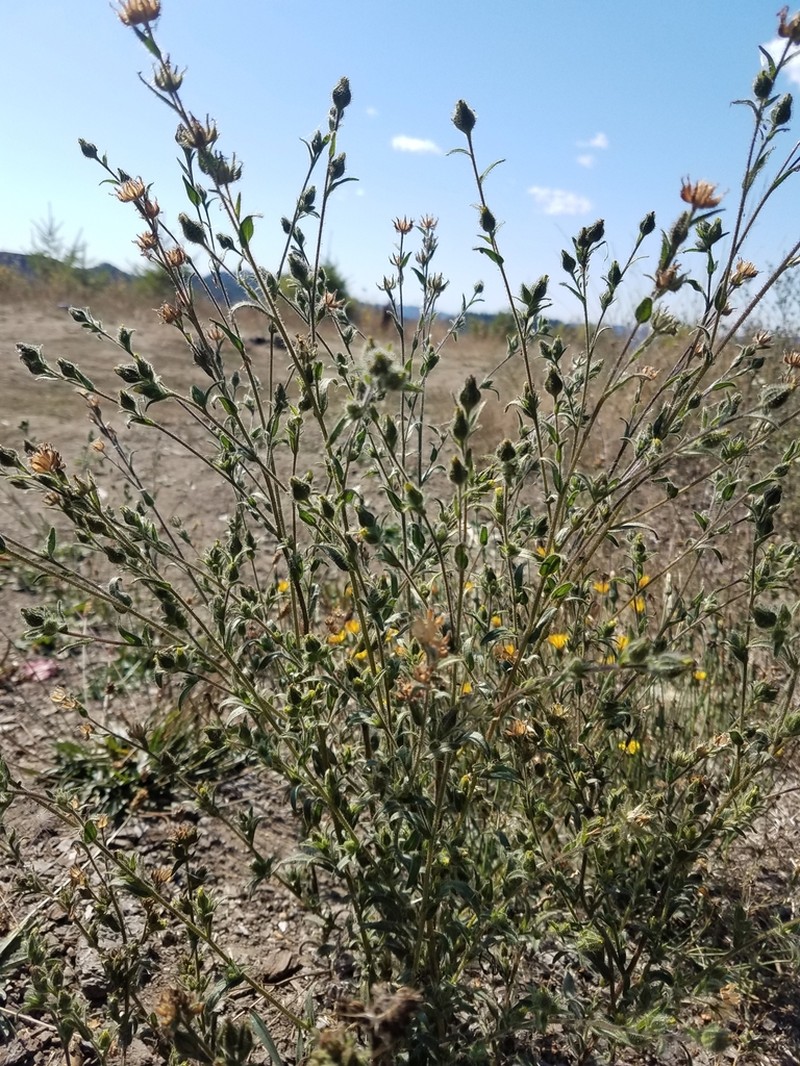
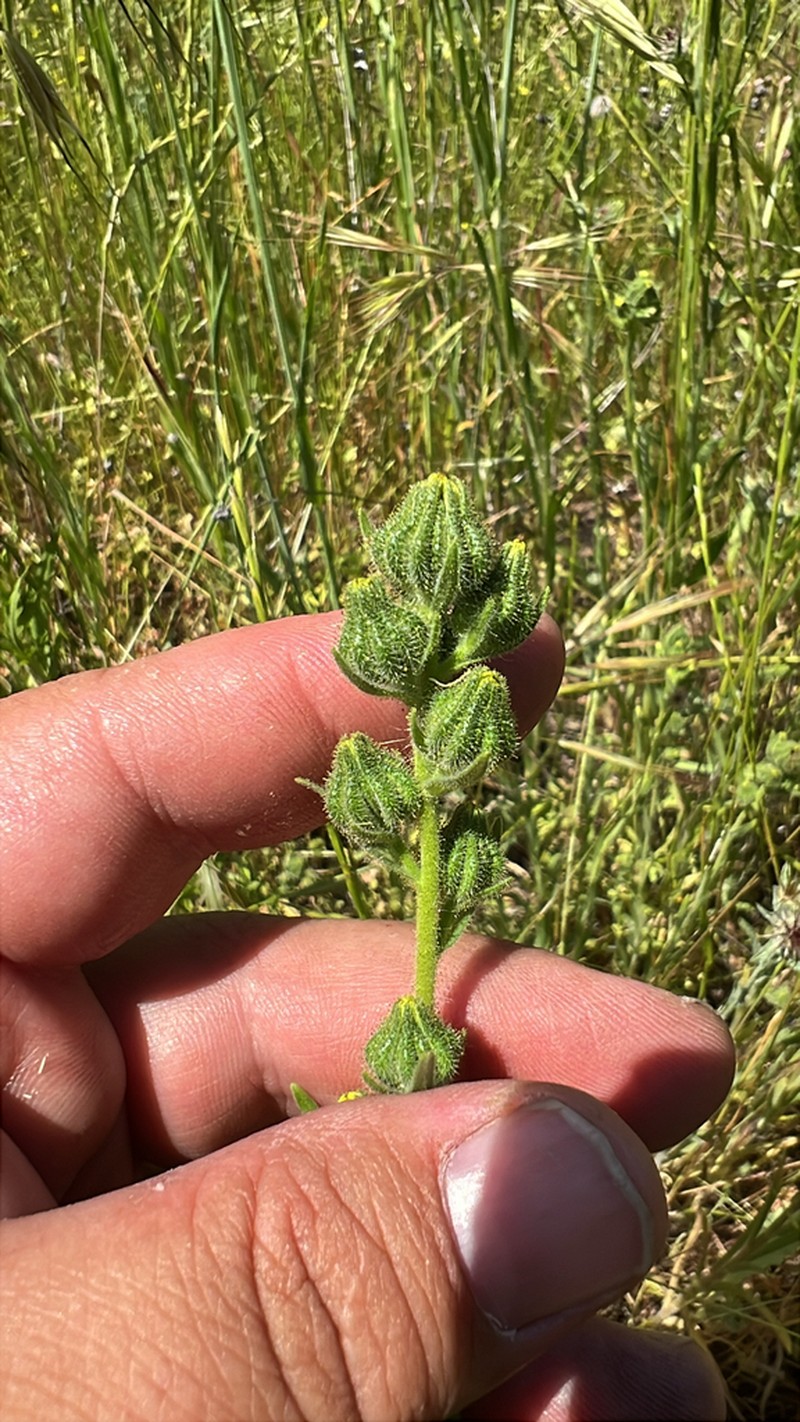
Taxonomy
- Division:
- Magnoliophyta | - Flowering plants
- Family:
- Asteraceae
- Genus:
- Madia
- Species:
- Madia gracilis
- USDA Symbol:
- MAGR3
Growth Characteristics
- Life Cycle:
- Annual
- Growth Habit:
- Forb/herb
- Height:
- 100 cm
- Light Requirements:
- Full Sun
- Drought Tolerance:
- High
- Bloom Months:
- apr,may,jun,jul,aug,sep
- Bloom Colors:
- yellow
Wildlife Benefits
- Bees:
- ★☆☆☆☆ Documented bee visitation (GBIF)
- Butterflies & Moths:
- ★☆☆☆☆ Documented Lepidoptera association (GBIF)
Garden & Ecology Notes
- Wildlife Value:
- bees, butterflies
- Fire Ecology:
- Fire adapted — tolerates or benefits from fire
- Fire Notes:
- Common in post-fire chaparral and grassland; seeds germinate from soil seed bank after fire.
Soil Requirements
- Soil Type:
- sandy, well-drained, nutrient-poor soil
- pH:
- 5.5 - 7.5 (slightly acidic to neutral)
- Drainage:
- excellent drainage required
- Moisture:
- dry to moderate
- Notes:
- native to open, dry habitats; prefers full sun
Propagation & Germination
- Stratification:
- Cold/moist stratification required — 30–60 days
- Germination Time:
- 7–21 days
- Notes:
- Seeds germinate readily after cold stratification; surface sow and keep moist.
Pre-treatment: 45 days of cool/moist stratification at 38°F
Establishment: This plant is found primarily in the Western US and Canada, stretching as far south as California and as far East as Montana. Avoid dry heat treatment as it decreases germination.
Source: npn.rngr.net