
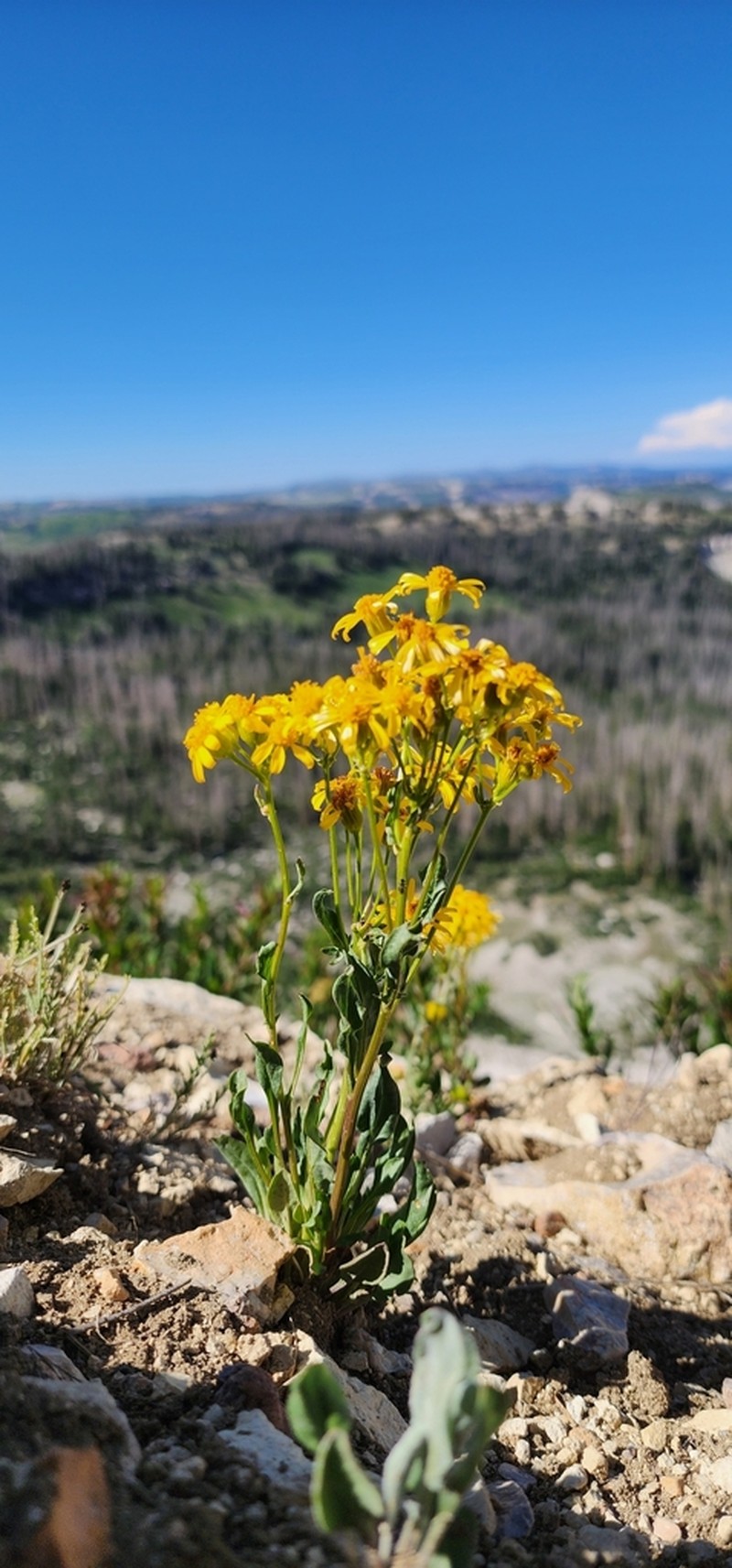
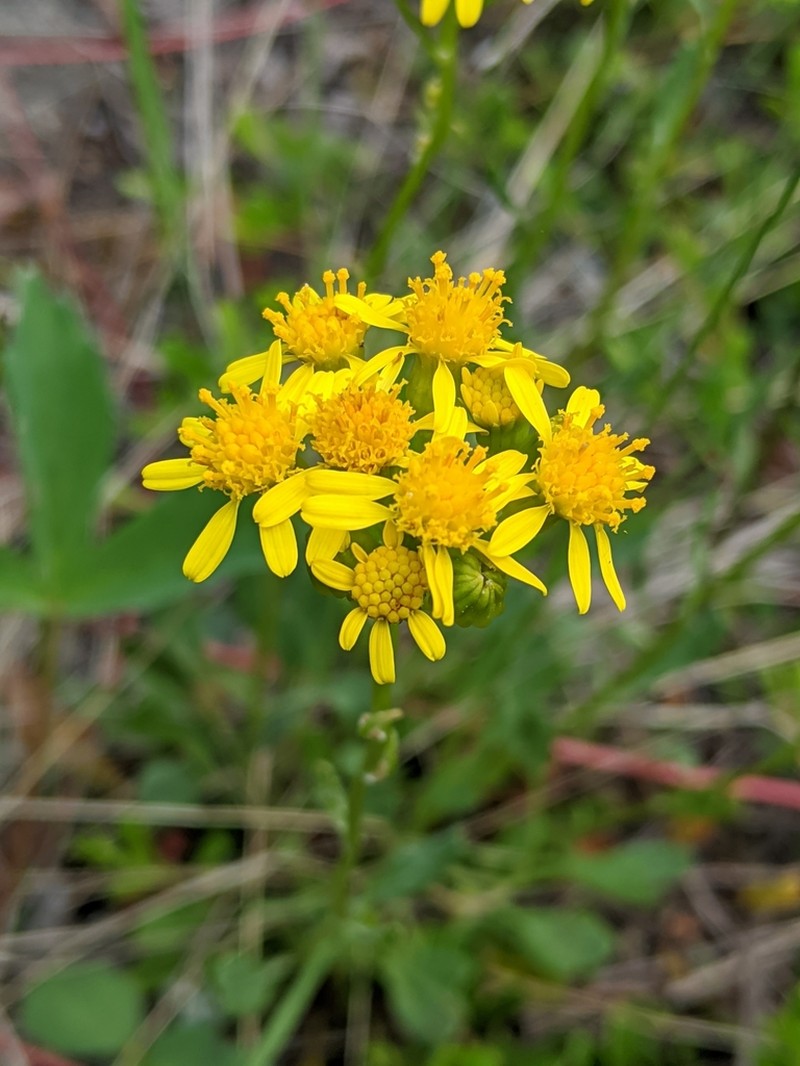
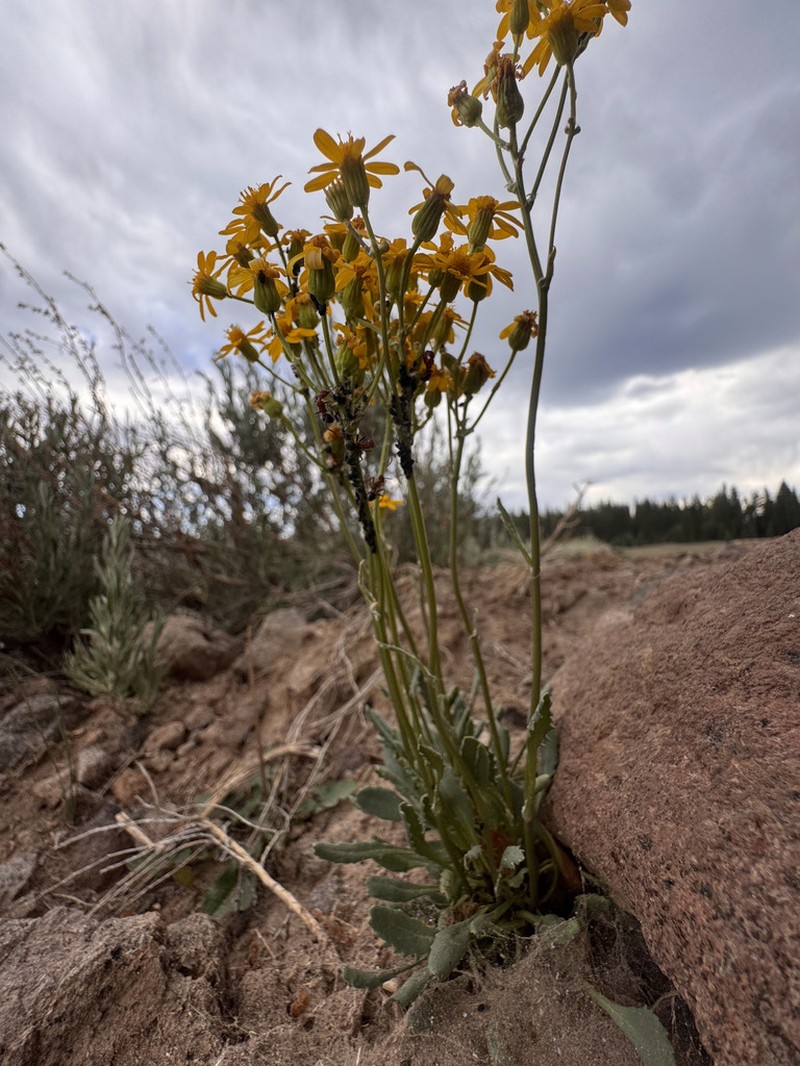
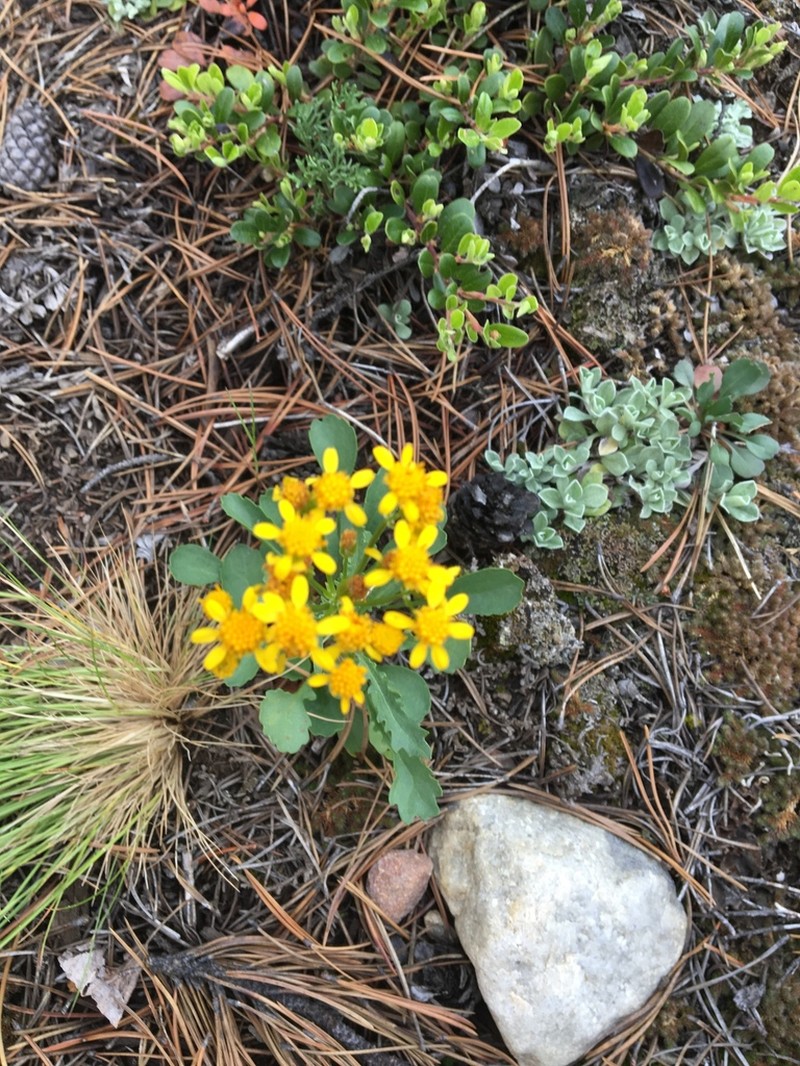
Rocky Mountain Groundsel
Packera streptanthifolia
- Native to:
- Canada, United States
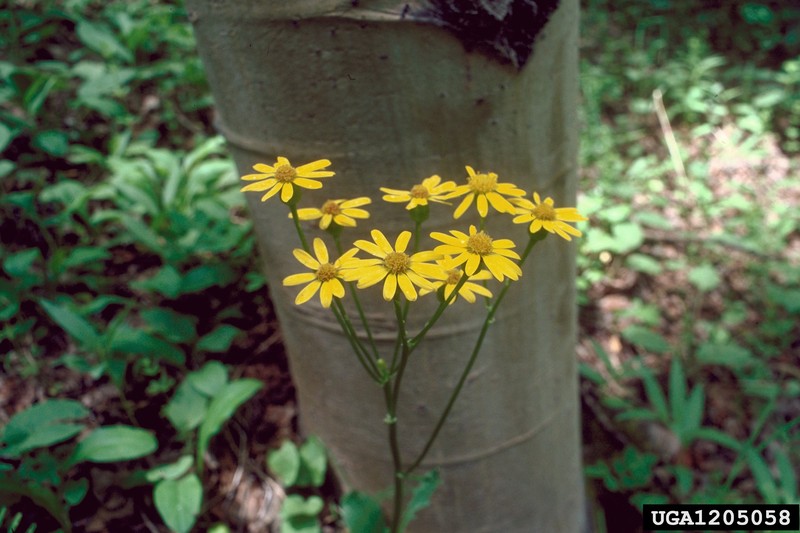
Dave Powell, USDA Forest Service, Bugwood.org
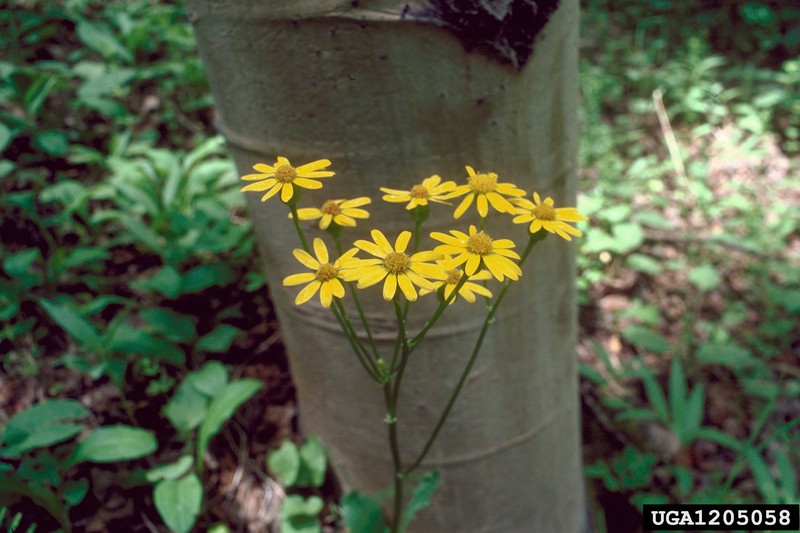
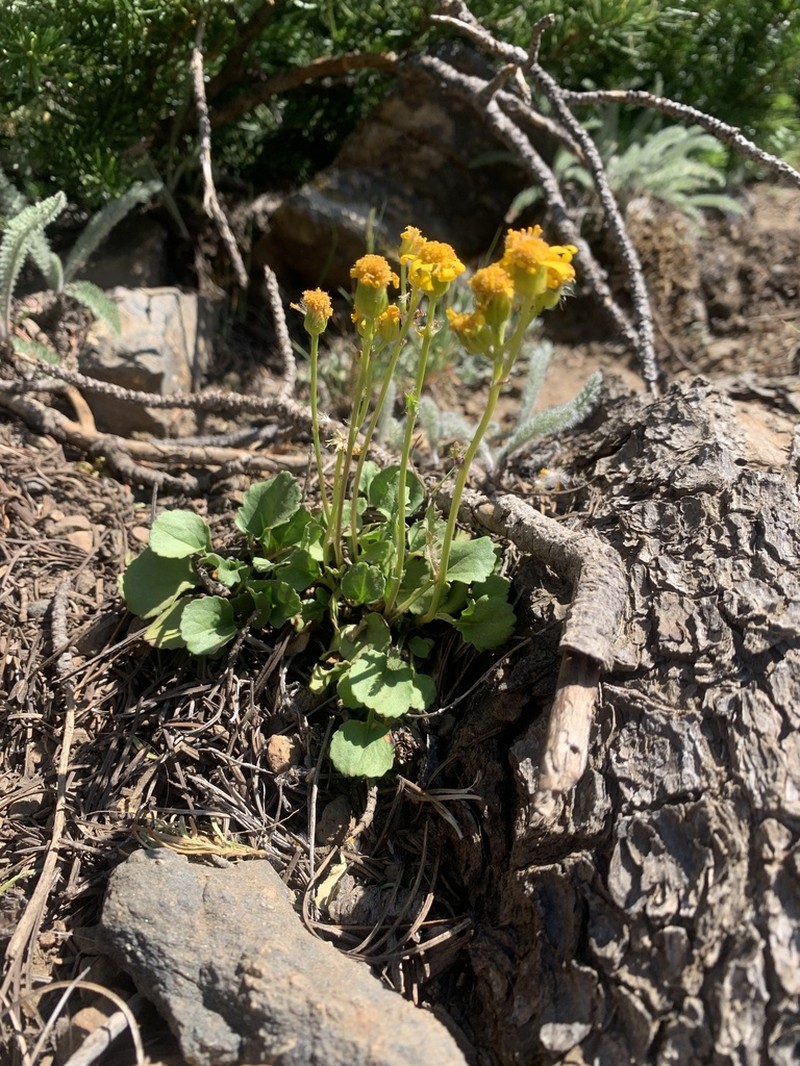
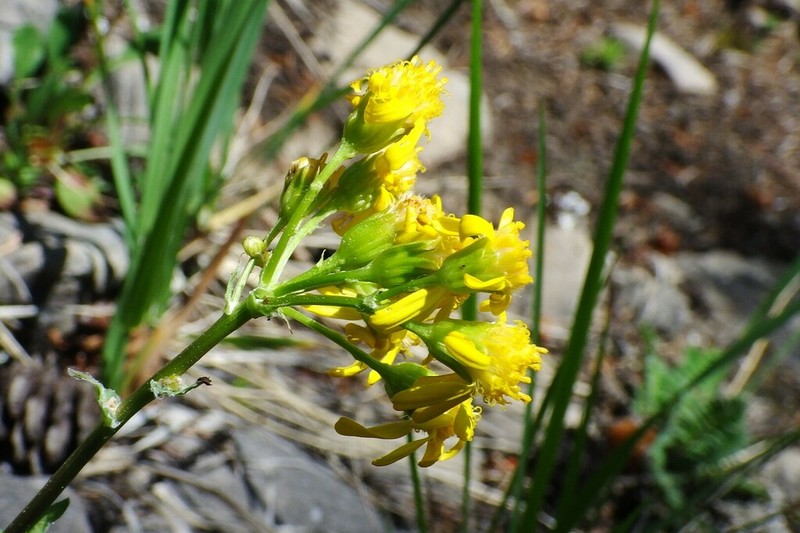
Taxonomy
- Division:
- Magnoliophyta | - Flowering plants
- Family:
- Asteraceae
- Genus:
- Packera
- Species:
- Packera streptanthifolia
- USDA Symbol:
- PAST10
Growth Characteristics
- Life Cycle:
- Perennial
- Growth Habit:
- Forb/herb
- Height:
- 60 cm
- Light Requirements:
- Full Sun
- Drought Tolerance:
- Medium
- Bloom Months:
- may,jun,jul,aug
- Bloom Colors:
- yellow
Wildlife Benefits
- Bees:
- ★☆☆☆☆ Documented bee visitation (GBIF)
- Butterflies & Moths:
- ★☆☆☆☆ Documented Lepidoptera association (GBIF)
Keystone Species Ranking
- Caterpillar Keystone:
- ★☆☆☆☆ Butterfly & moth species supported by this genus (NWF)
Host Plant for Caterpillars
Agonopterix senecionella, Phyllocnistis insignis
Reported Fauna Sightings
Bees: Black-tailed bumble bee (Bombus melanopygus), Fuzzy-horned bumble bee (Bombus mixtus), High country bumble bee (Bombus kirbiellus), Sitka bumble bee (Bombus sitkensis), Two-form bumble bee (Bombus bifarius)
Garden & Ecology Notes
- Wildlife Value:
- bees, butterflies
Soil Requirements
- Soil Type:
- rocky, well-drained, nutrient-poor soil
- pH:
- 5.5 - 7.5 (slightly acidic to neutral)
- Drainage:
- excellent drainage required
- Moisture:
- dry to moderate
- Notes:
- Common in alpine and subalpine regions
Propagation & Germination
- Stratification:
- Cold/moist stratification required — 30–60 days
- Germination Time:
- 14–30 days
- Notes:
- Seeds germinate readily after cold stratification; surface sow and keep moist.
Pre-treatment: 5 month cold moist stratification period
Establishment: Seeds are hand collected in late September when achenes are easily separated from the disk. Seeds are grey at maturity. Seeds are collected in paper bags and kept in a well ventilated greenhouse during the drying process and prior to cleaning. P. cymbalarioides is found in wet often organic soil of alpine and subalpine meadows and along small high elevation streams; from British Columbia and Alberta south to California, Idaho, and Wyoming.
Source: npn.rngr.net