
Wild Quinine
Parthenium integrifolium
- Native to:
- United States, Virgin Islands
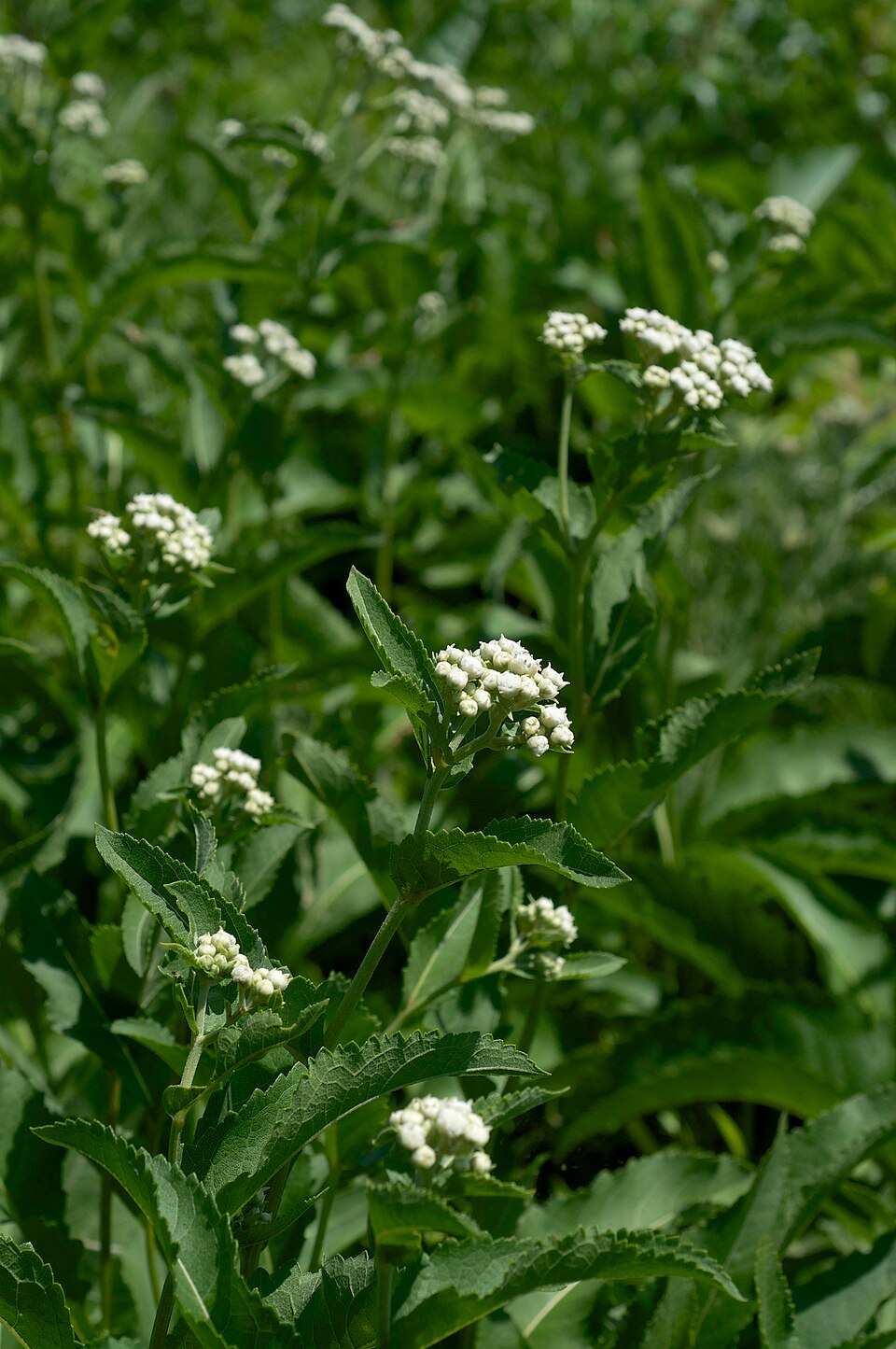
Peterwchen
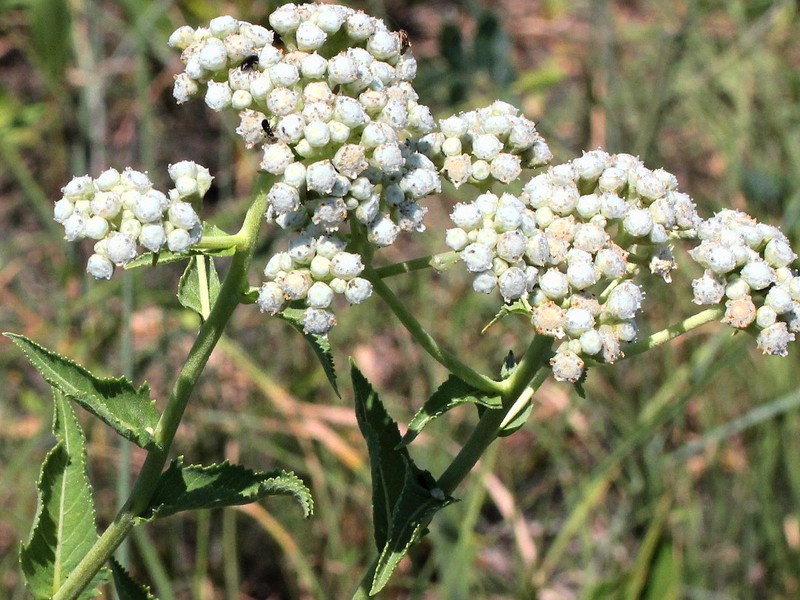
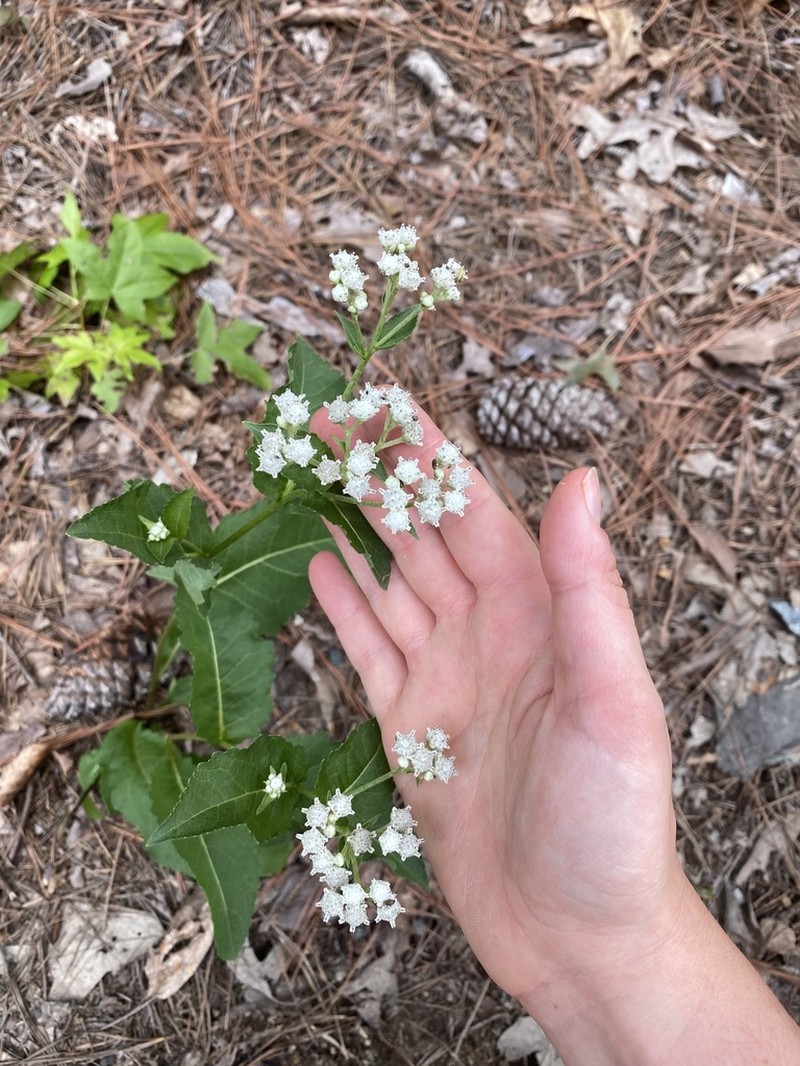
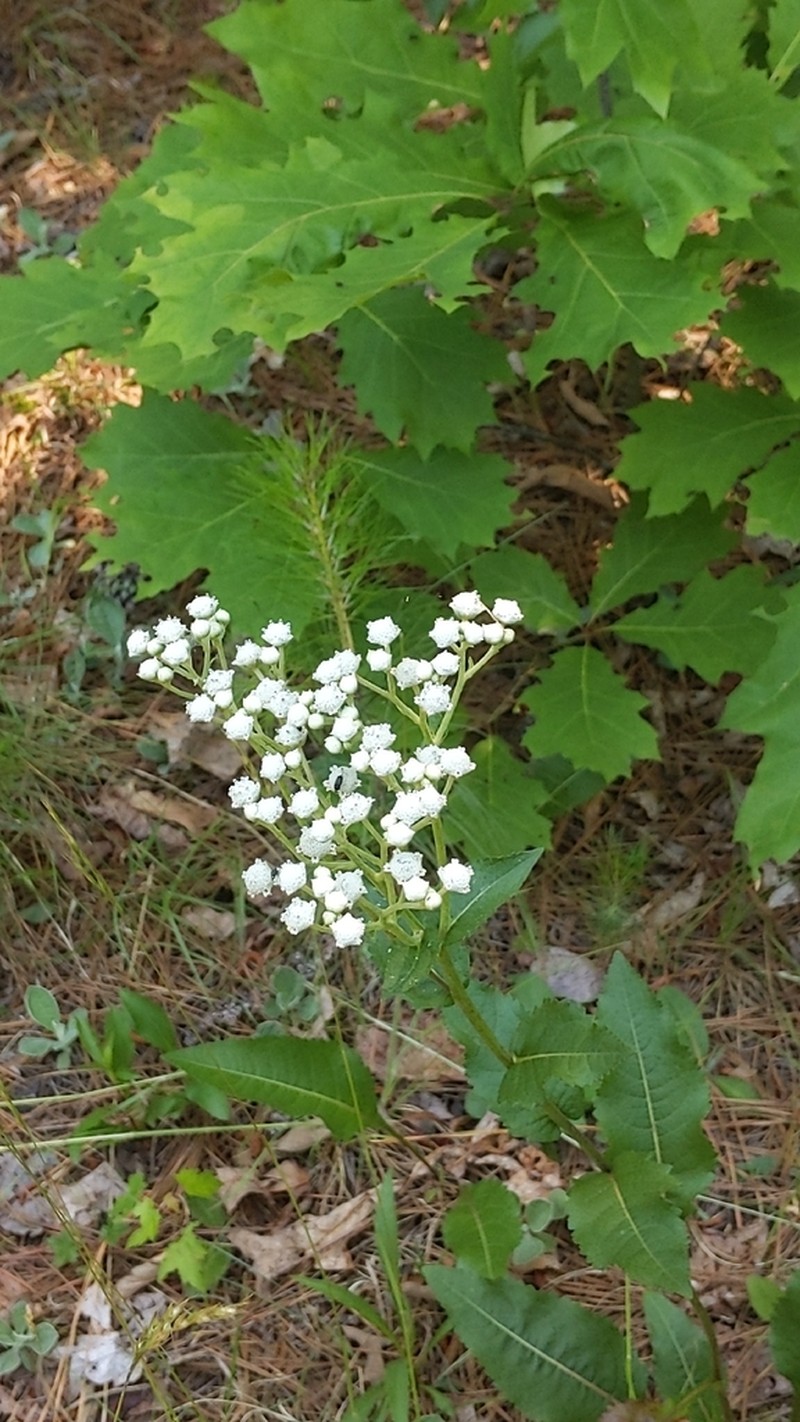
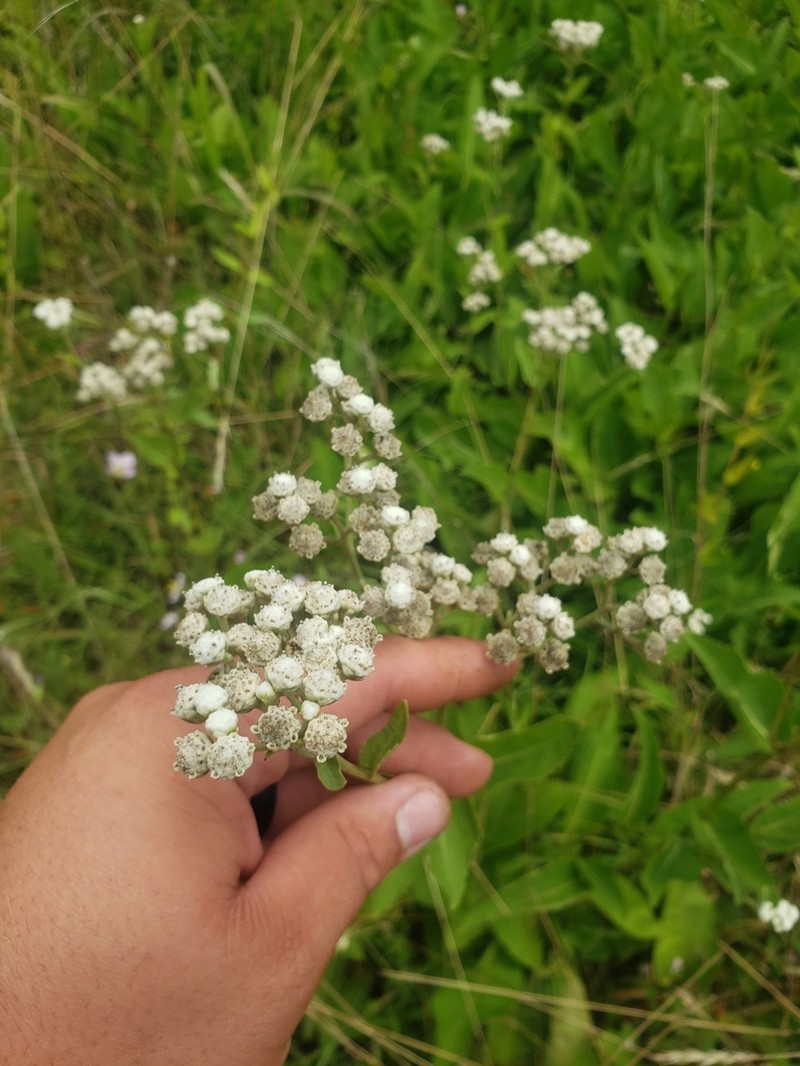
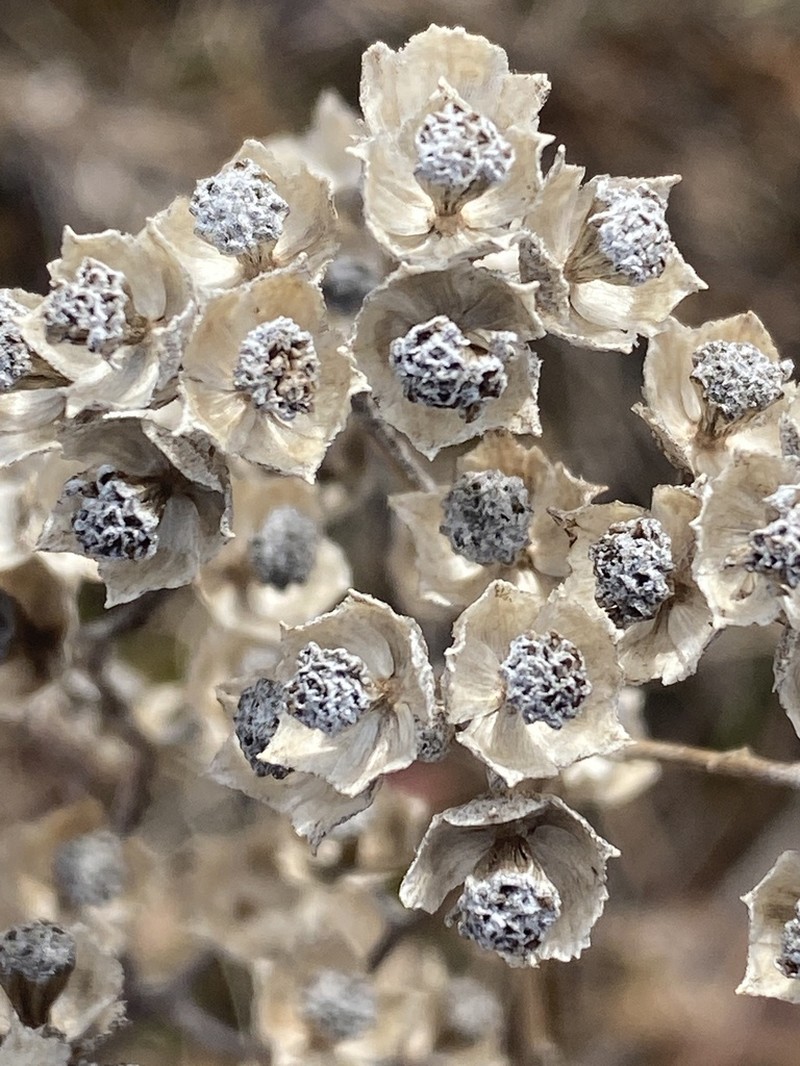
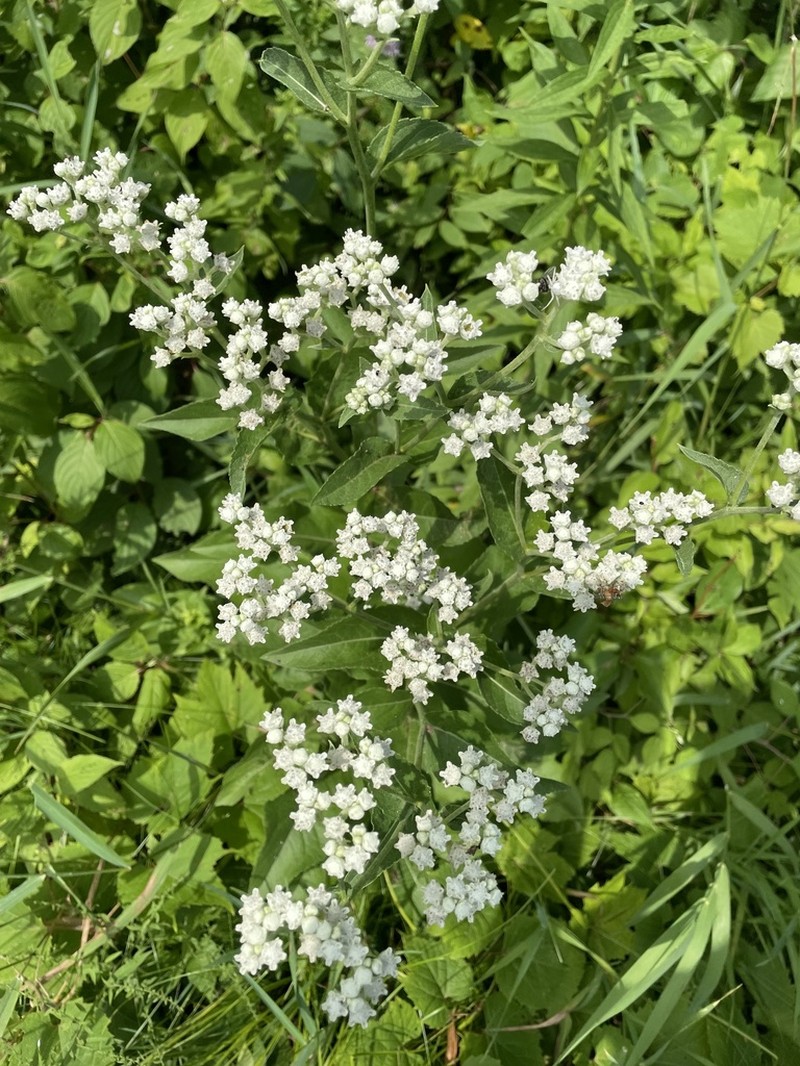
Taxonomy
- Division:
- Magnoliophyta | - Flowering plants
- Family:
- Asteraceae
- Genus:
- Parthenium
- Species:
- Parthenium integrifolium
- USDA Symbol:
- PAIN3
Growth Characteristics
- Life Cycle:
- Perennial
- Growth Habit:
- Forb/herb
- Height:
- 120 cm
- Light Requirements:
- Part Shade
- Drought Tolerance:
- Medium
- Bloom Months:
- may,jun,jul,aug
- Bloom Colors:
- white
Wildlife Benefits
- Bees:
- ★★☆☆☆ Documented bee visitation (GBIF)
- Butterflies & Moths:
- ★☆☆☆☆ Documented Lepidoptera association (GBIF)
Reported Fauna Sightings
Bees: Eastern Carpenter Bee (Xylocopa virginica), Two-spotted bumble (Bombus bimaculatus), ⚠️Western honey bee (Apis mellifera), Zadontomerus Ashmead Moths:Atteva aurea, Grapeleaf skeletonizer (Harrisina americana)
Garden & Ecology Notes
- Wildlife Value:
- bees, butterflies
- Deer Resistant:
- Yes
Soil Requirements
- Soil Type:
- well-drained, sandy or loamy soil
- pH:
- 6.0 - 7.5 (slightly acidic to neutral)
- Drainage:
- excellent drainage required
- Moisture:
- dry to moderate
- Notes:
- native to prairies and open woodlands
Propagation & Germination
- Stratification:
- Cold/moist stratification required — 30–60 days
- Germination Time:
- 14–30 days
- Notes:
- Seeds germinate readily after cold stratification; surface sow or lightly cover.
Pre-treatment: Seeds are placed in cold moist stratification for 150 days. If unable to plant in the fall due to weather, store the seed dry in cold storage at 34-36 degrees F. Field seed is not damp stratified due to clumping problems during the drilling process.
Establishment: The plant flowers from approx. May 12 to July 30. Seed is harvested about August 12. P. integrifolium is found from the eastern United States west to Kansas and southern Missouri. It occupies open wooded sites.
Source: npn.rngr.net
ORGHPS Germination Guide: Repeated cycles of 4C then 20C, 3 months each. Very prolonged.
Where to Buy
Nationwide Seller
- Pizzo Native Plant Nursery (wholesale nursery)
- Native Plants Nursery (nursery)
- Prairie Moon Nursery (nursery and seeds)
- Sheffield's Seed (seeds)