
'Ena'Ena
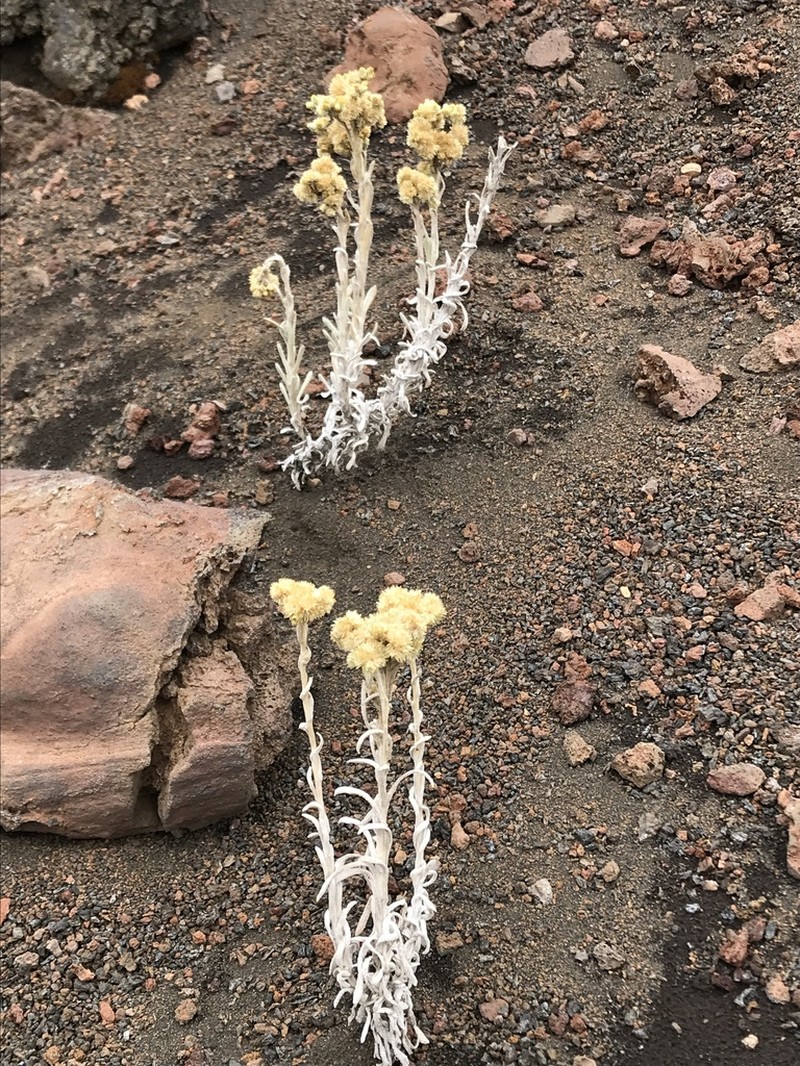
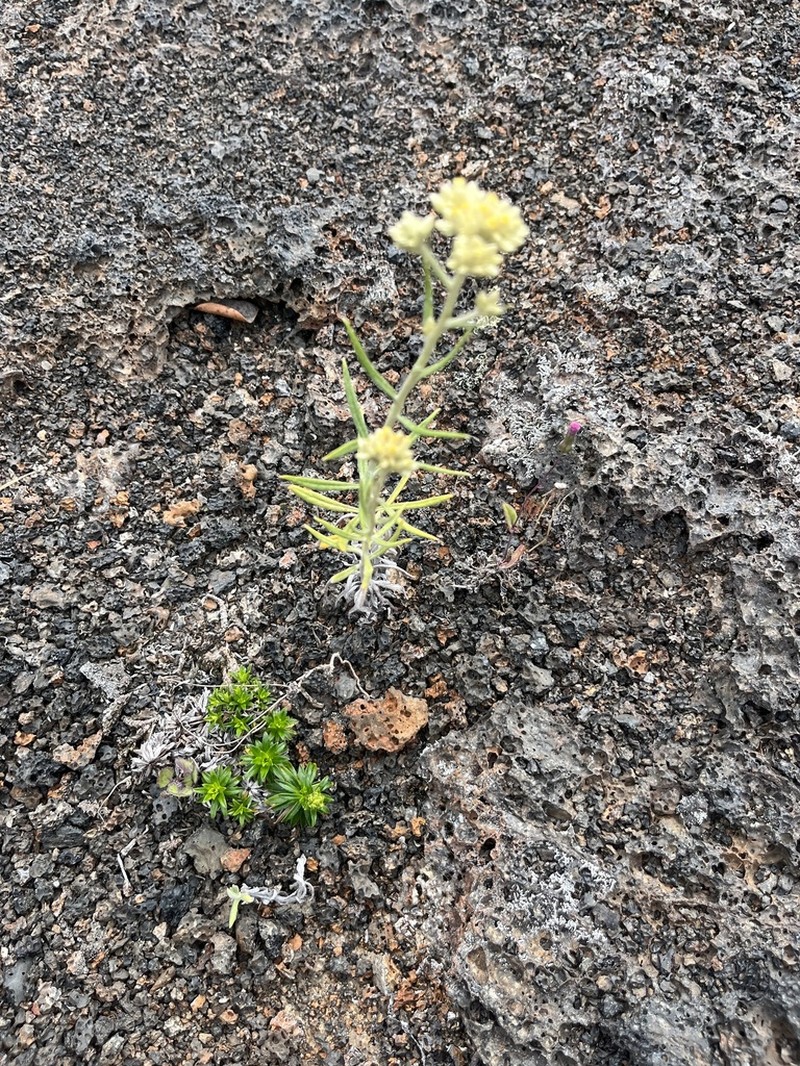
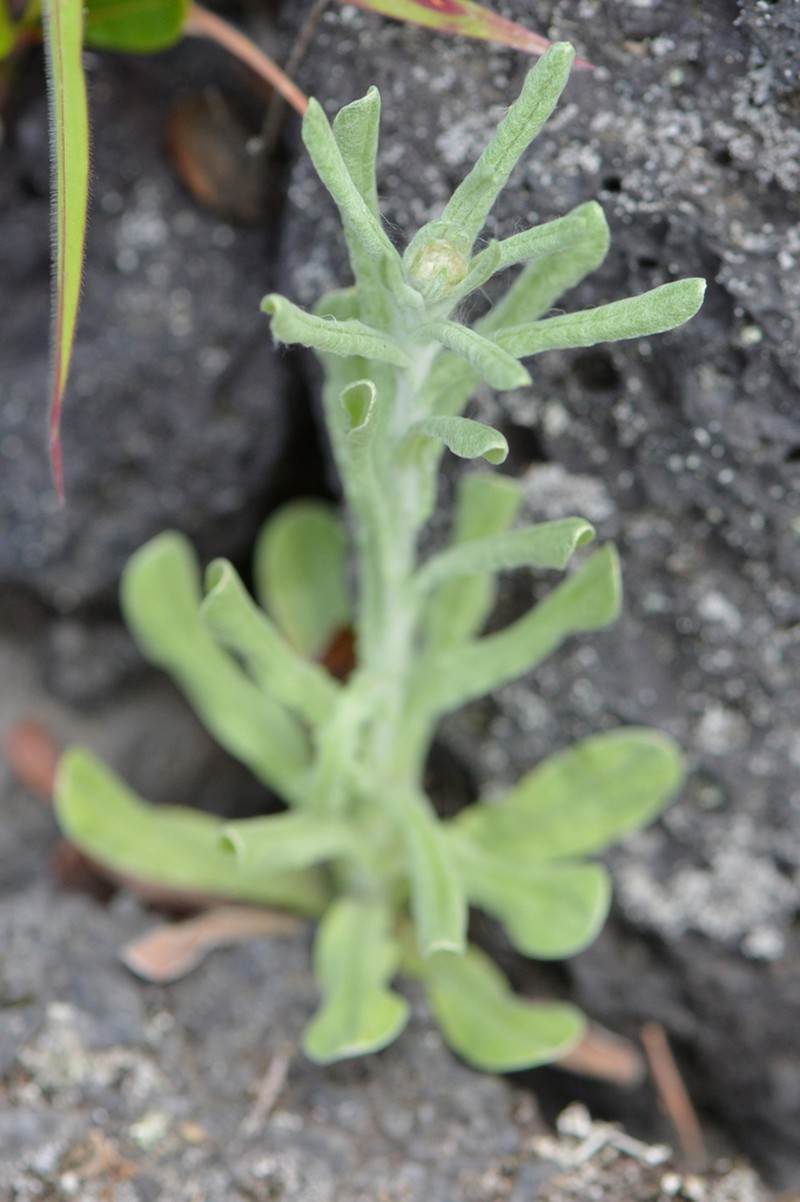
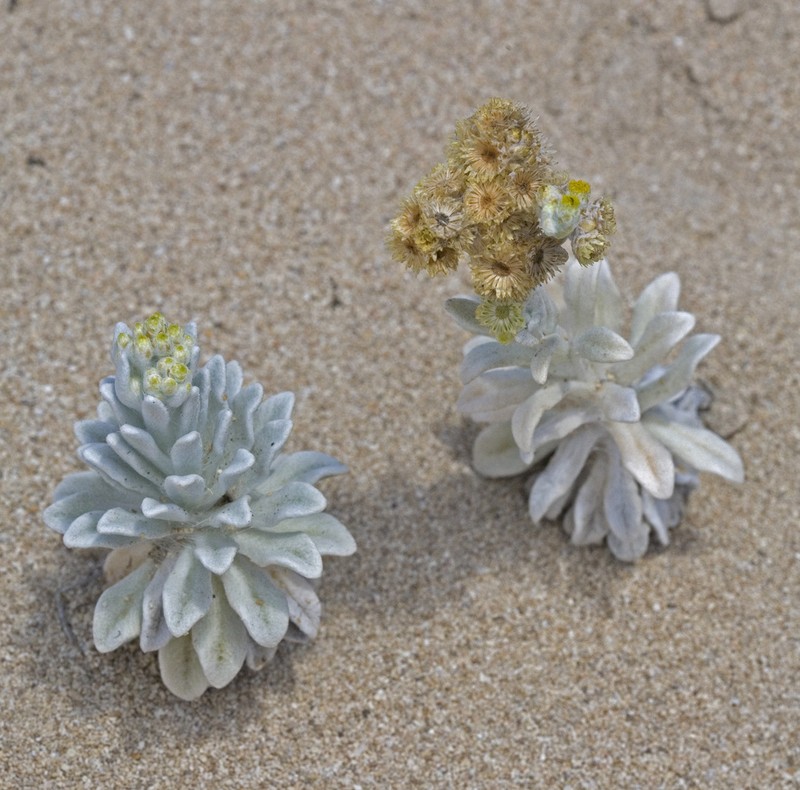
Pseudognaphalium sandwicensium
- Native to:
- Hawaii, U.S. Minor Outlying Islands, United States
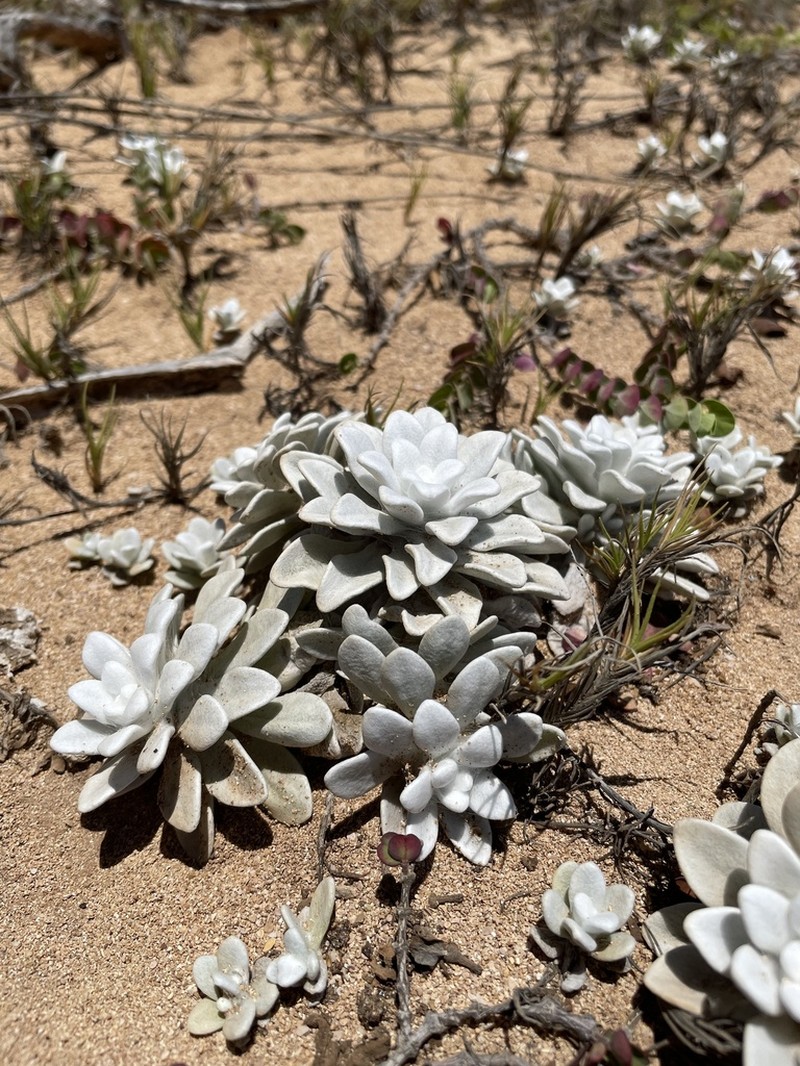
iNaturalist: © kyhlaustin (iNaturalist #225543055)
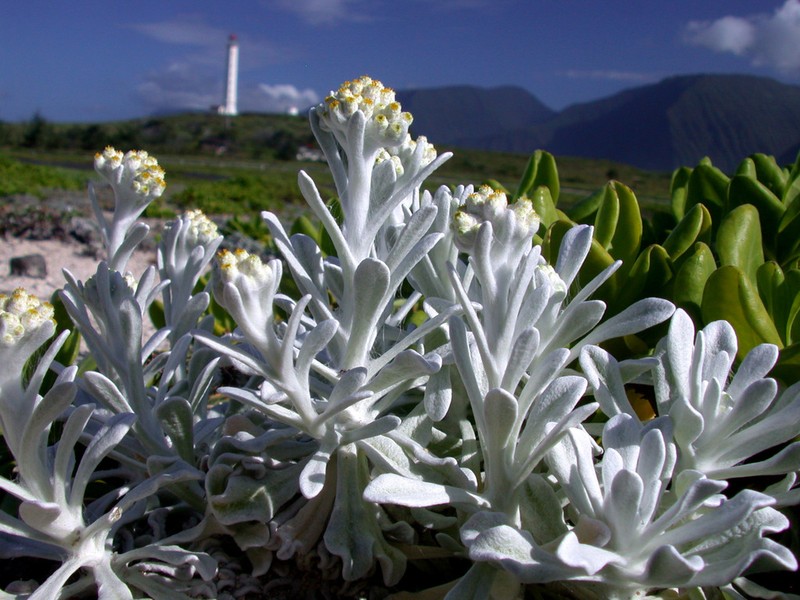
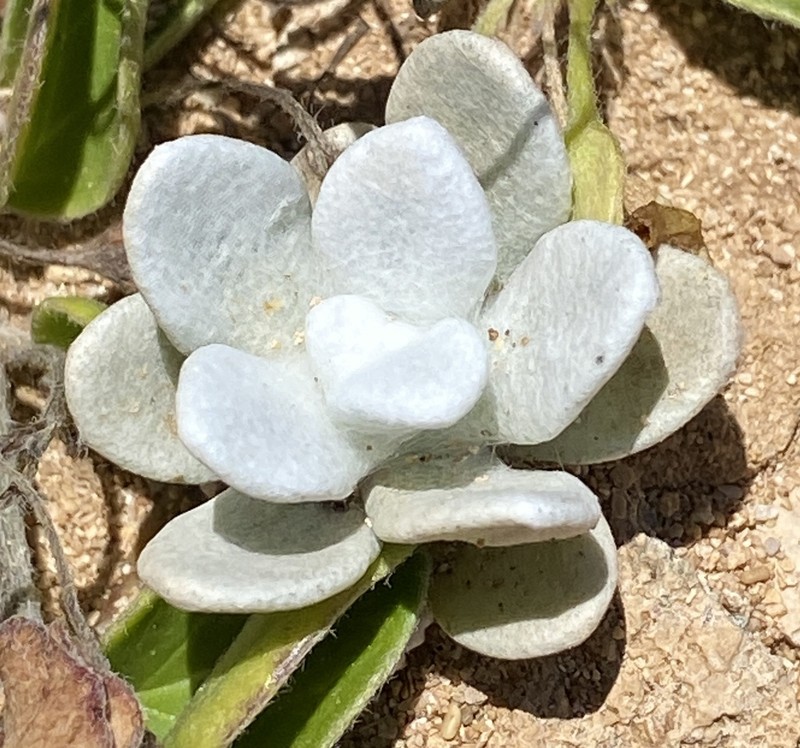
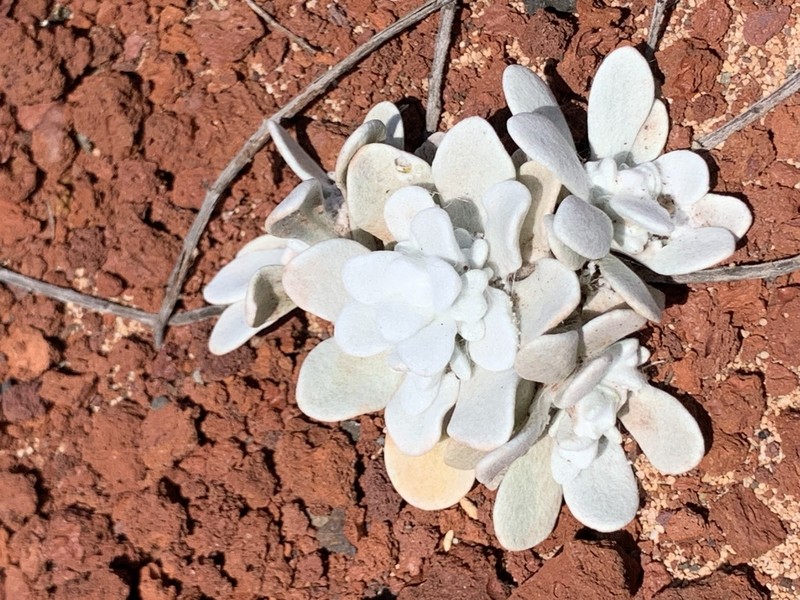
Taxonomy
- Division:
- Magnoliophyta | - Flowering plants
- Family:
- Asteraceae
- Genus:
- Pseudognaphalium
- Species:
- Pseudognaphalium sandwicensium
- USDA Symbol:
- PSSA8
Growth Characteristics
- Life Cycle:
- Perennial
- Growth Habit:
- Forb/herb
- Height:
- 100 cm
- Light Requirements:
- Full Sun
- Drought Tolerance:
- Low
- Bloom Months:
- jul,aug,sep,oct,nov
- Bloom Colors:
- white
Wildlife Benefits
- Butterflies & Moths:
- ★☆☆☆☆ Documented Lepidoptera association (GBIF)
Garden & Ecology Notes
- Wildlife Value:
- butterflies
Soil Requirements
- Soil Type:
- sandy, well-drained, nutrient-poor soil
- pH:
- 5.5 - 7.5 (slightly acidic to neutral)
- Drainage:
- excellent drainage required
- Moisture:
- dry to moderate
- Notes:
- native to dry, rocky areas in Hawaii
Propagation & Germination
Pre-treatment: Seeds are soaked overnight in water before sowing.
Establishment: Seeds are collected from mature plants. The plant is endemic to Hawai'i and grows in dry places such as coastal sand dunes near sea level, and also inland on cinder or lava at up to 3000 m elevation.
Source: npn.rngr.net