
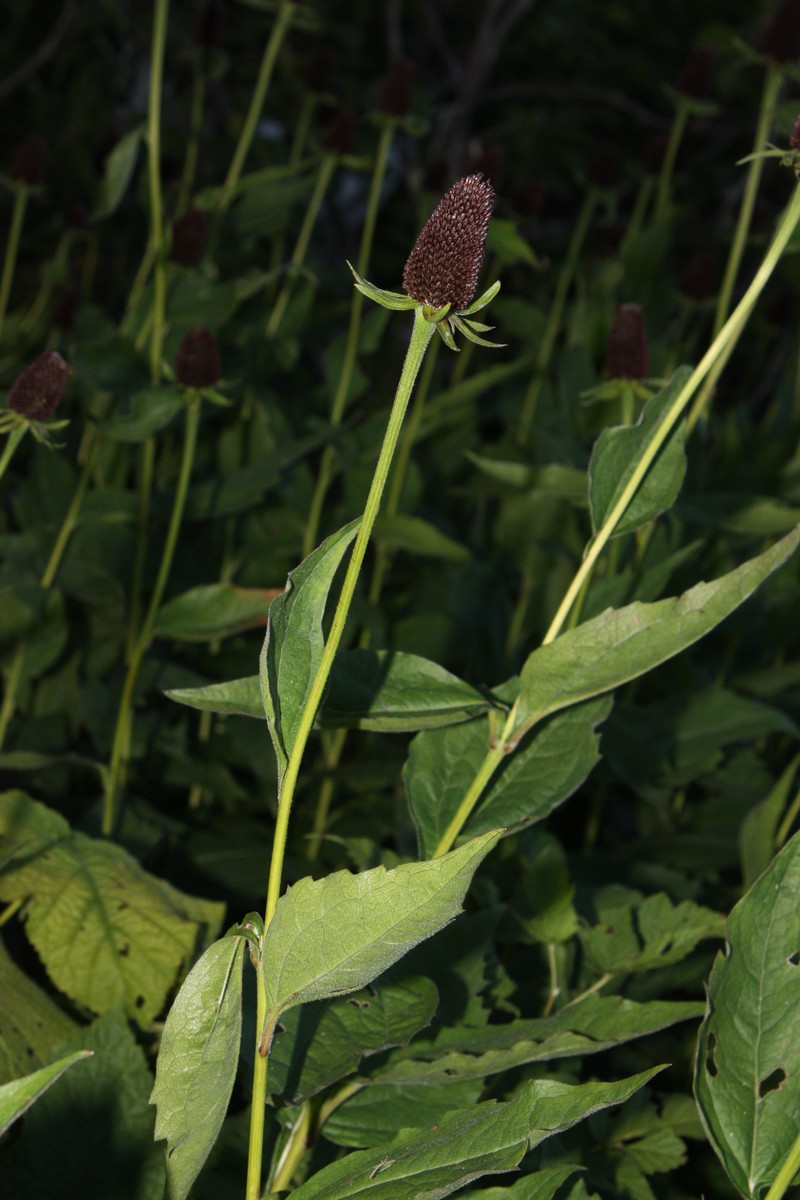
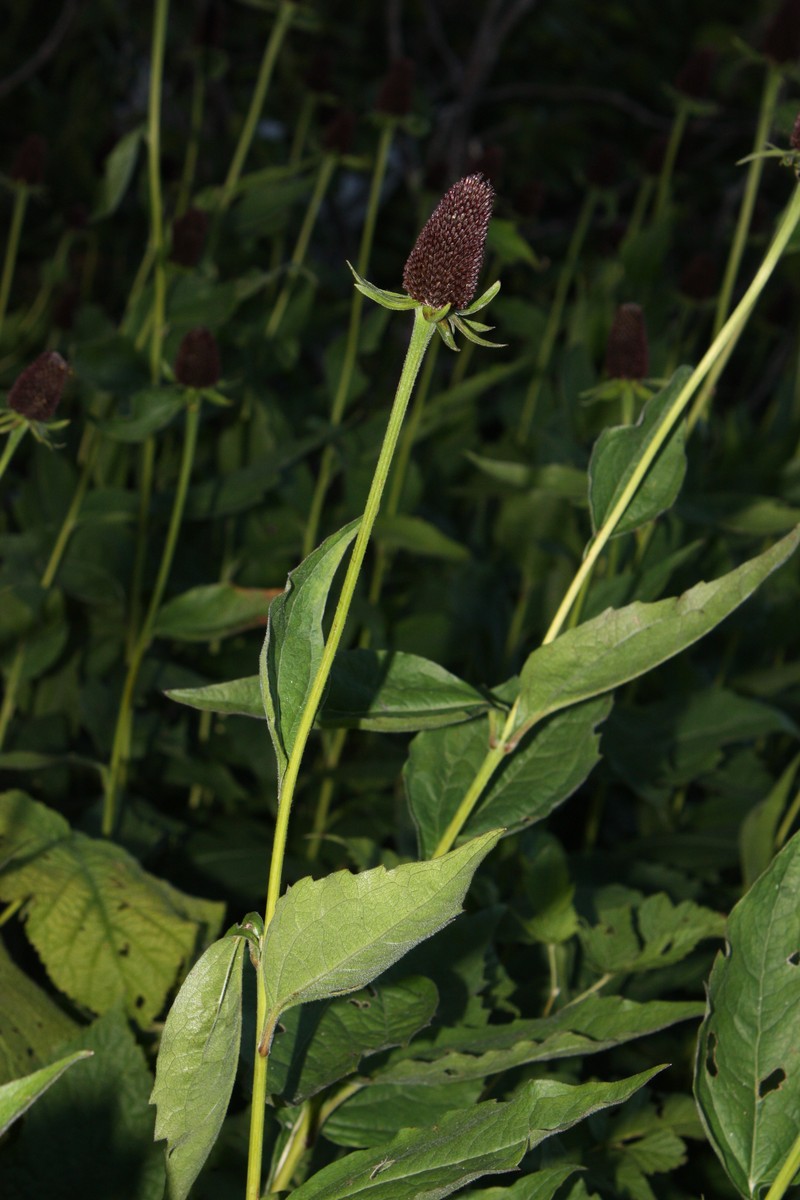
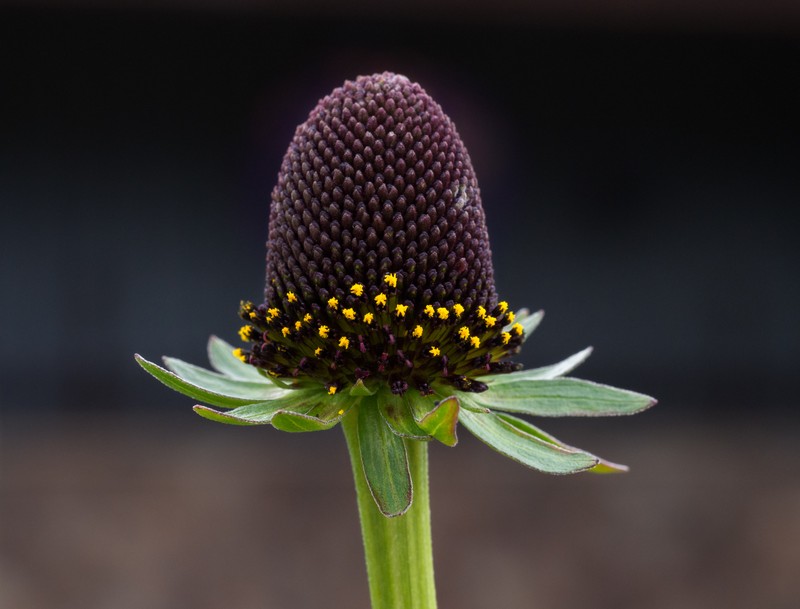
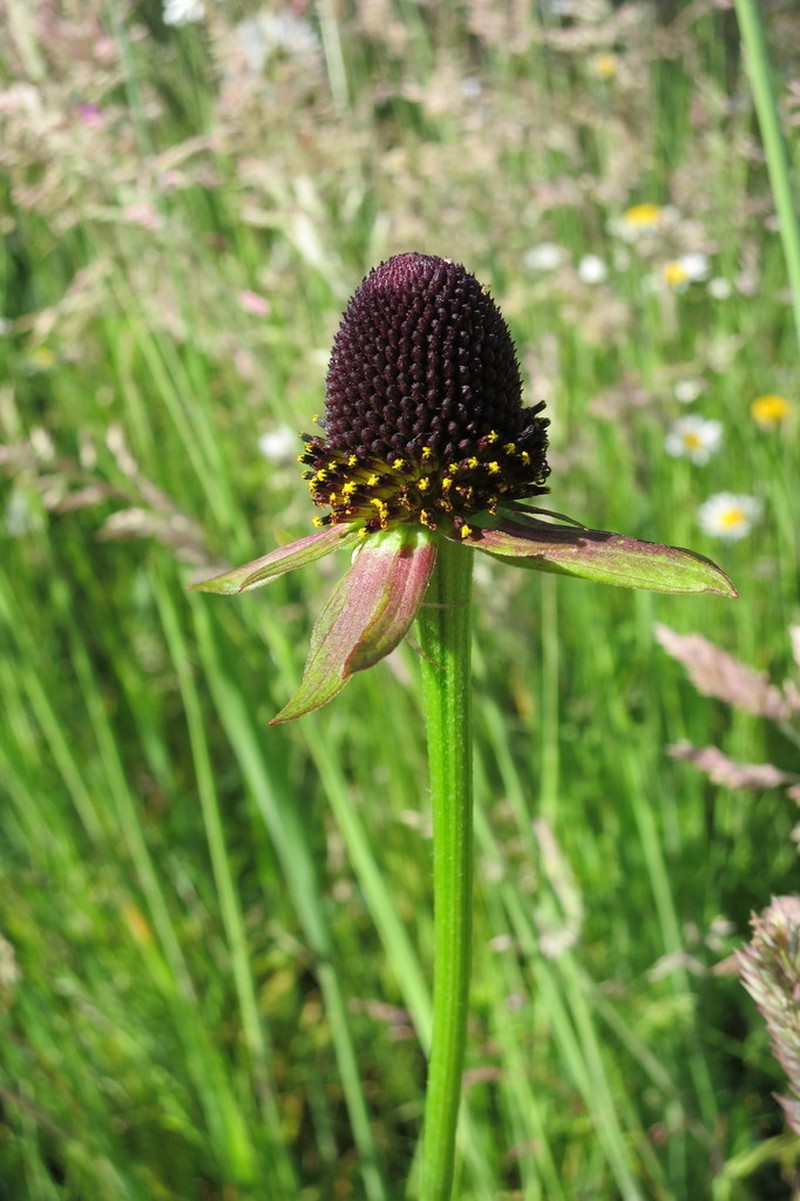
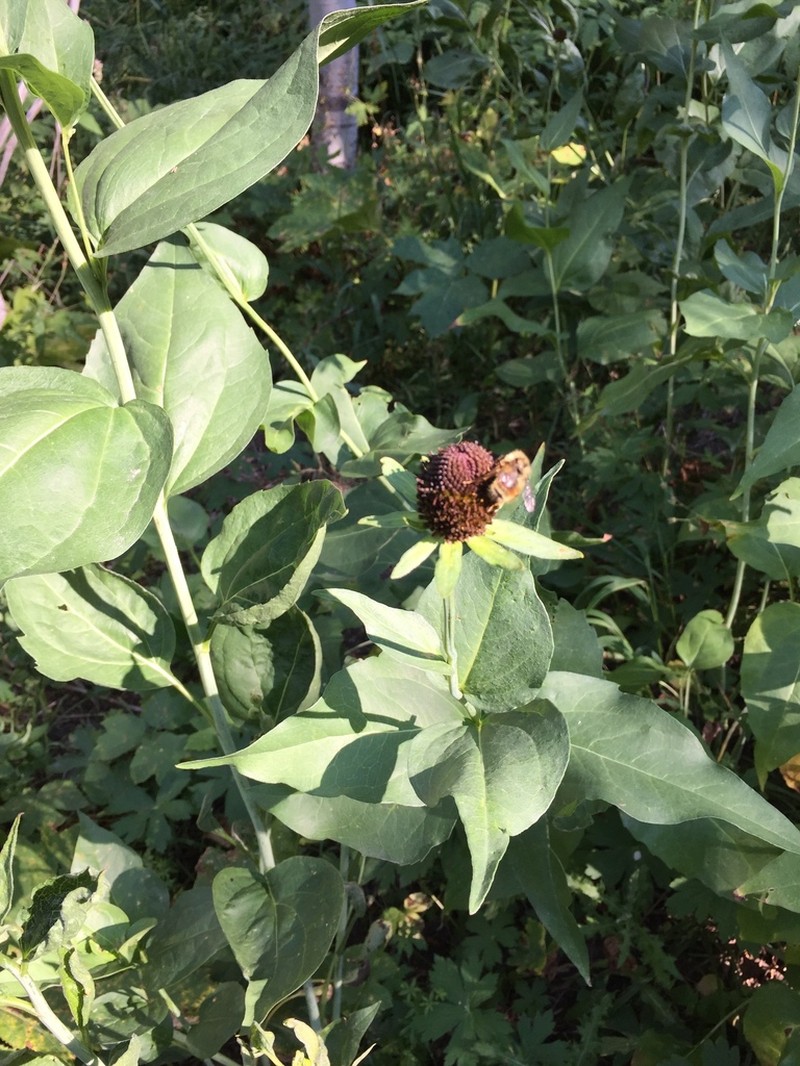
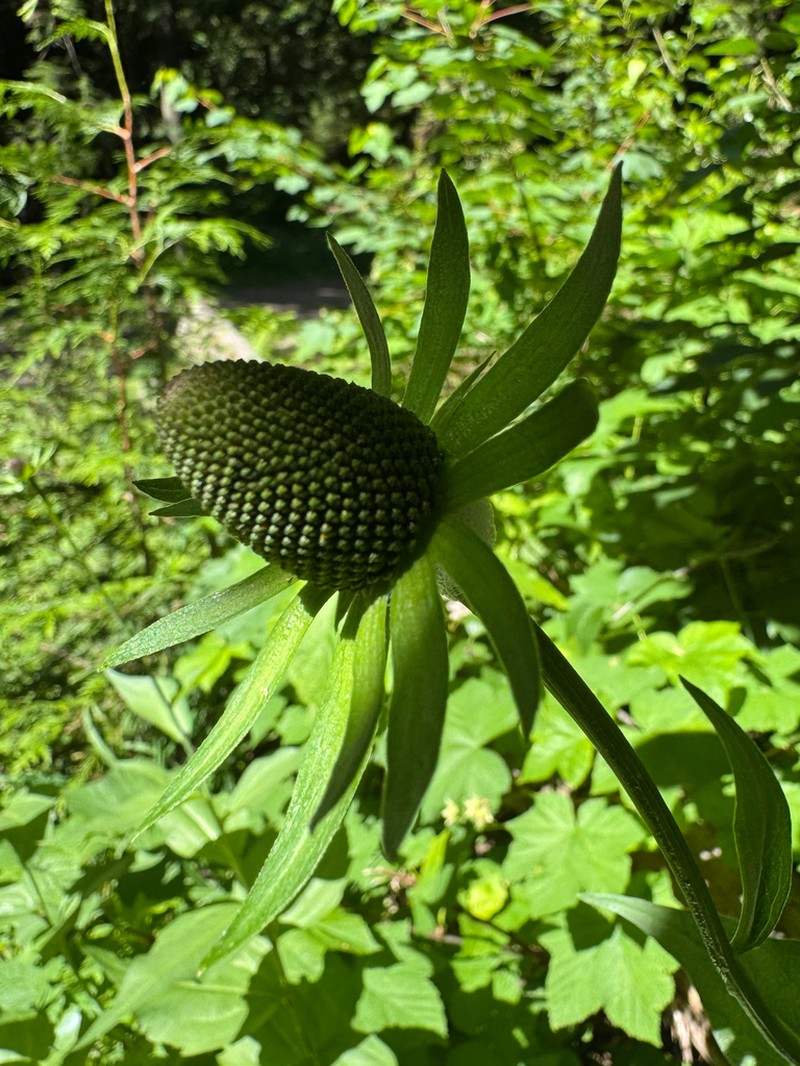
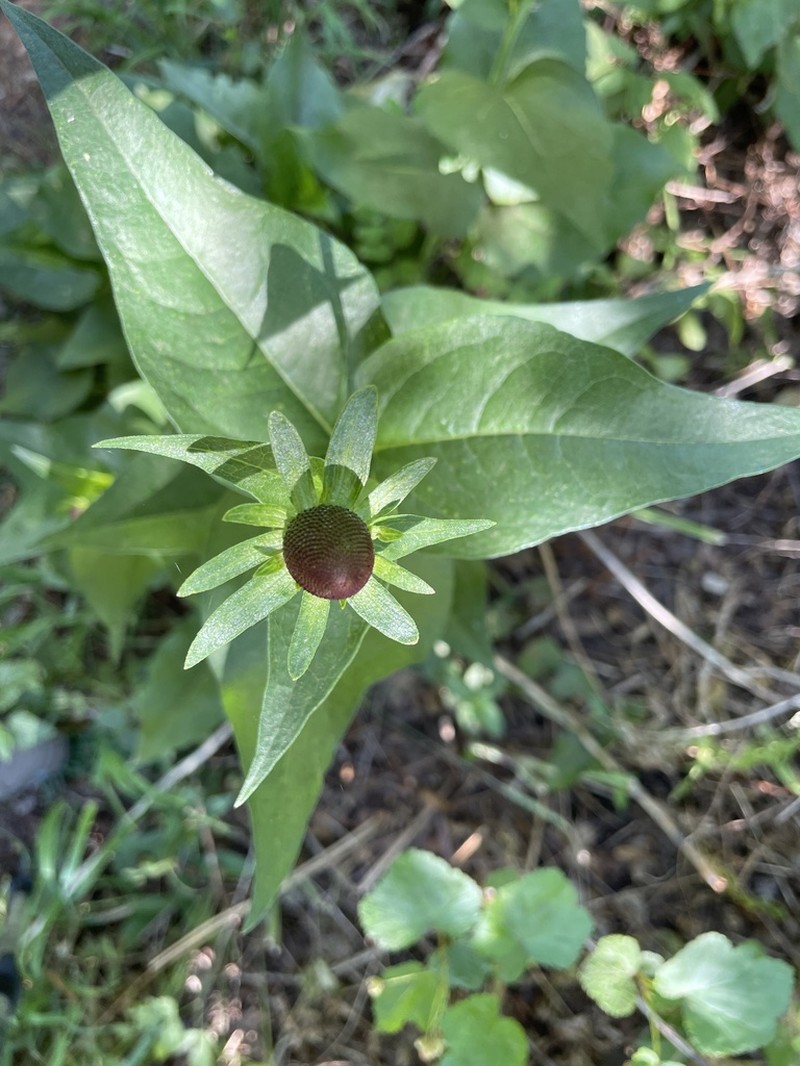
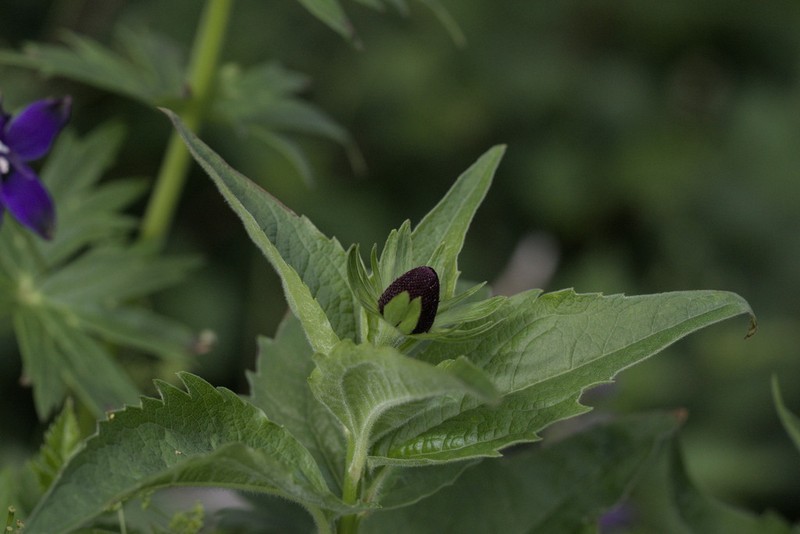
Western Coneflower
Rudbeckia occidentalis
- Native to:
- United States
Walter Siegmund (talk)
Taxonomy
- Division:
- Magnoliophyta | - Flowering plants
- Family:
- Asteraceae
- Genus:
- Rudbeckia
- Species:
- Rudbeckia occidentalis
- USDA Symbol:
- RUOC2
Growth Characteristics
- Life Cycle:
- Perennial
- Growth Habit:
- Forb/herb
- Height:
- 200 cm
- Light Requirements:
- Full Sun
- Drought Tolerance:
- Medium
- Bloom Months:
- jul,aug,sep
- Bloom Colors:
- brown, purple
Wildlife Benefits
- Bees:
- ★☆☆☆☆ Documented bee visitation (GBIF)
- Butterflies & Moths:
- ★☆☆☆☆ Documented Lepidoptera association (GBIF)
Keystone Species Ranking
- Caterpillar Keystone:
- ★★☆☆☆ Butterfly & moth species supported by this genus (NWF)
- Pollen Specialist Bee Keystone:
- ★★★★☆ Native pollen specialist bee species supported by this genus (NWF)
Reported Fauna Sightings
Bees: Black-tailed bumble bee (Bombus melanopygus), Central bumble bee (Bombus centralis), Fuzzy-horned bumble bee (Bombus mixtus), Indiscriminate cuckoo bumble bee (Bombus insularis), Red-belted bumble bee (Bombus rufocinctus), Two-form bumble bee (Bombus bifarius), van Dyke bumble bee (Bombus vandykei), Western bumble bee (Bombus occidentalis), White-shouldered bumble bee (Bombus appositus), Yellow bumble bee (Bombus fervidus), Yellow head bumble bee (Bombus flavifrons), Yellow-faced bumble bee (Bombus vosnesenskii)
Garden & Ecology Notes
- Wildlife Value:
- birds, butterflies
Soil Requirements
- Soil Type:
- rich, well-drained loamy soil
- pH:
- 5.5 - 7.0 (slightly acidic to neutral)
- Drainage:
- excellent drainage required
- Moisture:
- consistently moist
- Notes:
- prefers organic matter-rich environments
Propagation & Germination
- Stratification:
- Cold/moist stratification required — 30–60 days
- Germination Time:
- 14–30 days
- Notes:
- Seeds germinate readily after cold stratification; surface sow and keep moist.
Pre-treatment: Seeds are placed in fine mesh bags into a 1% hydrogen peroxide soak for 24 hours, rinsed, and placed in water for an additional 24 hours. The bags are placed in sealed containers in refrigeration at 1 to 3 °C for 90 days. Check seeds weekly for mold and treat with 1% hydrogen peroxide if necessary.
Establishment: R. occidentalis is found in streambanks and woods from the Great Plains to east of the Cascade mountains and the Western United States. There is no conflicting information in the protocols provided.
Source: npn.rngr.net
Where to Buy
Nationwide Seller
- Sheffield's Seed (seeds)
- Native Seed Group (seeds)
- Butterfield Seeds (seeds)