
Tall Ragwort
Senecio serra
- Native to:
- United States
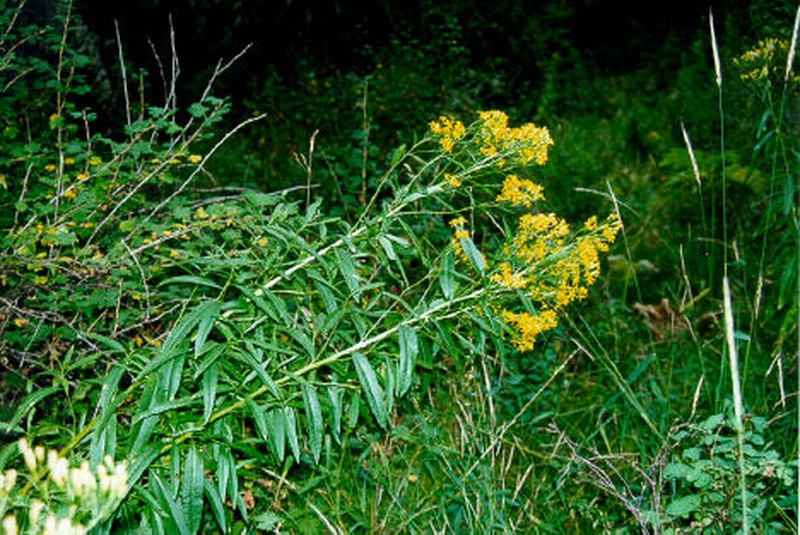
Unknown author Unknown author
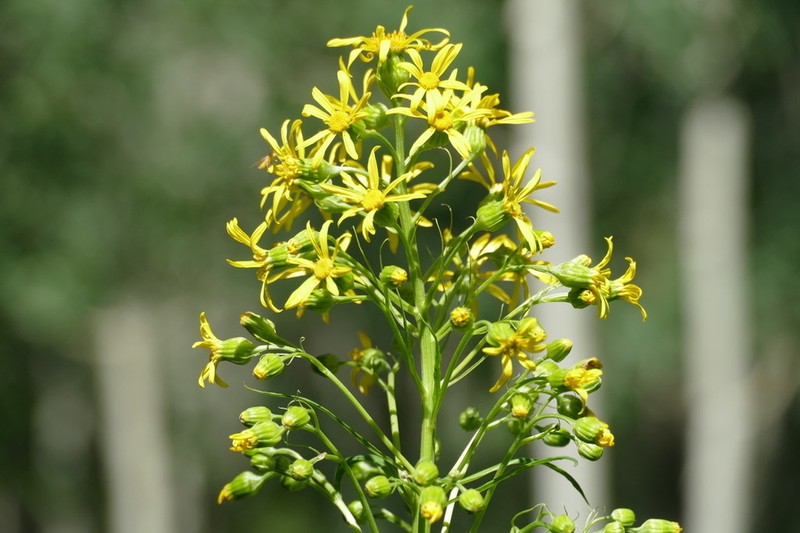
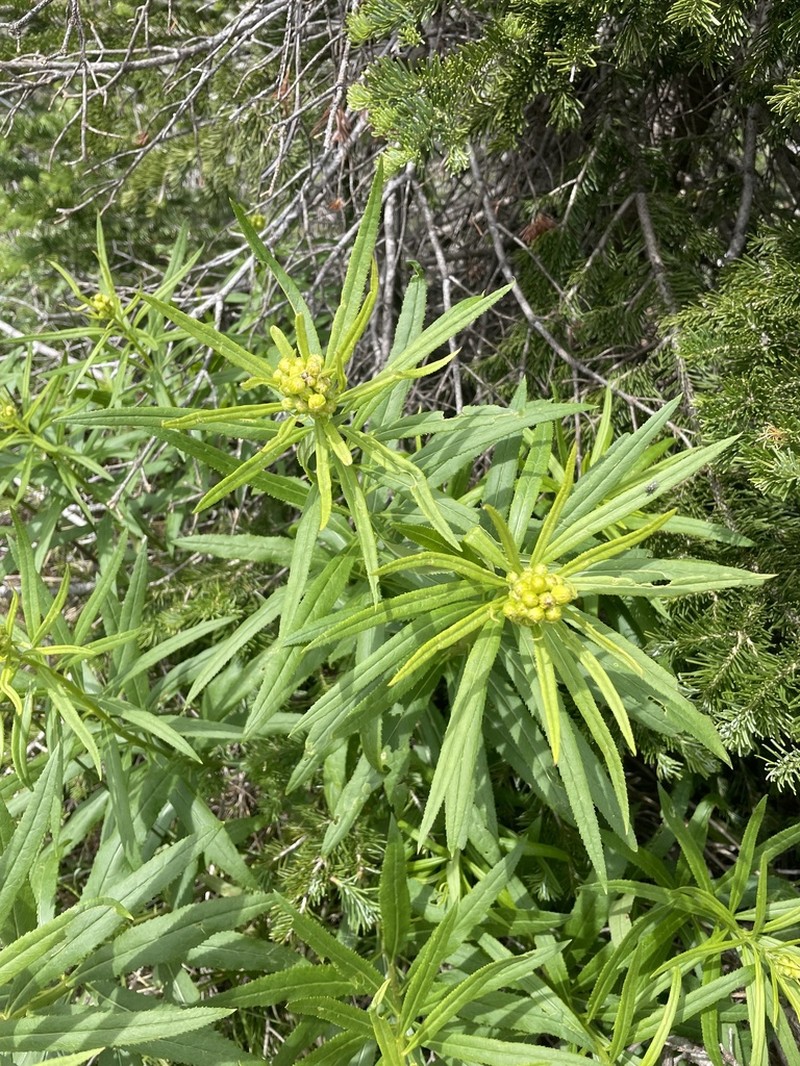
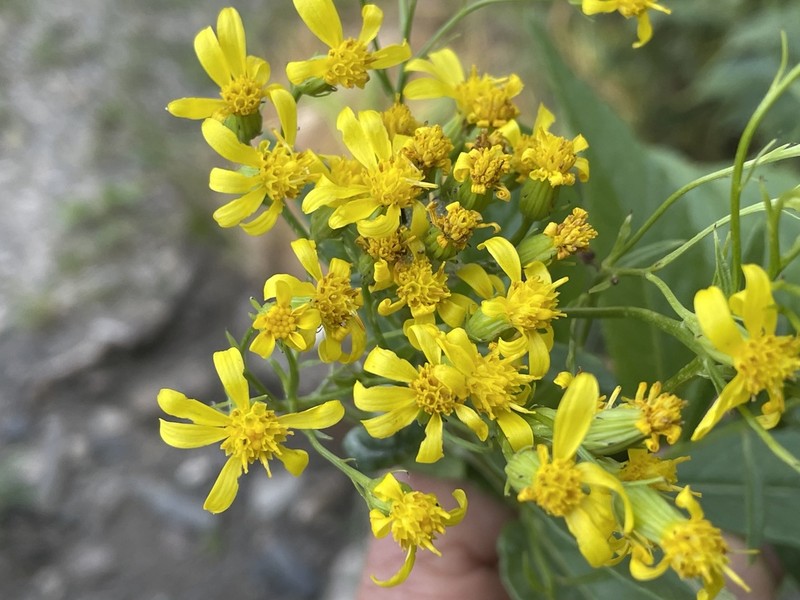
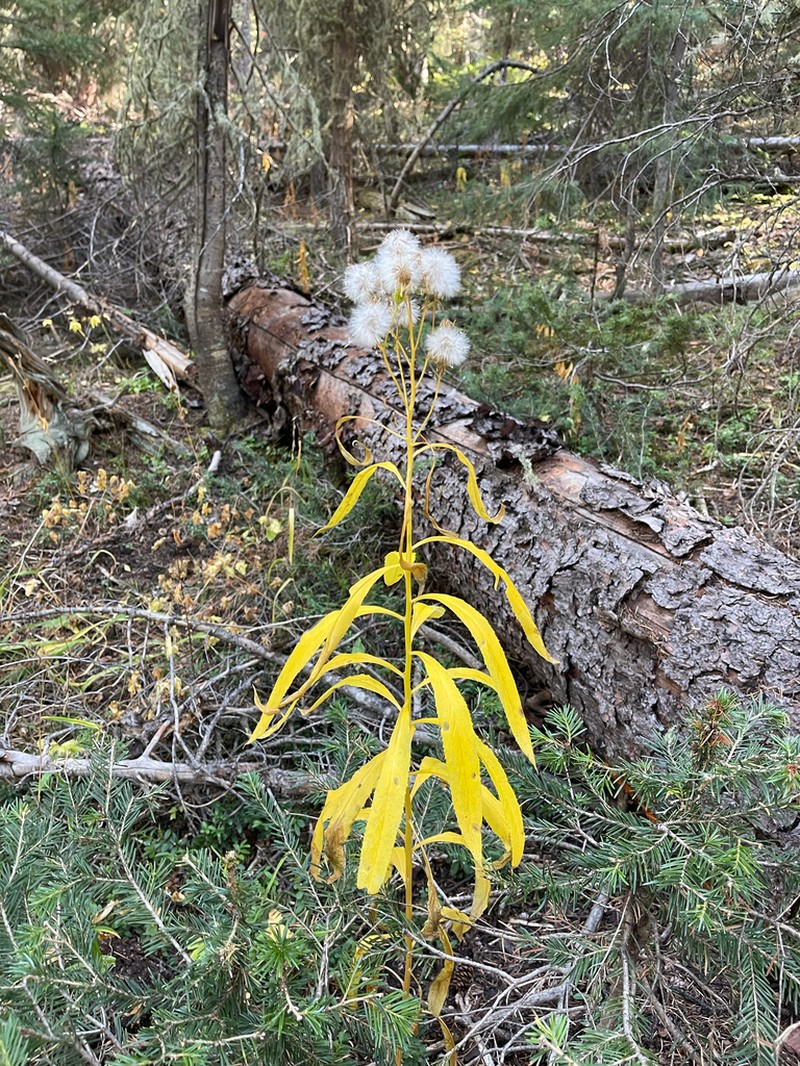
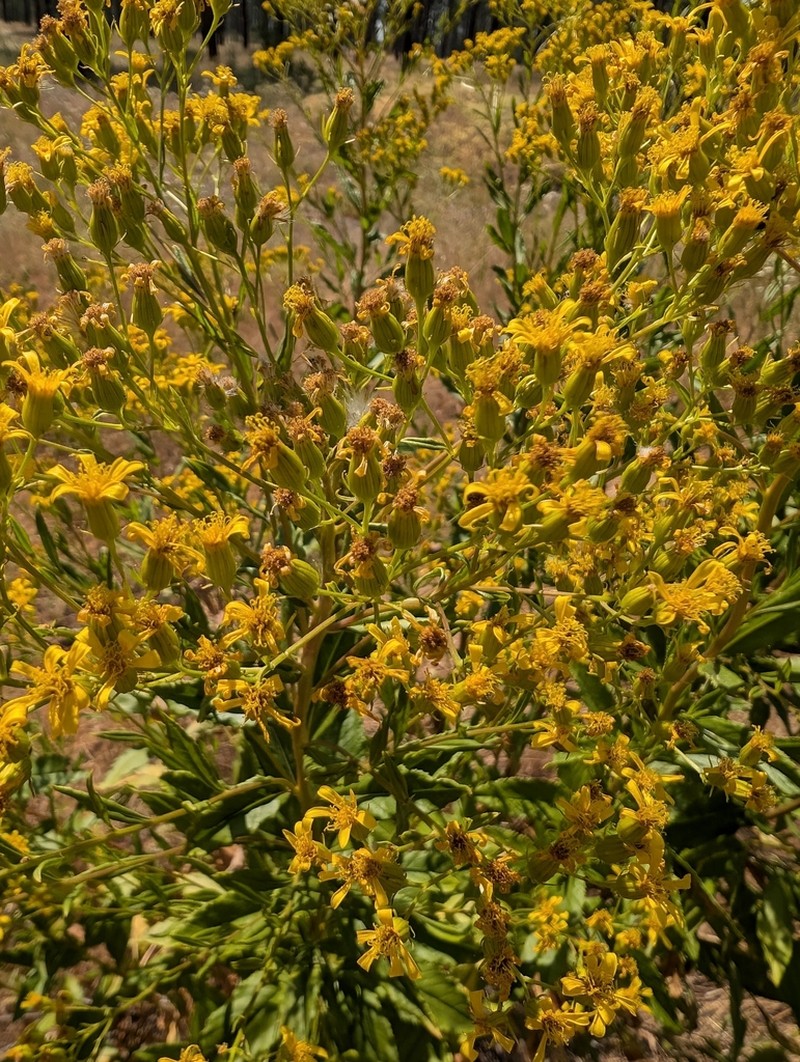
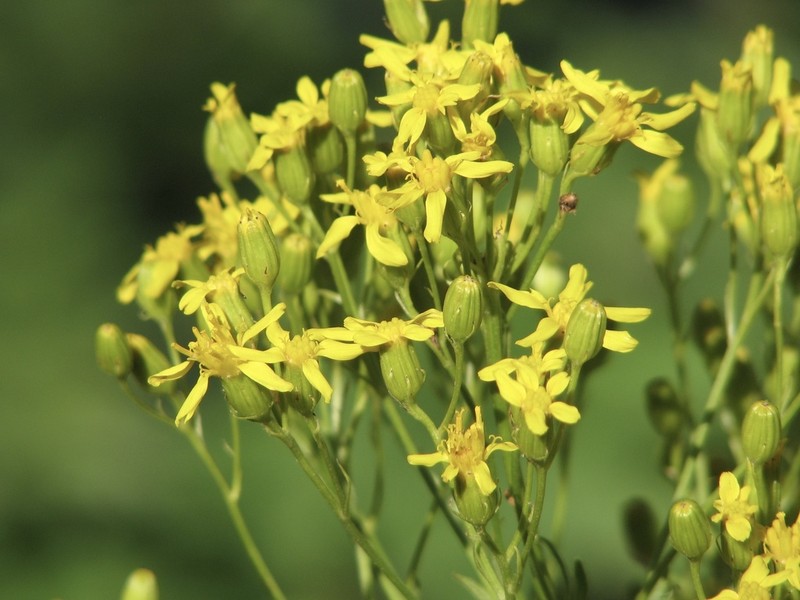
Taxonomy
- Division:
- Magnoliophyta | - Flowering plants
- Family:
- Asteraceae
- Genus:
- Senecio
- Species:
- Senecio serra
- USDA Symbol:
- SESE2
Growth Characteristics
- Life Cycle:
- Perennial
- Growth Habit:
- Forb/herb , Subshrub
- Height:
- 150 cm
- Light Requirements:
- Full Sun
- Drought Tolerance:
- Medium
- Bloom Months:
- jul,aug,sep
- Bloom Colors:
- yellow
Wildlife Benefits
- Bees:
- ★☆☆☆☆ Documented bee visitation (GBIF)
- Butterflies & Moths:
- ★☆☆☆☆ Documented Lepidoptera association (GBIF)
- Caterpillars:
- ★☆☆☆☆ Recorded caterpillar host plant (HOSTS Database)
Keystone Species Ranking
- Pollen Specialist Bee Keystone:
- ★★★★☆ Native pollen specialist bee species supported by this genus (NWF)
Host Plant for Caterpillars
Canadian agonopterix moth (Agonopterix canadensis), Phaneta elongana
Reported Fauna Sightings
Bees: Central bumble bee (Bombus centralis), Fernald cuckoo bumble bee (Bombus flavidus), Forest bumble bee (Bombus sylvicola), Fuzzy-horned bumble bee (Bombus mixtus), Indiscriminate cuckoo bumble bee (Bombus insularis), Red-belted bumble bee (Bombus rufocinctus), Two-form bumble bee (Bombus bifarius), Yellow head bumble bee (Bombus flavifrons)
Garden & Ecology Notes
- Wildlife Value:
- bees, butterflies
Soil Requirements
- Soil Type:
- well-drained, sandy or rocky soil
- pH:
- 6.0 - 8.0 (slightly acidic to neutral)
- Drainage:
- excellent drainage required
- Moisture:
- dry to moderate
- Notes:
- prefers open, sunny habitats
Propagation & Germination
- Stratification:
- Cold/moist stratification required — 30–60 days
- Germination Time:
- 14–30 days
- Notes:
- Seeds germinate readily after cold stratification; surface sow on moist soil.
Pre-treatment: Seeds should undergo cold moist stratification for 90 days for maximum germination. Some seeds may germinate without stratification, but the germination rate is significantly higher with stratification.
Establishment: Seeds are collected when the pappus begins to expand, usually in late July. The collection window is narrow as seeds are wind disseminated and must be collected before they blow away. Seeds remaining on the plants after most have been dispersed are generally not viable. Seeds can be collected using a vacuum cleaner to remove only mature seeds and reduce the amount of trash which subsequently must be cleaned from the seeds.
Source: npn.rngr.net