
Arrowleaf Ragwort
Senecio triangularis
- Native to:
- Canada, United States
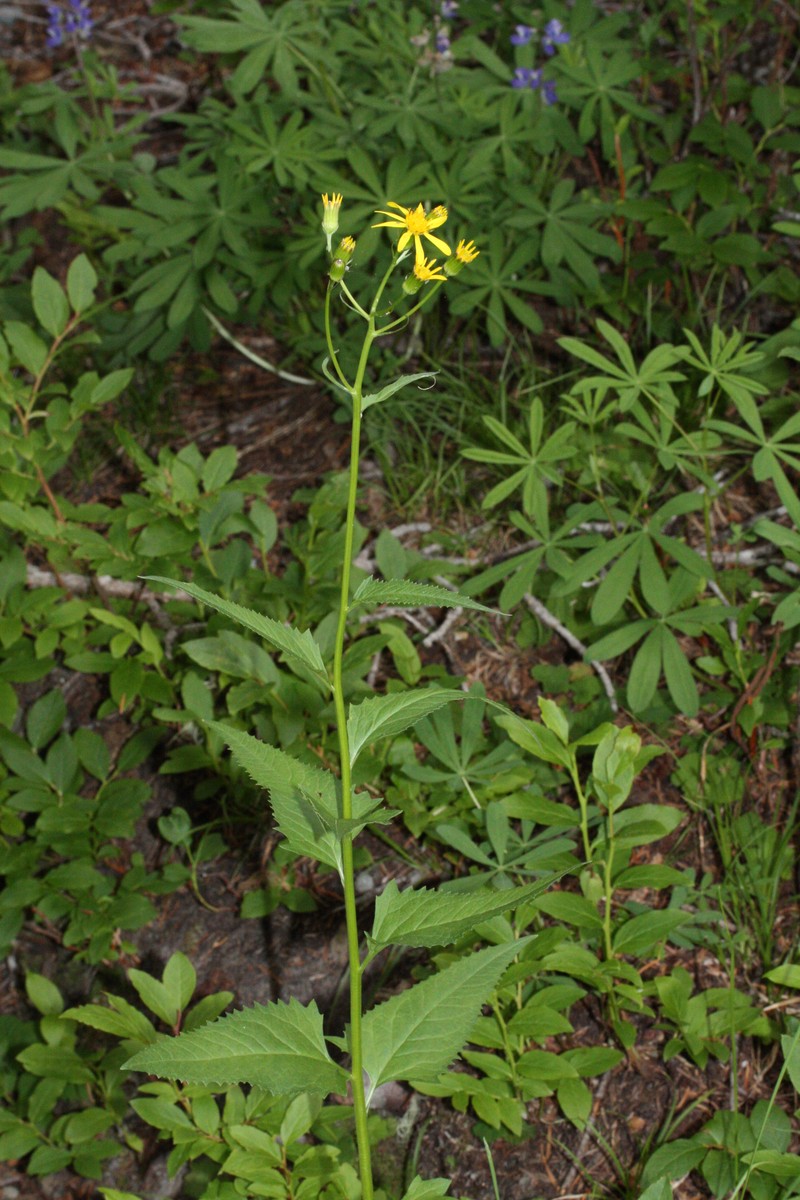
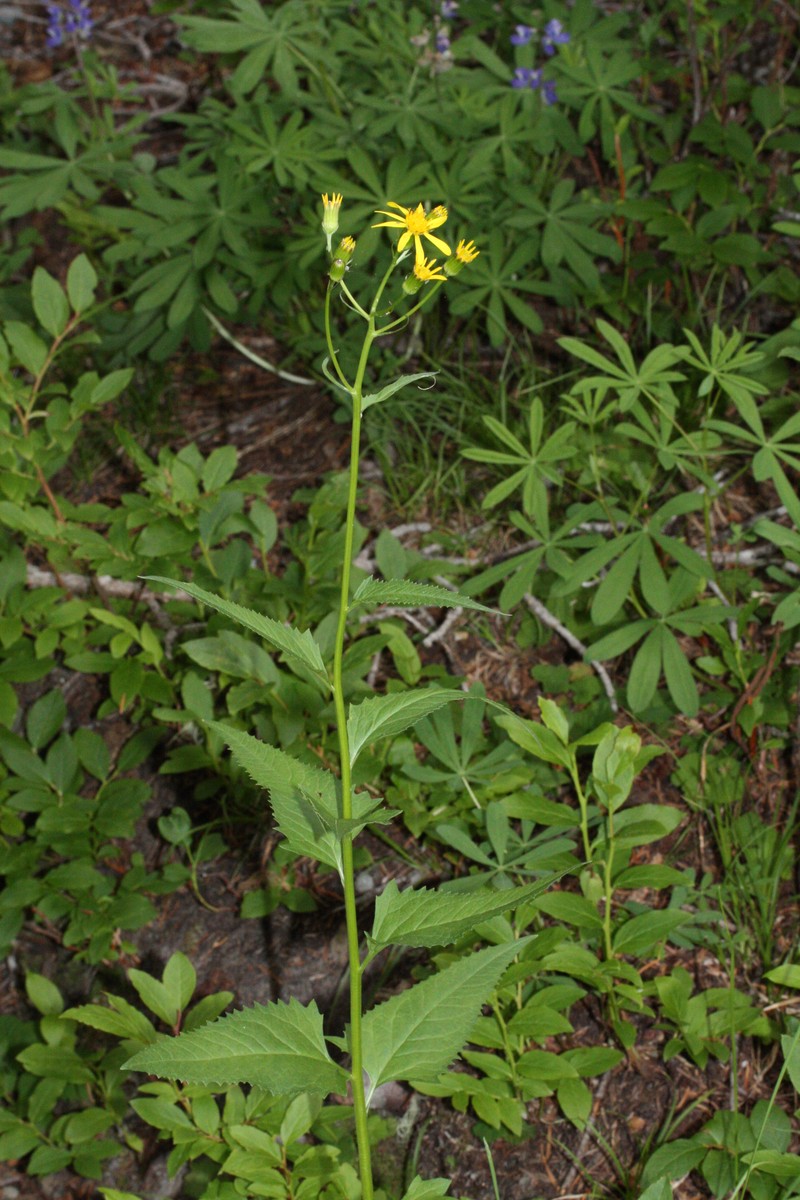
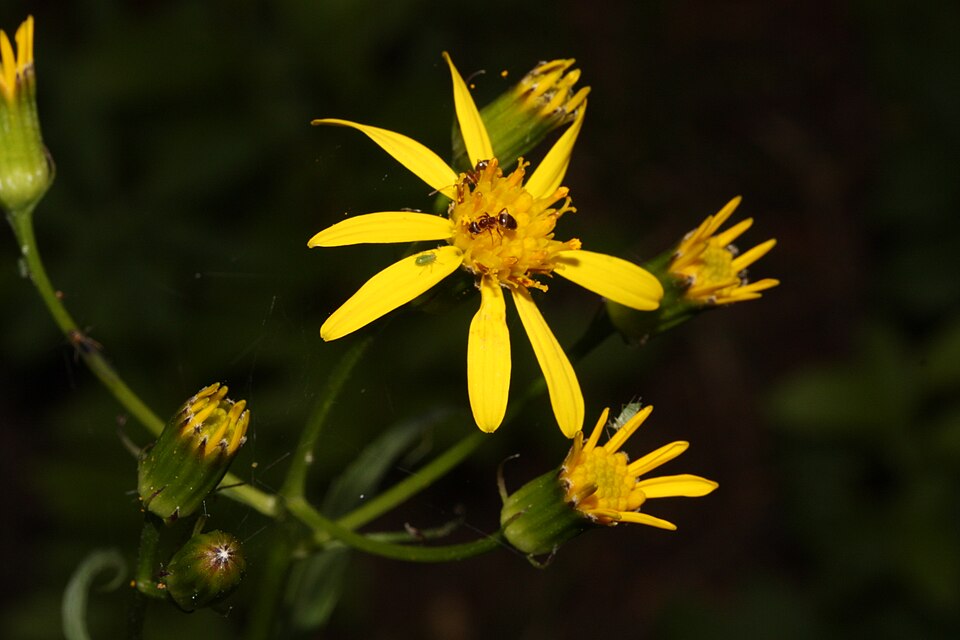
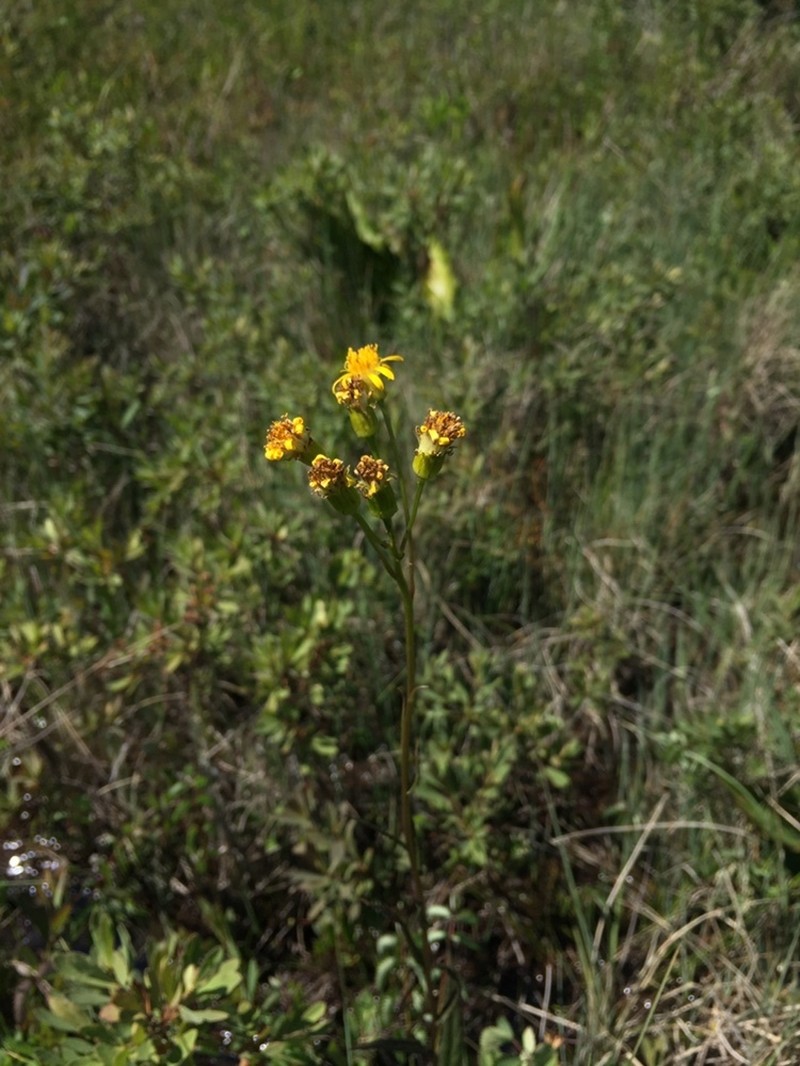
Walter Siegmund (talk)
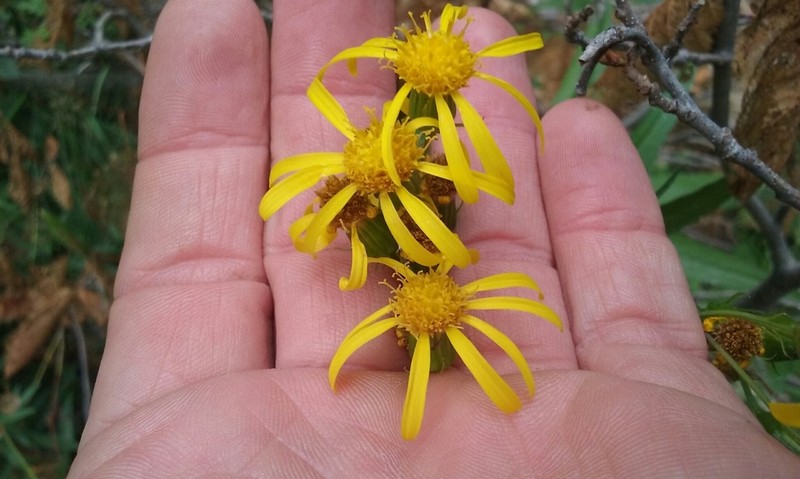
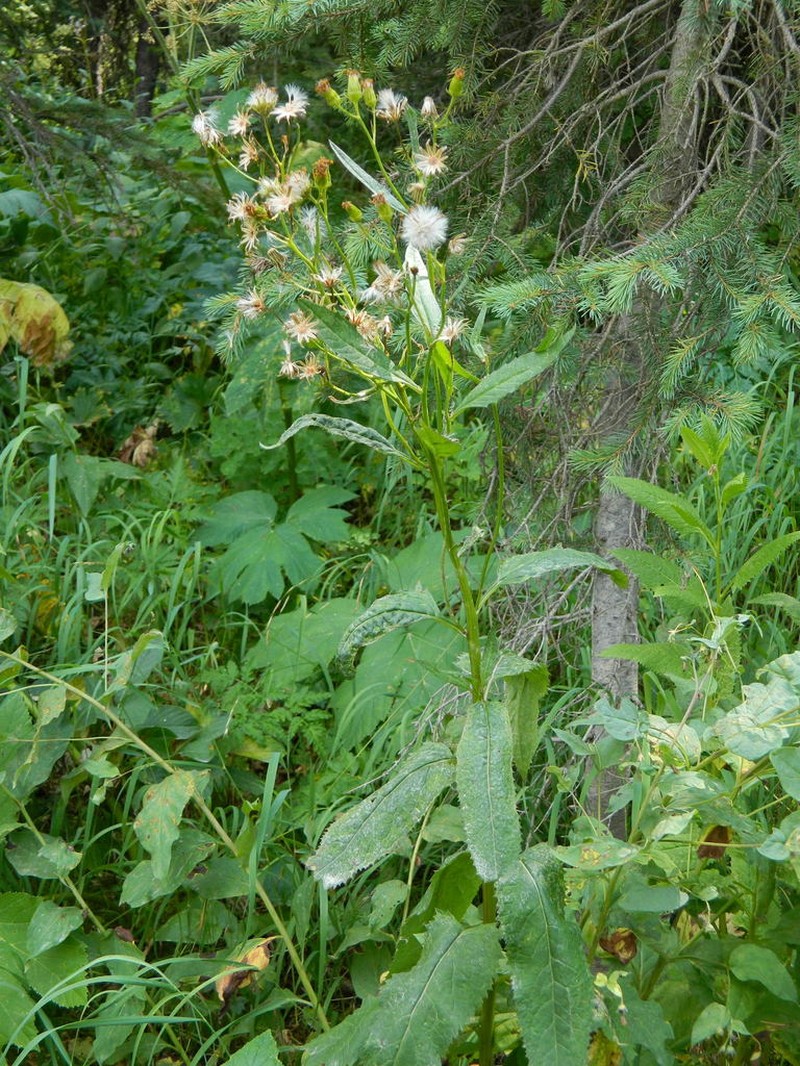
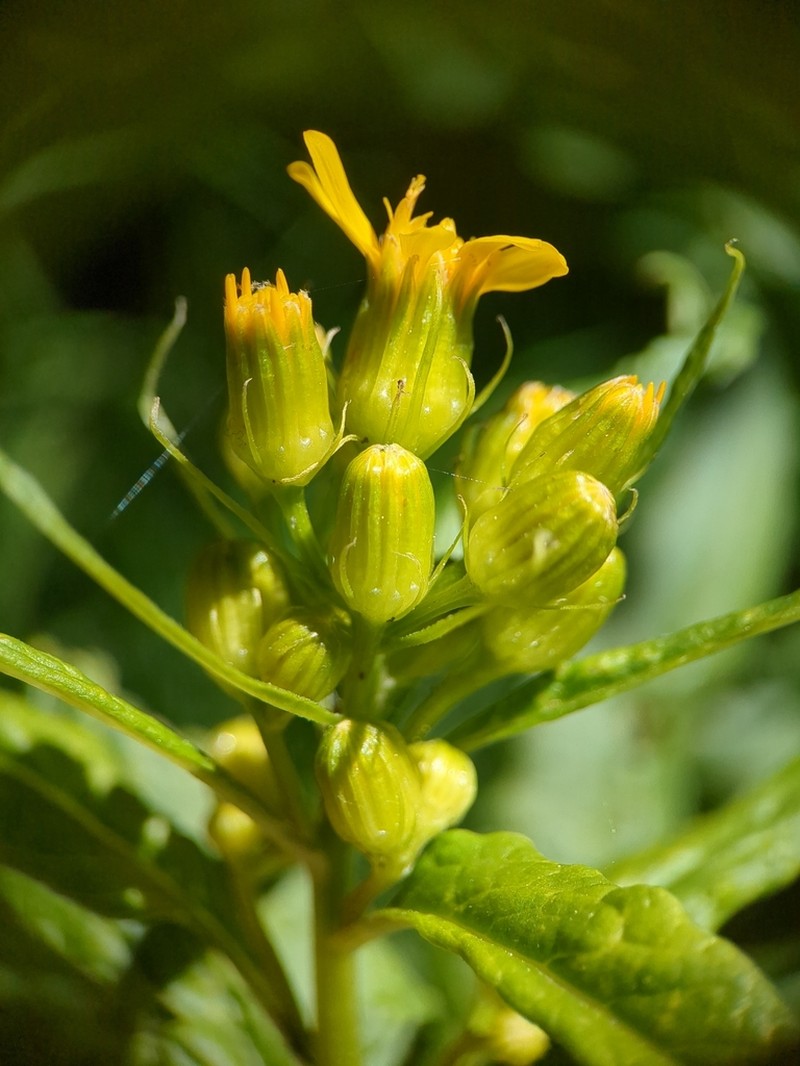
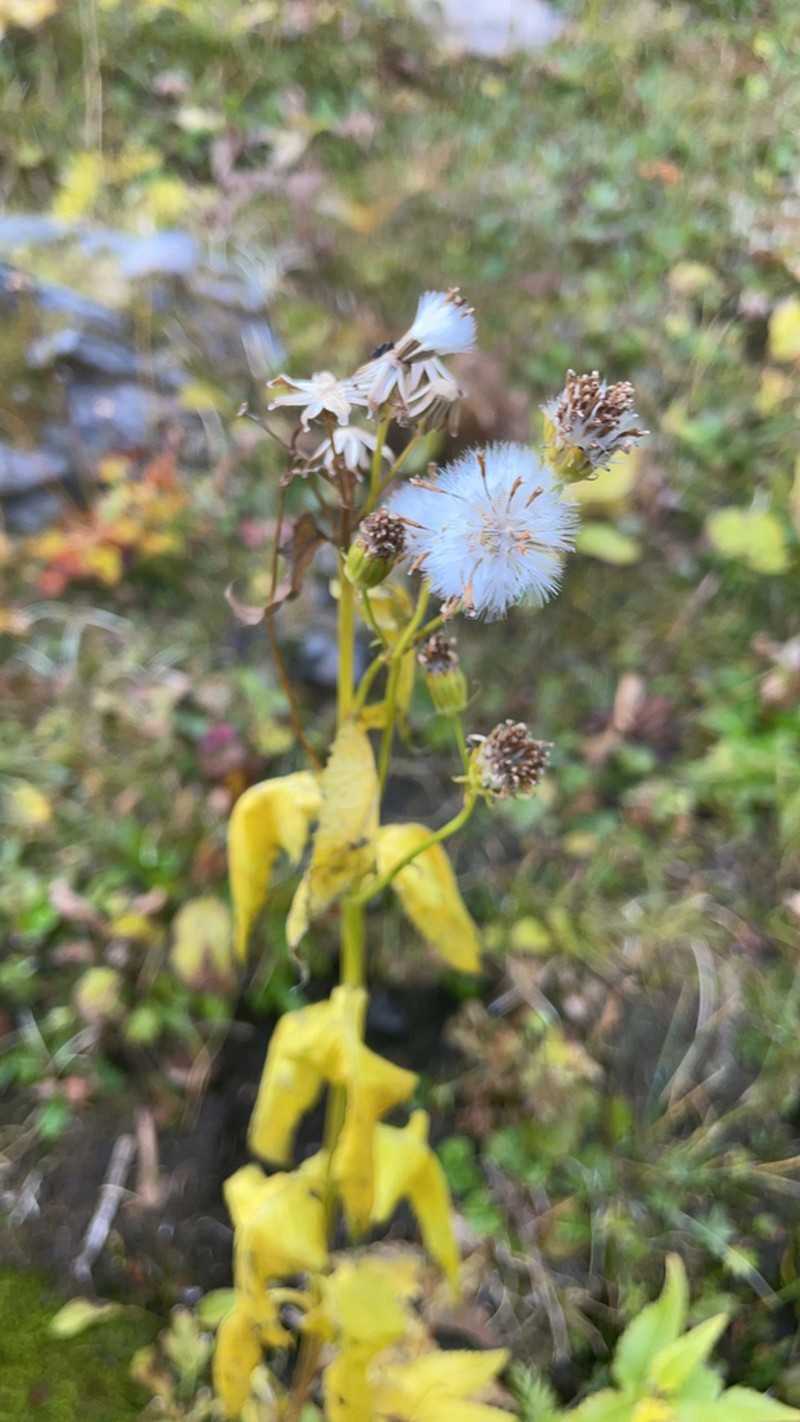
Taxonomy
- Division:
- Magnoliophyta | - Flowering plants
- Family:
- Asteraceae
- Genus:
- Senecio
- Species:
- Senecio triangularis
- USDA Symbol:
- SETR
Growth Characteristics
- Life Cycle:
- Perennial
- Growth Habit:
- Forb/herb , Subshrub
- Height:
- 150 cm
- Light Requirements:
- Part Shade
- Drought Tolerance:
- Low
- Bloom Months:
- jul,aug,sep
- Bloom Colors:
- yellow
Wildlife Benefits
- Bees:
- ★☆☆☆☆ Documented bee visitation (GBIF)
- Butterflies & Moths:
- ★☆☆☆☆ Documented Lepidoptera association (GBIF)
- Caterpillars:
- ★☆☆☆☆ Recorded caterpillar host plant (HOSTS Database)
Keystone Species Ranking
- Pollen Specialist Bee Keystone:
- ★★★★☆ Native pollen specialist bee species supported by this genus (NWF)
Host Plant for Caterpillars
Caloreas augustella, Palla (Charidryas palla)
Reported Fauna Sightings
Bees: Black-tailed bumble bee (Bombus melanopygus), Fernald cuckoo bumble bee (Bombus flavidus), Fuzzy-horned bumble bee (Bombus mixtus), Indiscriminate cuckoo bumble bee (Bombus insularis), Sitka bumble bee (Bombus sitkensis), Two-form bumble bee (Bombus bifarius), Yellow head bumble bee (Bombus flavifrons), Yellow-faced bumble bee (Bombus vosnesenskii) Moths:Cinnabar moth (Tyria jacobaeae)
Garden & Ecology Notes
- Wildlife Value:
- bees, butterflies
Soil Requirements
- Soil Type:
- moist, rich, well-drained loamy soil
- pH:
- 5.5 - 7.0 (slightly acidic to neutral)
- Drainage:
- good drainage preferred
- Moisture:
- consistently moist
- Notes:
- Commonly found near streams and wet meadows
Propagation & Germination
- Stratification:
- Cold/moist stratification required — 30–60 days
- Germination Time:
- 14–30 days
- Notes:
- Seeds germinate readily after cold stratification; surface sow on moist soil and keep cool.
Pre-treatment: 6-month cold moist chilling in a refrigerator maintained at 34 to 37°F or 5 month outdoor cold, moist stratification.
Establishment: This species is very responsive to decreasing light intensity with mean germination decreasing under partial and zero irradiance. There were also slight increases in seedling mortality from full irradiance to partial and zero irradiance. No appreciable gains in germination occurred after exposing the partial and zero irradiance groups to a secondary full irradiance. One protocol reported no germination, which conflicts with the other protocols.
Source: npn.rngr.net