
Dixie Whitetop Aster
Sericocarpus tortifolius
Also known as: Mojave woodyaster
- Native to:
- United States
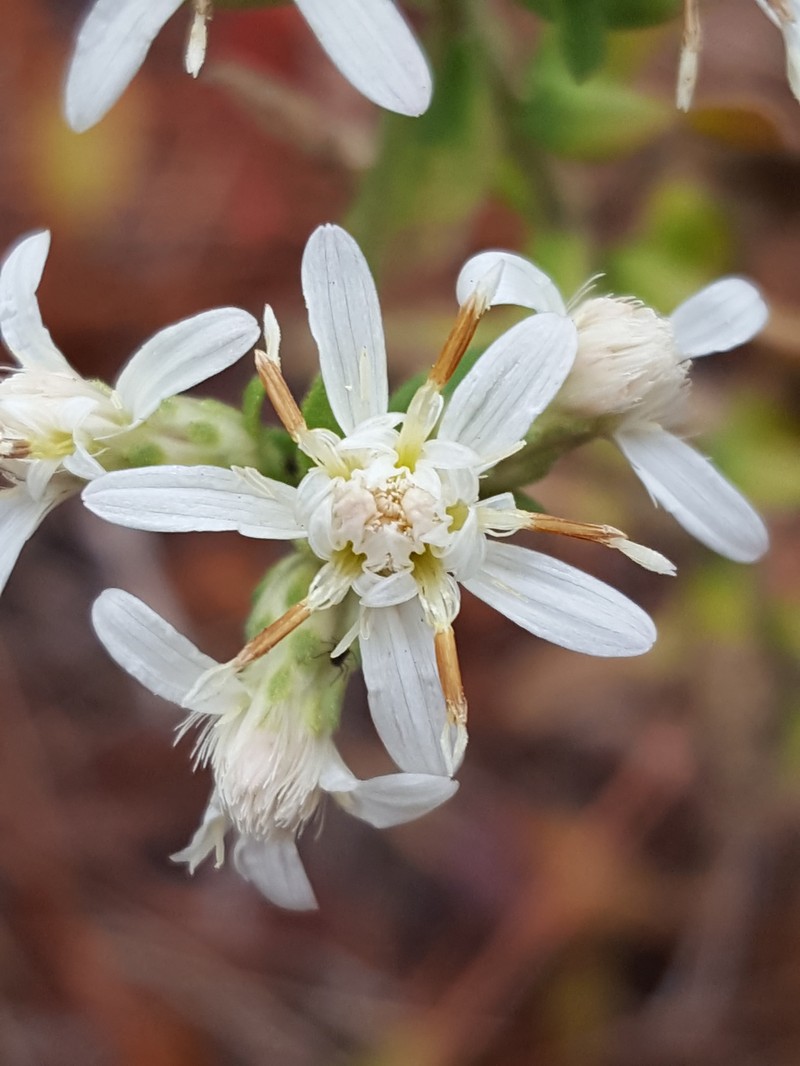
Alex Abair (www.inaturalist.org)
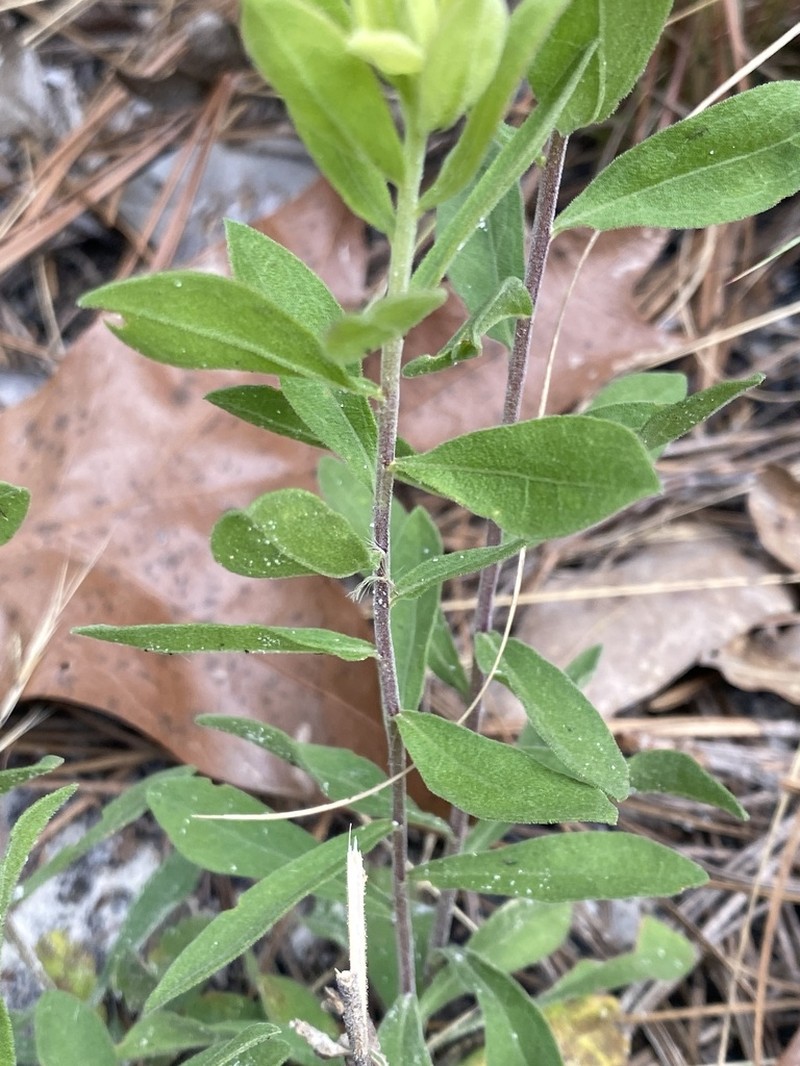
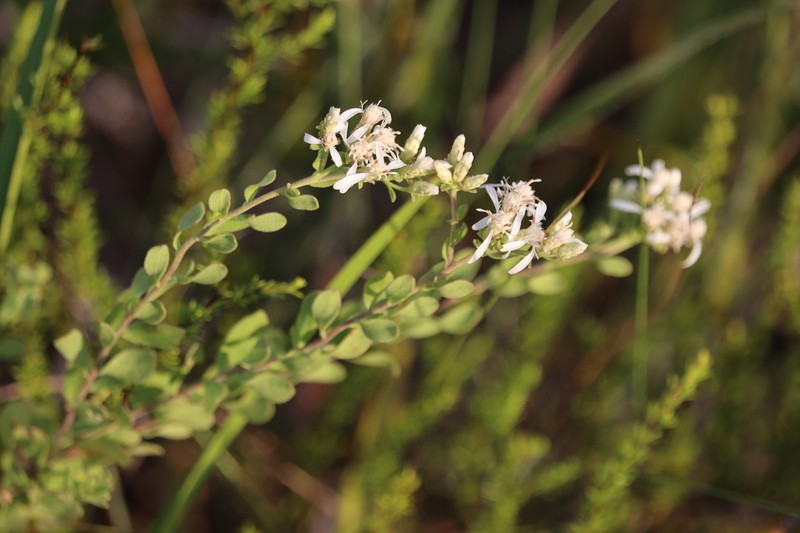
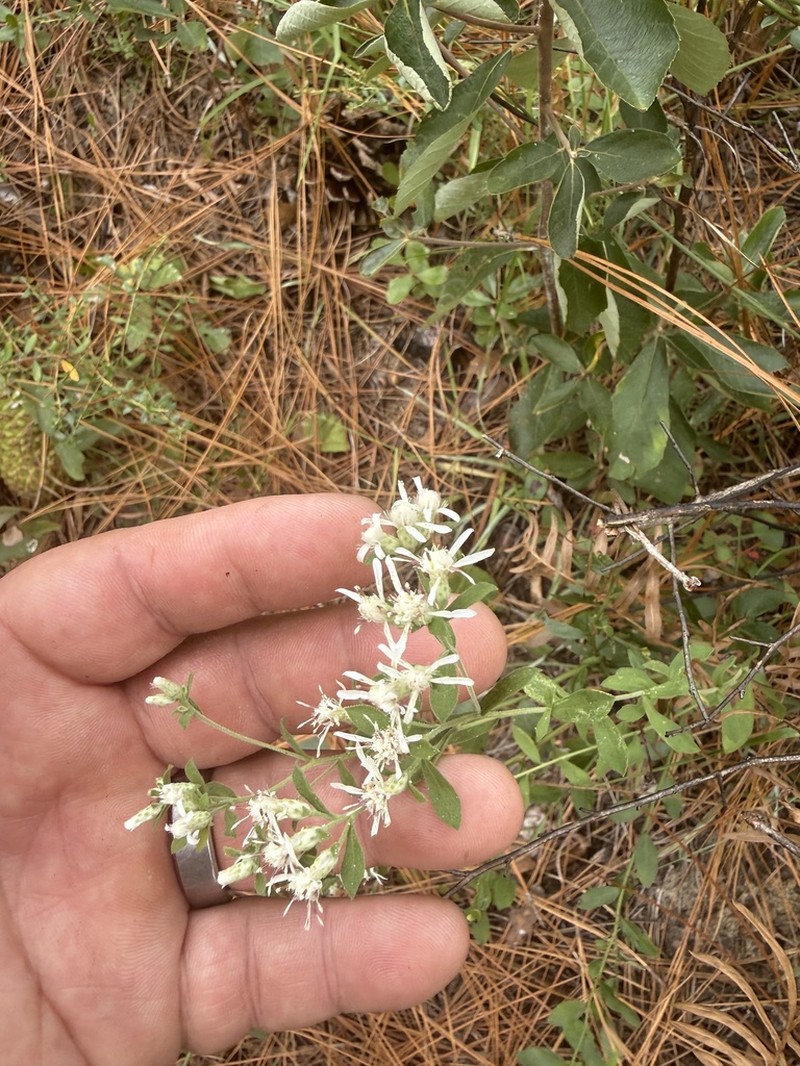
Taxonomy
- Division:
- Magnoliophyta | - Flowering plants
- Family:
- Asteraceae
- Genus:
- Sericocarpus
- Species:
- Sericocarpus tortifolius
- USDA Symbol:
- SETO7
Growth Characteristics
- Life Cycle:
- Perennial
- Growth Habit:
- Forb/herb
- Height:
- 100 cm
- Light Requirements:
- Full Sun
- Drought Tolerance:
- Medium
- Bloom Months:
- aug,sep,oct
- Bloom Colors:
- white
Wildlife Benefits
- Butterflies & Moths:
- ★☆☆☆☆ Documented Lepidoptera association (GBIF)
Garden & Ecology Notes
- Wildlife Value:
- butterflies
- Fire Ecology:
- Fire adapted — tolerates or benefits from fire
- Fire Notes:
- Occurs in fire-maintained pine savannas and sandhills; responds positively to fire.
Soil Requirements
- Soil Type:
- sandy, acidic, nutrient-poor soil
- pH:
- 5.5 - 6.5 (slightly acidic to neutral)
- Drainage:
- excellent drainage required
- Moisture:
- dry to moderate
Propagation & Germination
- Stratification:
- Cold/moist stratification required — 30–60 days
- Germination Time:
- 14–30 days
- Notes:
- Seeds germinate after cold stratification; sow in fall or stratify for 30-60 days.
Pre-treatment: None required
Establishment: The protocol does not provide specific information on propagation source, pre-treatment, establishment protocol, temperature, germination rate, or germination time for Alopecurus alpinus.
Source: npn.rngr.net