
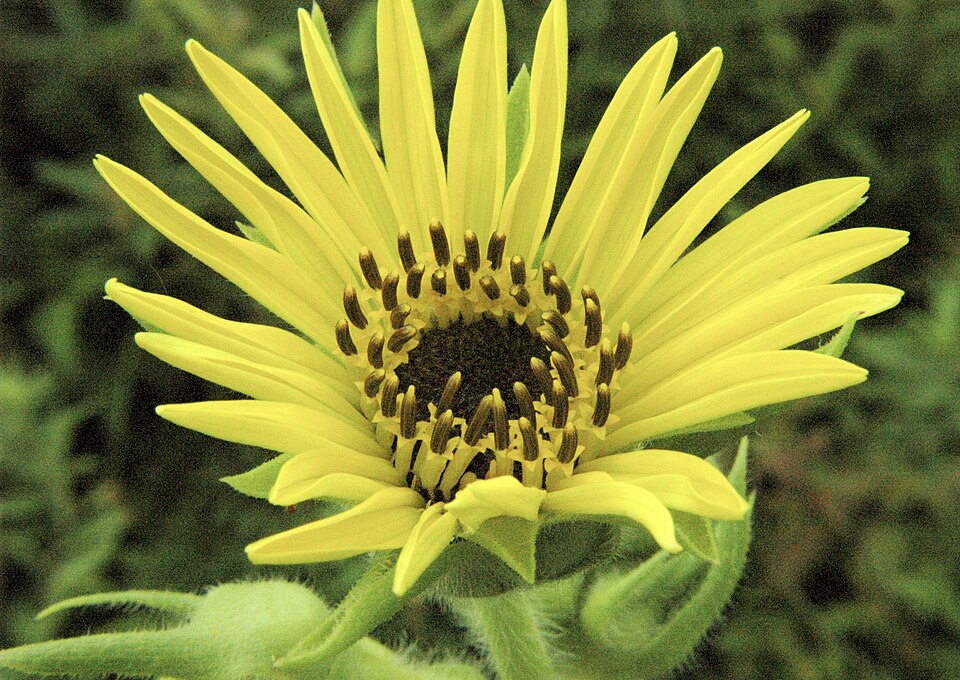
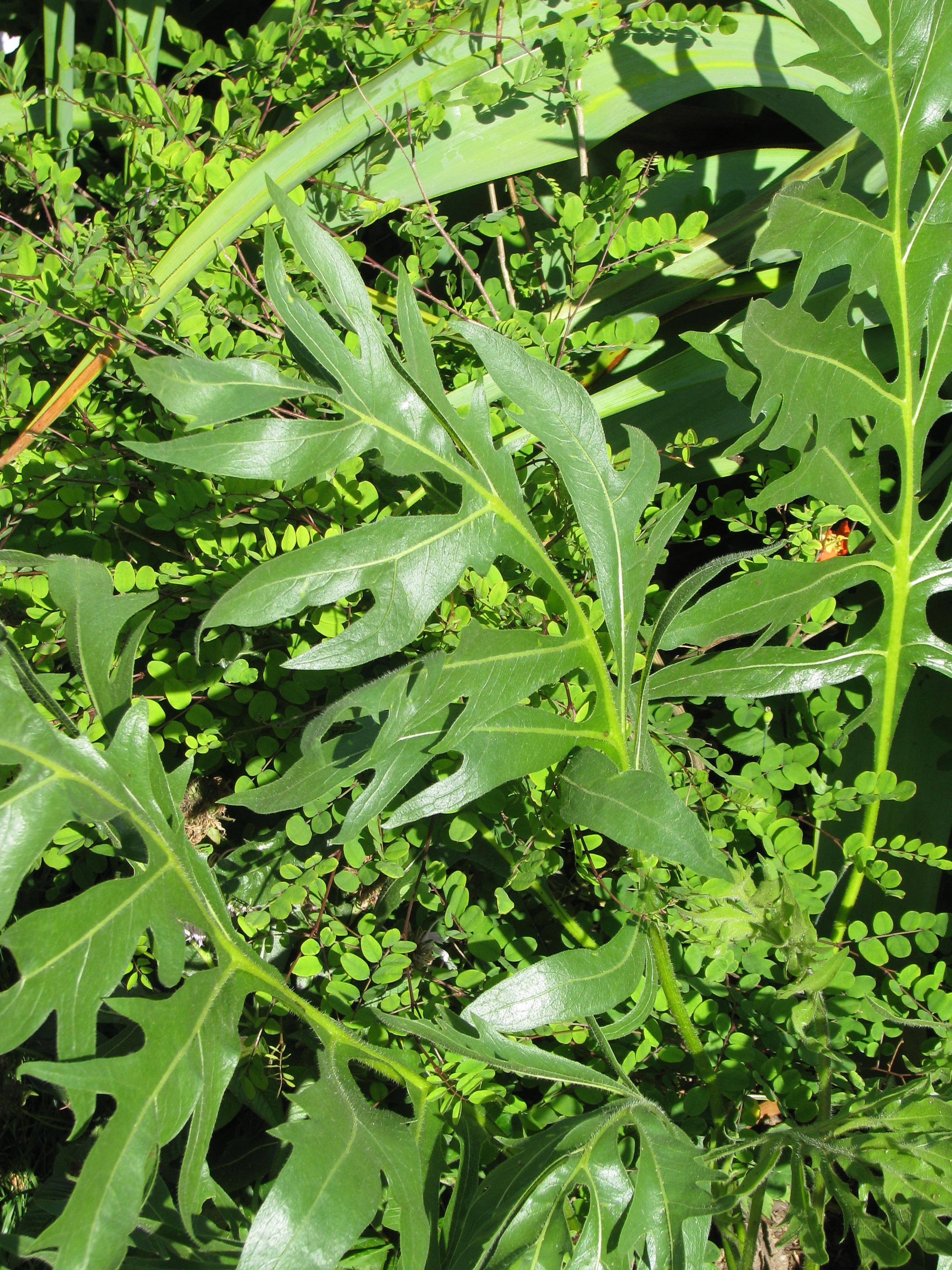
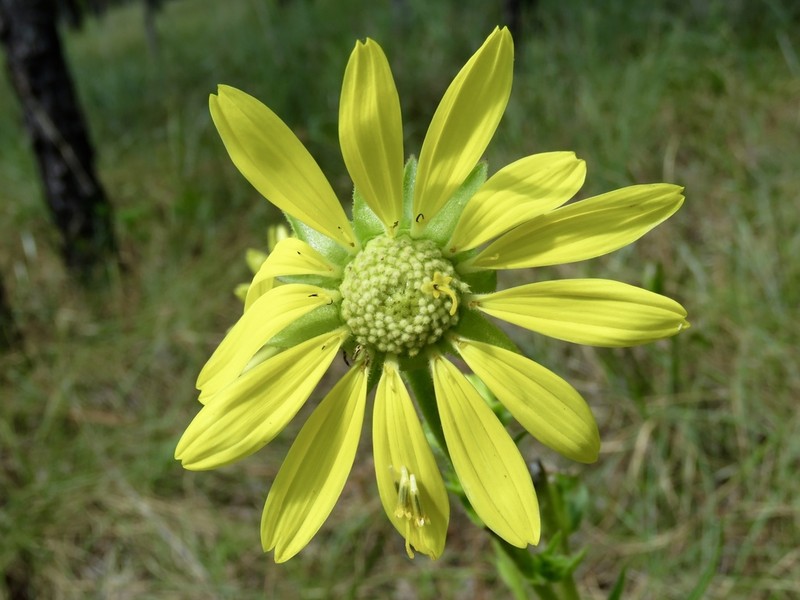
Compassplant
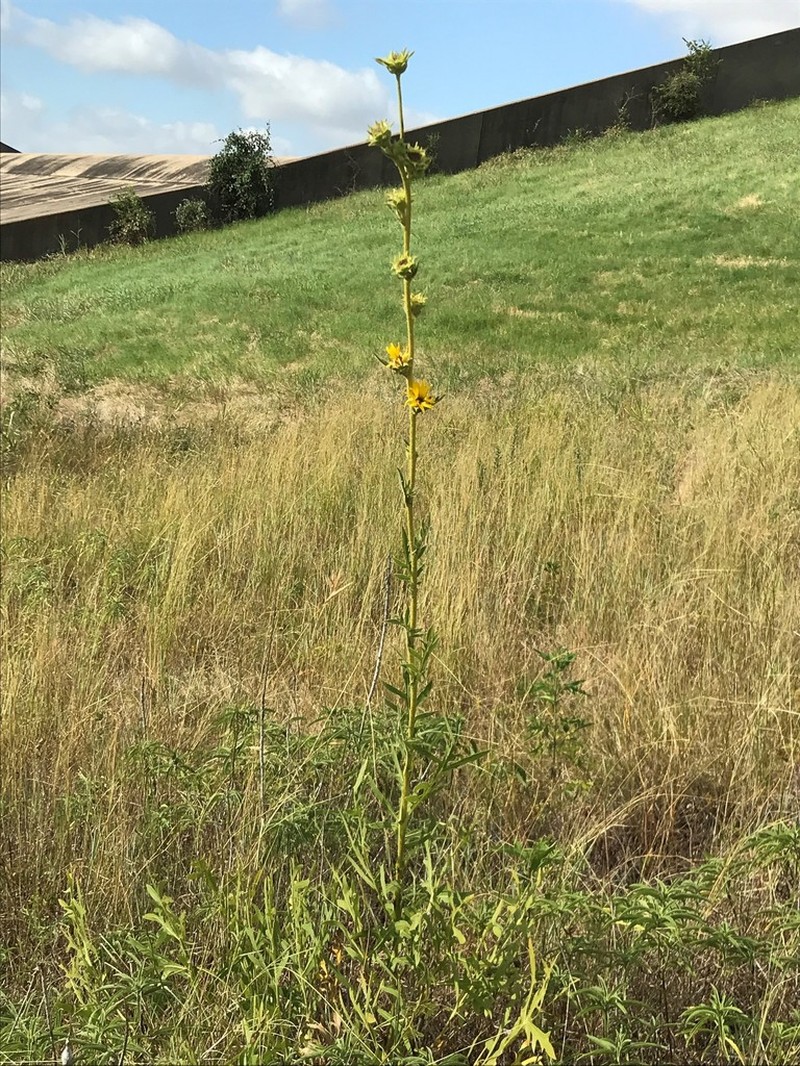
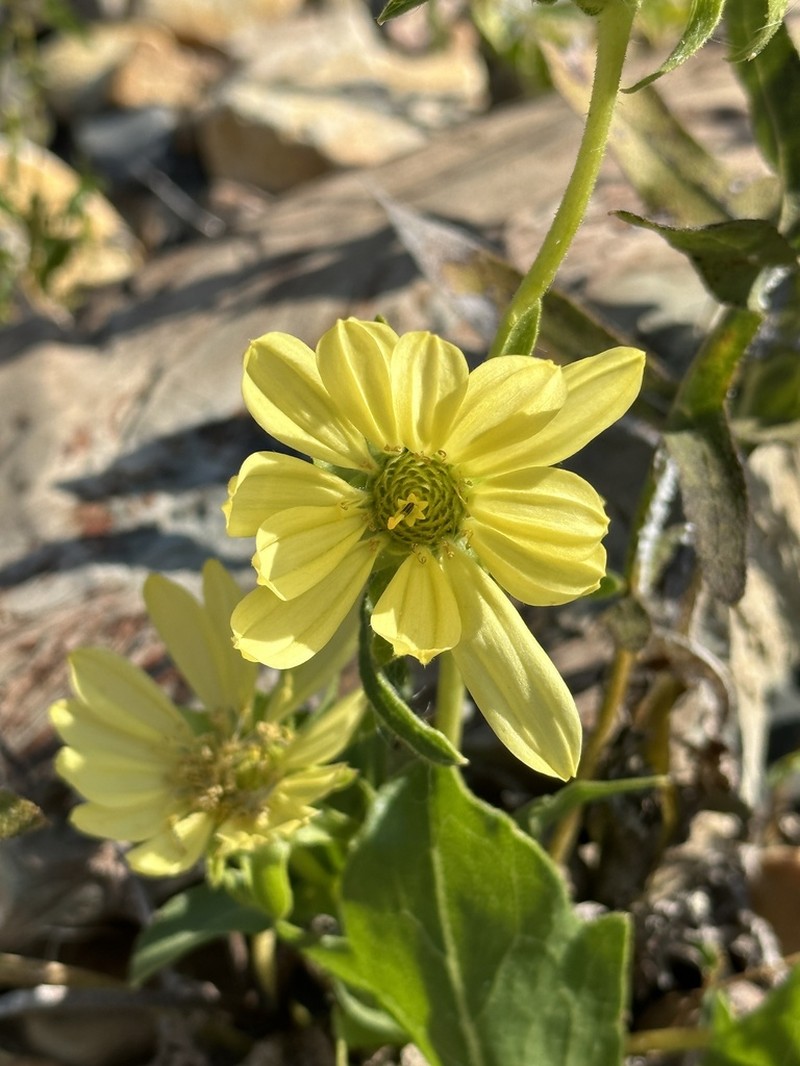
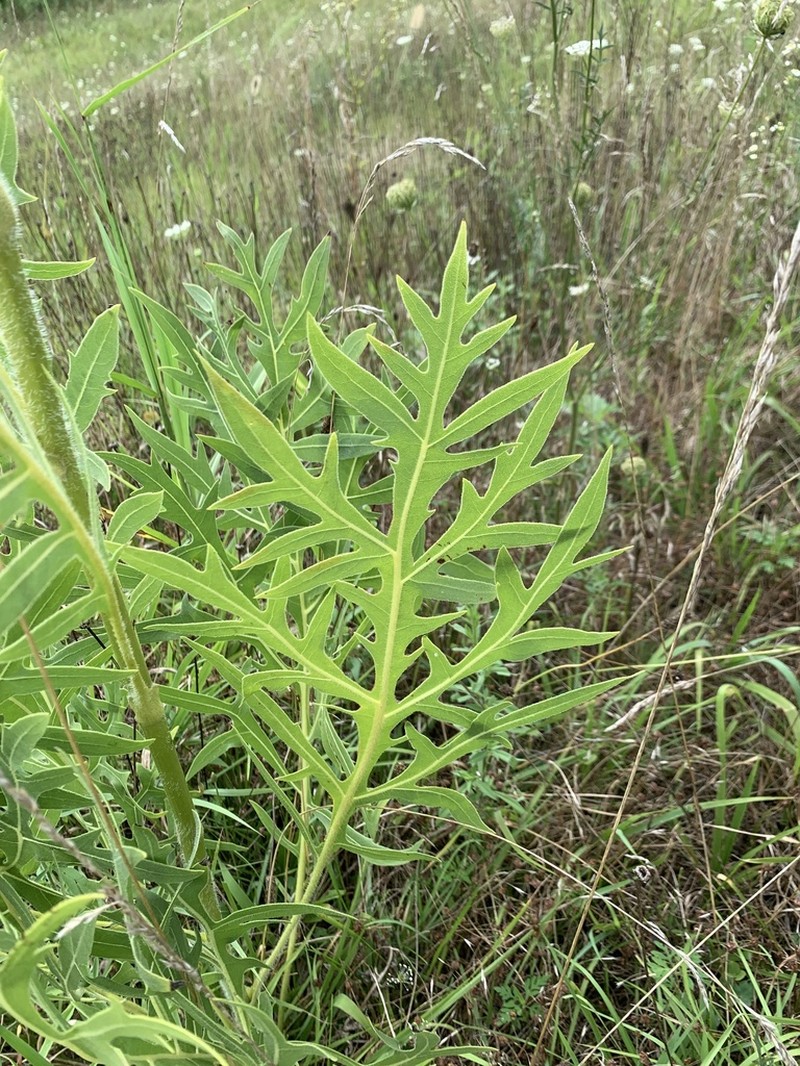
Silphium laciniatum
- Native to:
- Canada, United States
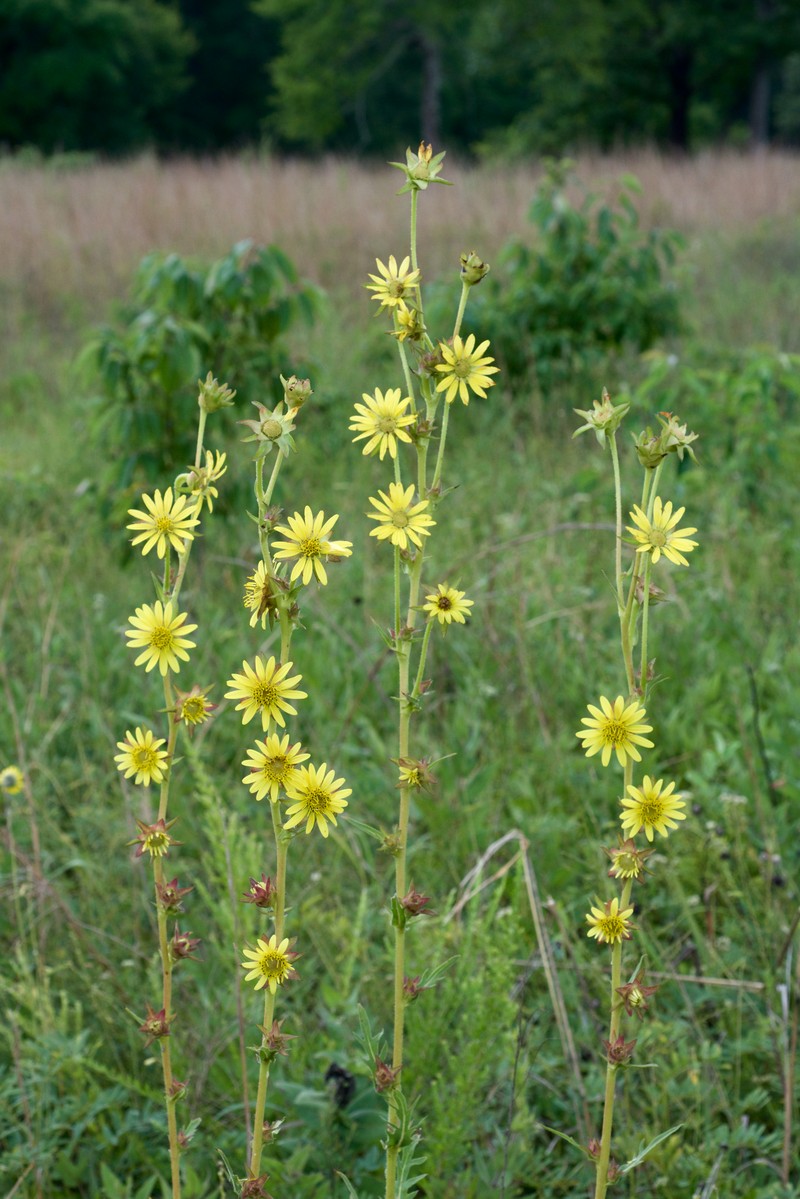
Eric Hunt
Taxonomy
- Division:
- Magnoliophyta | - Flowering plants
- Family:
- Asteraceae
- Genus:
- Silphium
- Species:
- Silphium laciniatum
- USDA Symbol:
- SILA3
Growth Characteristics
- Life Cycle:
- Perennial
- Growth Habit:
- Forb/herb
- Height:
- 300 cm
- Light Requirements:
- Full Sun
- Drought Tolerance:
- High
- Bloom Months:
- jul,aug,sep
- Bloom Colors:
- yellow
Wildlife Benefits
- Bees:
- ★☆☆☆☆ Documented bee visitation (GBIF)
- Butterflies & Moths:
- ★☆☆☆☆ Documented Lepidoptera association (GBIF)
- Caterpillars:
- ★☆☆☆☆ Recorded caterpillar host plant (HOSTS Database)
Keystone Species Ranking
- Pollen Specialist Bee Keystone:
- ★★☆☆☆ Native pollen specialist bee species supported by this genus (NWF)
Host Plant for Caterpillars
Eucosma bipunctella, silphius borer moth (Papaipema silphii)
Reported Fauna Sightings
Bees: American bumble bee (Bombus pensylvanicus), Black and gold bumble bee (Bombus auricomus), Common eastern (Bombus impatiens), 🛑Rusty-patched bumble (Bombus affinis) Moths:silphius borer moth (Papaipema silphii)
Garden & Ecology Notes
- Wildlife Value:
- birds, butterflies, bees
- Fire Ecology:
- Fire adapted — tolerates or benefits from fire
- Fire Notes:
- Tolerates fire; resprouts from root crown after low-intensity burns.
Soil Requirements
- Soil Type:
- rich, well-drained loamy soil
- pH:
- 6.0 - 7.5 (slightly acidic to neutral)
- Drainage:
- excellent drainage required
- Moisture:
- dry to moderate
- Notes:
- native to prairies and open woodlands
Propagation & Germination
- Stratification:
- Cold/moist stratification required — 60–90 days
- Germination Time:
- 14–30 days
- Notes:
- Seeds benefit from cold moist stratification for 60-90 days; germination occurs in spring.
Pre-treatment: Seeds are placed in cold moist stratification for 150 days or field seed is planted in the fall without cold storage.
Establishment: Seed is collected by hand from nursery stock. The plant flowers from approx. June 27 to August 20. Seed is harvested about August 25. The species is found from Ohio to Alabama west to the Great Plains states.
Source: npn.rngr.net
ORGHPS Germination Guide: Expose to fluctuating outdoor winter temps incl. freezing for 3 months. Increase light/temp in spring.
Where to Buy
Nationwide Seller
- Pizzo Native Plant Nursery (wholesale nursery)
- Native Plants Nursery (nursery)
- Prairie Moon Nursery (nursery and seeds)