
Cup Plant
Silphium perfoliatum
- Native to:
- Canada, United States, Virgin Islands
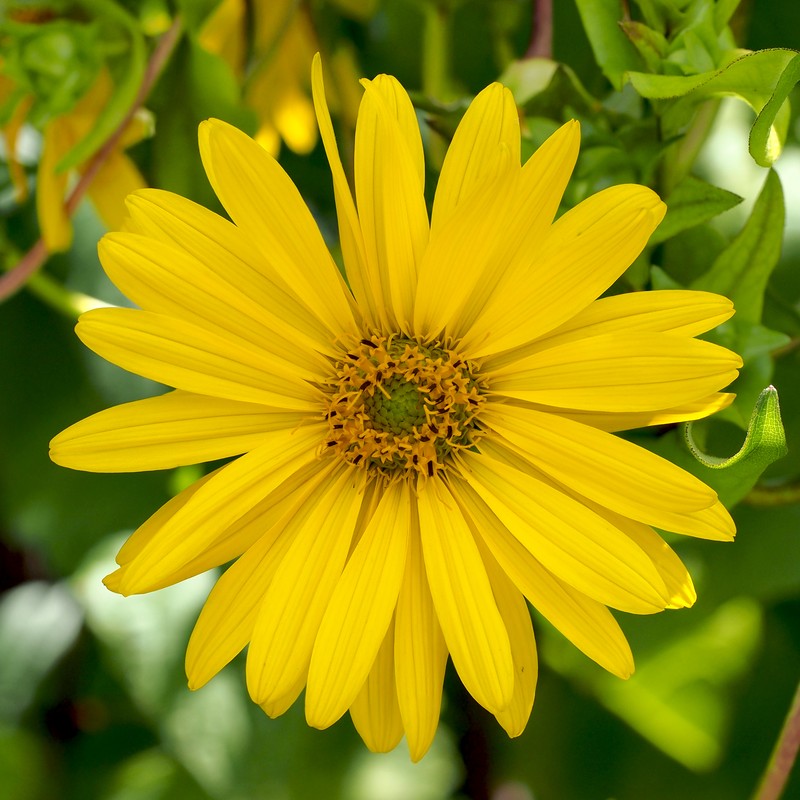
Petar Milošević
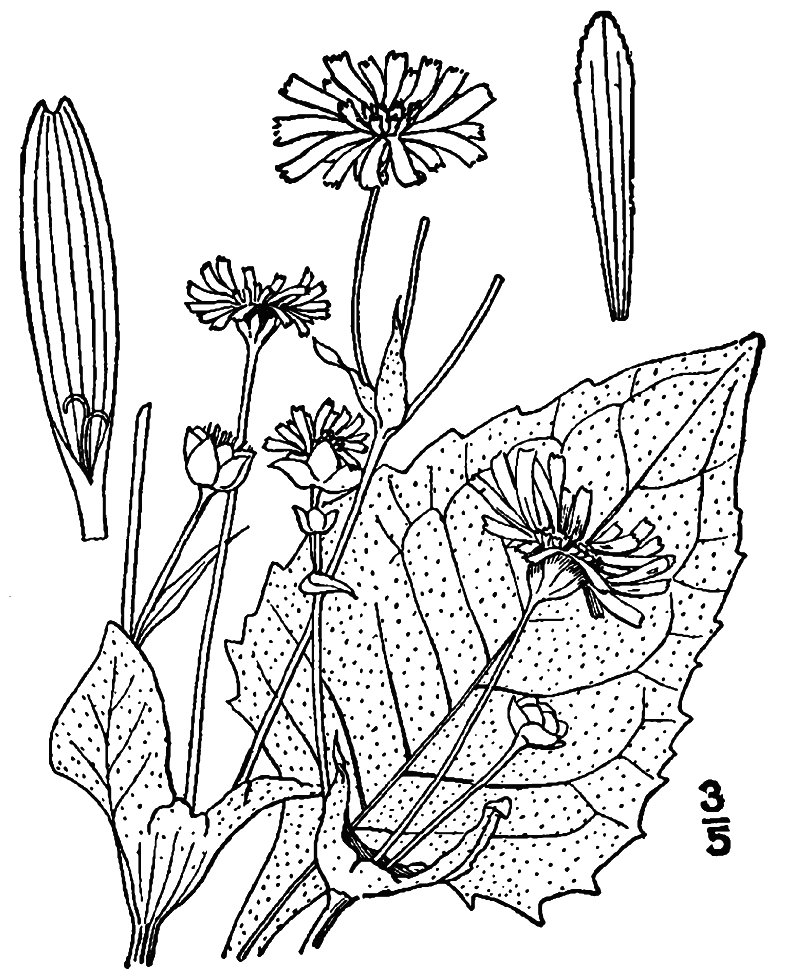
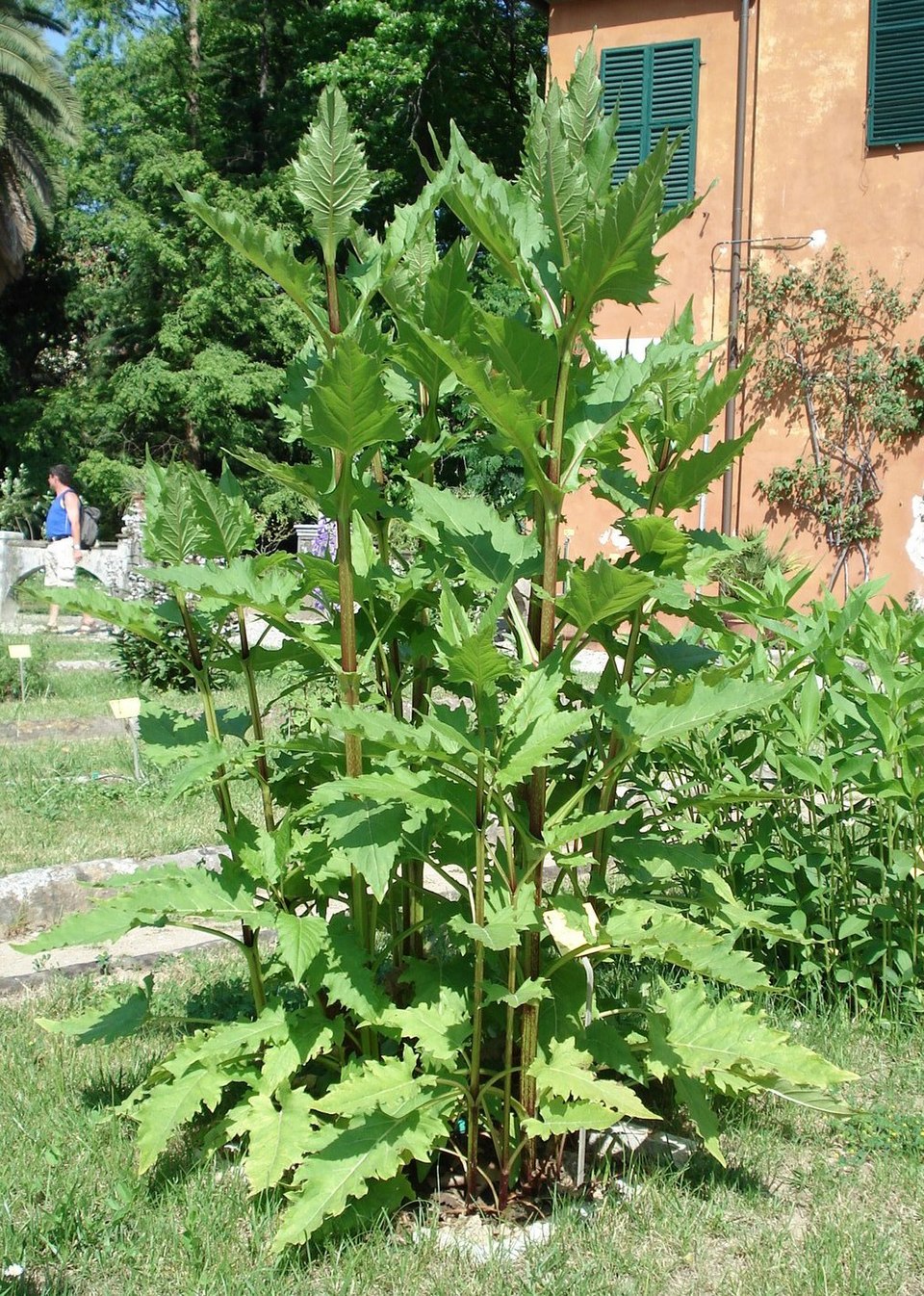
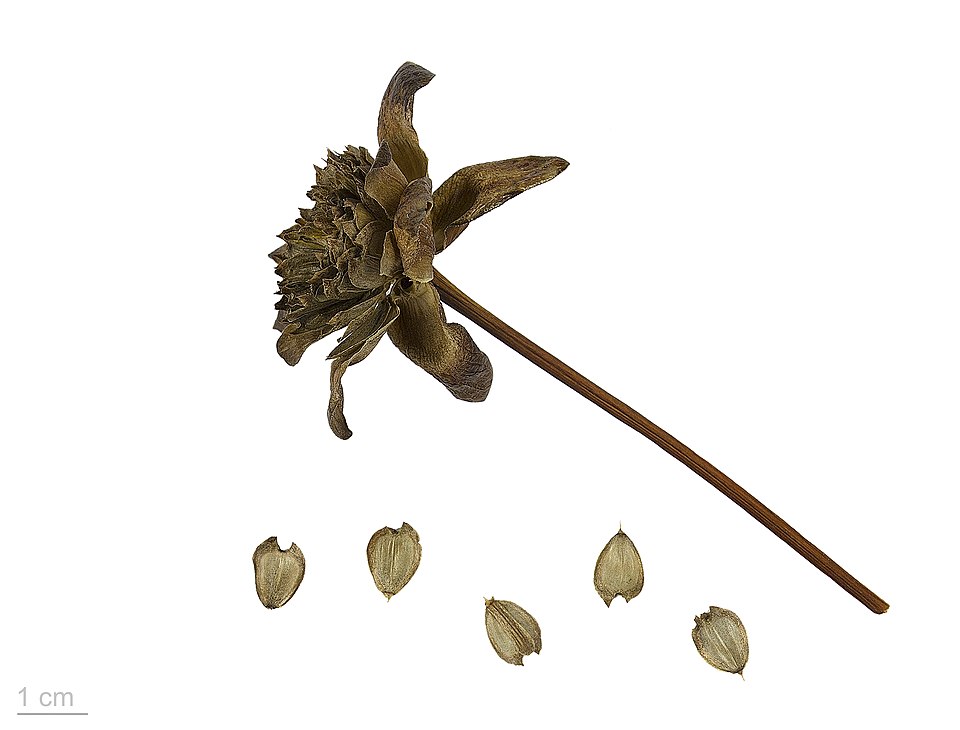
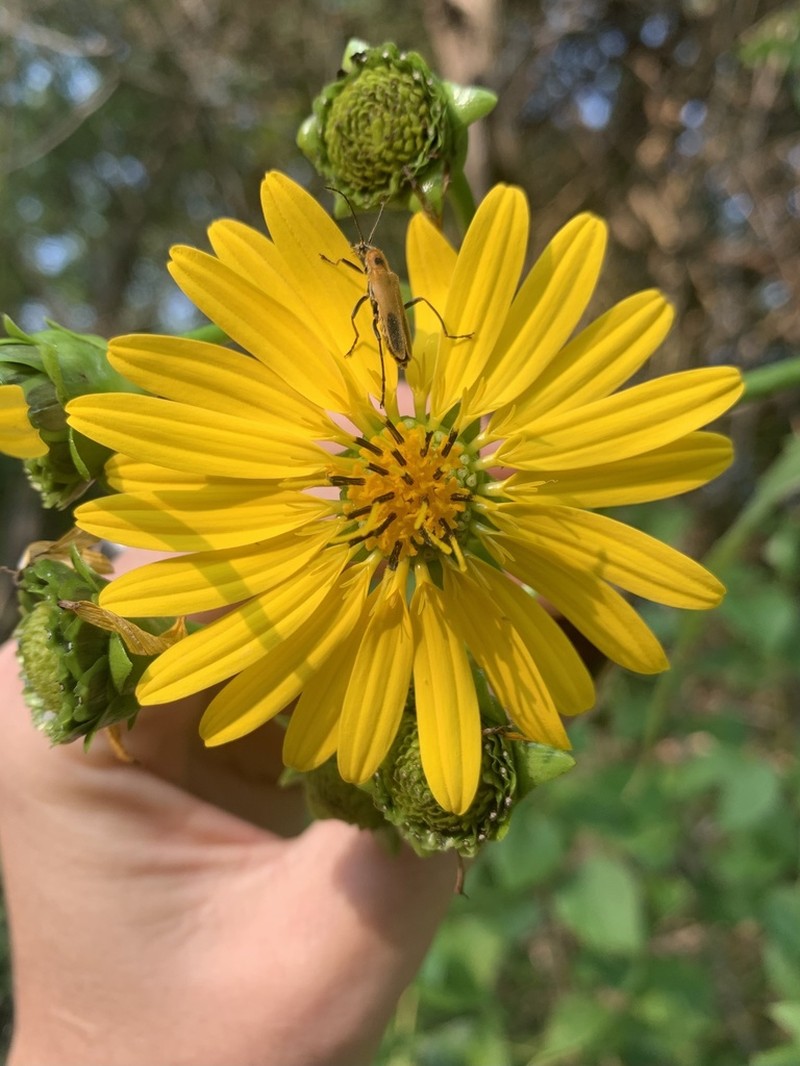
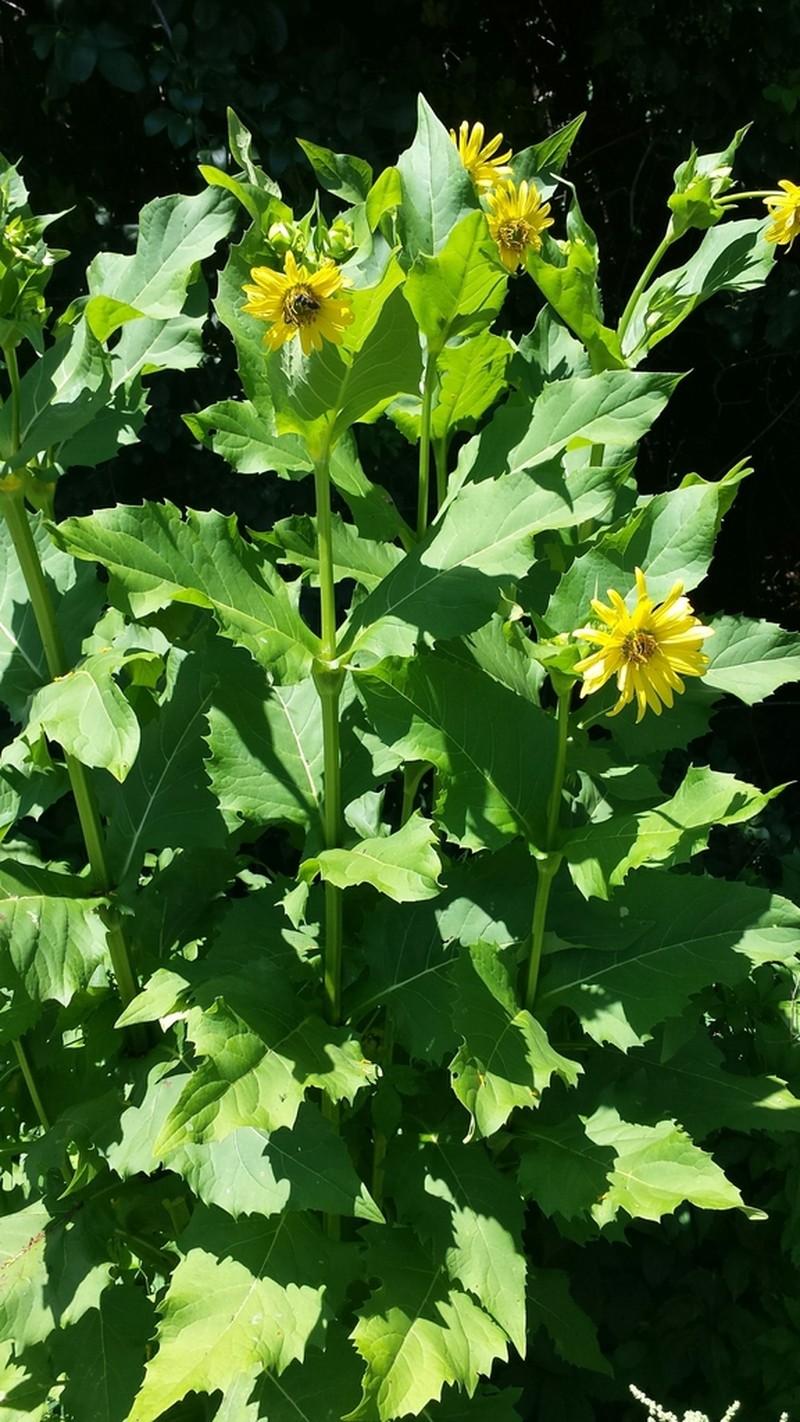
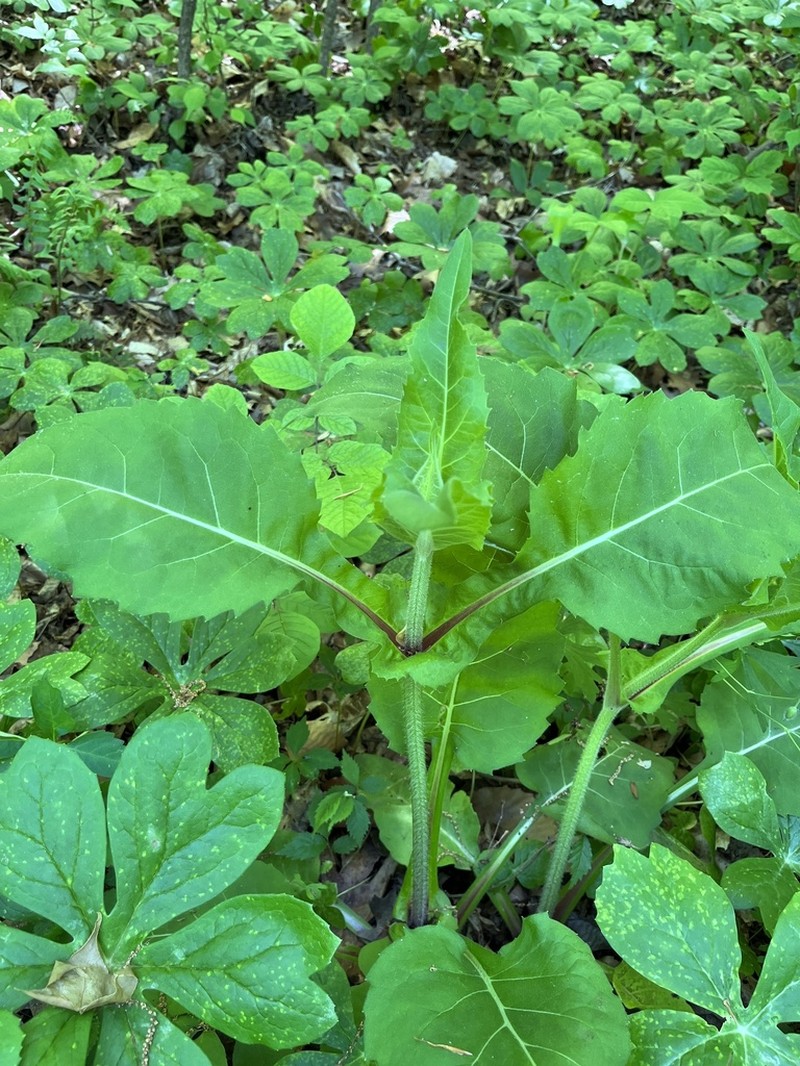
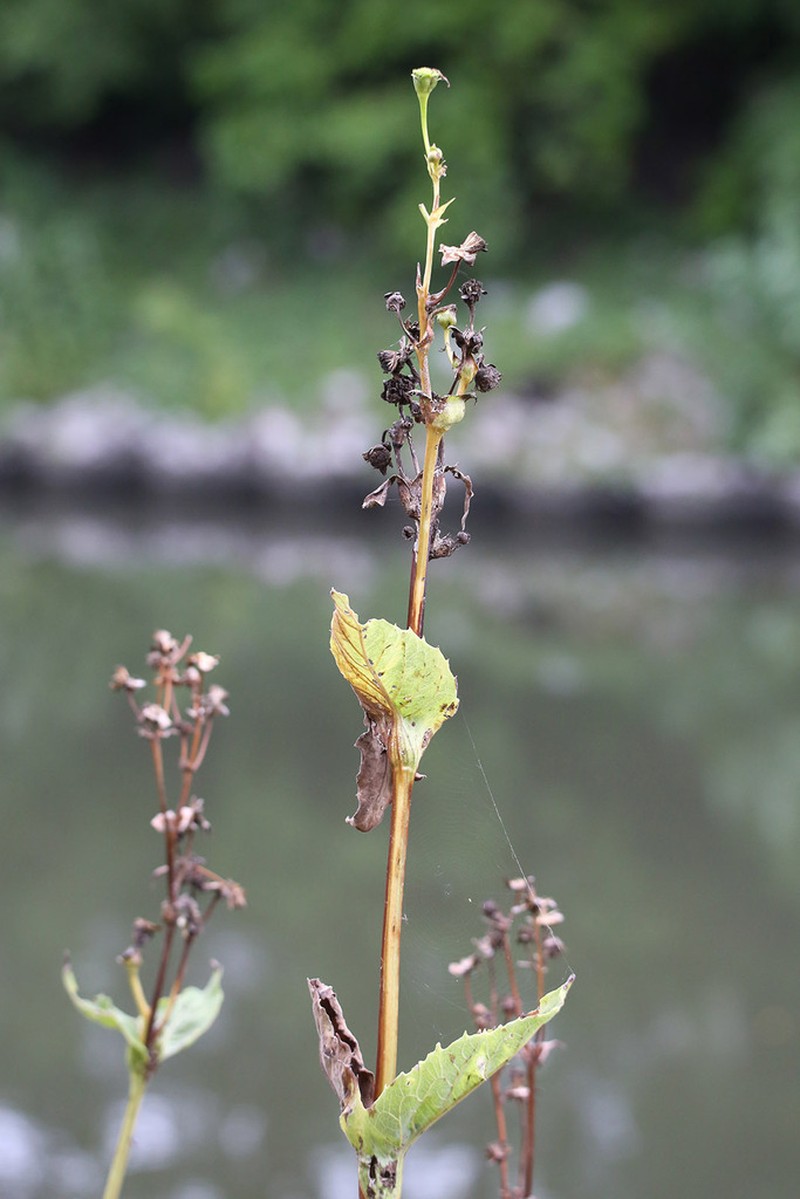
Taxonomy
- Division:
- Magnoliophyta | - Flowering plants
- Family:
- Asteraceae
- Genus:
- Silphium
- Species:
- Silphium perfoliatum
- USDA Symbol:
- SIPE2
Growth Characteristics
- Life Cycle:
- Perennial
- Growth Habit:
- Forb/herb
- Height:
- 300 cm
- Light Requirements:
- Full Sun
- Drought Tolerance:
- Medium
- Bloom Months:
- jul,aug,sep
- Bloom Colors:
- yellow
Wildlife Benefits
- Bees:
- ★★☆☆☆ Documented bee visitation (GBIF)
- Butterflies & Moths:
- ★★★★★ Documented Lepidoptera association (GBIF)
- Caterpillars:
- ★☆☆☆☆ Recorded caterpillar host plant (HOSTS Database)
- Hummingbirds:
- ★☆☆☆☆ Documented hummingbird visits (GBIF)
Keystone Species Ranking
- Pollen Specialist Bee Keystone:
- ★★☆☆☆ Native pollen specialist bee species supported by this genus (NWF)
Host Plant for Caterpillars
giant eucosma moth (Eucosma giganteana), silphius borer moth (Papaipema silphii)
Reported Fauna Sightings
Bees: Black and (Bombus auricomus), Bombus Latreille, Ceratina Latreille, Confusing bumble (Bombus perplexus), Eastern Carpenter Bee (Xylocopa virginica), Half-black bumble (Bombus vagans), Lemon cuckoo (Bombus citrinus), Northern amber (Bombus borealis), Red-belted bumble (Bombus rufocinctus), 🛑Rusty-patched bumble (Bombus affinis), Southern plains bumble bee (Bombus fraternus), Tri-colored bumble (Bombus ternarius), Two-spotted bumble (Bombus bimaculatus), Two-spotted Longhorn (Melissodes bimaculatus), ⚠️Western honey bee (Apis mellifera), Zadontomerus Ashmead Moths:Atteva aurea, Feltia herilis, giant eucosma moth (Eucosma giganteana), silphius borer moth (Papaipema silphii) Butterflies:Eastern Tiger Swallowtail (Papilio glaucus), Great Spangled (Argynnis cybele), ⚠️Monarch butterfly (Danaus plexippus), White Admiral (Limenitis arthemis), Zabulon Skipper (Lon zabulon)
Garden & Ecology Notes
- Wildlife Value:
- birds, butterflies, bees
Soil Requirements
- Soil Type:
- rich, well-drained loamy soil
- pH:
- 5.5 - 7.5 (slightly acidic to neutral)
- Drainage:
- tolerates poor drainage
- Moisture:
- consistently moist
- Notes:
- prefers floodplain and wet meadow environments
Propagation & Germination
- Stratification:
- Cold/moist stratification required — 30–60 days
- Germination Time:
- 14–30 days
- Notes:
- Seeds benefit from cold moist stratification for 30-60 days; sow in fall or stratify before spring planting.
Pre-treatment: Seeds are placed in cold moist stratification for 150 days.
Establishment: L.ligulistylis is found from southern Canada to Missouri, west to Colorado and New Mexico. It grows in meadows and open slopes and is tolerant of saline conditions.
Source: npn.rngr.net
ORGHPS Germination Guide: Sow @ 20C. Germinates within 3 months.
Where to Buy
Nationwide Seller
- Prairie Moon Nursery (nursery and seeds)
- Ernst Seeds (seeds)
- Native Seed Group (seeds)
- Pizzo Native Plant Nursery (wholesale nursery)
- Native Plants Nursery (nursery)
- Vermont Wildflower Farm (nursery and seeds)