
Lindley's Aster
Symphyotrichum ciliolatum
- Native to:
- Canada, United States
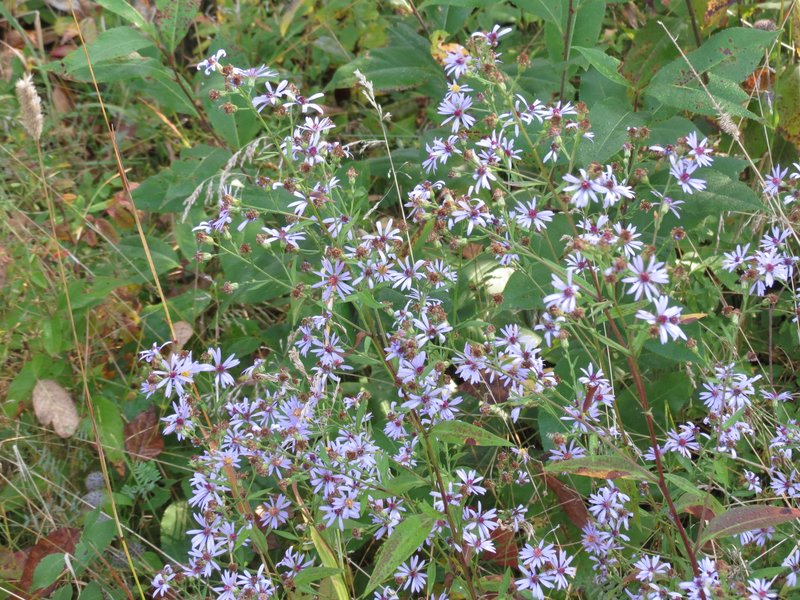
Brad Von Blon (www.inaturalist.org)
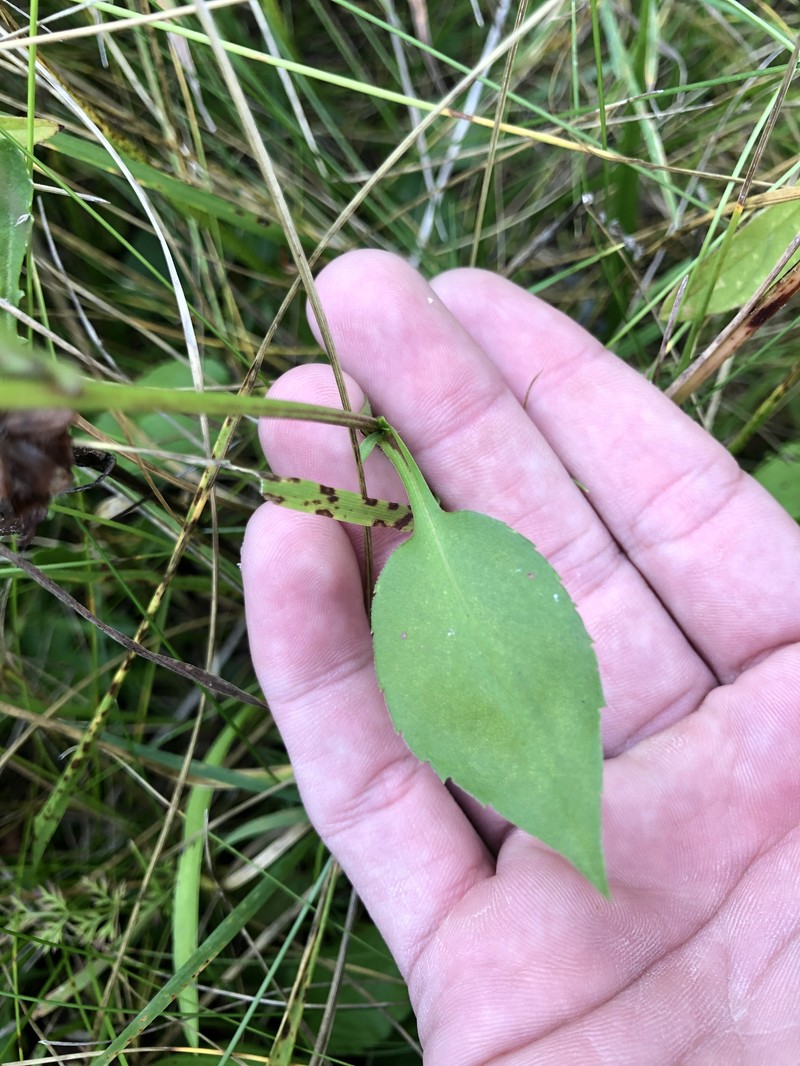
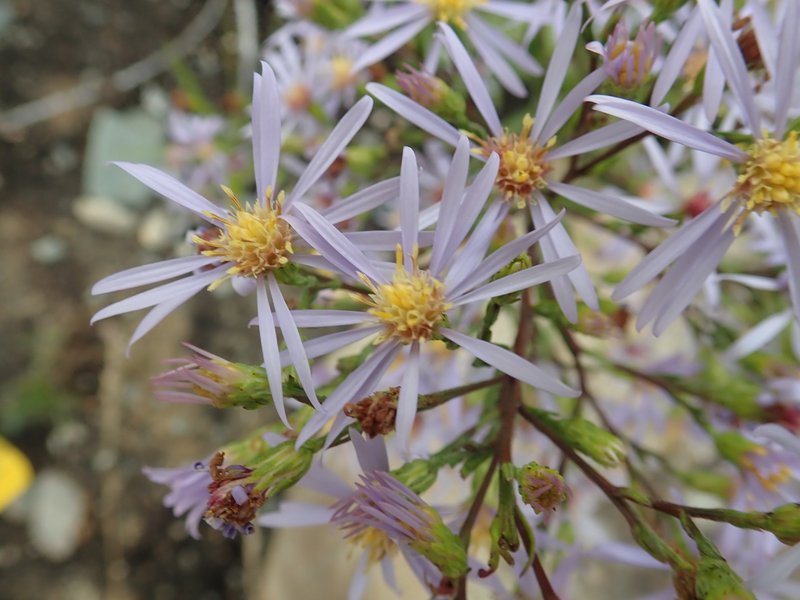
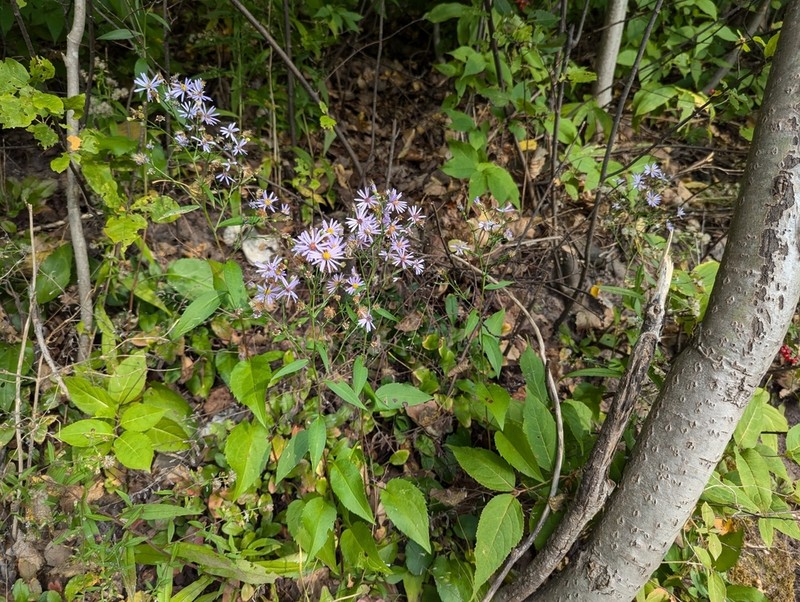
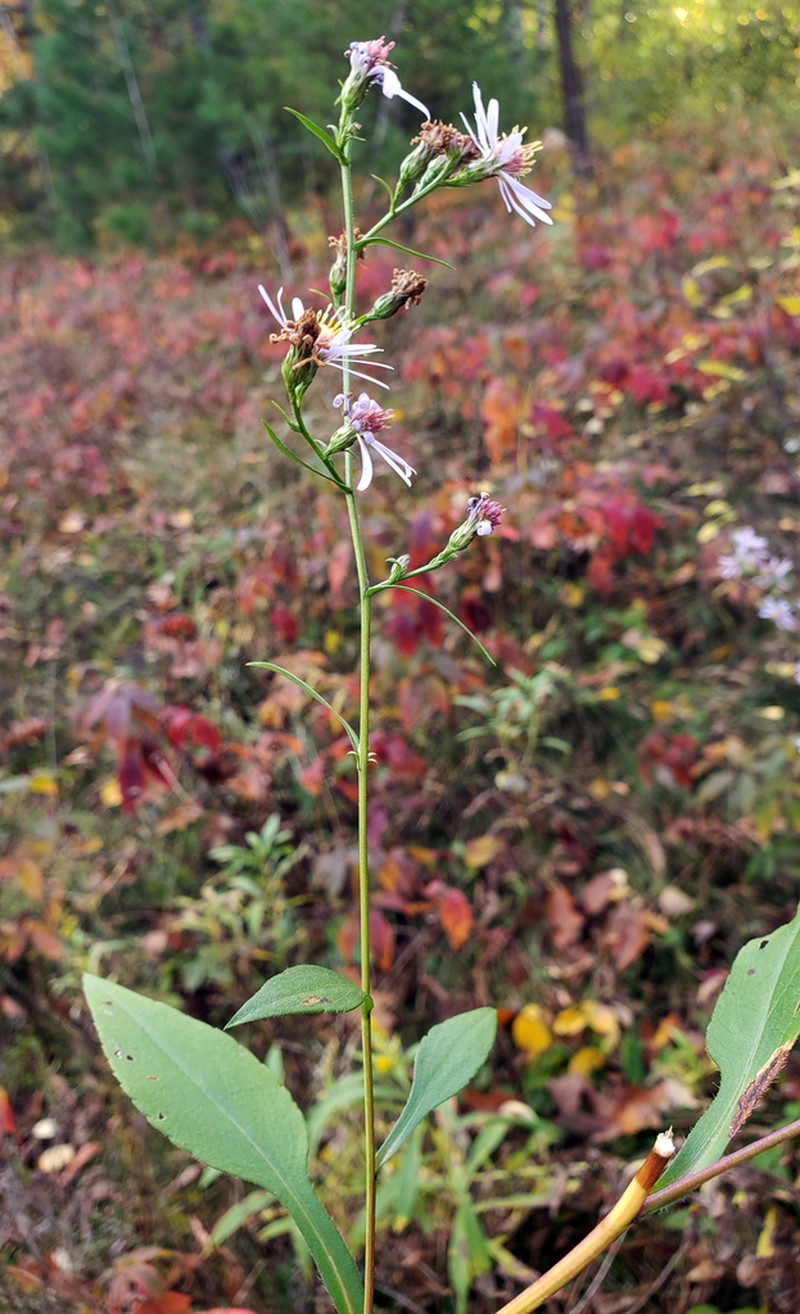
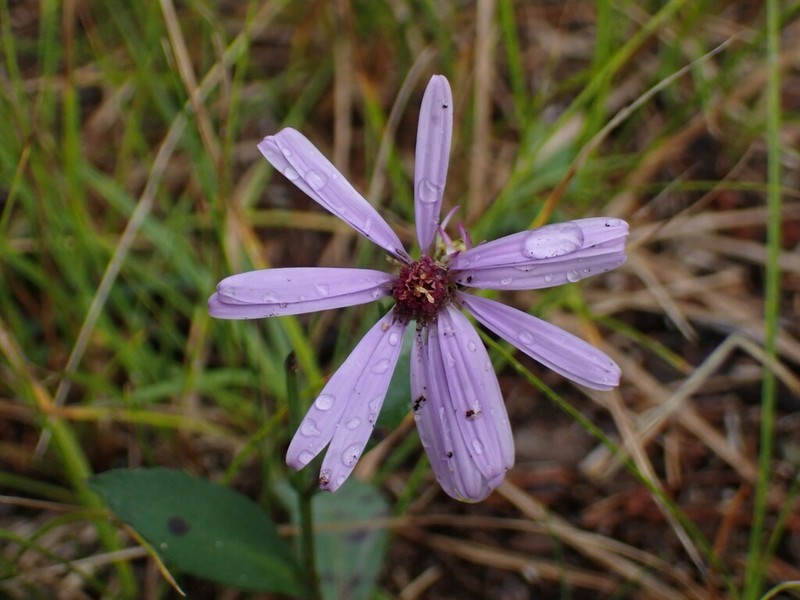
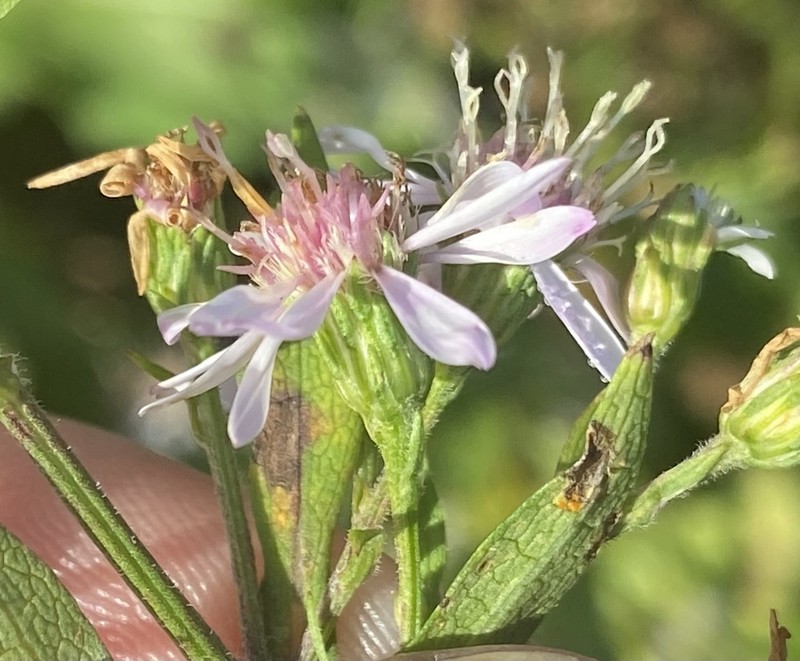
Taxonomy
- Division:
- Magnoliophyta | - Flowering plants
- Family:
- Asteraceae
- Genus:
- Symphyotrichum
- Species:
- Symphyotrichum ciliolatum
- USDA Symbol:
- SYCI
Growth Characteristics
- Life Cycle:
- Perennial
- Growth Habit:
- Forb/herb
- Height:
- 120 cm
- Light Requirements:
- Full Sun
- Drought Tolerance:
- Low
- Bloom Months:
- aug,sep,oct
- Bloom Colors:
- violet, blue
Wildlife Benefits
- Bees:
- ★☆☆☆☆ Documented bee visitation (GBIF)
- Butterflies & Moths:
- ★☆☆☆☆ Documented Lepidoptera association (GBIF)
- Caterpillars:
- ★☆☆☆☆ Recorded caterpillar host plant (HOSTS Database)
Keystone Species Ranking
- Caterpillar Keystone:
- ★★★★☆ Butterfly & moth species supported by this genus (NWF)
- Pollen Specialist Bee Keystone:
- ★★★★☆ Native pollen specialist bee species supported by this genus (NWF)
Host Plant for Caterpillars
Phaneta parmatana, Meadow Crescent (Phyciodes pratensis)
Reported Fauna Sightings
Bees: Half-black bumble bee (Bombus vagans), Tri-colored bumble bee (Bombus ternarius)
Garden & Ecology Notes
- Wildlife Value:
- bees, butterflies, birds
Soil Requirements
- Soil Type:
- rich, well-drained loamy soil
- pH:
- 5.5 - 7.0 (slightly acidic to neutral)
- Drainage:
- excellent drainage required
- Moisture:
- consistently moist
- Notes:
- prefers forested or partially shaded areas
Propagation & Germination
- Stratification:
- Cold/moist stratification required — 60–90 days
- Germination Time:
- 14–30 days
- Notes:
- Seeds require cold stratification for 60-90 days; sow in fall or after stratification in spring.
Pre-treatment: Mix seeds with equal amount of moist perlite or vermiculite in a sealable plastic bag or container. Store in a refrigerator or garage (35 to 42 degrees F) for 1-2 months. Seeds can be cold stored until planted (up to 3 years).
Establishment: Seeds are collected by hand from locally native plants in the eastern central Upper Peninsula. The plant is generally found in dry to moist deciduous mix and conifer woods, especially in clearings and along borders, including adjacent roads, trails, fields, disturbed ground, dune ridges and rocky gravel.
Source: npn.rngr.net