
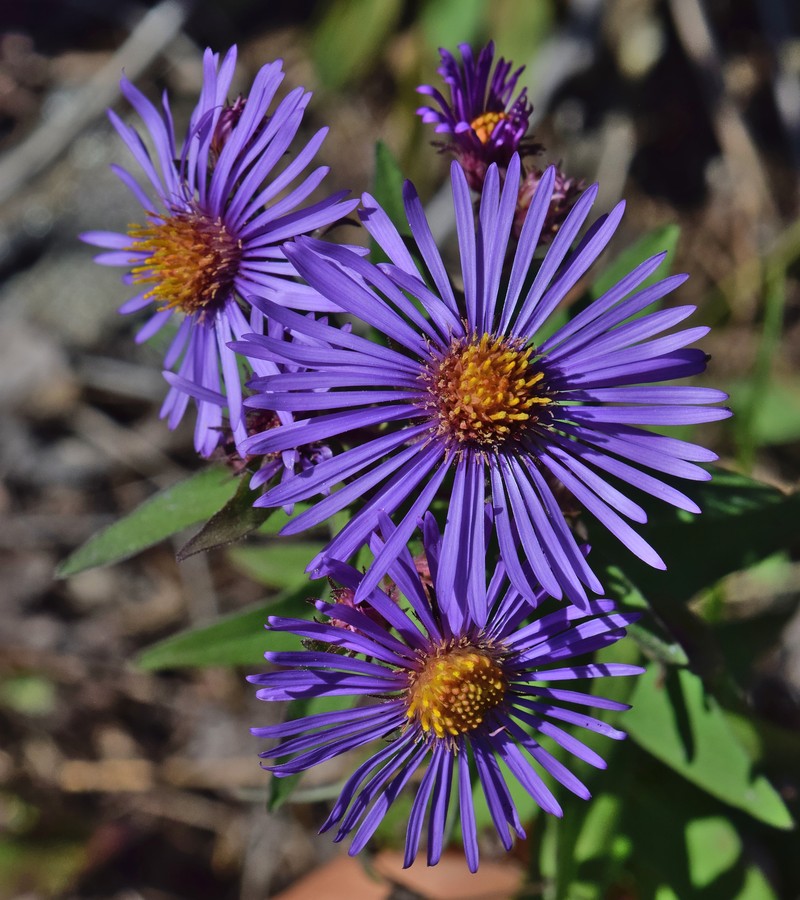
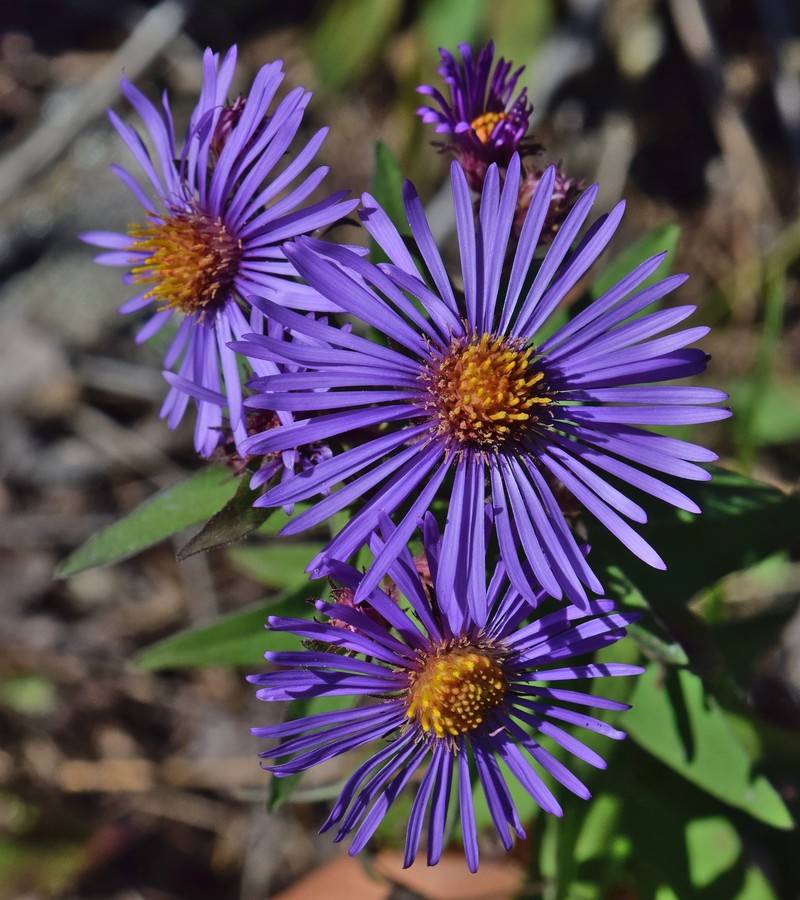
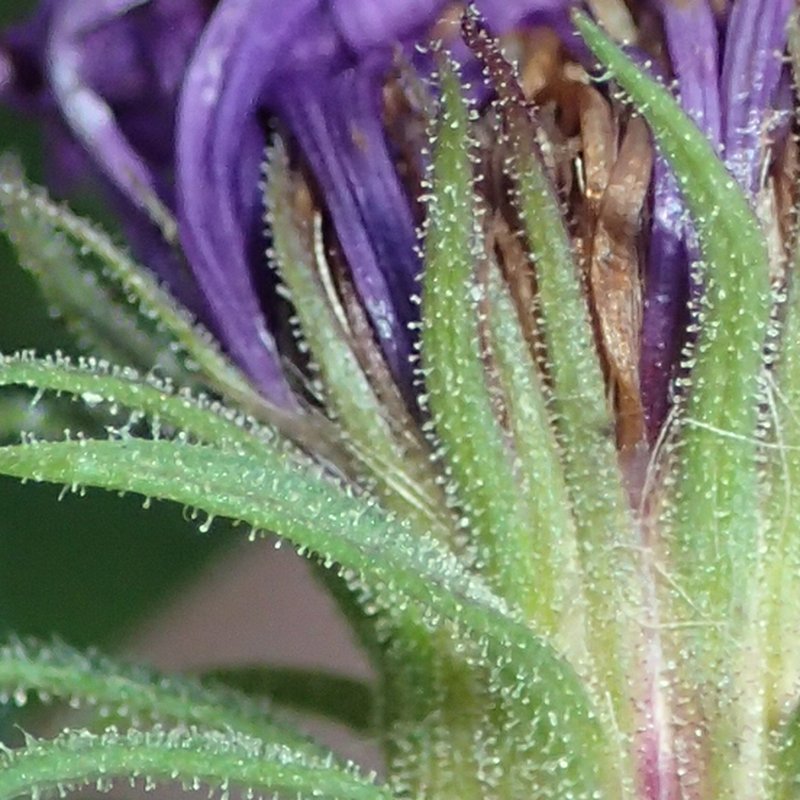
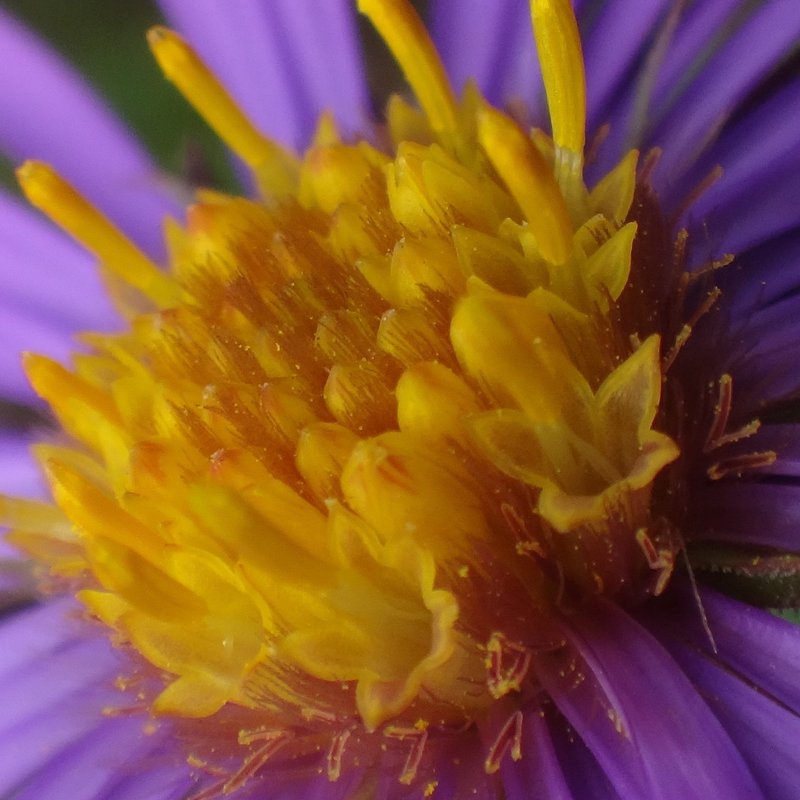
New England Aster
Symphyotrichum novae-angliae
- Native to:
- Canada, United States, Virgin Islands
The Cosmonaut
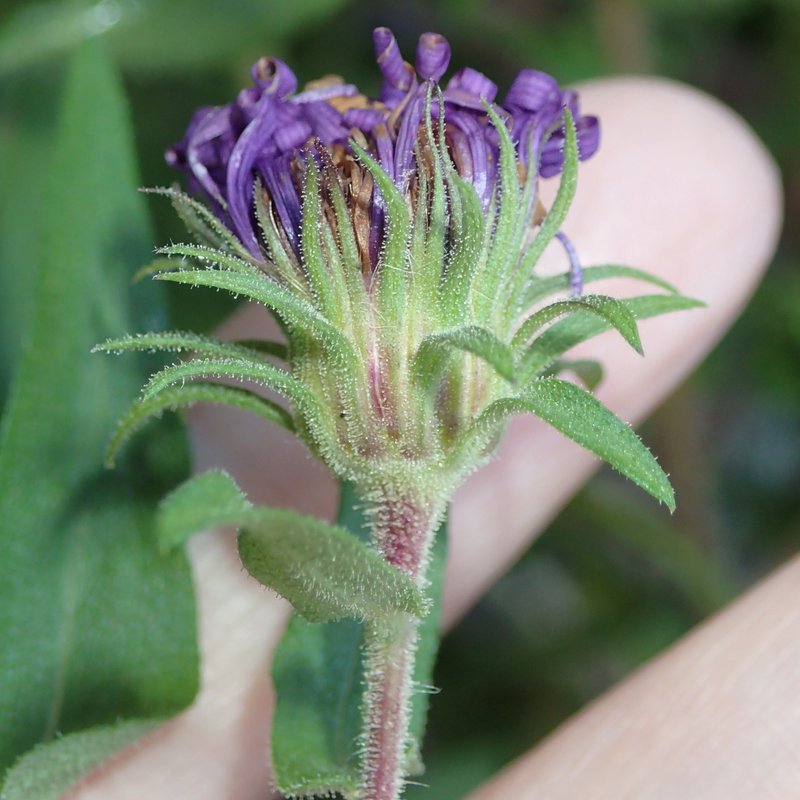
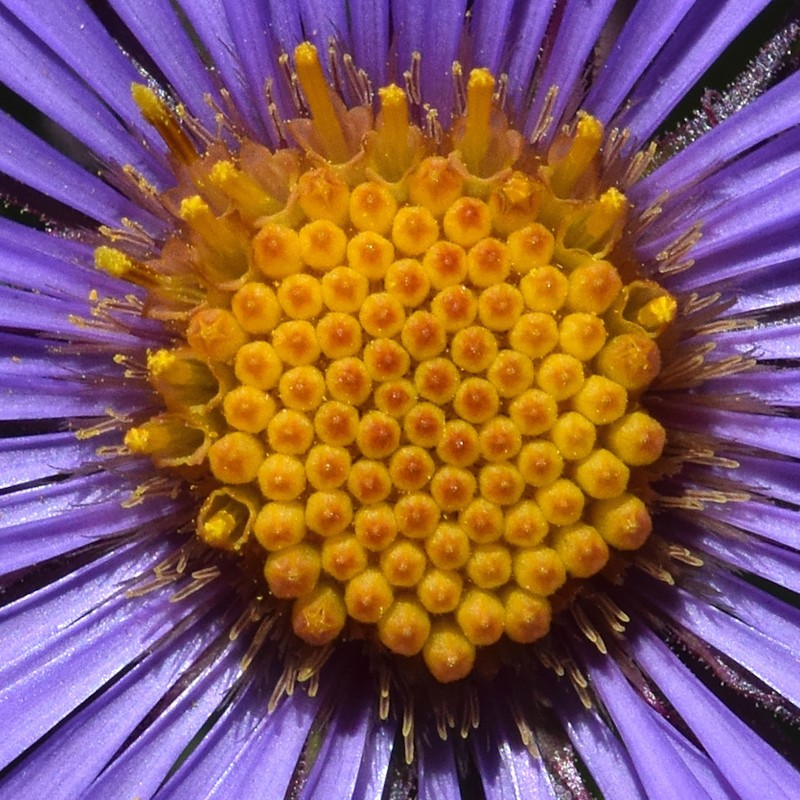
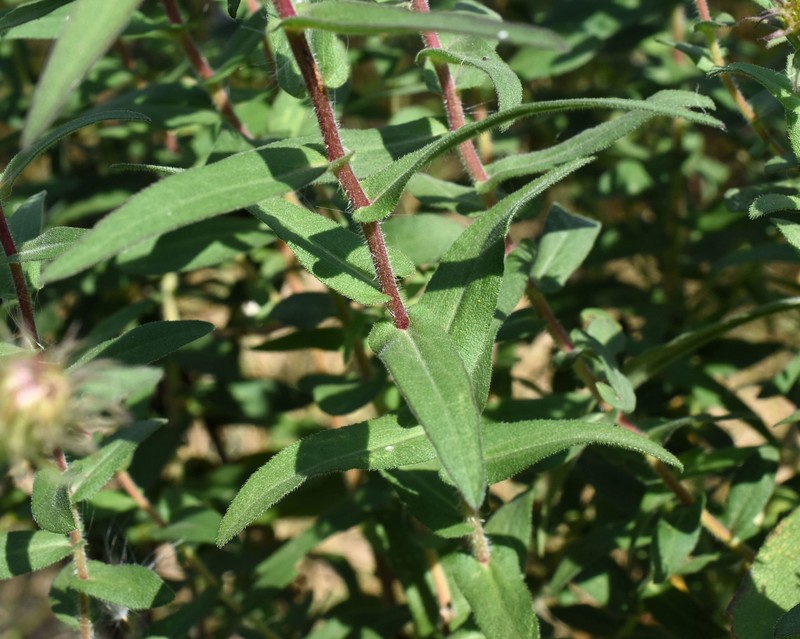
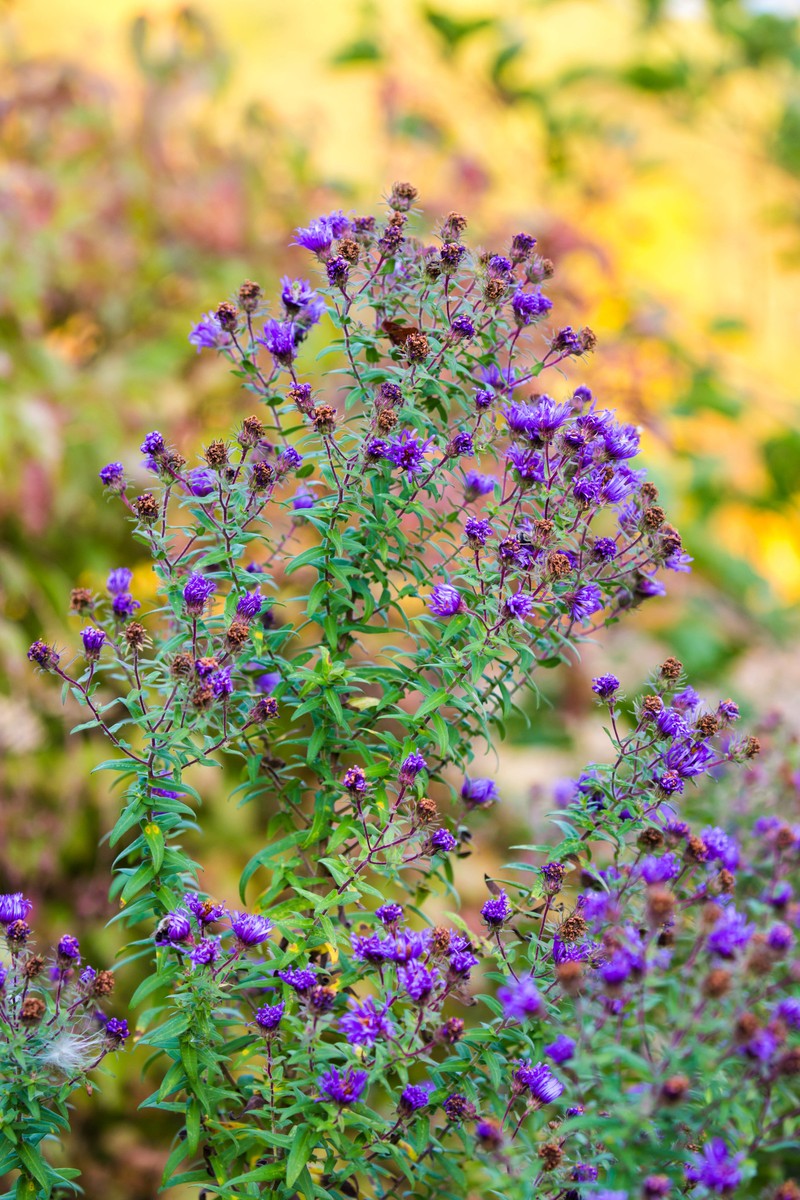
Taxonomy
- Division:
- Magnoliophyta | - Flowering plants
- Family:
- Asteraceae
- Genus:
- Symphyotrichum
- Species:
- Symphyotrichum novae-angliae
- USDA Symbol:
- SYNO2
Growth Characteristics
- Life Cycle:
- Perennial
- Growth Habit:
- Forb/herb
- Height:
- 180 cm
- Light Requirements:
- Part Shade
- Drought Tolerance:
- Medium
- Bloom Months:
- aug,sep,oct
- Bloom Colors:
- purple, pink, white
Wildlife Benefits
- Bees:
- ★★☆☆☆ Documented bee visitation (GBIF)
- Butterflies & Moths:
- ★☆☆☆☆ Documented Lepidoptera association (GBIF)
- Caterpillars:
- ★★☆☆☆ Recorded caterpillar host plant (HOSTS Database)
Keystone Species Ranking
- Caterpillar Keystone:
- ★★★★☆ Butterfly & moth species supported by this genus (NWF)
- Pollen Specialist Bee Keystone:
- ★★★★☆ Native pollen specialist bee species supported by this genus (NWF)
Host Plant for Caterpillars
Asymmetrura impositella, Clemens' clepsis moth (Clepsis clemensiana), Cucullia alfarata, Loxostege commixtalis, Northern Flower Moth (Schinia septentrionalis), Phaneta essexana, Phaneta tomonana, Phtheochroa marloffiana, Phycitodes albatella, Sonia canadana, sparganothis fruitworm moth (Sparganothis sulfureana), Xenotemna pallorana, Charidryas gorgone, Pearl Crescent (Phyciodes tharos)
Reported Fauna Sightings
Bees: American bumble (Bombus pensylvanicus), Brown-belted bumble (Bombus griseocollis), Common eastern (Bombus impatiens), Eastern Carpenter Bee (Xylocopa virginica), Half-black bumble (Bombus vagans), Lemon cuckoo (Bombus citrinus), Red-belted bumble (Bombus rufocinctus), Spurred Small Carpenter Bee (Ceratina calcarata), ⚠️Western honey bee (Apis mellifera), Zadontomerus Ashmead Butterflies:American Lady (Vanessa virginiensis), Atalopedes Scudder, Common Buckeye (Junonia coenia), ⚠️Monarch butterfly (Danaus plexippus), Orange Sulphur (Colias eurytheme), Painted Lady (Vanessa cardui), Peck's skipper (Polites peckius), Small White (Pieris rapae)
Garden & Ecology Notes
- Wildlife Value:
- birds, butterflies, bees
Soil Requirements
- Soil Type:
- rich, well-drained loamy soil
- pH:
- 5.5 - 7.5 (slightly acidic to neutral)
- Drainage:
- good drainage preferred
- Moisture:
- consistently moist
- Notes:
- Thrives in prairies and meadows
Propagation & Germination
- Stratification:
- Cold/moist stratification required — 30–60 days
- Germination Time:
- 14–30 days
- Notes:
- Seeds germinate best after cold stratification; surface sow and keep moist.
Pre-treatment: Mix the seeds with an equal amount of moist perlite or vermiculite in a sealable plastic bag or container. Cold store at 34-42 degrees F for 1-4 months. If unable to plant in the fall due to weather, store the seed dry in cold storage.
Establishment: Seeds are collected from locally native plants or from nursery stock. The plant flowers from July to August and seed is harvested from September to November. The protocols vary slightly in temperature settings and seed treatment methods.
Source: npn.rngr.net
ORGHPS Germination Guide: Sow @ 20C. If no germination in 3 months, try 4C 1-2 months, then 20C again.
Where to Buy
Nationwide Seller
- Prairie Moon Nursery (nursery and seeds)
- Native Seed Group (seeds)
- North Creek Nurseries (nursery)
- Vermont Wildflower Farm (nursery and seeds)
- Wild Seed Project (seeds)
- Native Plants Nursery (nursery)
- Pizzo Native Plant Nursery (wholesale nursery)