
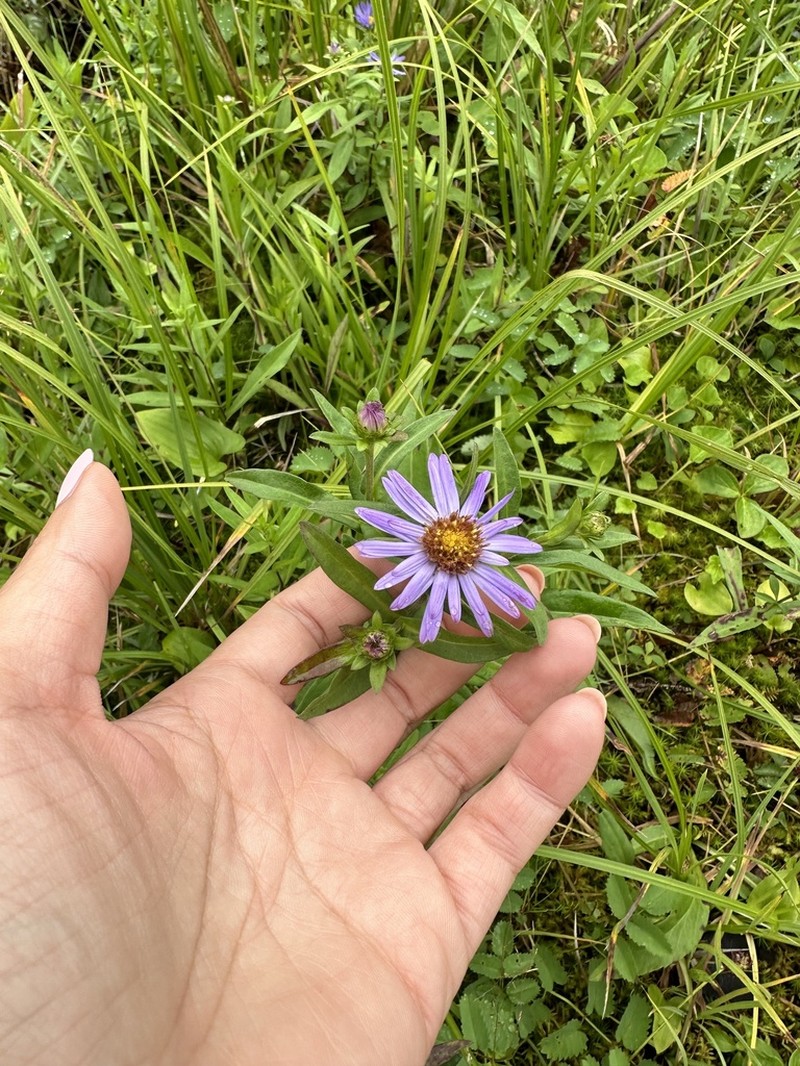
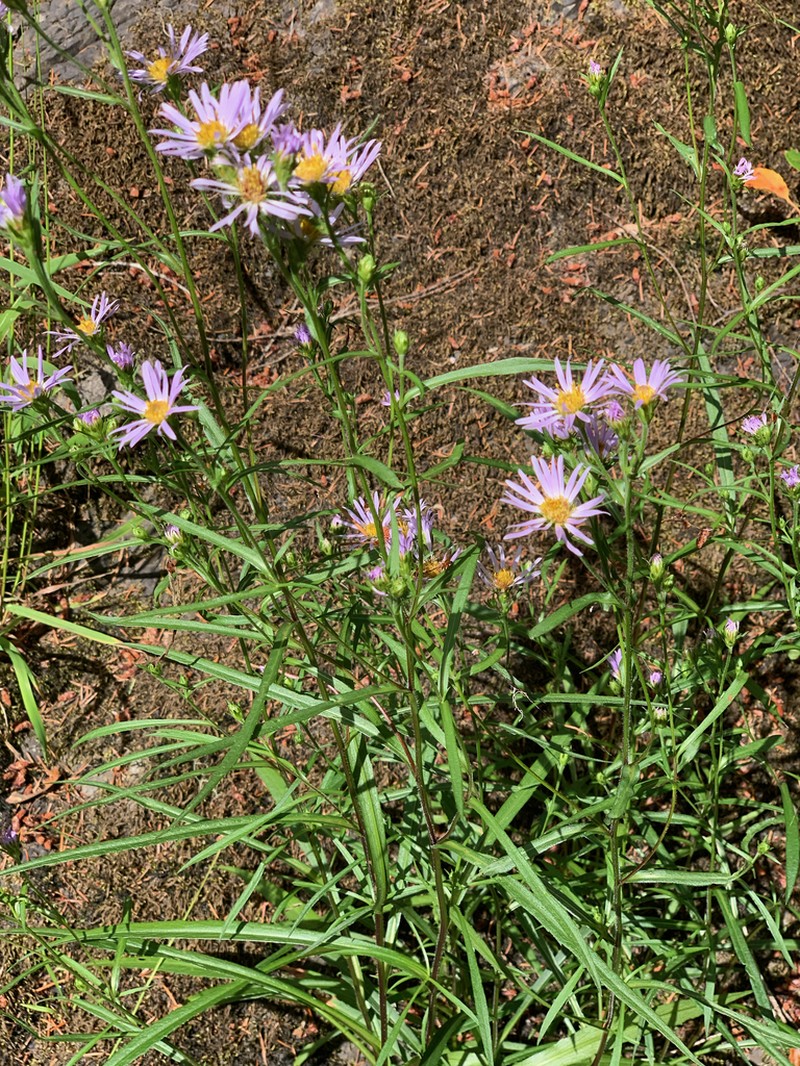
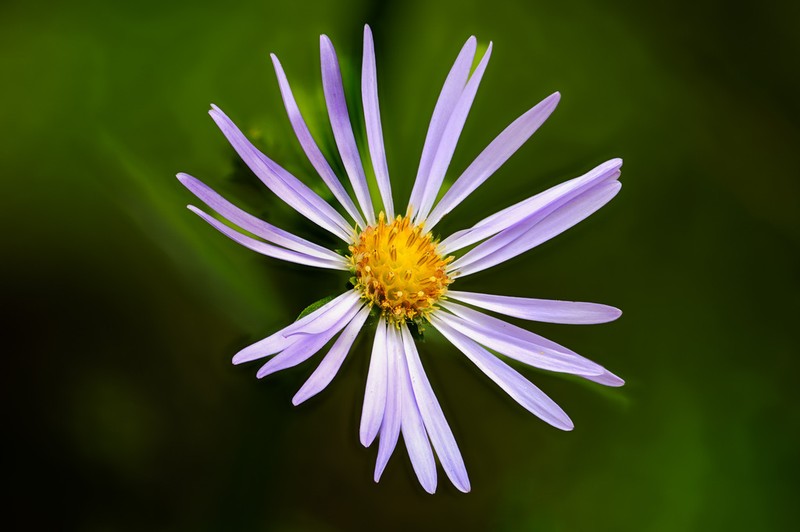
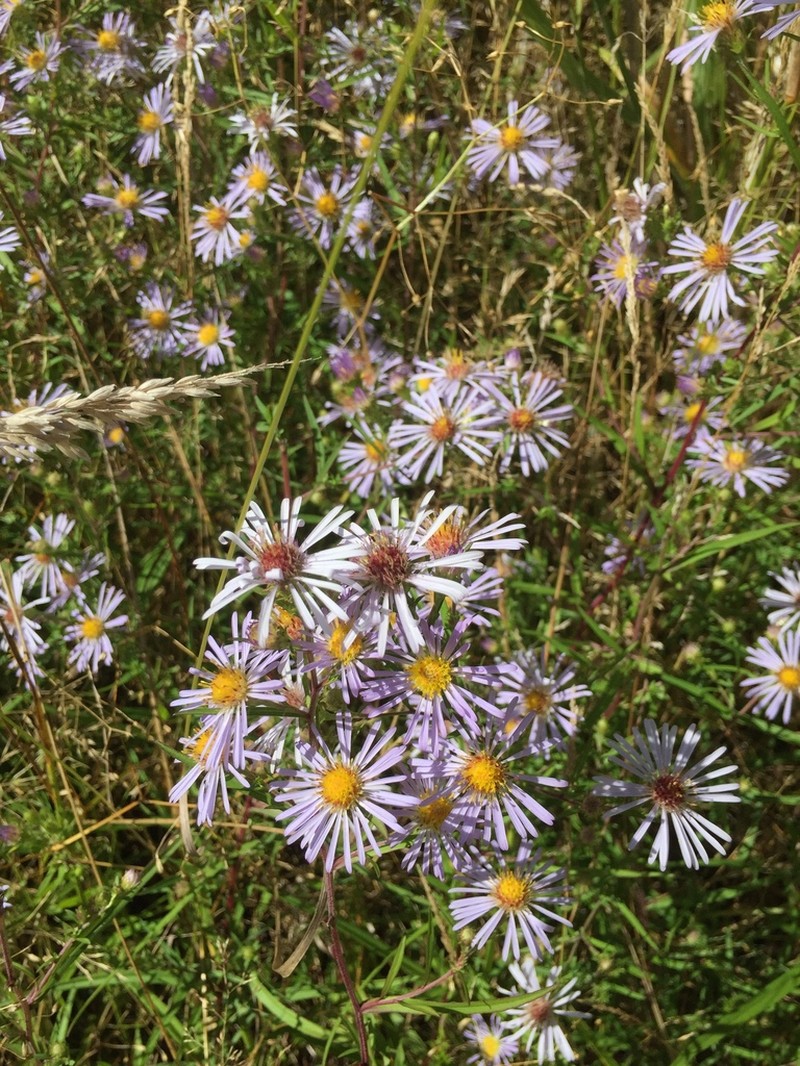
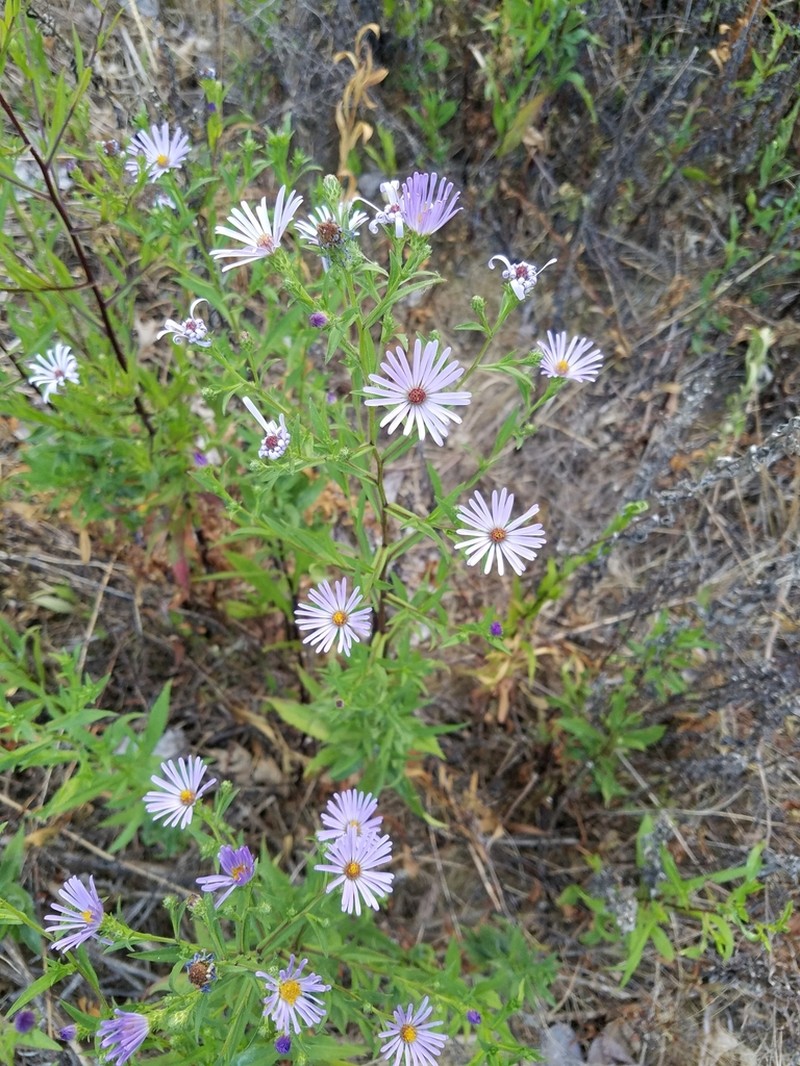
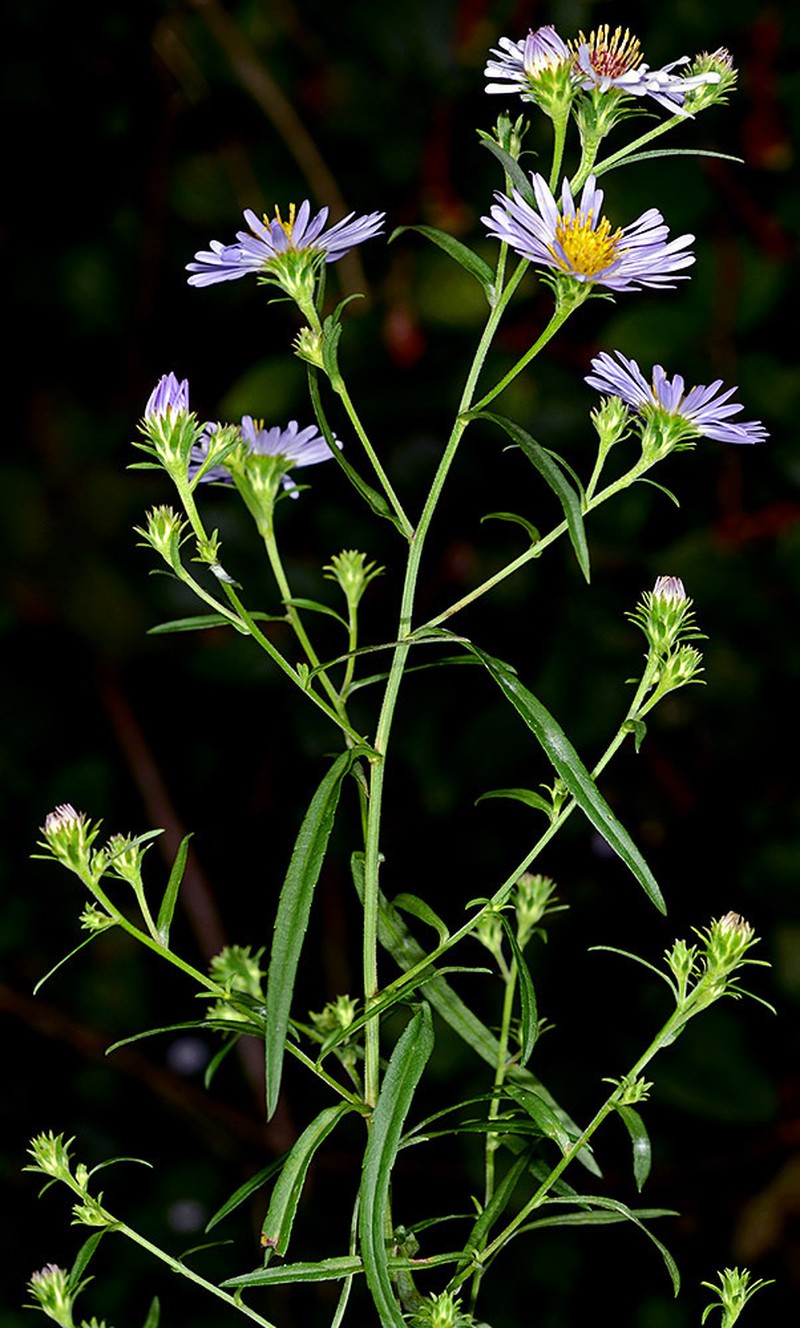
Douglas Aster
Symphyotrichum subspicatum
- Native to:
- Canada, United States
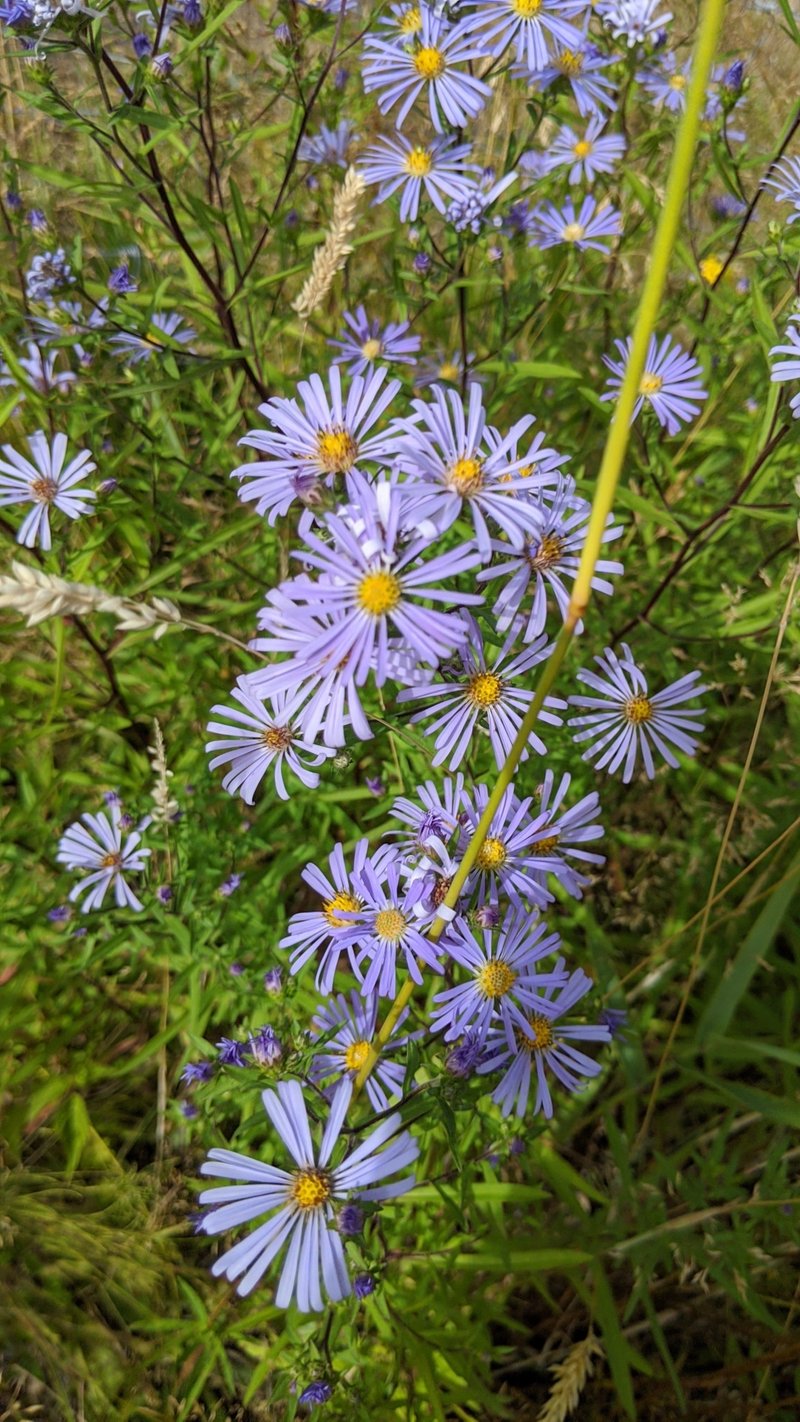
Jan Smith (www.inaturalist.org)
Taxonomy
- Division:
- Magnoliophyta | - Flowering plants
- Family:
- Asteraceae
- Genus:
- Symphyotrichum
- Species:
- Symphyotrichum subspicatum
- USDA Symbol:
- SYSU4
Growth Characteristics
- Life Cycle:
- Perennial
- Growth Habit:
- Forb/herb
- Height:
- 120 cm
- Light Requirements:
- Full Sun
- Drought Tolerance:
- Low
- Bloom Months:
- aug,sep,oct
- Bloom Colors:
- purple, blue, violet
Wildlife Benefits
- Bees:
- ★★★☆☆ Documented bee visitation (GBIF)
- Butterflies & Moths:
- ★★★★★ Documented Lepidoptera association (GBIF)
Keystone Species Ranking
- Caterpillar Keystone:
- ★★★★☆ Butterfly & moth species supported by this genus (NWF)
- Pollen Specialist Bee Keystone:
- ★★★★☆ Native pollen specialist bee species supported by this genus (NWF)
Reported Fauna Sightings
Bees: Brown-belted bumble bee (Bombus griseocollis), Two-form bumble bee (Bombus bifarius), ⚠️Western honey bee (Apis mellifera), Yellow-faced bumble bee (Bombus vosnesenskii) Butterflies:Sachem (Atalopedes campestris)
Garden & Ecology Notes
- Wildlife Value:
- bees, butterflies, birds
Soil Requirements
- Soil Type:
- moist, well-drained loamy soil
- pH:
- 5.5 - 7.0 (slightly acidic to neutral)
- Drainage:
- good drainage required
- Moisture:
- consistently moist
- Notes:
- prefers soils near streams or wetlands
Propagation & Germination
- Stratification:
- Cold/moist stratification required — 30–60 days
- Germination Time:
- 14–30 days
- Notes:
- Seeds benefit from cold moist stratification for 4-8 weeks; surface sow and keep moist.
Pre-treatment: None required
Establishment: Seeds sown in November and March show similar germination rates, but fall-sown seeds germinate and establish earlier. Wild seed collection is moderately easy. In North Oregon, seeds are collected from late September through late October.
Source: npn.rngr.net