
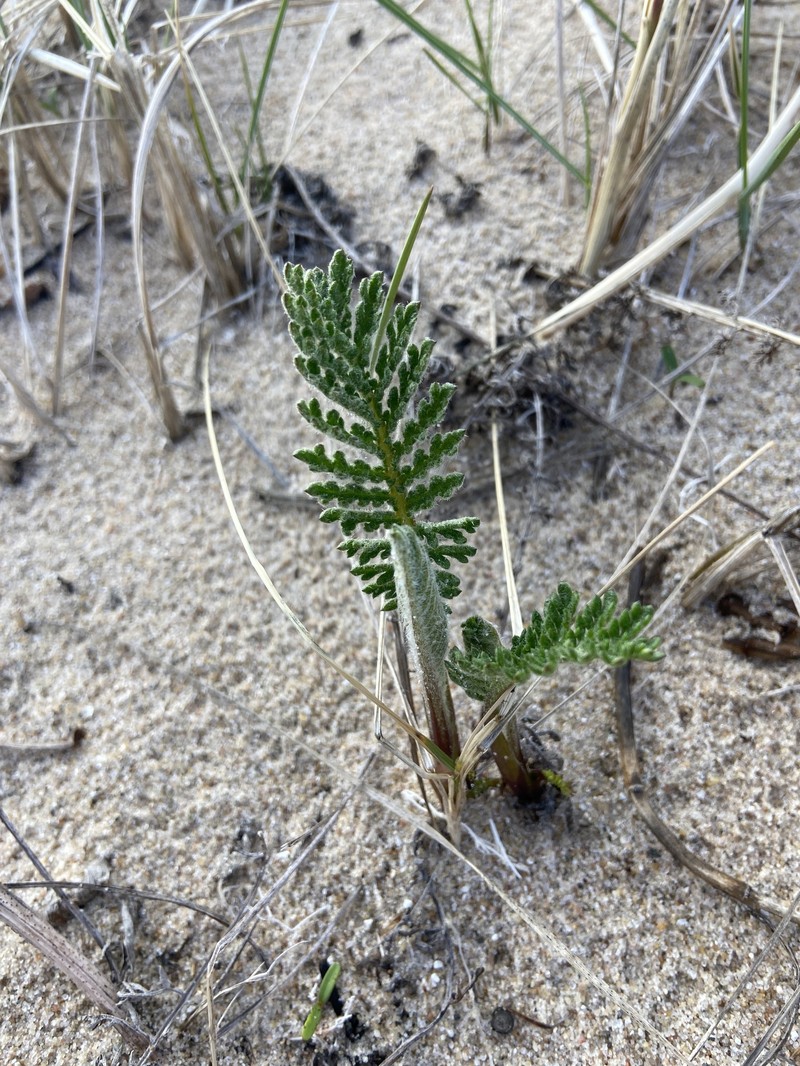
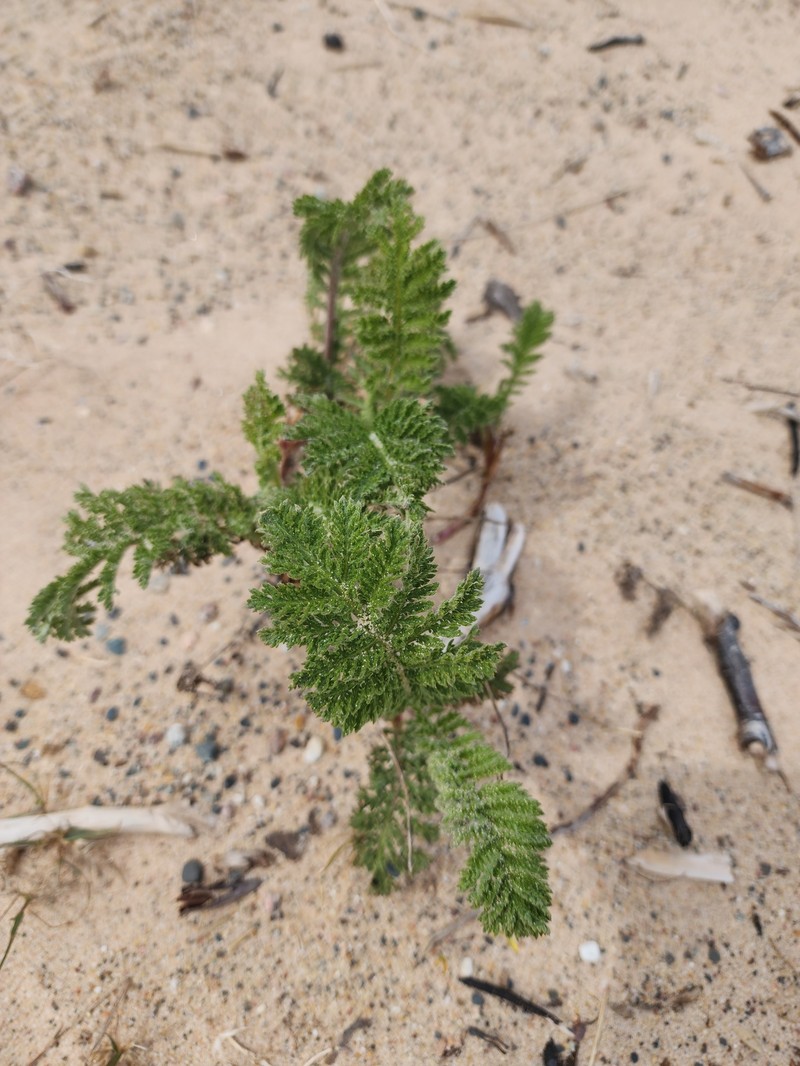
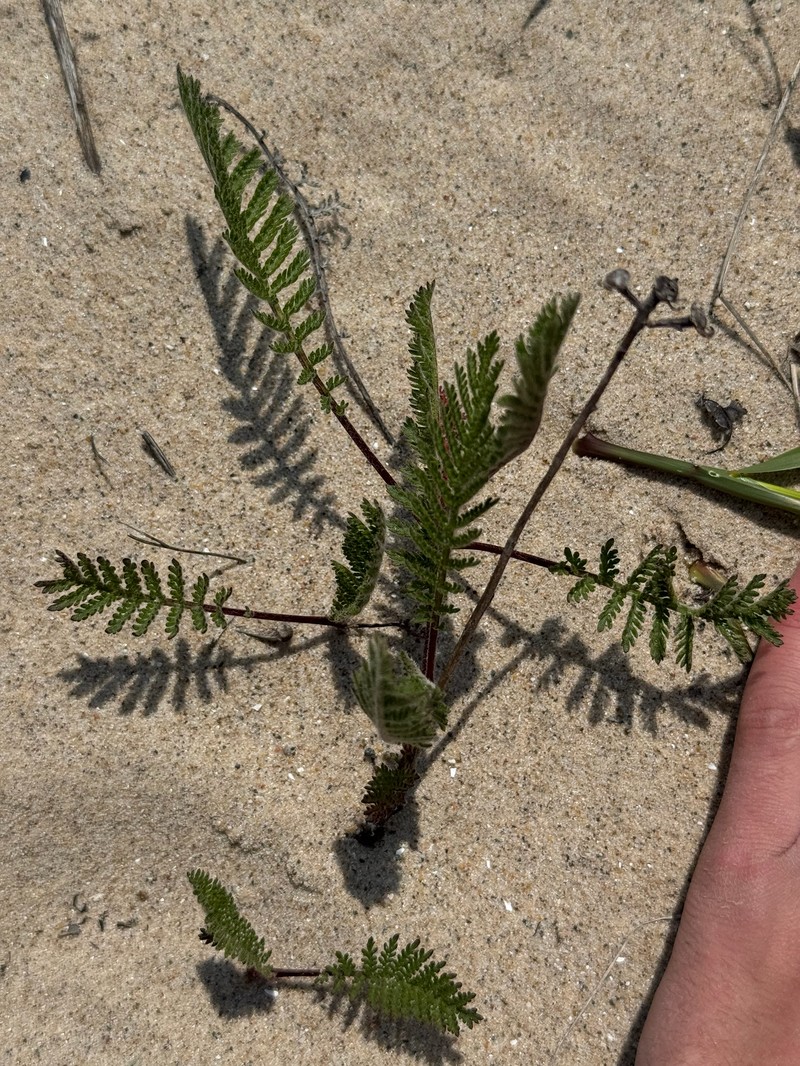
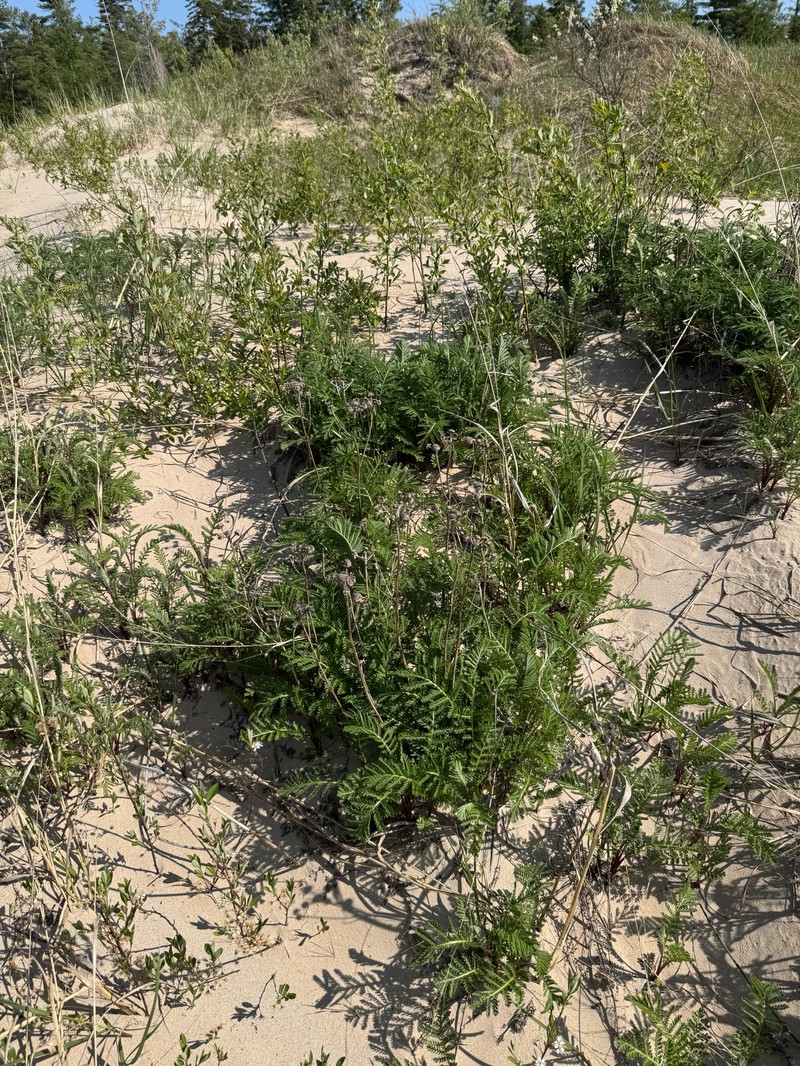
Camphor Tansy
Tanacetum bipinnatum subsp. bipinnatum
- Native to:
- Canada, Russia, United States
GBIF: amberhp
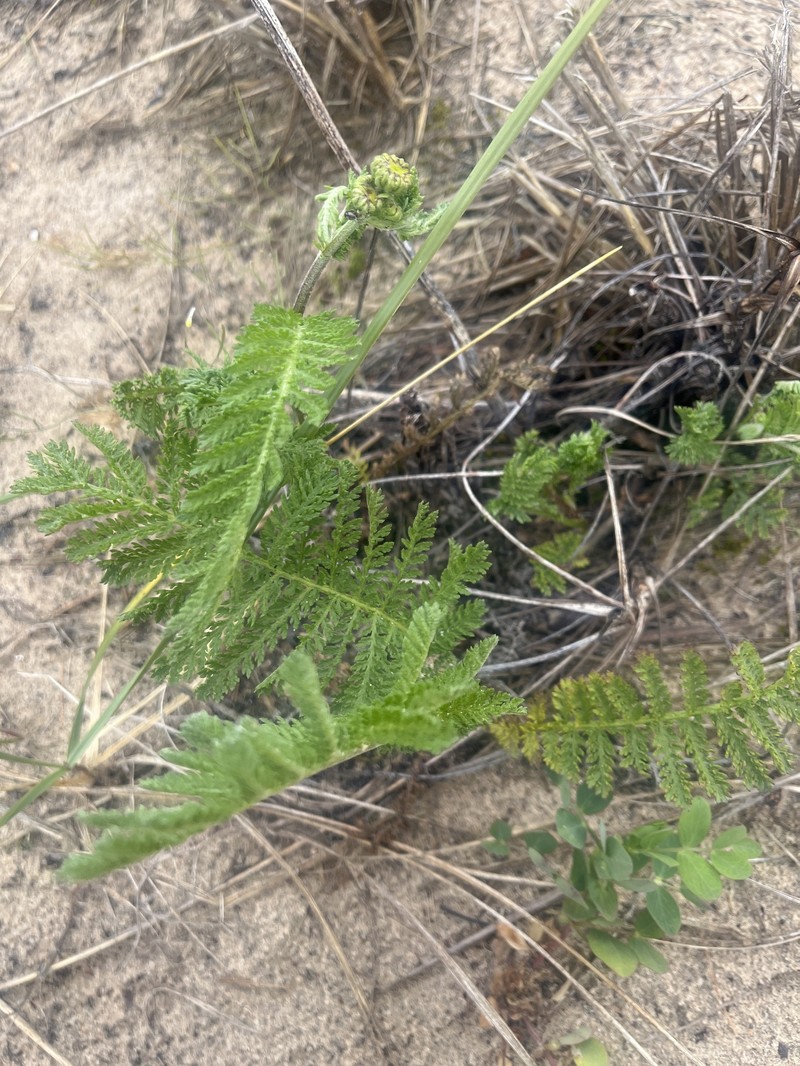
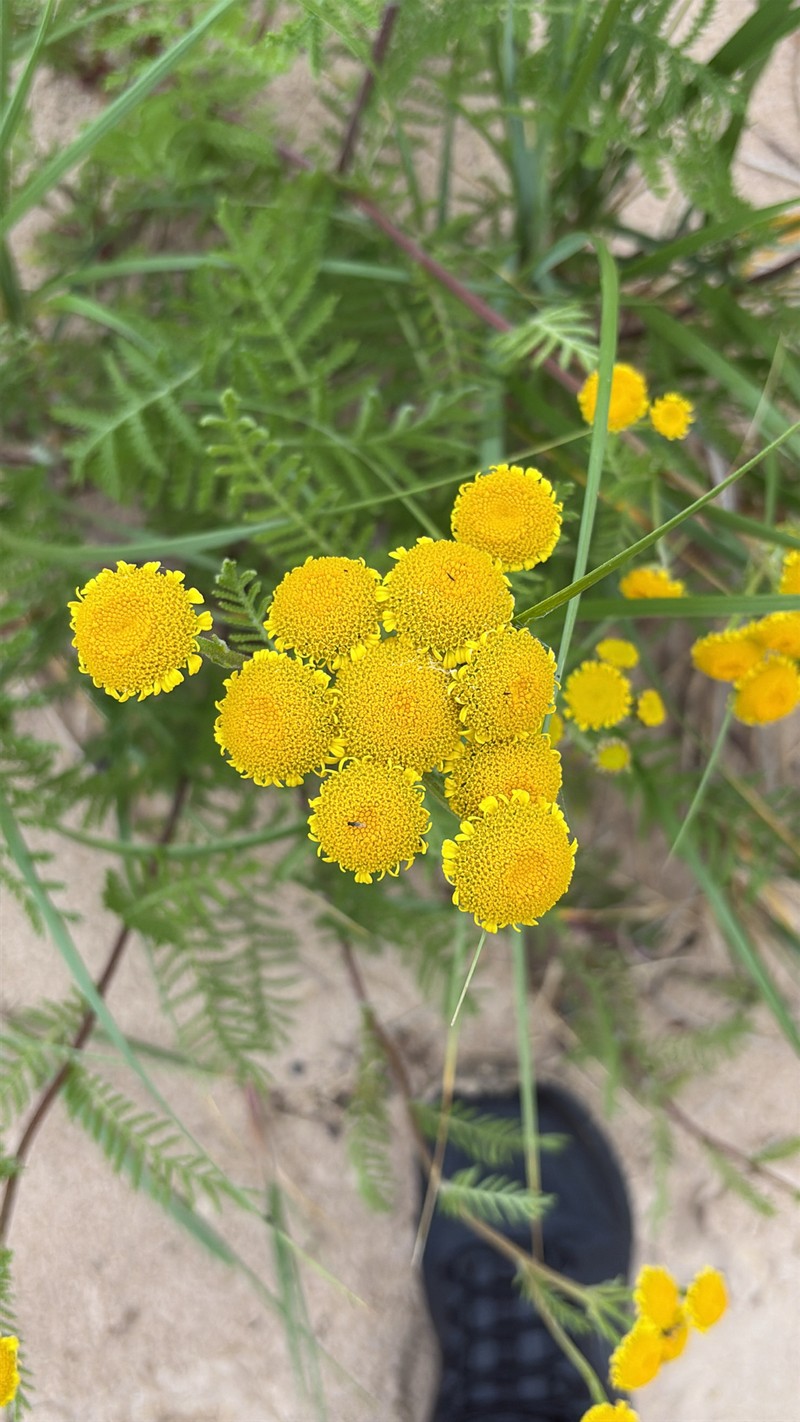
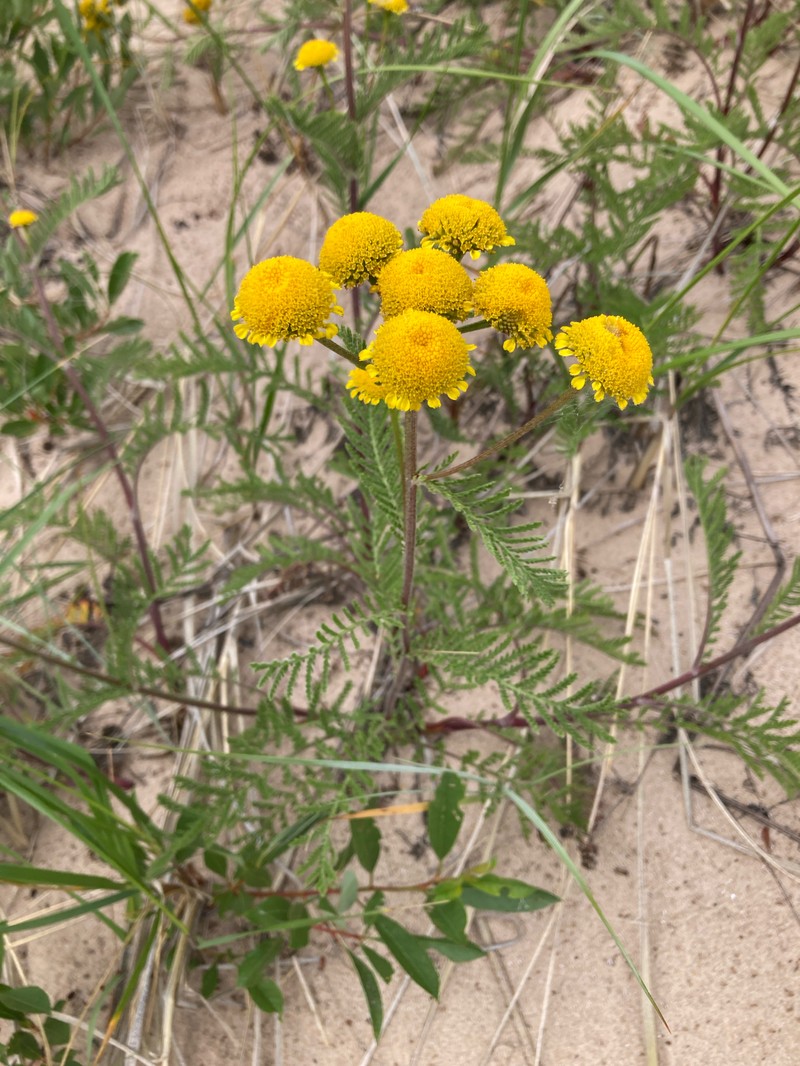
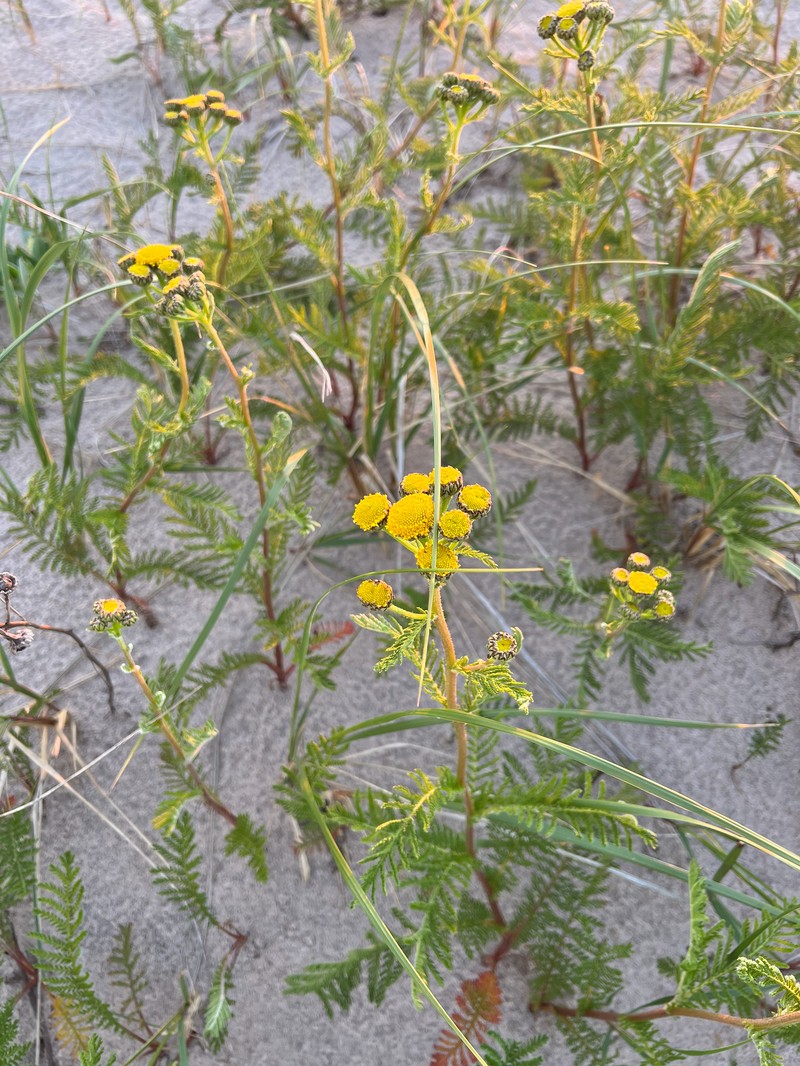
Taxonomy
- Division:
- Magnoliophyta | - Flowering plants
- Family:
- Asteraceae
- Genus:
- Tanacetum
- Species:
- Tanacetum bipinnatum subsp. bipinnatum
- USDA Symbol:
- TACA2
Growth Characteristics
- Life Cycle:
- Perennial
- Growth Habit:
- Forb/herb
- Height:
- 40 cm
- Light Requirements:
- Full Sun
- Drought Tolerance:
- Medium
- Bloom Months:
- jun,jul,aug
- Bloom Colors:
- yellow
Wildlife Benefits
- Bees:
- ★☆☆☆☆ Documented bee visitation (GBIF)
- Butterflies & Moths:
- ★☆☆☆☆ Documented Lepidoptera association (GBIF)
- Caterpillars:
- ★☆☆☆☆ Recorded caterpillar host plant (HOSTS Database)
Host Plant for Caterpillars
Lasionycta wyatti
Garden & Ecology Notes
- Wildlife Value:
- bees, butterflies
- Deer Resistant:
- Yes
- Fragrant:
- Yes
Soil Requirements
- Soil Type:
- sandy, well-drained, nutrient-poor soil
- pH:
- 6.0 - 7.5 (slightly acidic to neutral)
- Drainage:
- excellent drainage required
- Moisture:
- dry to moderate
- Notes:
- native to coastal and rocky areas
Propagation & Germination
- Stratification:
- Cold/moist stratification required — 30–60 days
- Germination Time:
- 14–28 days
- Notes:
- Surface sow; seeds require light for germination.
Pre-treatment: None required
Establishment: Seeds are collected between May 19th and October 13th. The plant is known to grow in sandy coastal areas in the Western United states (Washington, Oregon & California) and specifically in the San Francisco Bay region in coastal strand communities. Germination rate varies depending on temperature, with higher rates at warmer temperatures.
Source: npn.rngr.net