
White Crownbeard
Verbesina virginica
- Native to:
- United States, Virgin Islands
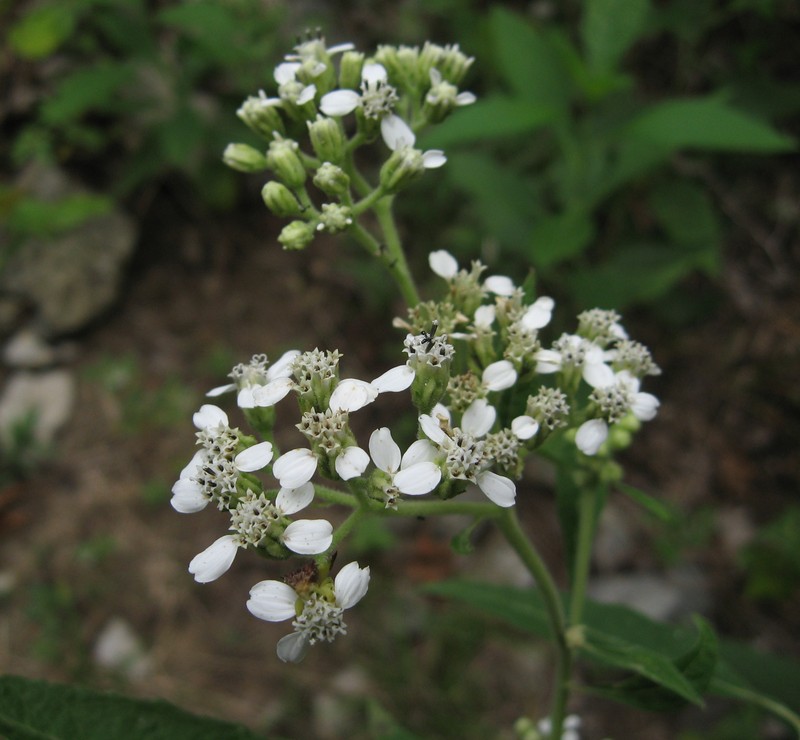
Mason Brock ( Masebrock (en.wikipedia.org) )
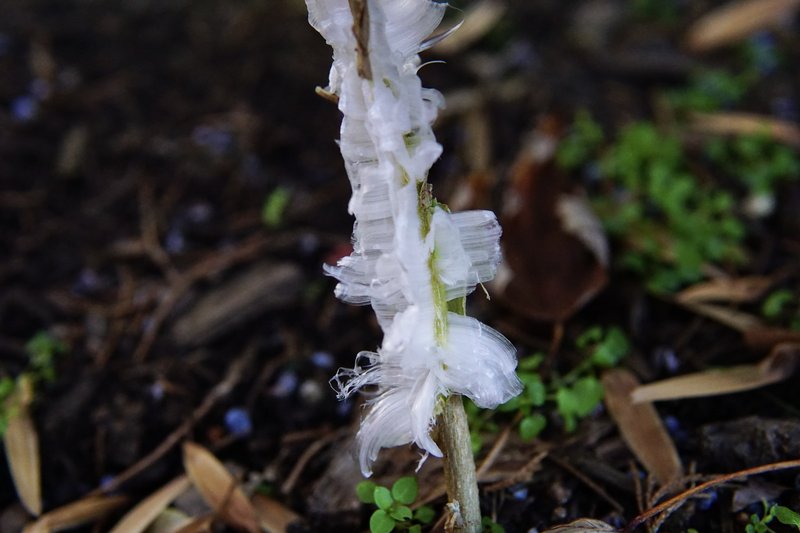
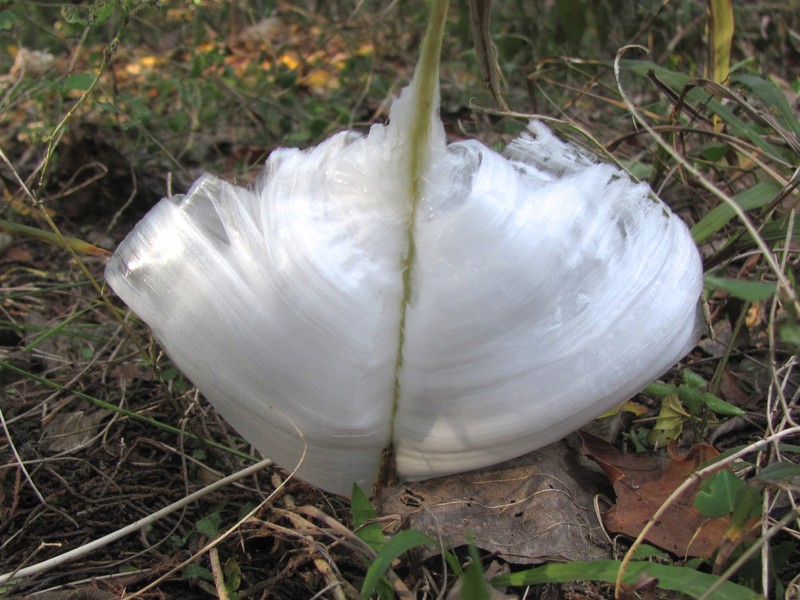
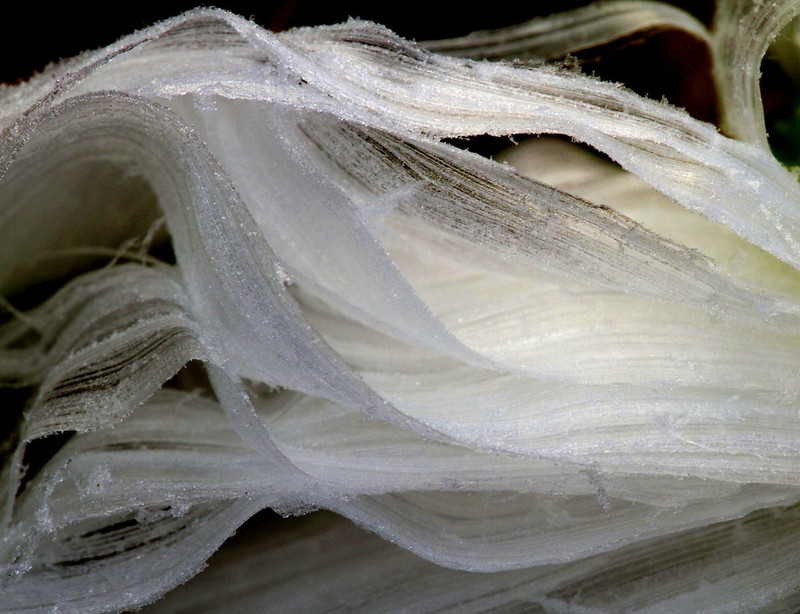
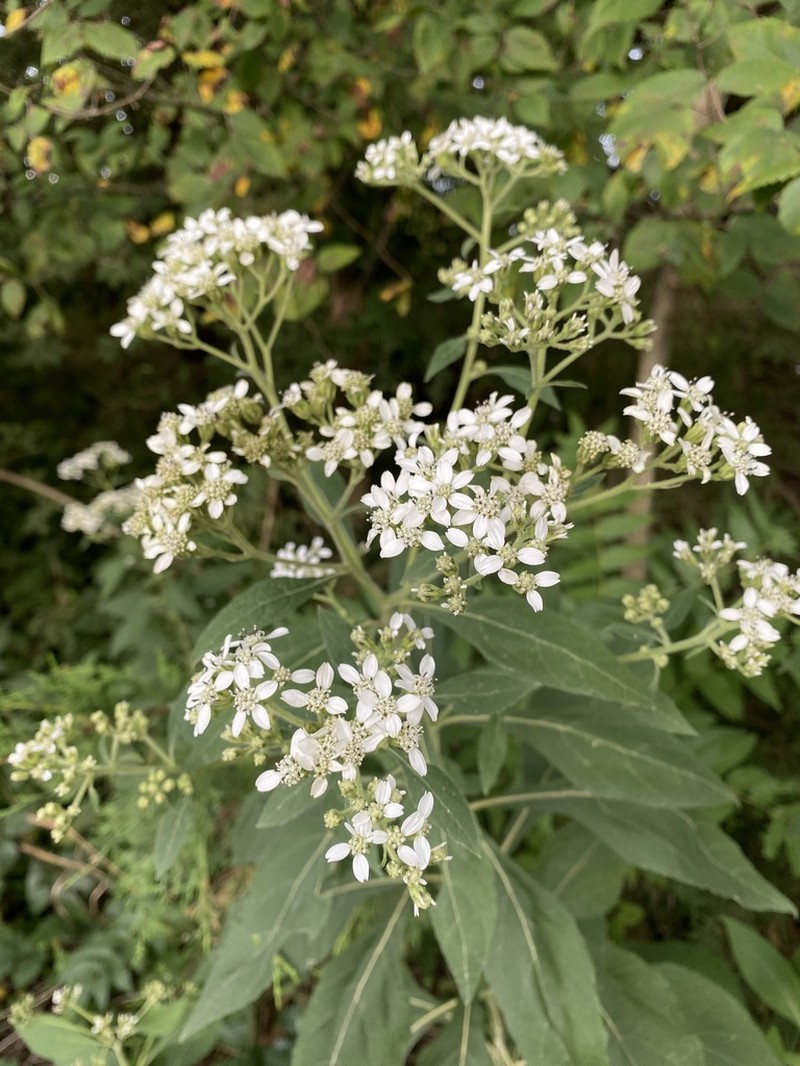
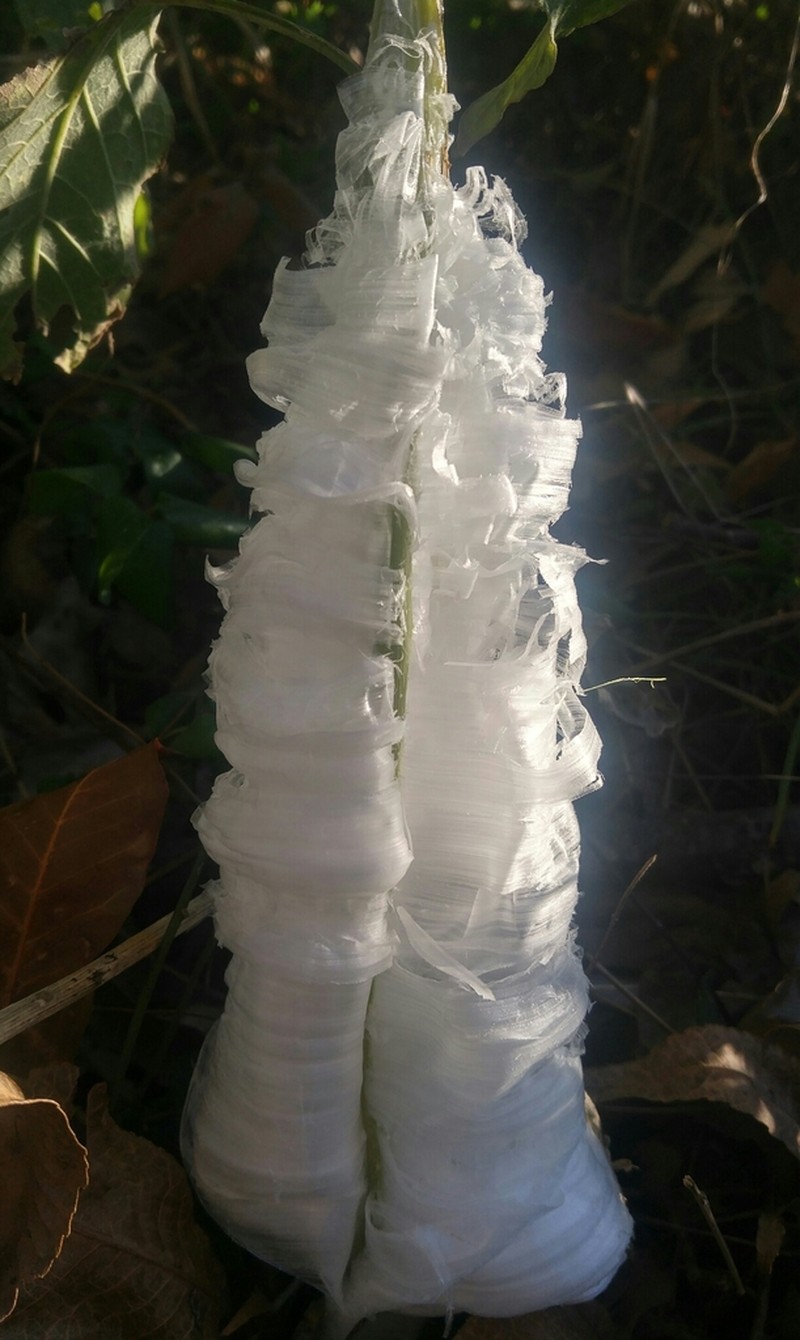
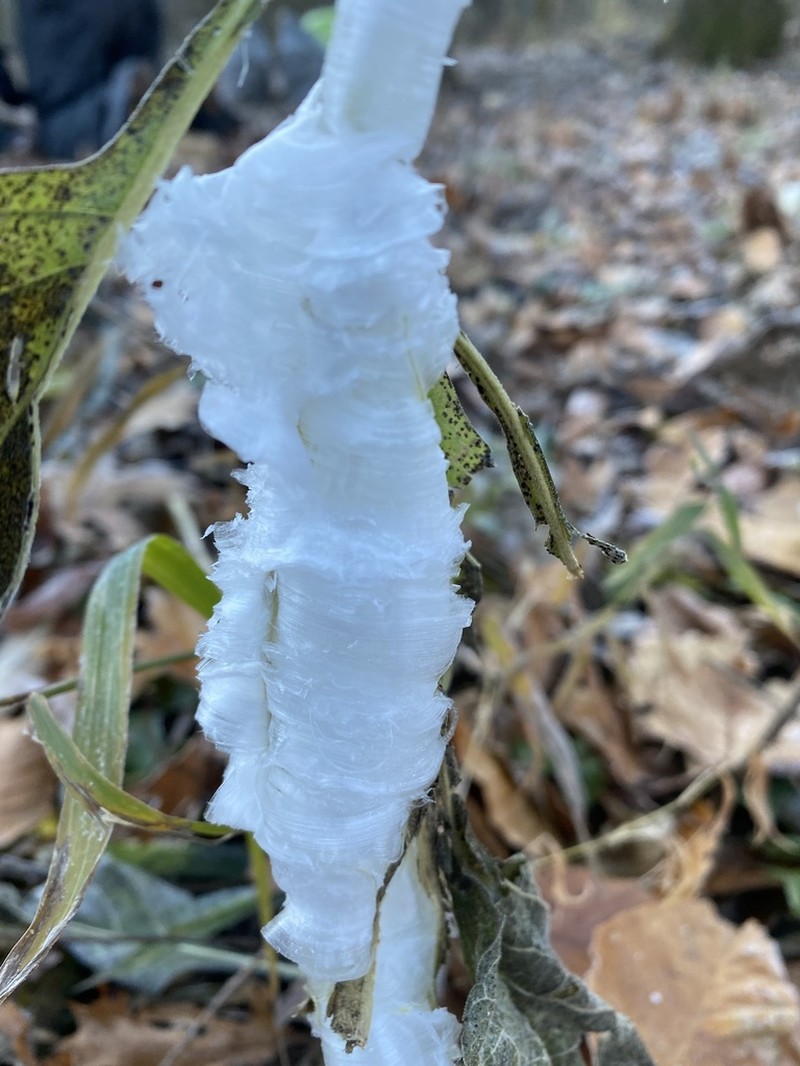
Taxonomy
- Division:
- Magnoliophyta | - Flowering plants
- Family:
- Asteraceae
- Genus:
- Verbesina
- Species:
- Verbesina virginica
- USDA Symbol:
- VEVI3
Growth Characteristics
- Life Cycle:
- Biennial | Perennial
- Growth Habit:
- Forb/herb
- Height:
- 300 cm
- Light Requirements:
- Part Shade,Shade
- Drought Tolerance:
- Low
- Bloom Months:
- aug,sep,oct
- Bloom Colors:
- white
Wildlife Benefits
- Bees:
- ★★☆☆☆ Documented bee visitation (GBIF)
- Butterflies & Moths:
- ★★★★★ Documented Lepidoptera association (GBIF)
- Caterpillars:
- ★☆☆☆☆ Recorded caterpillar host plant (HOSTS Database)
Keystone Species Ranking
- Pollen Specialist Bee Keystone:
- ★★★★★ Native pollen specialist bee species supported by this genus (NWF)
Host Plant for Caterpillars
Cremastobombycia ignota, Cremastobombycia verbesinella, Dichomeris setosella, Bordered Patch (Chlosyne lacinia), orange oakleaf (Charidryas nycteis)
Reported Fauna Sightings
Bees: Common eastern (Bombus impatiens), Eastern Carpenter Bee (Xylocopa virginica), ⚠️Western honey bee (Apis mellifera) Moths:Atteva aurea, Black-and-yellow lichen moth (Lycomorpha pholus) Butterflies:Common Buckeye (Junonia coenia), Dusky-blue Groundstreak (Calycopis isobeon), Gray Hairstreak (Strymon melinus), Great Purple Hairstreak (Atlides halesus), Julia butterfly (Dione vanillae), Juniper Hairstreak (Callophrys gryneus), Mestra (Mestra amymone), ⚠️Monarch butterfly (Danaus plexippus), Painted Lady (Vanessa cardui), Pipevine Swallowtail (Battus philenor), Queen butterfly (Danaus gilippus), Red-banded Hairstreak (Calycopis cecrops), Silvery Checkerspot (Chlosyne nycteis), Tawny Emperor (Asterocampa clyton)
Garden & Ecology Notes
- Wildlife Value:
- butterflies, bees
Soil Requirements
- Soil Type:
- rich, well-drained loamy soil
- pH:
- 5.5 - 7.0 (slightly acidic to neutral)
- Drainage:
- tolerates poor drainage
- Moisture:
- consistently moist
- Notes:
- Commonly found in floodplains and moist woodlands
Propagation & Germination
Pre-treatment: Cold-moist stratification for 30 days at 1–5°C (34–41°F).
Source: Claude AI
Where to Buy
Nationwide Seller
- Native American Seed (nursery and seeds)
- Native Plants Nursery (nursery)