
Broadleaf Ironweed
Vernonia glauca
- Native to:
- United States, Virgin Islands
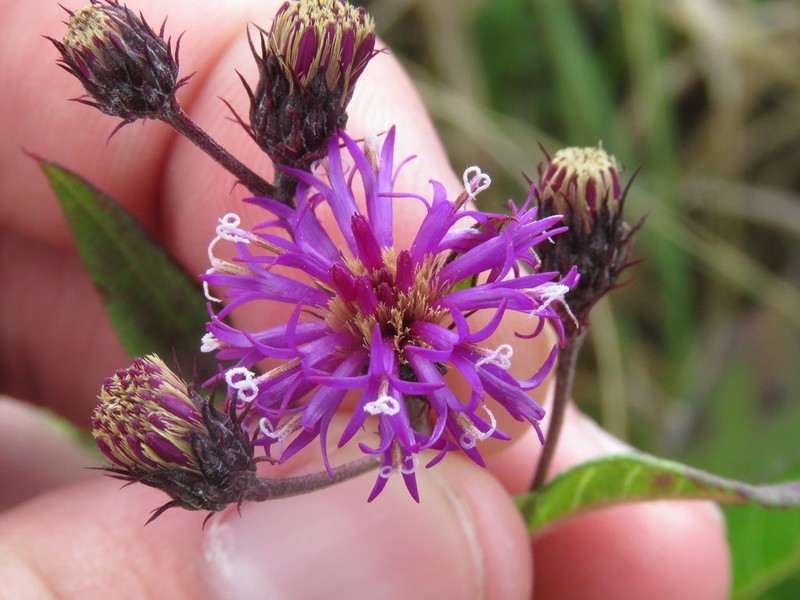
iNaturalist: © matthew_salkiewicz (iNaturalist #33348266)
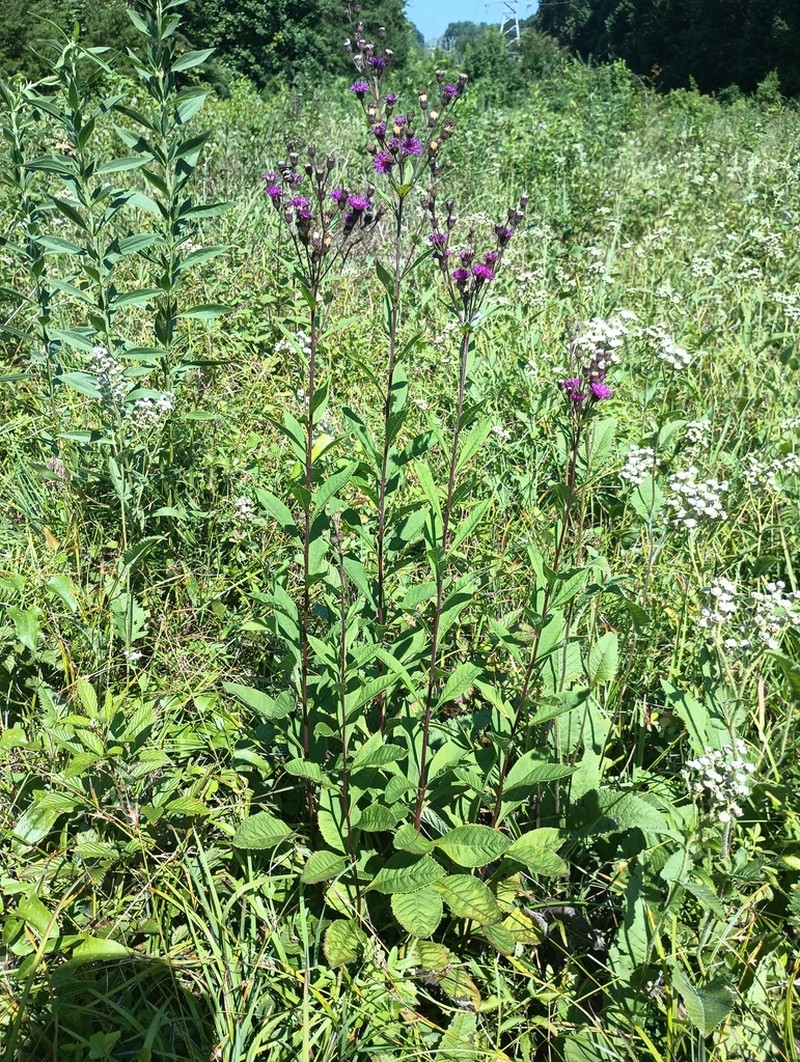
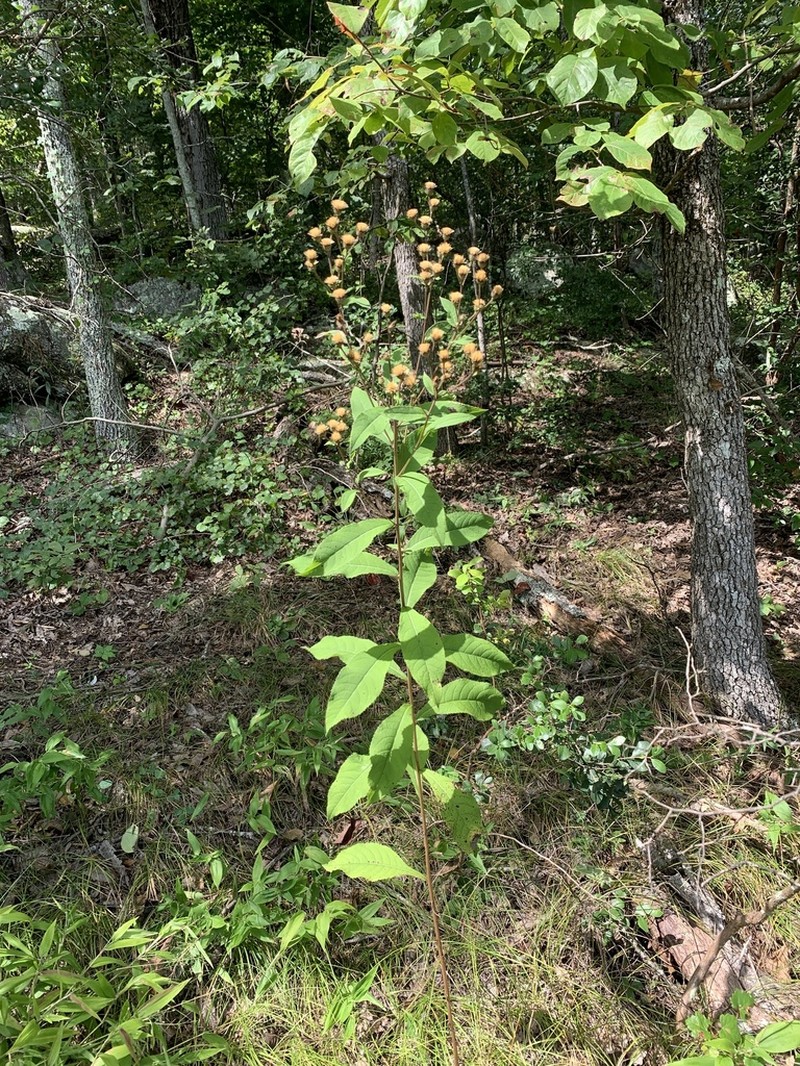
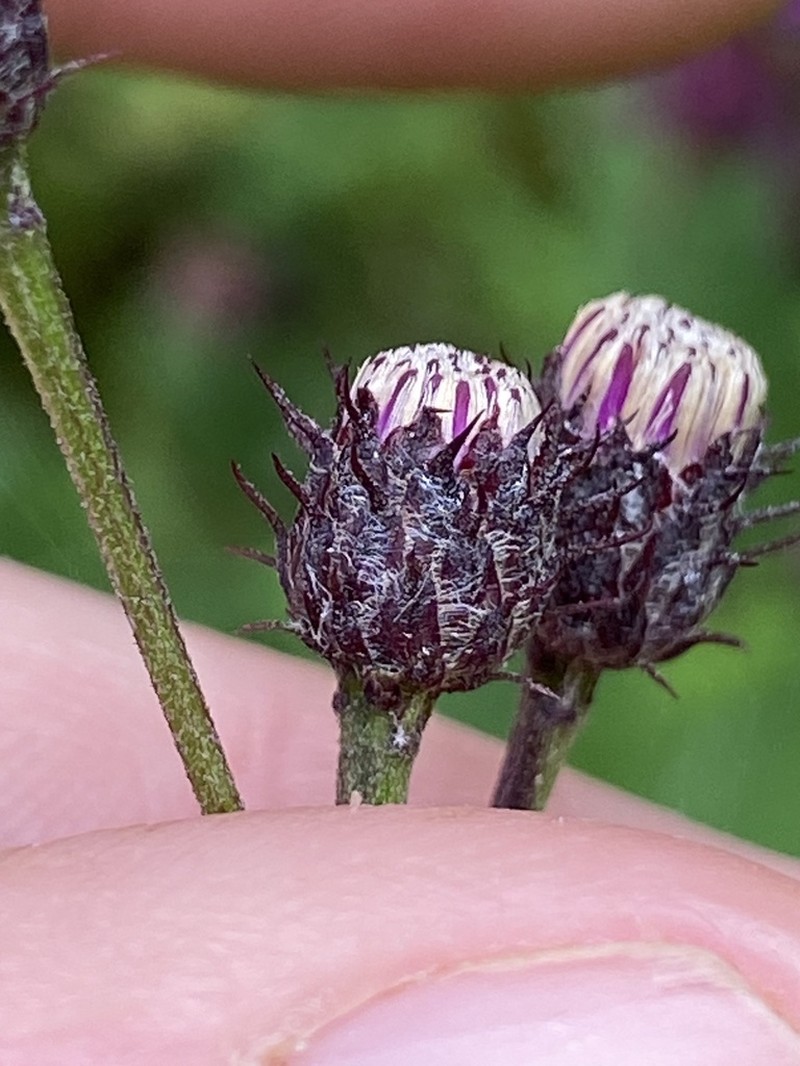
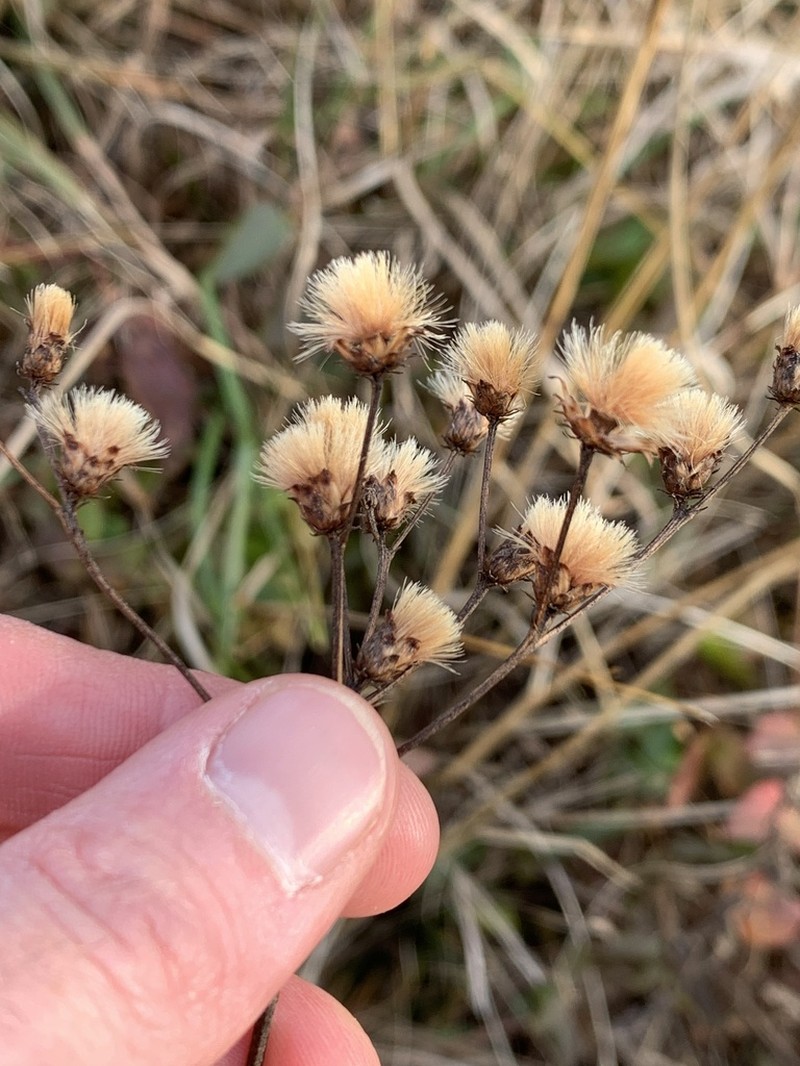
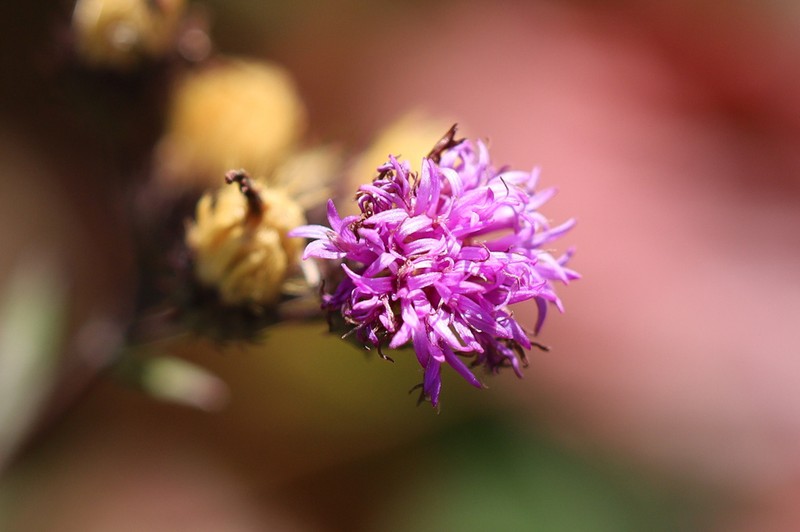
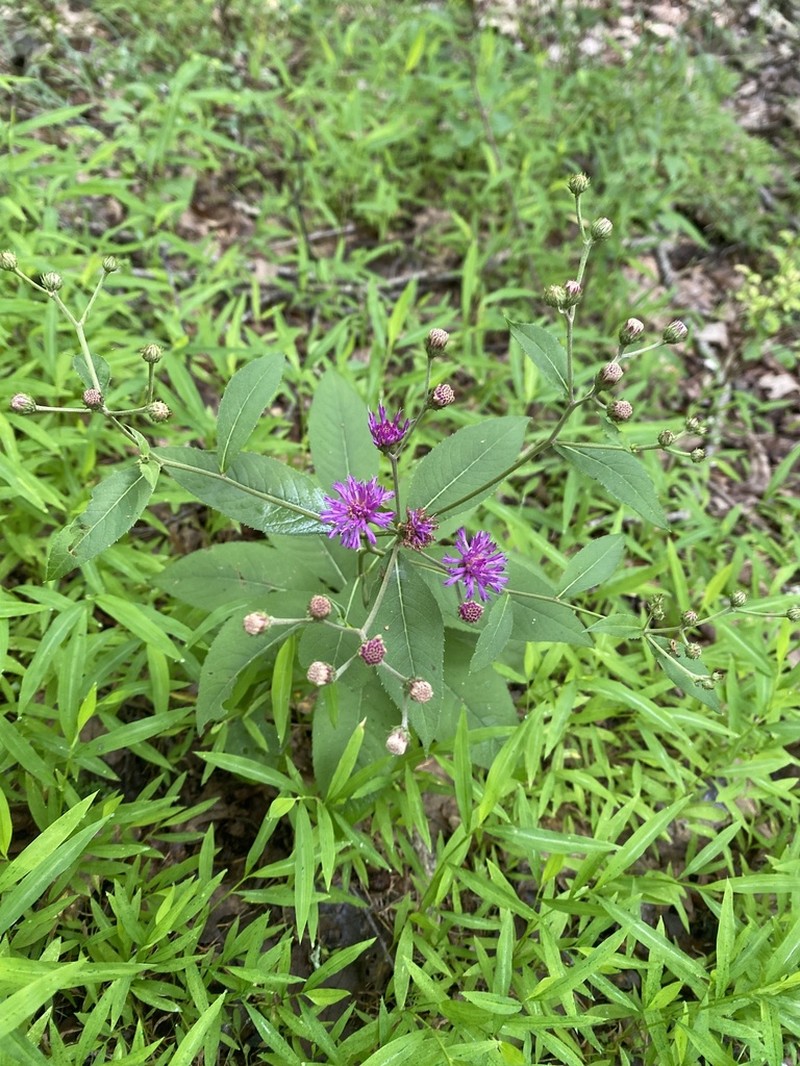
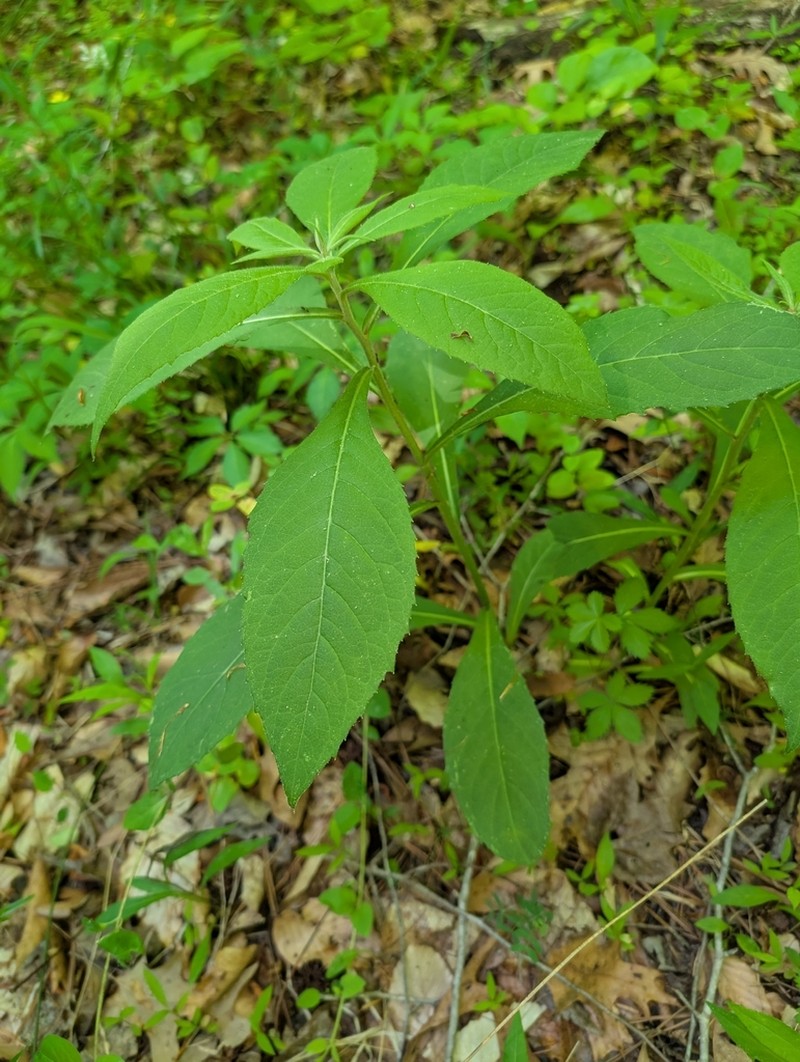
Taxonomy
- Division:
- Magnoliophyta | - Flowering plants
- Family:
- Asteraceae
- Genus:
- Vernonia
- Species:
- Vernonia glauca
- USDA Symbol:
- VEGL
Growth Characteristics
- Life Cycle:
- Perennial
- Growth Habit:
- Forb/herb
- Height:
- 150 cm
- Light Requirements:
- Full Sun
- Drought Tolerance:
- Medium
- Bloom Months:
- jul,aug,sep
- Bloom Colors:
- purple
Wildlife Benefits
- Bees:
- ★★☆☆☆ Documented bee visitation (GBIF)
- Butterflies & Moths:
- ★☆☆☆☆ Documented Lepidoptera association (GBIF)
- Caterpillars:
- ★★☆☆☆ Recorded caterpillar host plant (HOSTS Database)
Keystone Species Ranking
- Pollen Specialist Bee Keystone:
- ★★☆☆☆ Native pollen specialist bee species supported by this genus (NWF)
Host Plant for Caterpillars
Endopiza vernoniana, green cloverworm moth (Platynota idaeusalis), ironweed borer moth (Papaipema cerussata), ironweed clearwing (Carmenta bassiformis), mugwort plume moth (Hellinsia paleaceus), Parthenice tiger moth (Grammia parthenice), red groundling moth (Perigea xanthioides), Ruby Tiger Moth (Phragmatobia fuliginosa), Salt Marsh Moth (Estigmene acrea), Spotted Tussock Moth (Lophocampa maculata), Yellow-striped armyworm (Spodoptera ornithogalli), ⚠️Diana fritillary (Speyeria diana)
Garden & Ecology Notes
- Wildlife Value:
- butterflies, bees
Soil Requirements
- Soil Type:
- well-drained, sandy or rocky soil
- pH:
- 5.5 - 7.0 (slightly acidic to neutral)
- Drainage:
- excellent drainage required
- Moisture:
- dry to moderate
- Notes:
- prefers open, sunny habitats like meadows and prairies
Propagation & Germination
- Stratification:
- Cold/moist stratification required — 30–60 days
- Germination Time:
- 14–30 days
- Notes:
- Seeds germinate readily after cold stratification; surface sow and keep moist.