
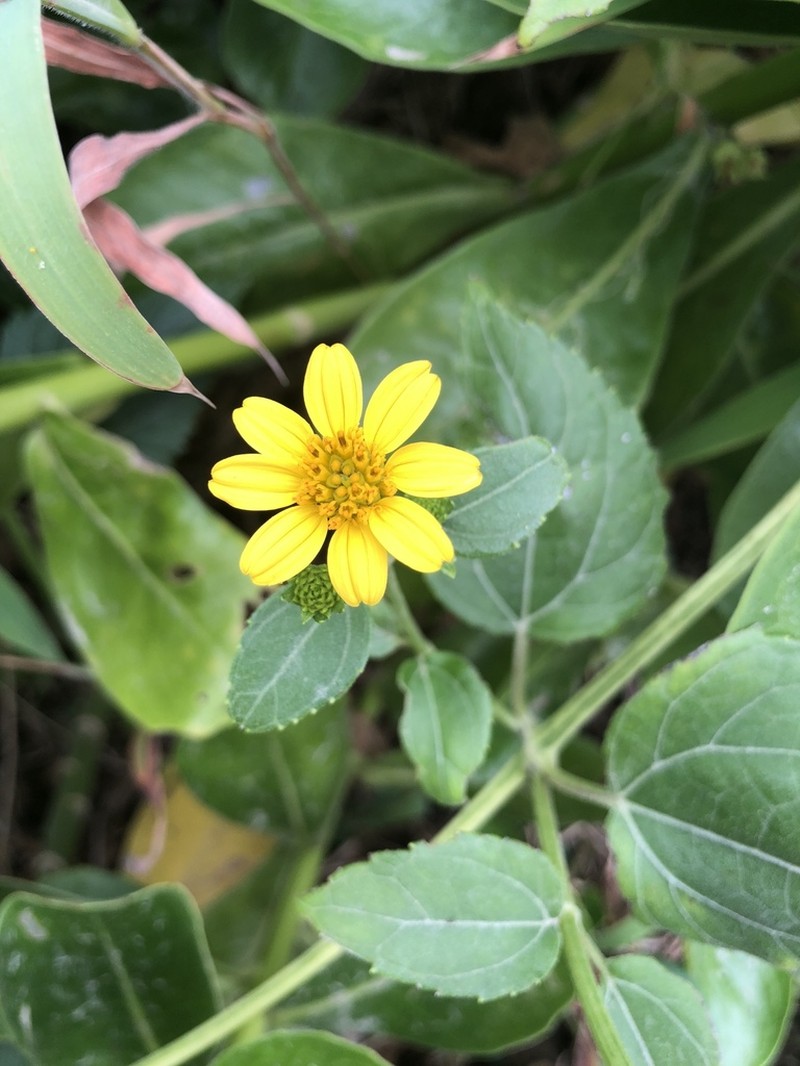
Sea Daisy
Wollastonia biflora
- Native to:
- American Samoa, Andaman Is., Australia, Bangladesh, Bismarck Archipelago, Cambodia, Caroline Is., Chagos Archipelago, China, Christmas I., Cocos (Keeling) Is., Comoros, Cook Is., Federated States of Micronesia, Fiji, Gilbert Is., Guam, Hainan, Hawaii, India, Jawa, Kazan-retto, Laos, Malaya, Maldives, Marianas, Marshall Is., Marshall Islands, Mozambique, Mozambique Channel Is., Myanmar, Nansei-shoto, Nepal, New Caledonia, Niue, Norfolk Is., Northern Mariana Islands, Ogasawara-shoto, Palau, Philippines, Samoa, South Africa, South China Sea, Sri Lanka, Taiwan, Thailand, Tonga, Tubuai Is., Tuvalu, United States, Vanuatu, Vietnam, Wallis-Futuna Is.
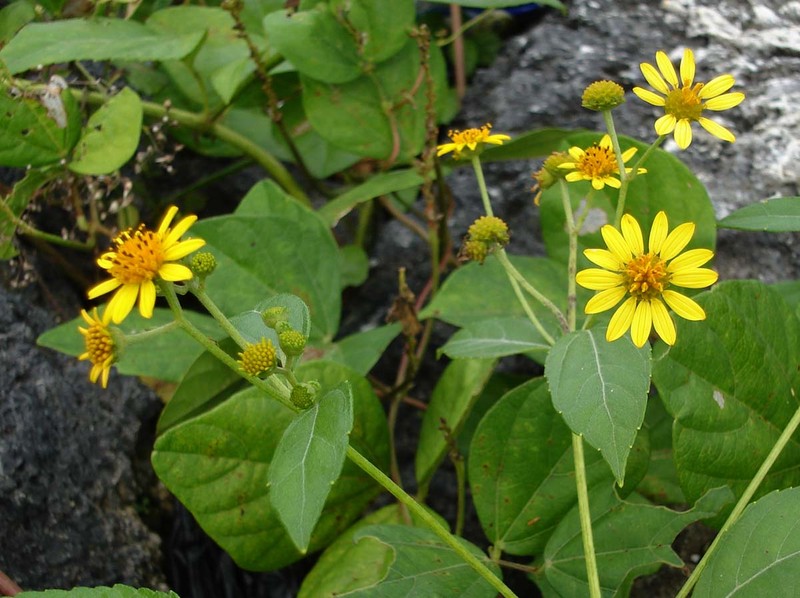
Tauʻolunga
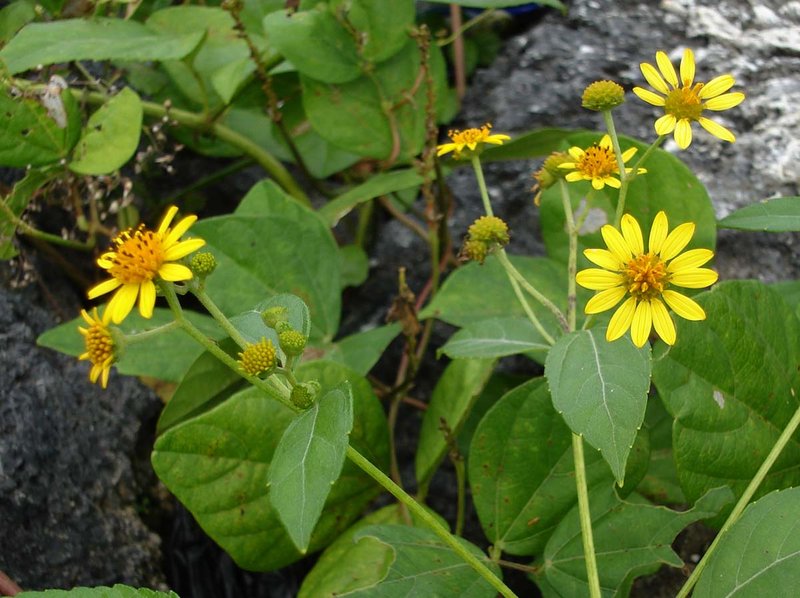
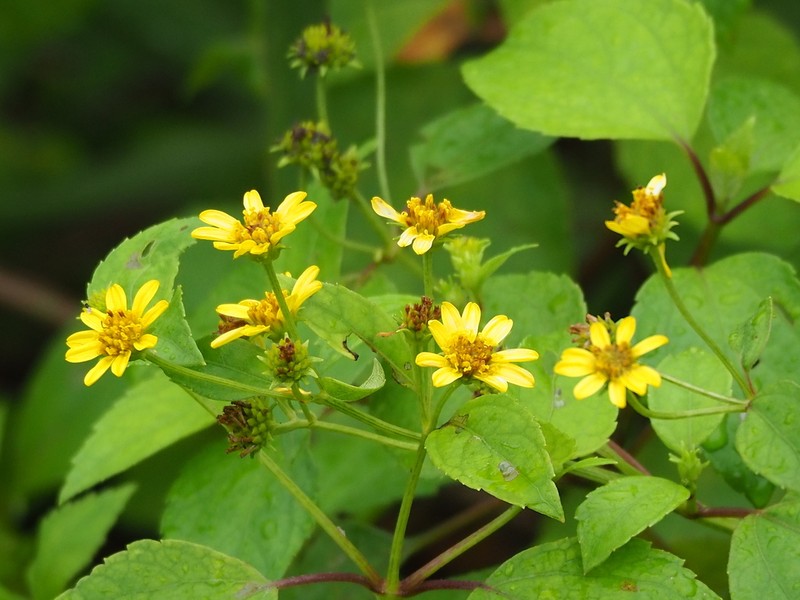
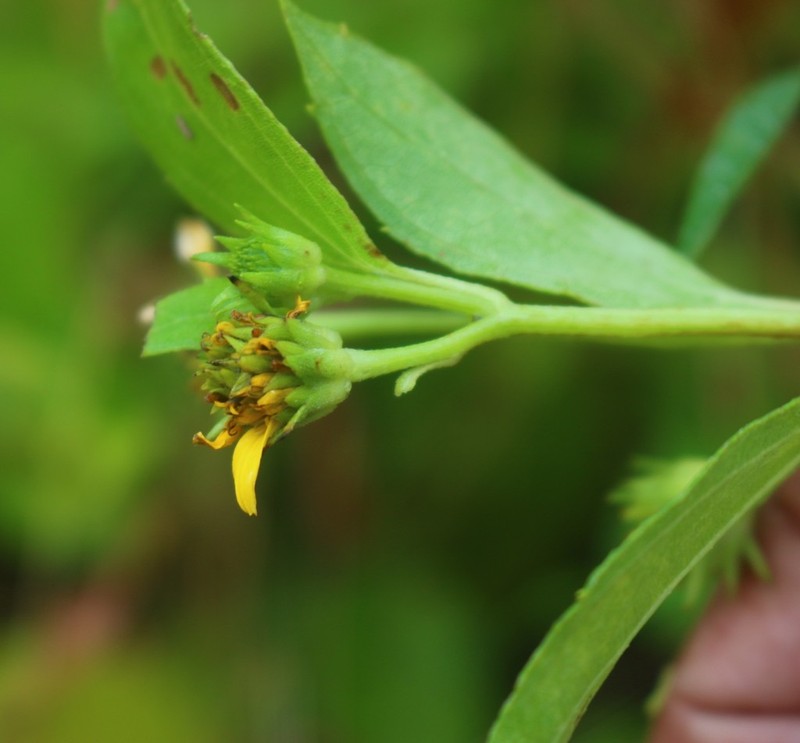
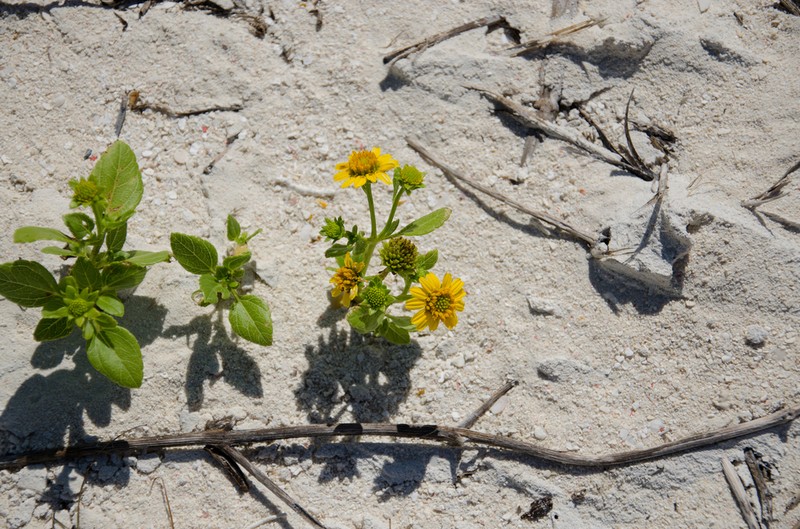
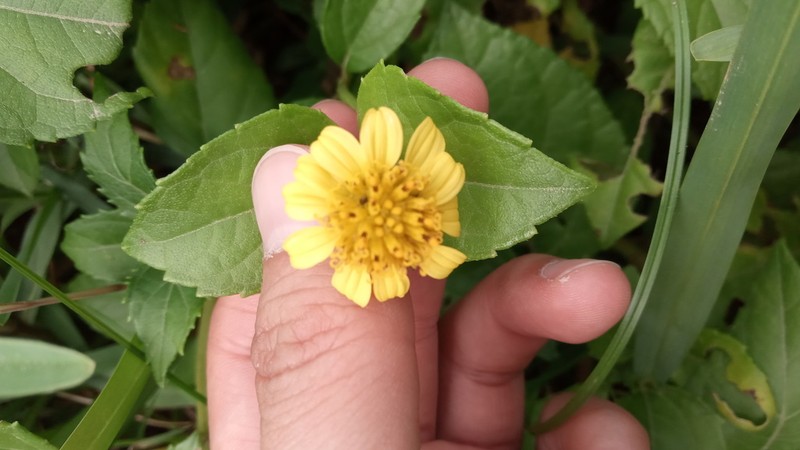
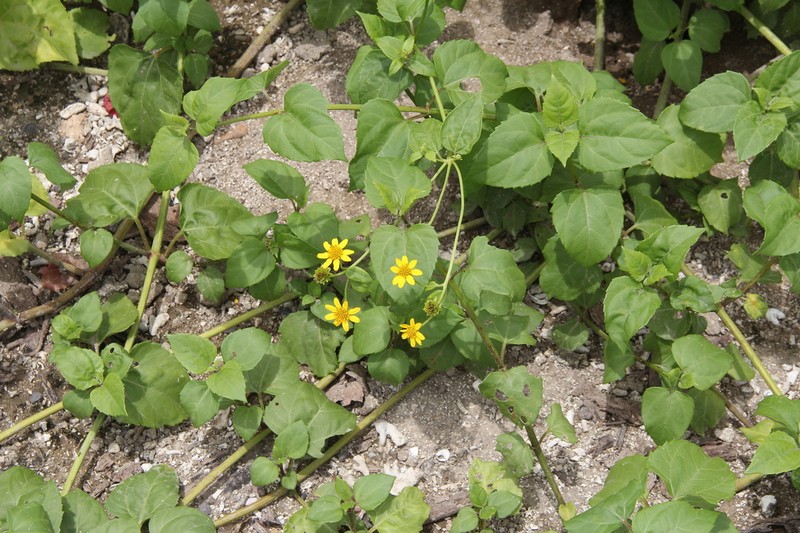
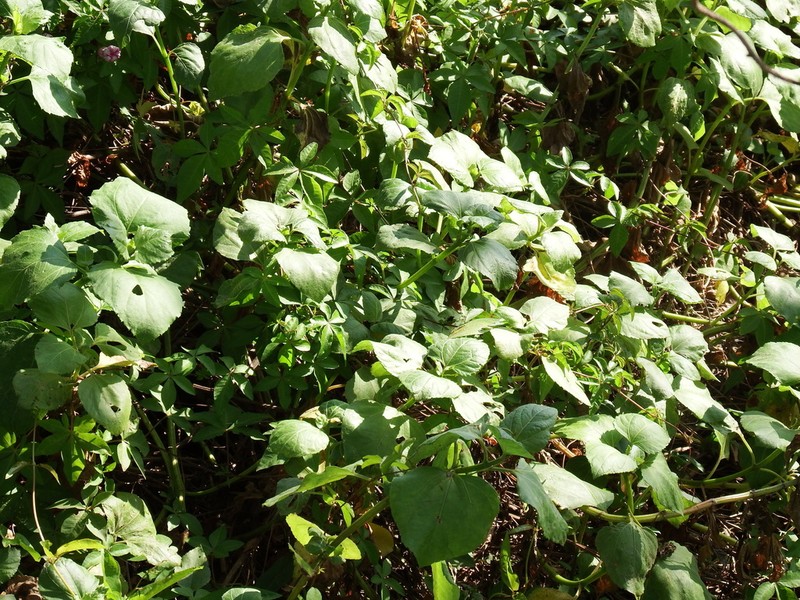
Taxonomy
- Division:
- Magnoliophyta | - Flowering plants
- Family:
- Asteraceae
- Genus:
- Wollastonia
- Species:
- Wollastonia biflora
- USDA Symbol:
- MEBI4
Growth Characteristics
- Life Cycle:
- Perennial
- Growth Habit:
- Forb/herb , Subshrub
- Height:
- 200 cm
- Light Requirements:
- Full Sun
- Drought Tolerance:
- Medium
- Bloom Months:
- jan,feb,mar,apr,may,jun,jul,aug,sep,oct,nov,dec
- Bloom Colors:
- yellow
Wildlife Benefits
- Bees:
- ★☆☆☆☆ Documented bee visitation (GBIF)
- Butterflies & Moths:
- ★☆☆☆☆ Documented Lepidoptera association (GBIF)
Garden & Ecology Notes
- Wildlife Value:
- birds, butterflies
- Salt Tolerant:
- Yes
Soil Requirements
- Soil Type:
- sandy, well-drained, nutrient-rich soil
- pH:
- 6.0 - 7.5 (slightly acidic to neutral)
- Drainage:
- excellent drainage required
- Moisture:
- consistently moist
- Notes:
- thrives in coastal and tropical regions