
Mule-Ears
Wyethia amplexicaulis
- Native to:
- United States
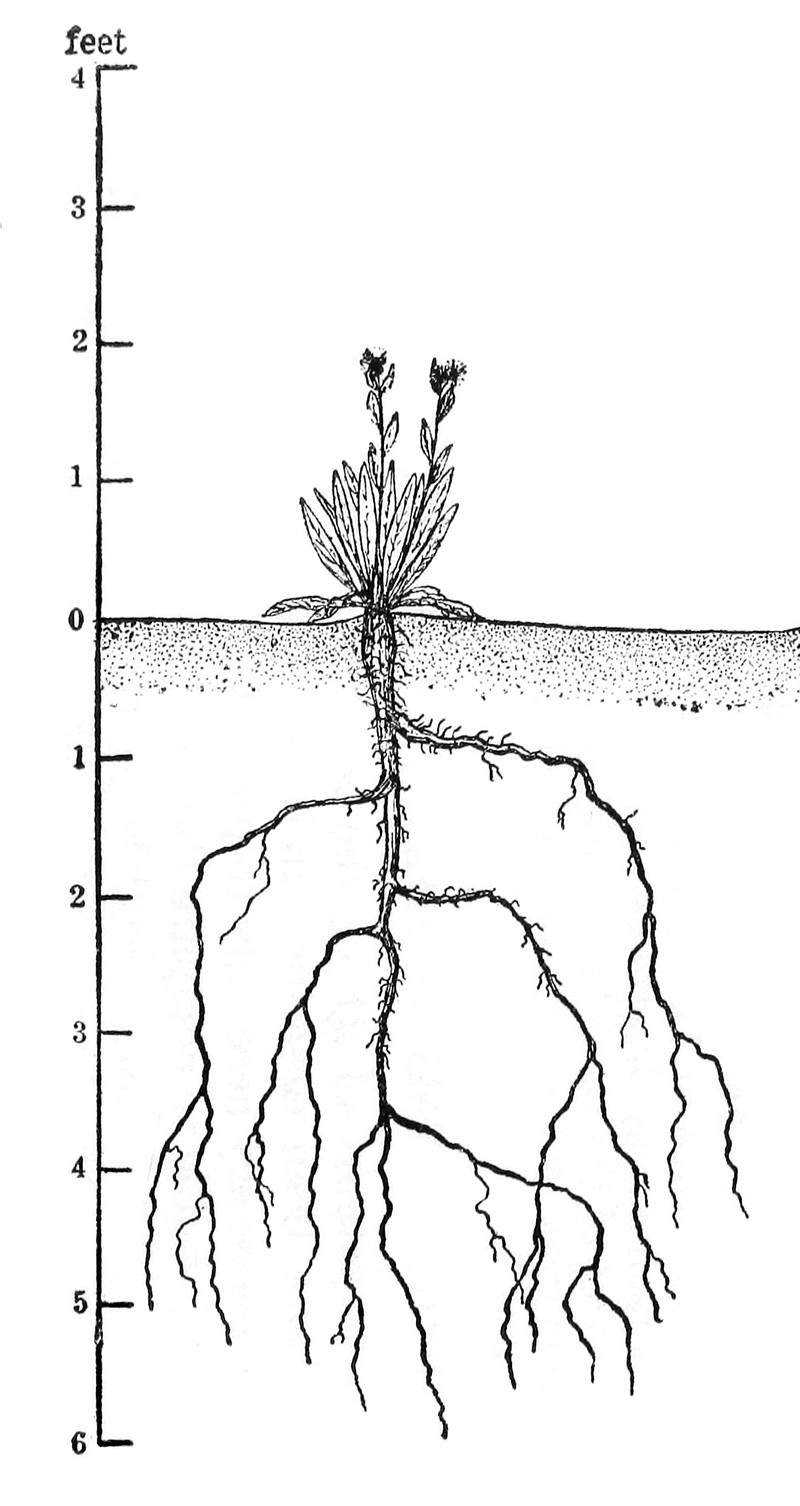
Weaver, John E. (John Ernst), 1884-1966
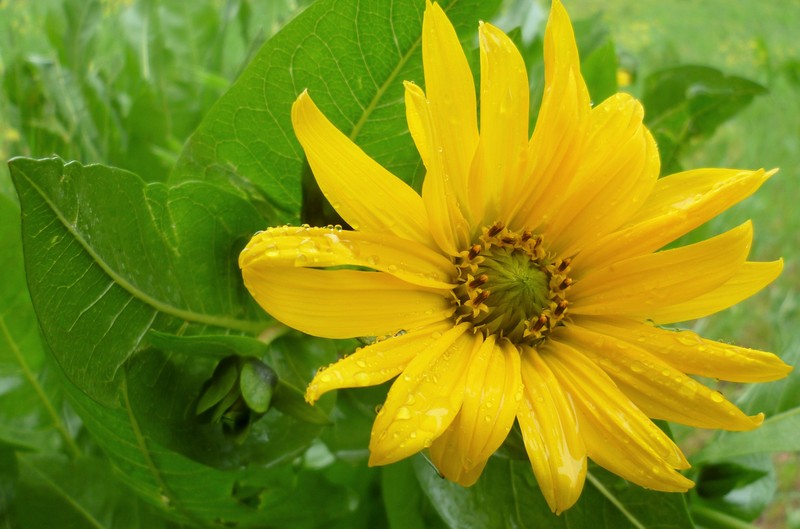
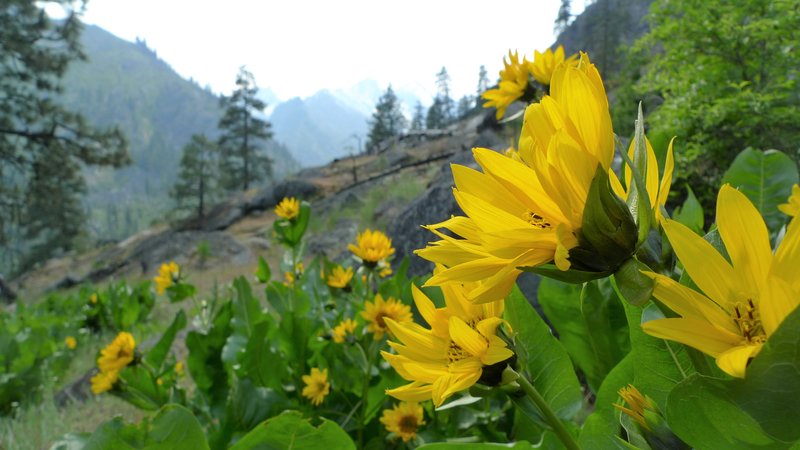
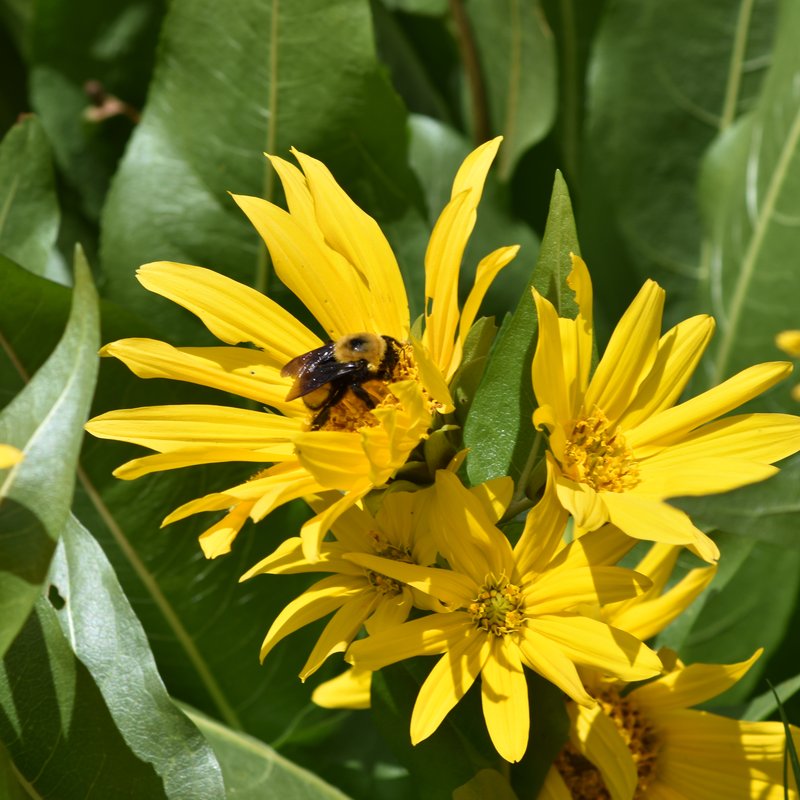
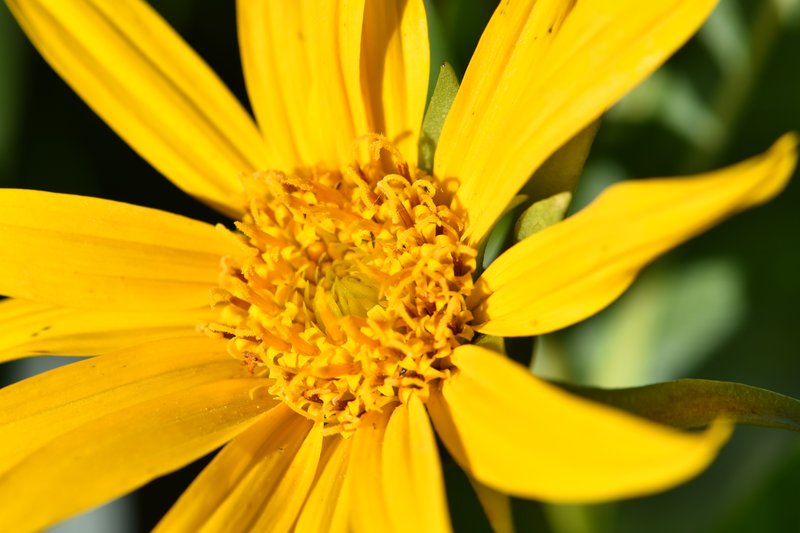
Taxonomy
- Division:
- Magnoliophyta | - Flowering plants
- Family:
- Asteraceae
- Genus:
- Wyethia
- Species:
- Wyethia amplexicaulis
- USDA Symbol:
- WYAM
Growth Characteristics
- Life Cycle:
- Perennial
- Growth Habit:
- Forb/herb
- Height:
- 100 cm
- Light Requirements:
- Full Sun
- Drought Tolerance:
- Medium
- Bloom Months:
- may,jun,jul
- Bloom Colors:
- yellow
Wildlife Benefits
- Bees:
- ★☆☆☆☆ Documented bee visitation (GBIF)
- Butterflies & Moths:
- ★☆☆☆☆ Documented Lepidoptera association (GBIF)
- Caterpillars:
- ★☆☆☆☆ Recorded caterpillar host plant (HOSTS Database)
Host Plant for Caterpillars
Oidaematophorus occidentalis
Reported Fauna Sightings
Bees: Brown-belted bumble bee (Bombus griseocollis), Central bumble bee (Bombus centralis), Hunt's bumble bee (Bombus huntii), Nevada bumble bee (Bombus nevadensis), Red-belted bumble bee (Bombus rufocinctus)
Garden & Ecology Notes
- Wildlife Value:
- bees, butterflies
Soil Requirements
- Soil Type:
- well-drained, sandy or rocky soil
- pH:
- 6.0 - 7.5 (slightly acidic to neutral)
- Drainage:
- excellent drainage required
- Moisture:
- dry to moderate
- Notes:
- prefers open, sunny locations
Propagation & Germination
- Stratification:
- Cold/moist stratification required — 30–60 days
- Germination Time:
- 14–30 days
- Notes:
- Seeds benefit from cold stratification for 30-60 days to break dormancy.
Pre-treatment: Seeds require cold stratification for 90 or more days for optimal germination. Seeds from northern Nevada and California specifically require 4 weeks of cool, moist stratification.
Establishment: Seeds are collected in late July or early August when the inflorescence is dry and the seeds are dark brown in color. Seedheads are clipped from the plants and stored in paper bags at room temperature until cleaned. The plant is generally found in the Western US east to Montana and south to Colorado and Nevada.
Source: npn.rngr.net
Where to Buy
Nationwide Seller
- Native Seed Group (seeds)