
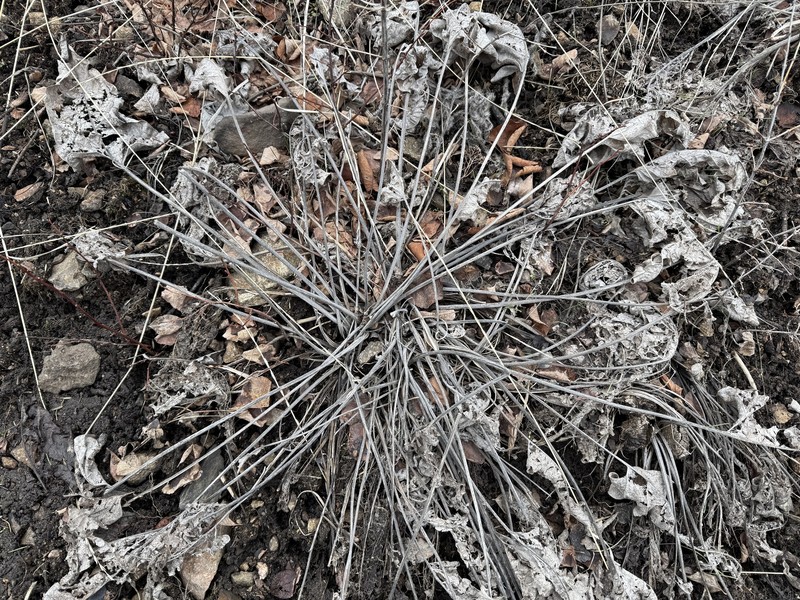
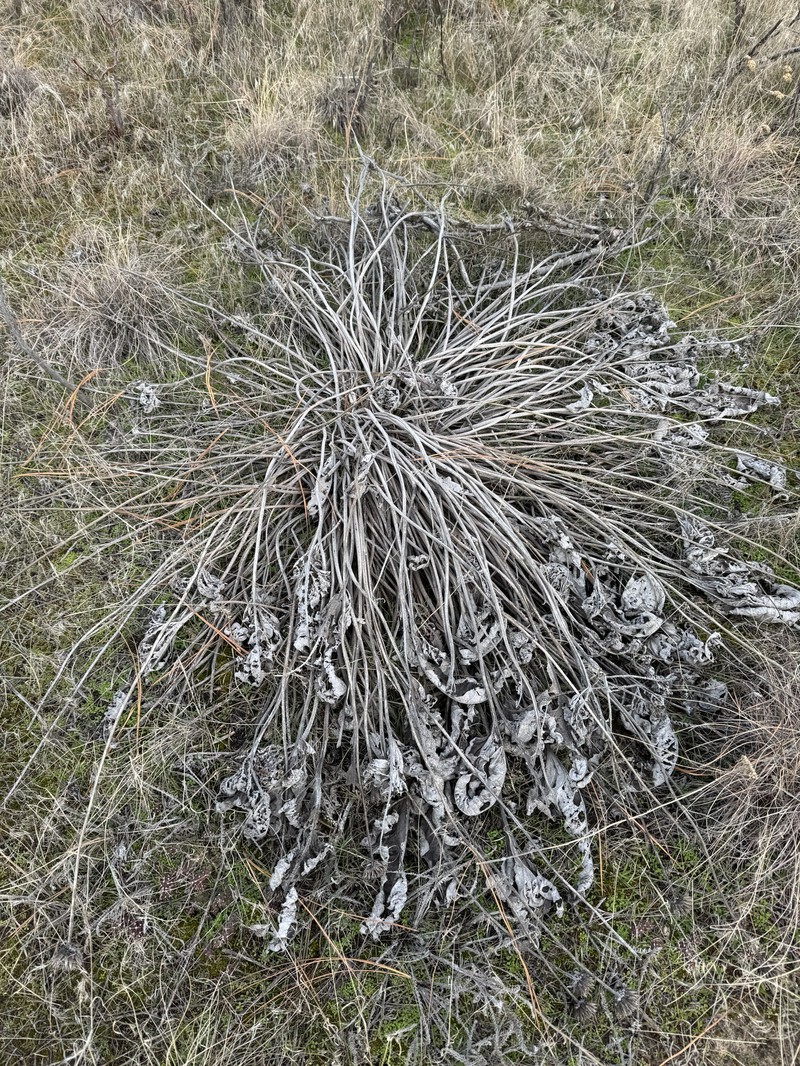
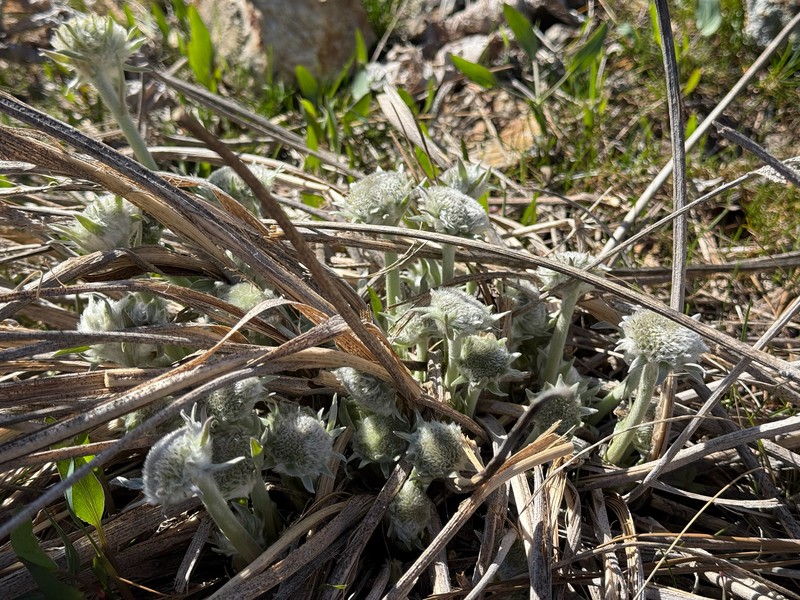
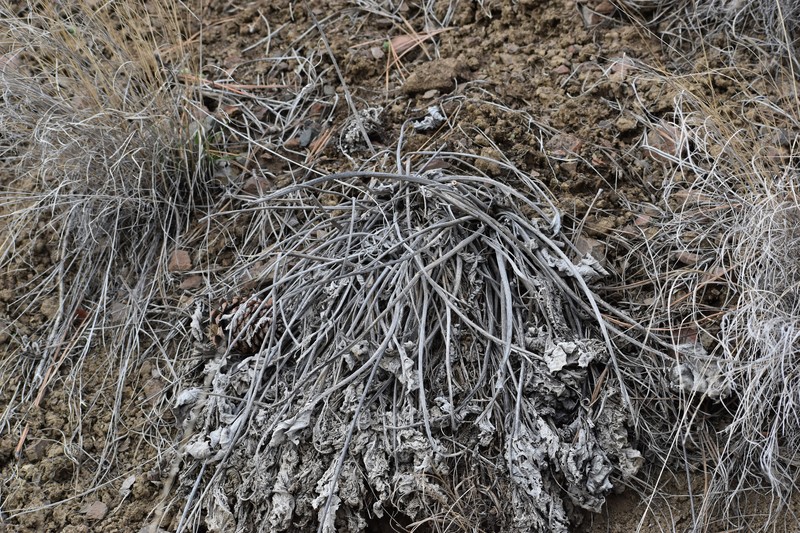
Arrowleaf Balsamroot
Wyethia sagittata
- Native to:
- Canada, United States
GBIF: mackbrennan
Taxonomy
- Division:
- Magnoliophyta | - Flowering plants
- Family:
- Asteraceae
- Genus:
- Wyethia
- Species:
- Wyethia sagittata
- USDA Symbol:
- BASA3
Growth Characteristics
- Life Cycle:
- Perennial
- Growth Habit:
- Forb/herb
- Height:
- 120 cm
- Light Requirements:
- Full Sun
- Drought Tolerance:
- High
- Bloom Months:
- apr,may,jun
- Bloom Colors:
- yellow
Wildlife Benefits
- Bees:
- ★★☆☆☆ Documented bee visitation (GBIF)
- Butterflies & Moths:
- ★☆☆☆☆ Documented Lepidoptera association (GBIF)
- Caterpillars:
- ★★☆☆☆ Recorded caterpillar host plant (HOSTS Database)
Host Plant for Caterpillars
Reported Fauna Sightings
Garden & Ecology Notes
- Wildlife Value:
- birds, butterflies, small mammals
- Fire Ecology:
- Fire adapted — tolerates or benefits from fire
- Fire Notes:
- Resprouts from deep taproot after fire; benefits from post-fire conditions.
Soil Requirements
- Soil Type:
- dry, well-drained sandy or rocky soil
- pH:
- 5.5 - 7.5 (slightly acidic to neutral)
- Drainage:
- excellent drainage required
- Moisture:
- dry to moderate
- Notes:
- prefers open, sunny habitats
Propagation & Germination
- Stratification:
- Cold/moist stratification required — 60–90 days
- Germination Time:
- 14–30 days
- Notes:
- Seeds benefit from cold stratification for 60-90 days to break dormancy.
Pre-treatment: Seeds require cold, moist stratification. Preliminary trials indicate that seeds are dormant and this dormancy is not broken with dry storage. Ethylene treatment can improve germination rates. Seeds can also be chilled and frozen before ethylene and stratification treatment.
Establishment: Seeds are collected when the inflorescence is dry and the achenes are dark brown to black. Shattering is usually not a problem but the seeds are subject to bird and animal predation. Insect damage can also be extensive. Seed is stored in paper bags at room temperature until cleaned. A strict seed collection mandate of removing less than 5% of a population in each collection area was followed. Seed was hand harvested in five separate locations. Because of possible variation in seed due to elevation and geographical differences, harvesting was very site specific: geographical locations similar to each other and to the field-transplanting site were selected.
Source: npn.rngr.net
Where to Buy
Nationwide Seller
- Native Seed Group (seeds)