
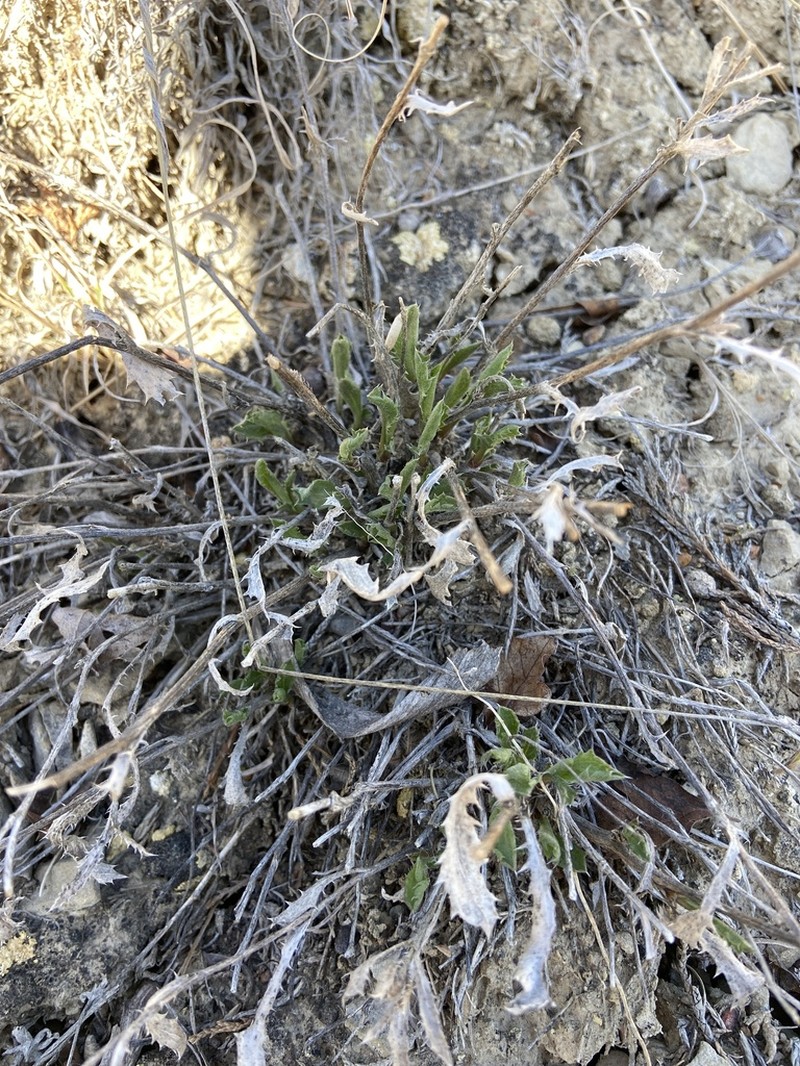
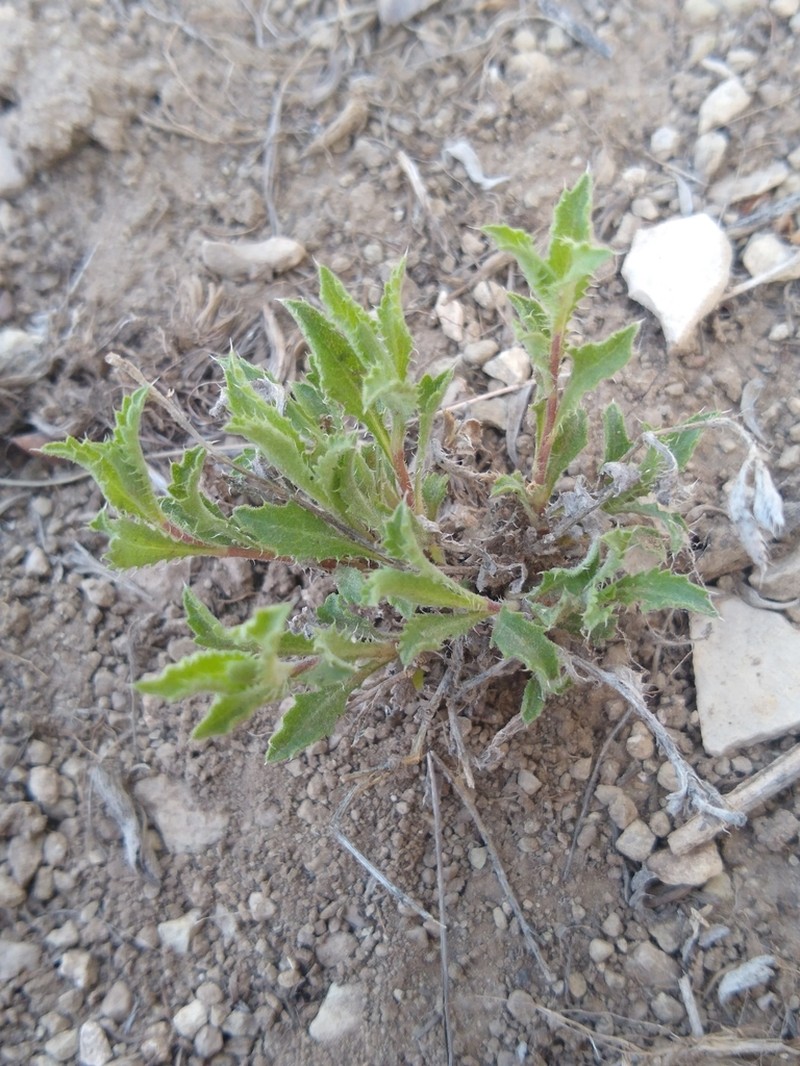
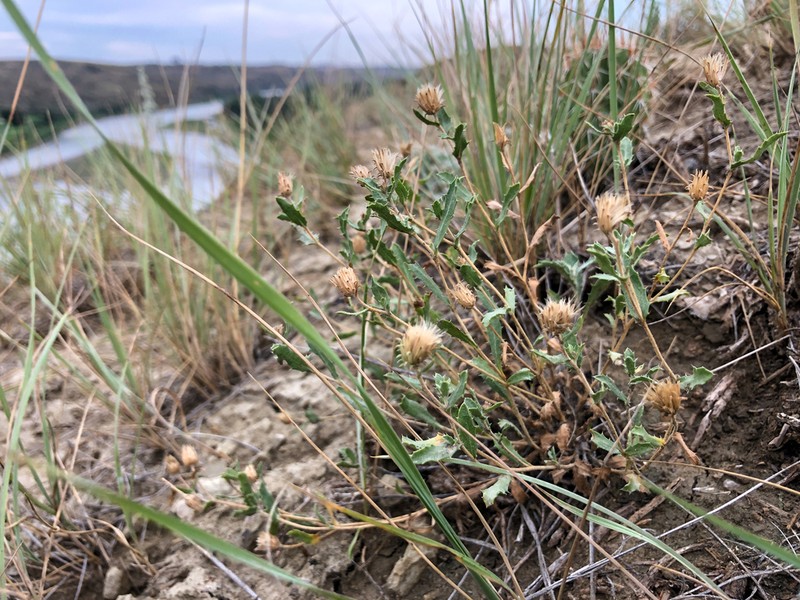
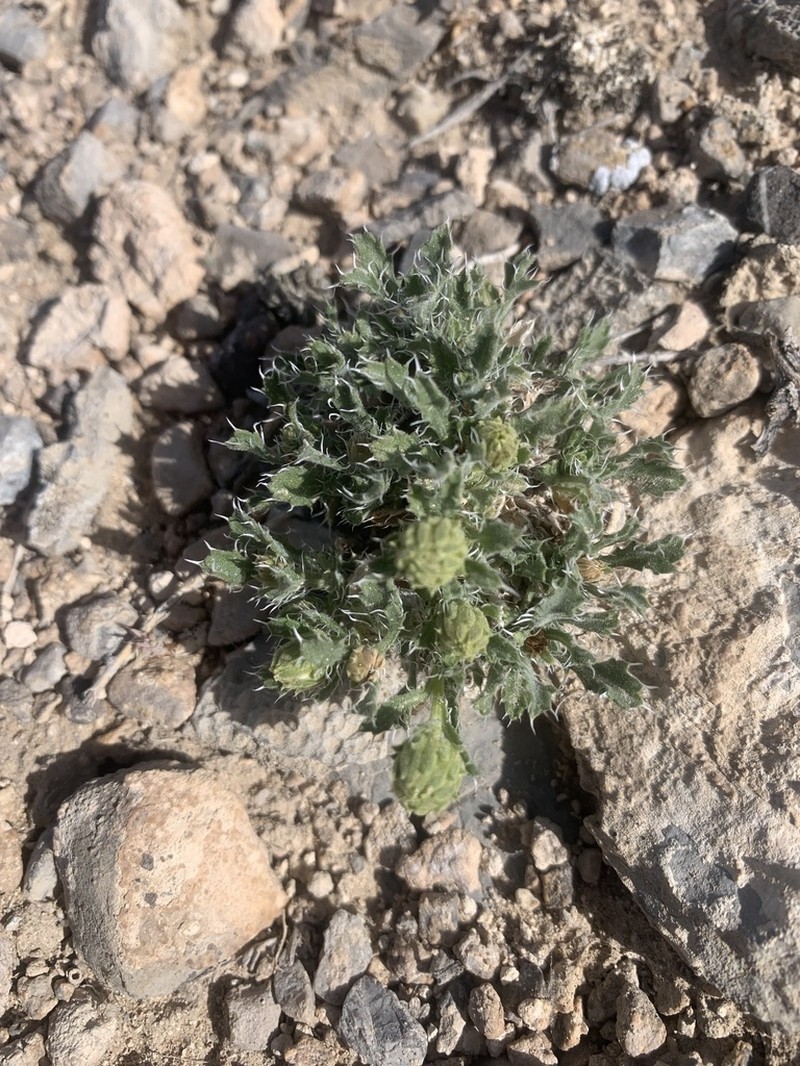
Rayless Tansyaster
Xanthisma grindelioides
- Native to:
- Canada, United States
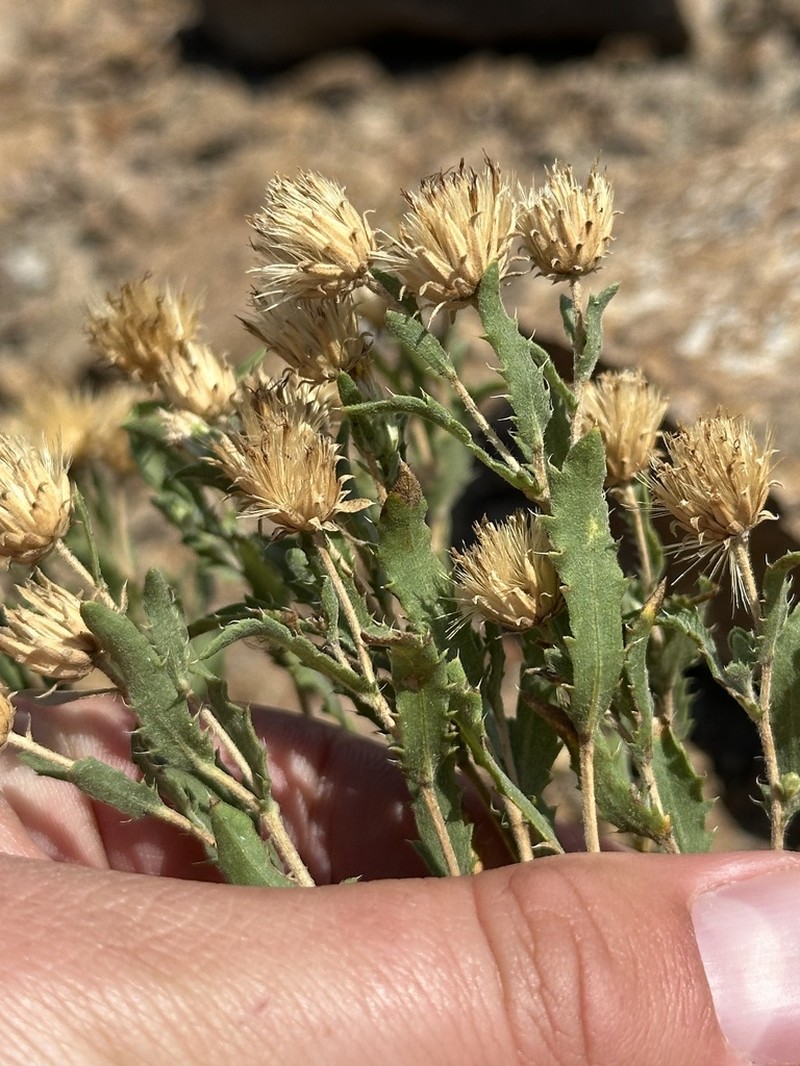
iNaturalist: © kallummcdonald (iNaturalist #235258735)
Taxonomy
- Division:
- Magnoliophyta | - Flowering plants
- Family:
- Asteraceae
- Genus:
- Xanthisma
- Species:
- Xanthisma grindelioides
- USDA Symbol:
- MAGR2
Growth Characteristics
- Life Cycle:
- Perennial
- Growth Habit:
- Forb/herb , Subshrub
- Height:
- 40 cm
- Light Requirements:
- Full Sun
- Drought Tolerance:
- High
- Bloom Months:
- jun,jul,aug,sep
- Bloom Colors:
- yellow
Wildlife Benefits
- Bees:
- ★☆☆☆☆ Documented bee visitation (GBIF)
- Butterflies & Moths:
- ★☆☆☆☆ Documented Lepidoptera association (GBIF)
Garden & Ecology Notes
- Wildlife Value:
- bees, butterflies
- Deer Resistant:
- Yes
Soil Requirements
- Soil Type:
- sandy, well-drained, nutrient-poor soil
- pH:
- 6.0 - 8.0 (slightly acidic to neutral)
- Drainage:
- excellent drainage required
- Moisture:
- dry to moderate
- Notes:
- native to arid regions, prefers open, sunny areas
Propagation & Germination
- Stratification:
- Cold/moist stratification required — 30–60 days
- Germination Time:
- 14–30 days
- Notes:
- Seeds germinate readily after cold stratification; sow in fall or stratify for 30-60 days.
Pre-treatment: Seeds require cold moist stratification for optimum germination. Tested durations were 1, 2, 3, and 4 months at 3 ±2° C. The highest germination was observed after 3 months of cold stratification. Gibberellic acid (GA3) treatment on un-stratified seeds was not effective.
Establishment: The plant is found throughout the Mountain West of the United States and extending North into Alberta and Saskatchewan. The seeds are cream to tan in color. The fruit is an achene with a pappus. The number of seeds per pound for this ecotype is approximately 453,600.
Source: npn.rngr.net