
Jewelweed
Impatiens capensis
- Native to:
- Canada, Prince Edward I., United States, Virgin Islands
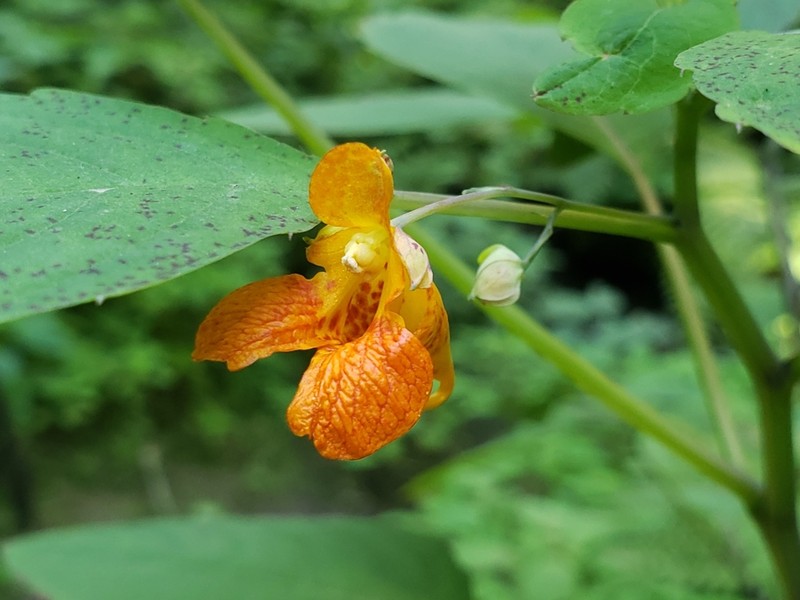
iNaturalist: © cgbb2004 (iNaturalist #32246113)
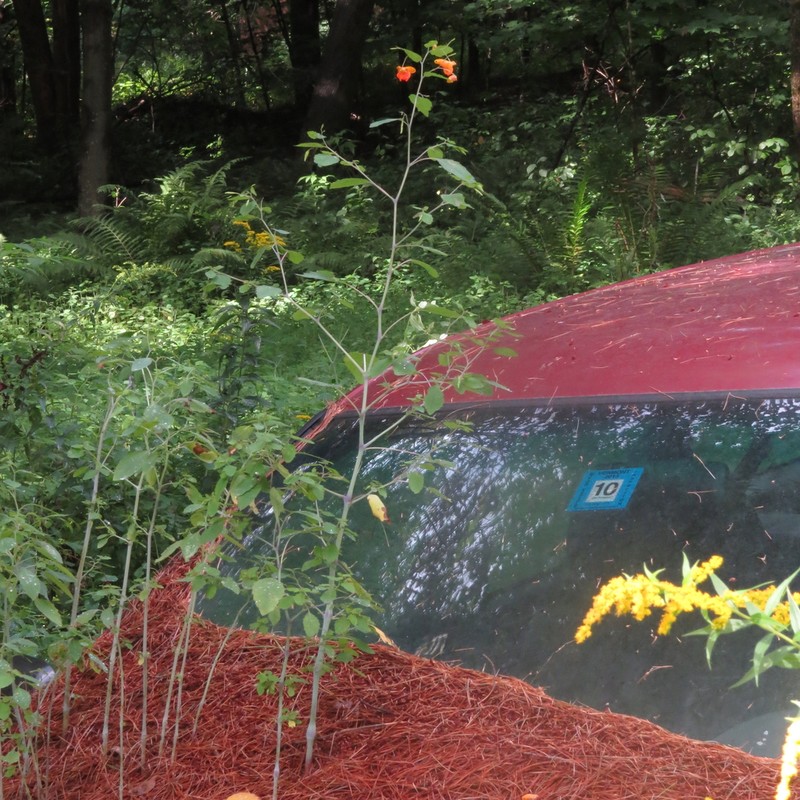
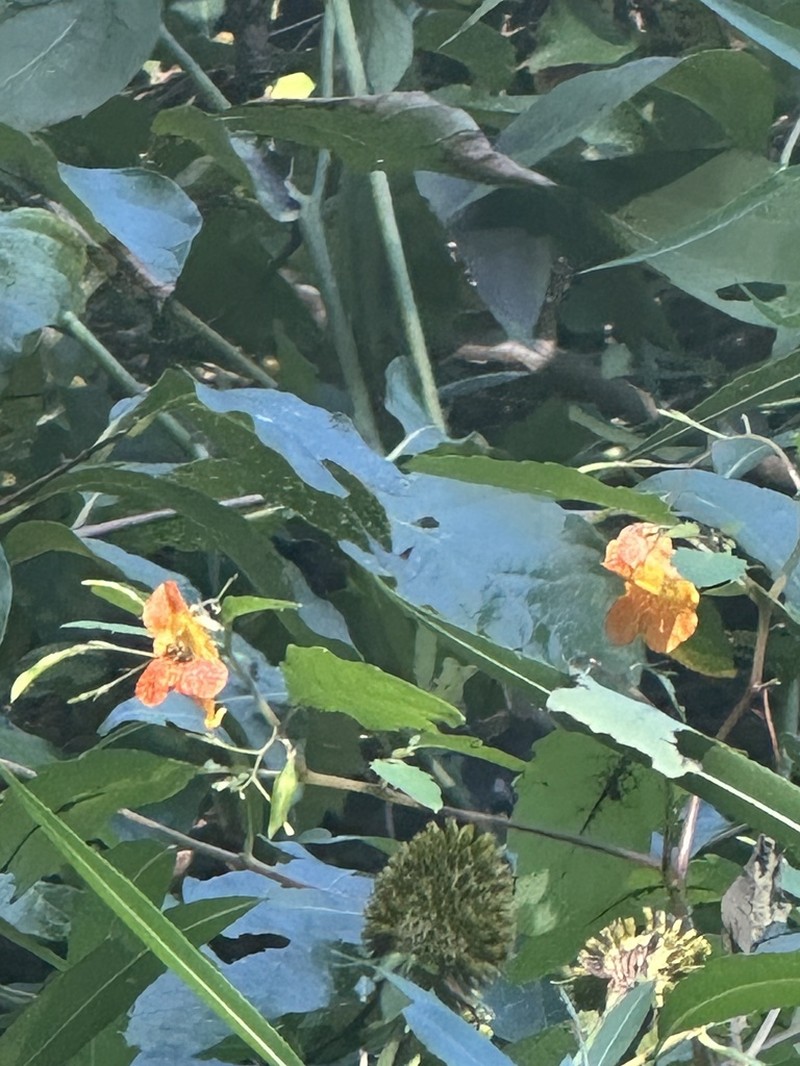
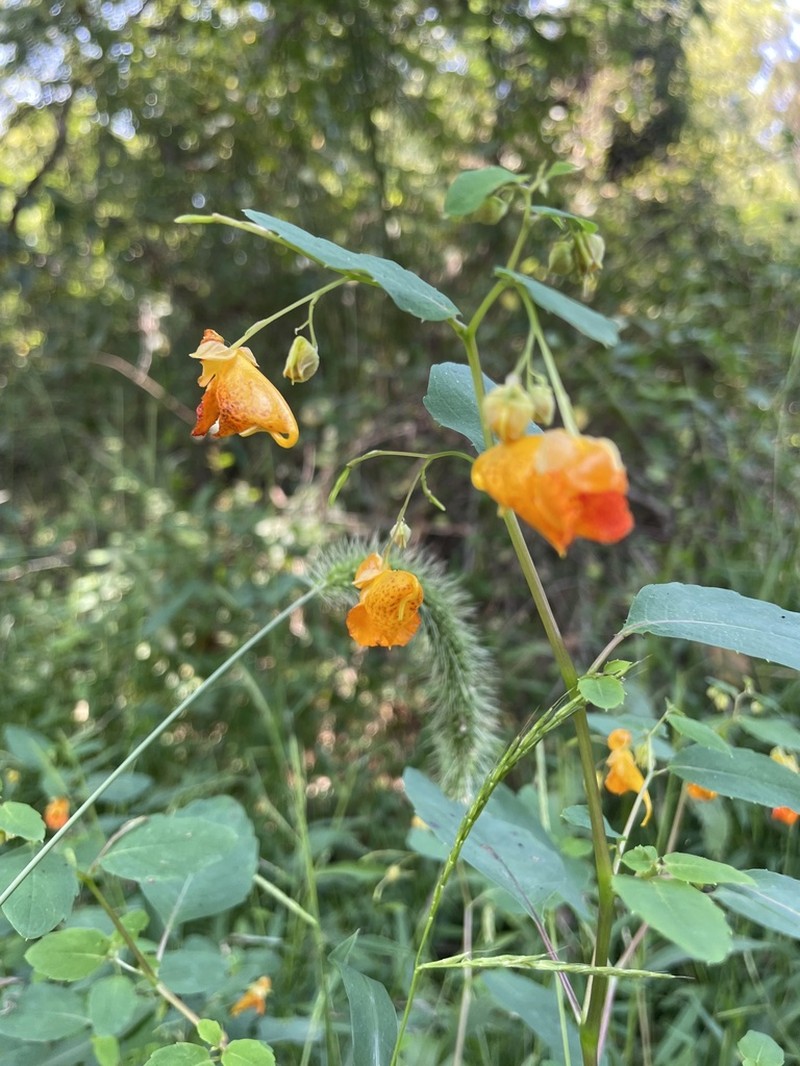
Taxonomy
- Division:
- Magnoliophyta | - Flowering plants
- Family:
- Balsaminaceae
- Genus:
- Impatiens
- Species:
- Impatiens capensis
- USDA Symbol:
- IMCA
Growth Characteristics
- Life Cycle:
- Annual
- Growth Habit:
- Forb/herb
- Height:
- 150 cm
- Light Requirements:
- Shade
- Drought Tolerance:
- Low
- Bloom Months:
- jun,jul,aug,sep
- Bloom Colors:
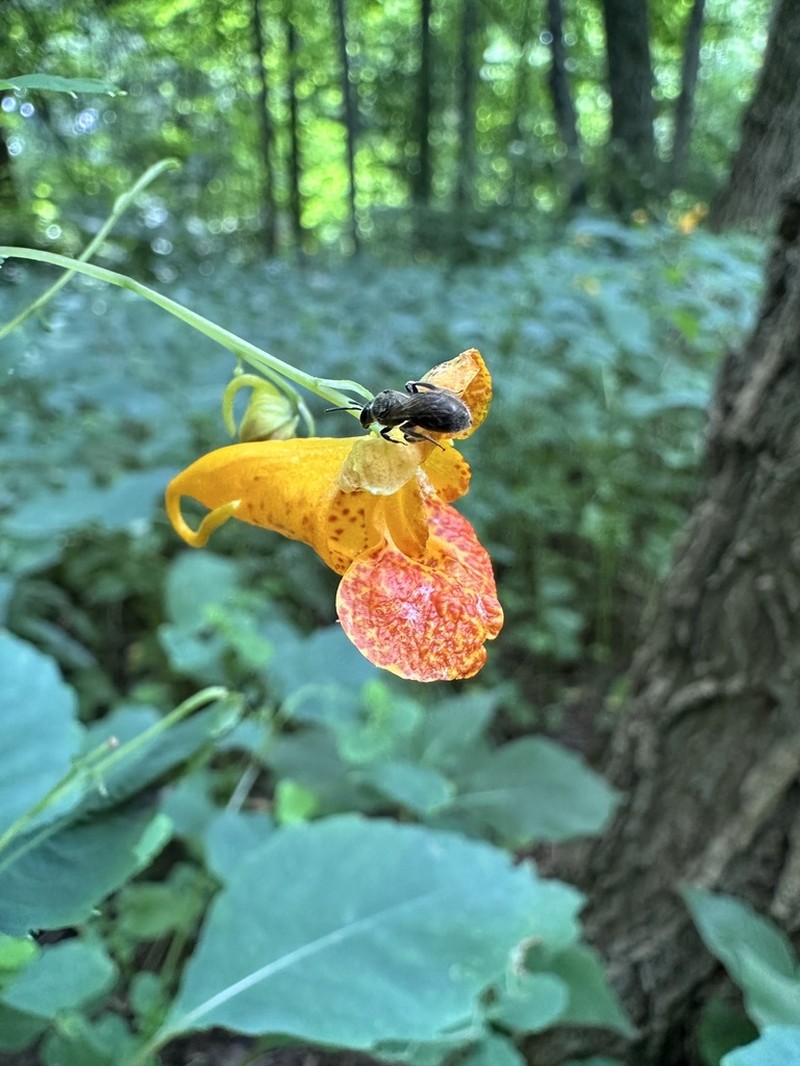
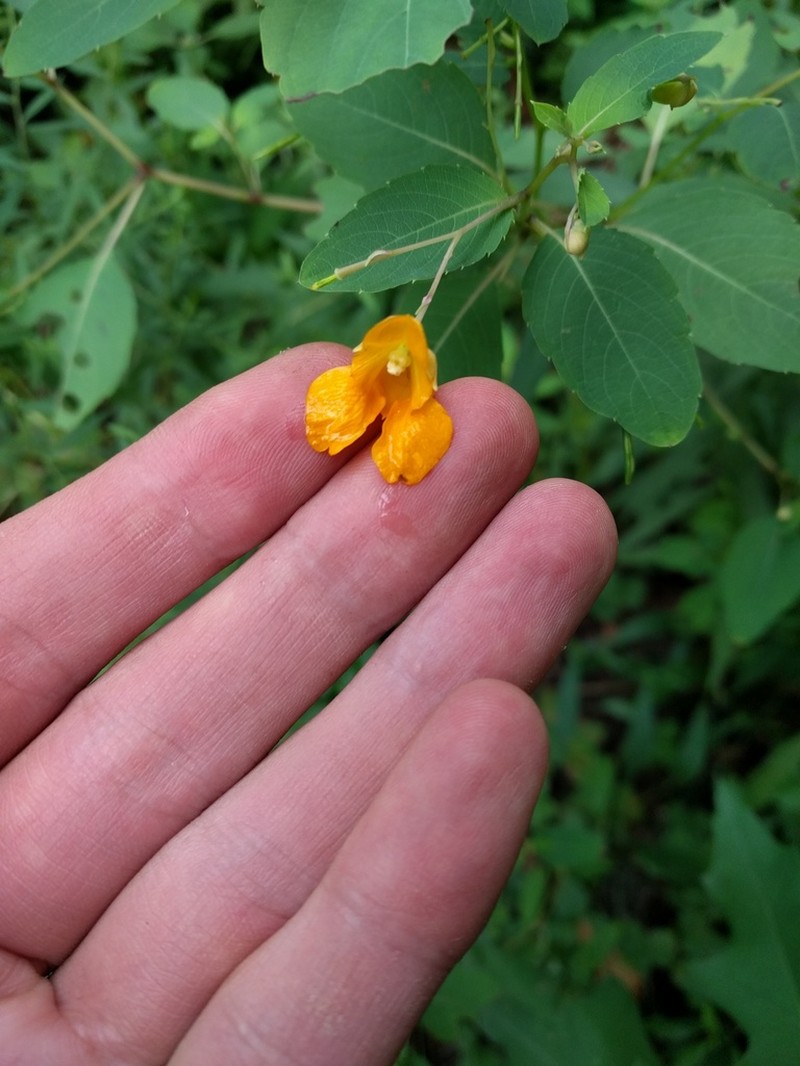
- orange
Wildlife Benefits
- Bees:
- ★☆☆☆☆ Documented bee visitation (GBIF)
- Butterflies & Moths:
- ★★☆☆☆ Documented Lepidoptera association (GBIF)
- Caterpillars:
- ★☆☆☆☆ Recorded caterpillar host plant (HOSTS Database)
- Hummingbirds:
- ★☆☆☆☆ Documented hummingbird visits (GBIF)
Keystone Species Ranking
- Caterpillar Keystone:
- ★★☆☆☆ Butterfly & moth species supported by this genus (NWF)
Host Plant for Caterpillars
Reported Fauna Sightings
Garden & Ecology Notes
- Wildlife Value:
- hummingbirds, bees
Soil Requirements
- Soil Type:
- rich, moist, well-drained loamy soil
- pH:
- 5.5 - 7.0 (slightly acidic to neutral)
- Drainage:
- tolerates poor drainage
- Moisture:
- consistently moist
- Notes:
- Commonly found in wetlands and along streams
Propagation & Germination
- Stratification:
- Cold/moist stratification required — 60–90 days
- Germination Time:
- 14–30 days
- Notes:
- Seeds require cold stratification for 60-90 days; germination occurs in spring after soil warms.
Pre-treatment: Seal the seeds mixed with an equal amount of vermiculite or perlite, adding enough water to barely saturate the mixture in a Rubbermaid-style container or Ziploc-style bag and put in 42 degree F or colder location for at least two months. Keep in a cool dry place (refrigerator or cold garage) until planted (up to 3 years).
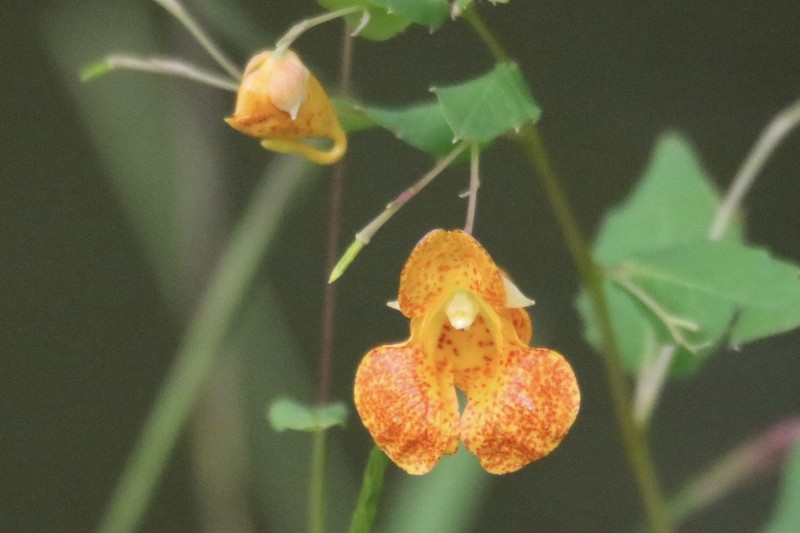
Establishment: Seed is collected by hand from locally native plants within the eastern central Upper Peninsula. The plant is tolerant of full sun to full shade and reaches heights of 2'-5' with an orange flower, rarely yellow. Flowers are spotted with orange, rose or brown dots. Has a long spur that is bent back below the sac, sometimes more than 180 degrees.
Source: npn.rngr.net
ORGHPS Germination Guide: Sow @ 4C for 3 weeks, then place @ 20C.
Where to Buy
Nationwide Seller
- Vermont Wildflower Farm (nursery and seeds)
- Prairie Moon Nursery (nursery and seeds)