
Hollyleaved Barberry
Berberis aquifolium
- Native to:
- Canada, United States
Zennora Brna
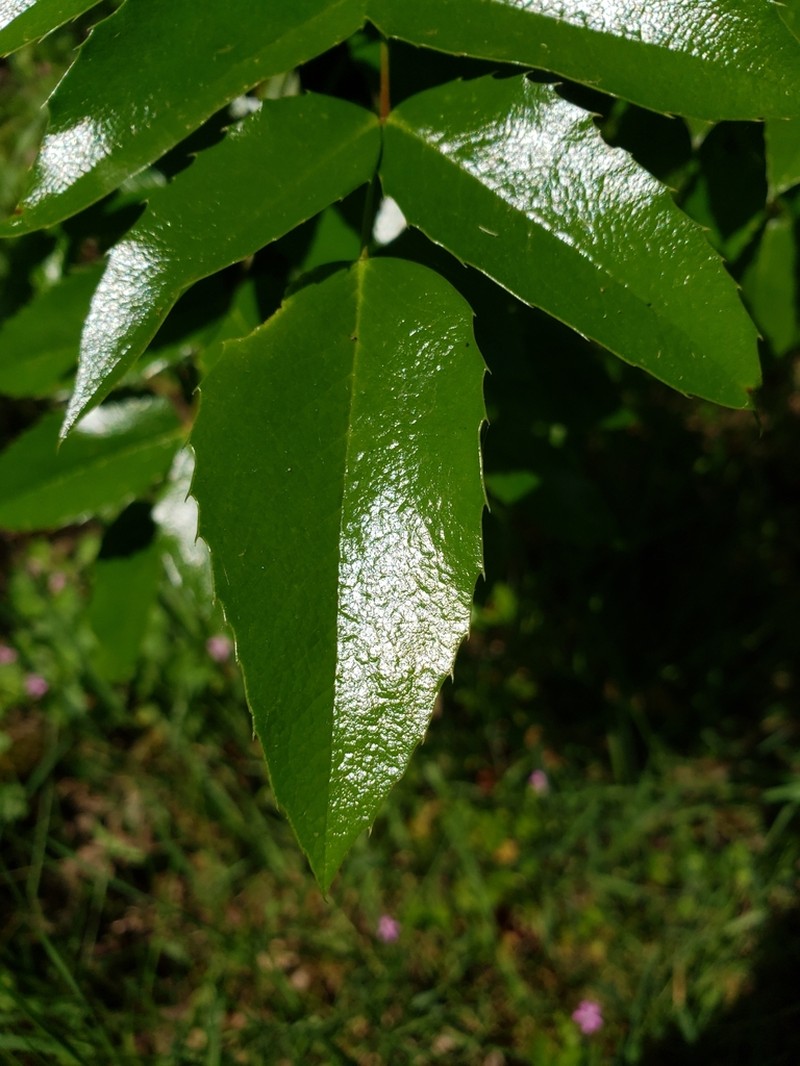
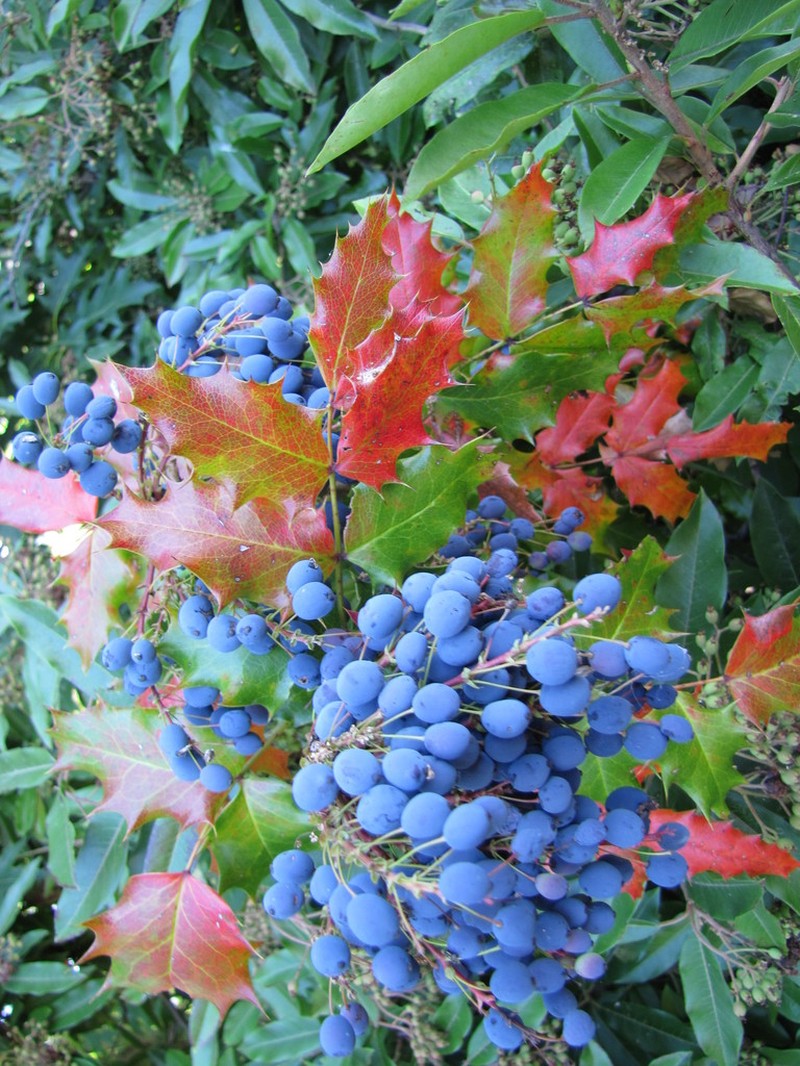
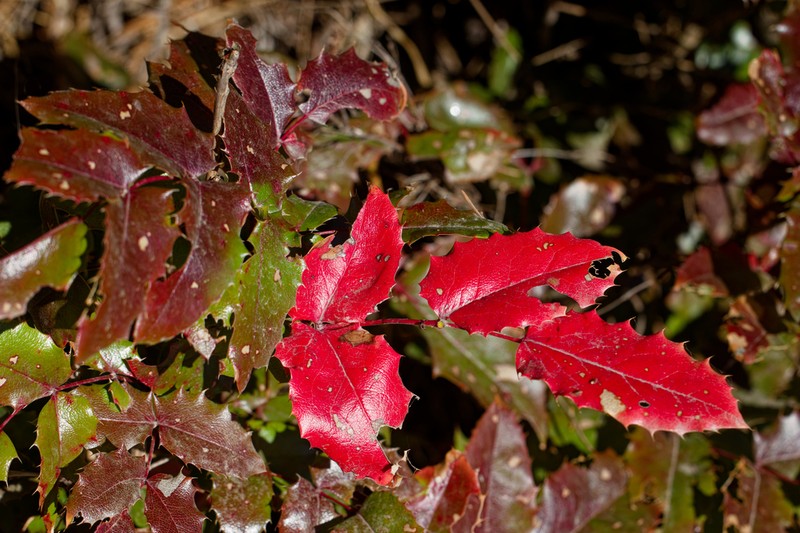
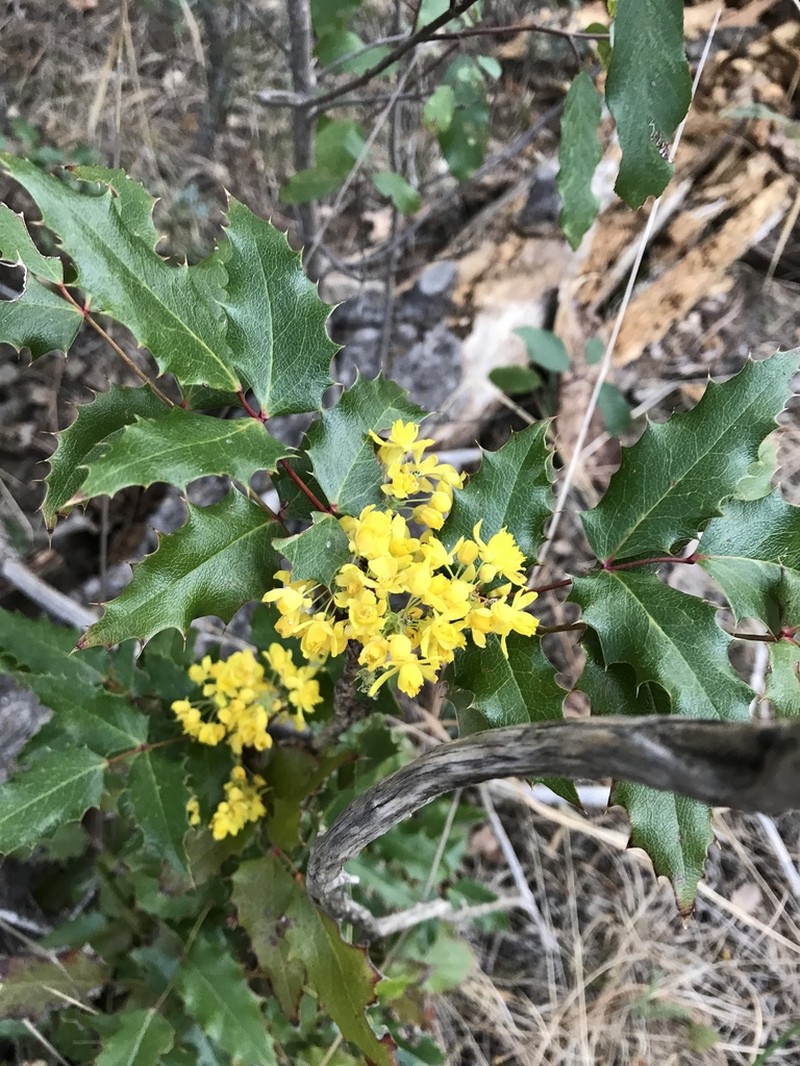
Taxonomy
- Division:
- Magnoliophyta | - Flowering plants
- Family:
- Berberidaceae
- Genus:
- Berberis
- Species:
- Berberis aquifolium
- USDA Symbol:
- MAAQ2
Growth Characteristics
- Life Cycle:
- Perennial
- Growth Habit:
- Shrub , Subshrub
- Height:
- 180 cm
- Light Requirements:
- Full Sun
- Drought Tolerance:
- Medium
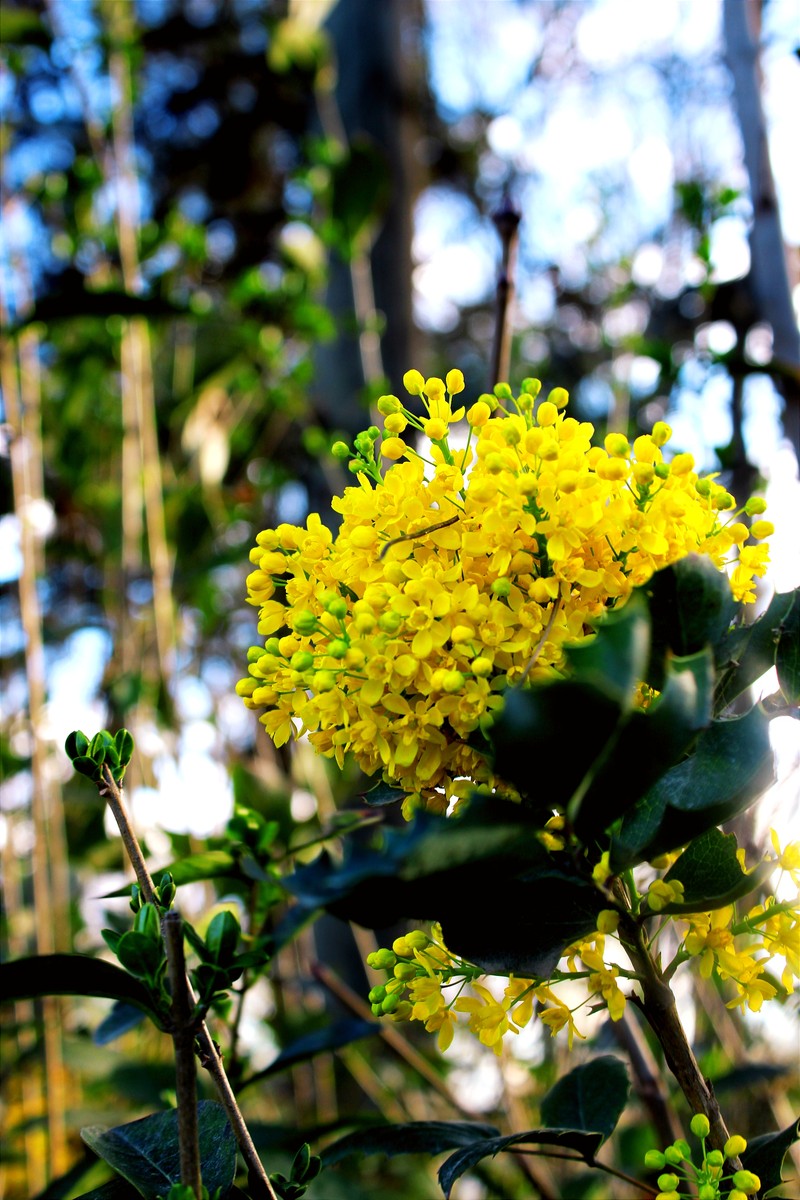
- Bloom Months:
- mar,apr,may
- Bloom Colors:
- yellow
- Evergreen Shrub:
- Yes
- Landscaping Shrub:
- Yes
Wildlife Benefits
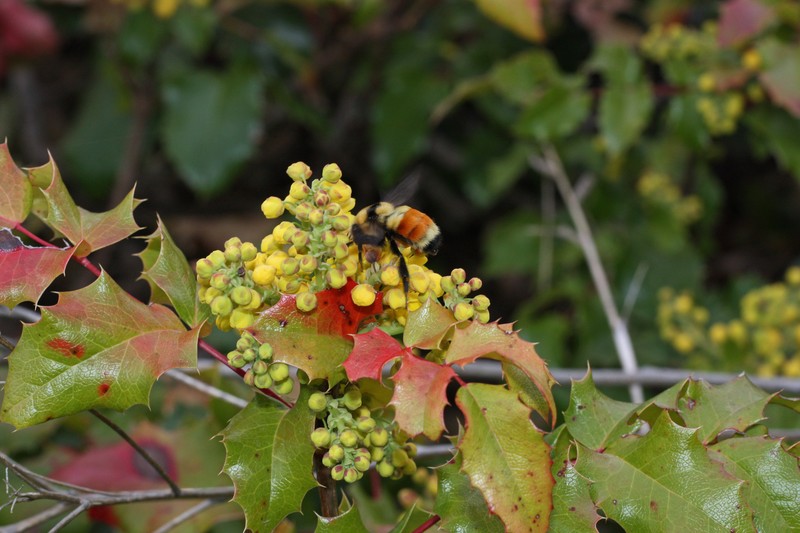
- Bees:
- ★☆☆☆☆ Documented bee visitation (GBIF)
- Butterflies & Moths:
- ★☆☆☆☆ Documented Lepidoptera association (GBIF)
- Caterpillars:
- ★☆☆☆☆ Recorded caterpillar host plant (HOSTS Database)
- Hummingbirds:
- ★☆☆☆☆ Documented hummingbird visits (GBIF)
Host Plant for Caterpillars
Reported Fauna Sightings
Garden & Ecology Notes
- Wildlife Value:
- birds, butterflies, small mammals
- Deer Resistant:
- Yes
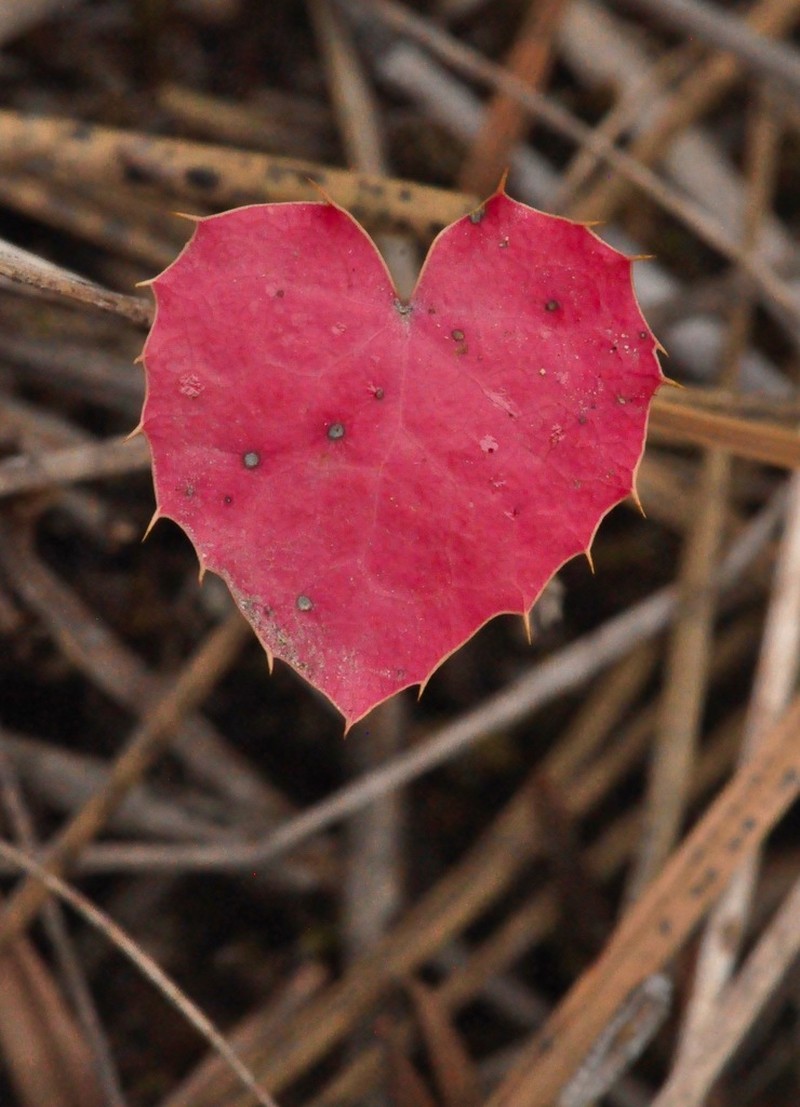
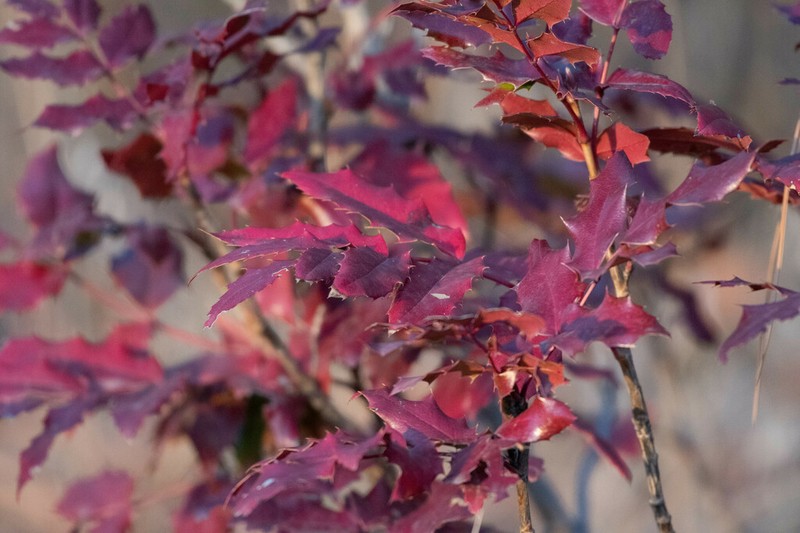
- Fall Color:
- red, purple
- Fire Ecology:
- Fire adapted — tolerates or benefits from fire
- Fire Notes:
- Resprouts from root crown after fire; benefits from periodic fire to reduce competition.
Soil Requirements
- Soil Type:
- rich, well-drained loamy soil
- pH:
- 5.0 - 7.0 (slightly acidic to neutral)
- Drainage:
- excellent drainage required
- Moisture:
- dry to moderate
Propagation & Germination
- Stratification:
- Cold/moist stratification required — 60–90 days
- Germination Time:
- 30–90 days
- Notes:
- Seeds benefit from cold stratification for 2-3 months to break dormancy.
Pre-treatment: Seeds are soaked in a 1% hydrogen peroxide solution for 24 hours, rinsed, and placed in water for an additional 48 hours. Then, they are placed in warm stratification (10 °C) for 45 days, checked weekly for mold. If mold is found, seeds are treated with 1% hydrogen peroxide. Following warm stratification, seeds are layered in peat and placed into cold stratification (1 to 3 °C) for 70 days.
Establishment: Seeds should not be allowed to dry out after collection. Ripe fruits may be picked by hand, using heavy gloves, or flailed onto cloth beneath the bushes. Native to deep, conifer forests and open, rocky woods from British Columbia to Idaho and northwest Montana, south to northern CA.
Source: npn.rngr.net
ORGHPS Germination Guide: Use repeated cycles of 4°C, then 20°C for 3 months each. Germination is very prolonged. Pulpy coat inhibits germination. Remove by soaking and rinsing in clean water for approximately 7 days. Discard water. * wash off pulpy coat completely in daily detergent washes
Where to Buy
Nationwide Seller
- Sheffield's Seed (seeds)