
Cascade Barberry
Berberis nervosa
- Native to:
- Canada, United States
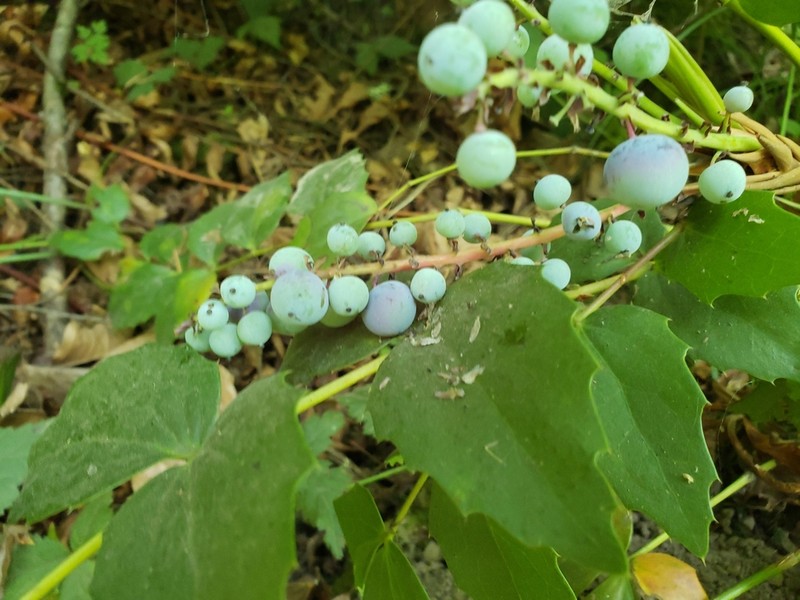
iNaturalist: © littlelegofan (iNaturalist #175881885)
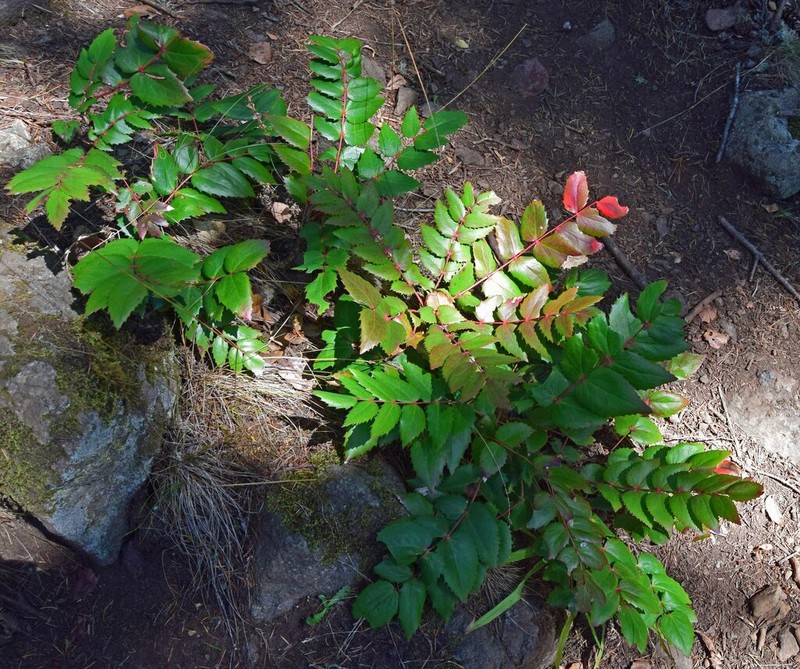
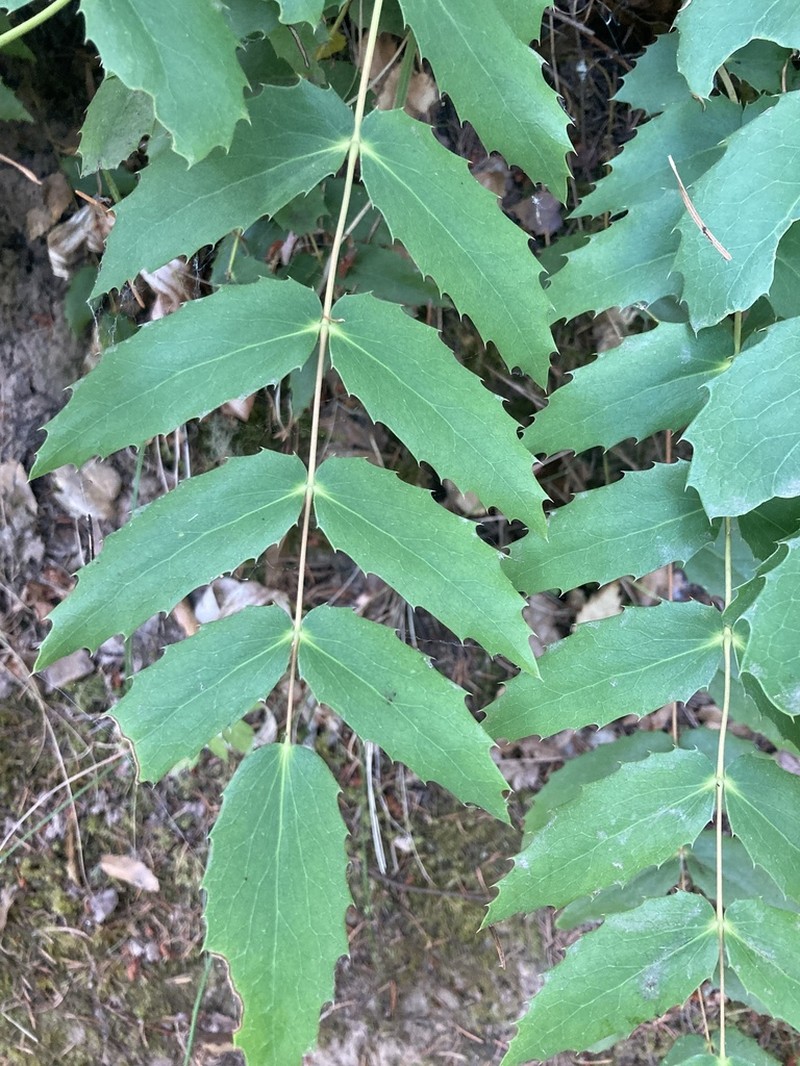
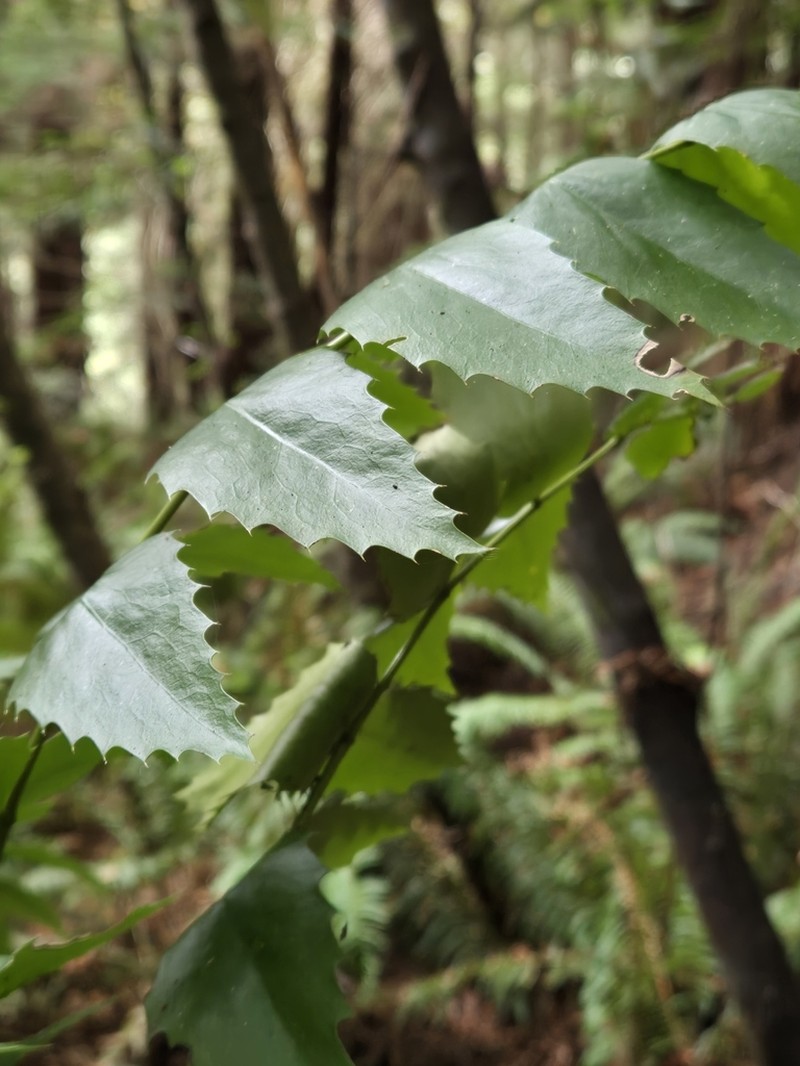
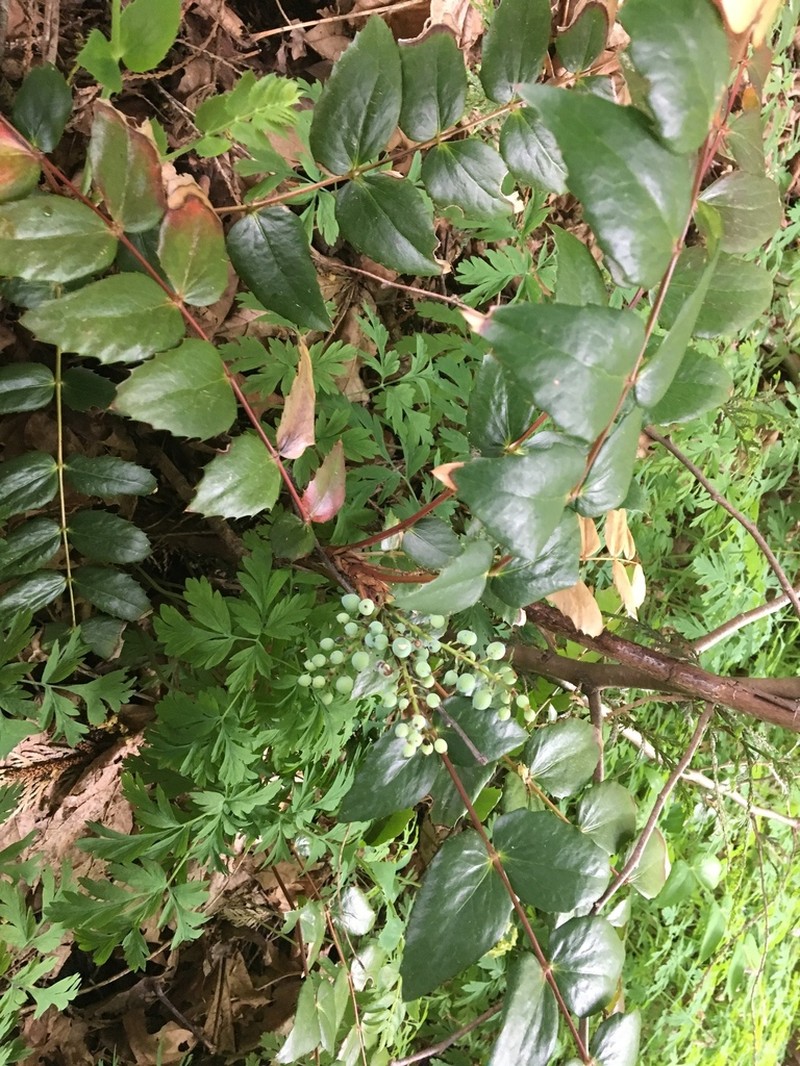
Taxonomy
- Division:
- Magnoliophyta | - Flowering plants
- Family:
- Berberidaceae
- Genus:
- Berberis
- Species:
- Berberis nervosa
- USDA Symbol:
- MANE2
Growth Characteristics
- Life Cycle:
- Perennial
- Growth Habit:
- Shrub , Subshrub
- Height:
- 60 cm
- Light Requirements:
- Part Shade
- Drought Tolerance:
- Medium
- Bloom Months:
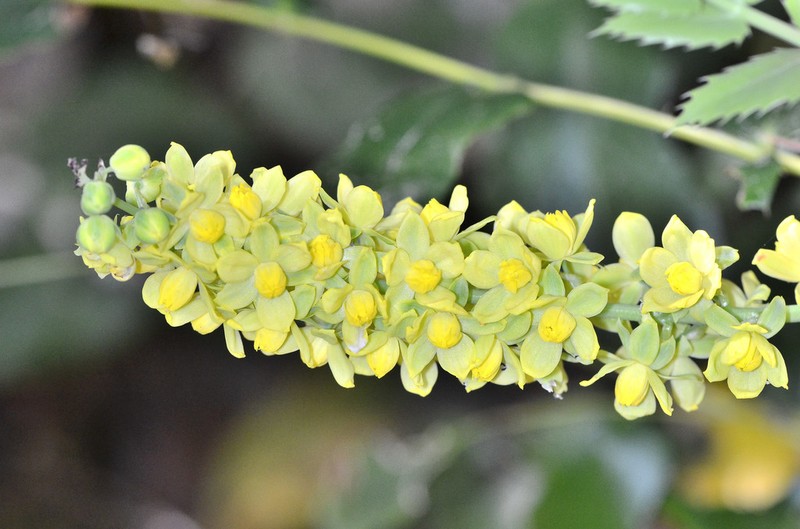
- apr,may,jun
- Bloom Colors:
- yellow
- Evergreen Shrub:
- Yes
- Landscaping Shrub:
- Yes
Wildlife Benefits
- Bees:
- ★☆☆☆☆ Documented bee visitation (GBIF)
- Butterflies & Moths:
- ★☆☆☆☆ Documented Lepidoptera association (GBIF)
Garden & Ecology Notes
- Wildlife Value:
- birds, small mammals
- Deer Resistant:
- Yes
- Fall Color:
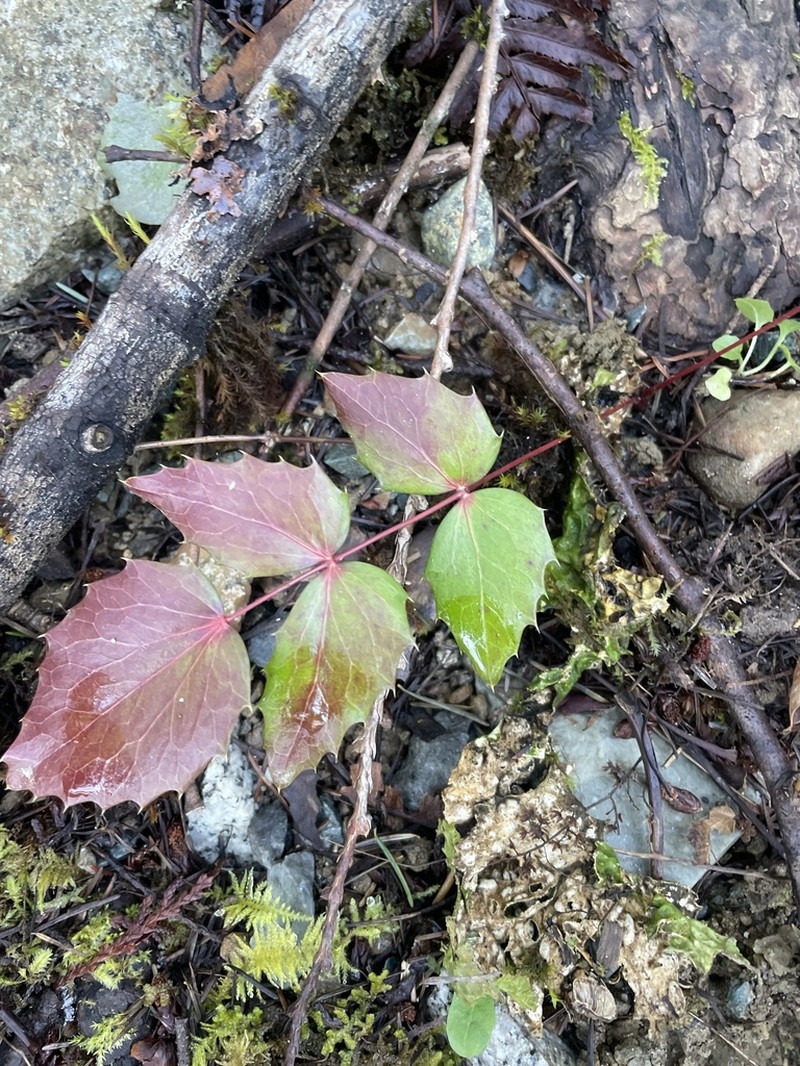
- red, purple
Soil Requirements
- Soil Type:
- rich, well-drained loamy soil
- pH:
- 5.0 - 6.5 (acidic to slightly acidic)
- Drainage:
- good drainage required
- Moisture:
- consistently moist
- Notes:
- Prefers shaded, forested environments
Propagation & Germination
- Stratification:
- Cold/moist stratification required — 60–90 days
- Germination Time:
- 30–90 days
- Notes:
- Seeds benefit from cold stratification for 2-3 months to break dormancy; germination may be slow and erratic.
Pre-treatment: Seeds are placed into fine mesh bags and soaked in a 1% hydrogen peroxide (3:1 water/3% hydrogen peroxide) for 24 hours, rinsed, and placed in water for an additional 48 hours. Seeds are placed in a sealed container and into warm stratification (10 °C) for 60 days. Following warm stratification, seeds are layered in peat and placed into cold stratification (1 to 3 °C) for an additional 90 days. Check seeds in warm strat and peat weekly. If mold is evident, seeds should be treated with 1% hydrogen peroxide.
Establishment: Ripe fruits may be picked by hand, using heavy gloves, or flailed onto cloth beneath the bushes. The plant is native to Northern and central California Coast Ranges to British Columbia and northern Idaho.
Source: npn.rngr.net
Where to Buy
Nationwide Seller
- Sheffield's Seed (seeds)