
Creeping Barberry
Berberis repens
- Native to:
- Canada, United States
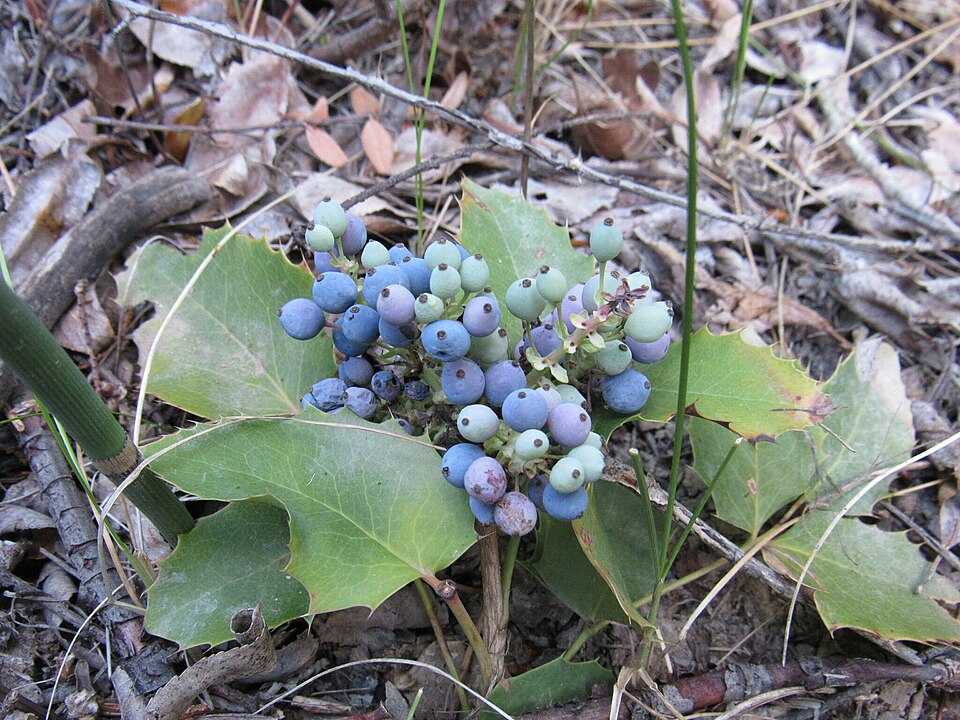
Denis.prévôt
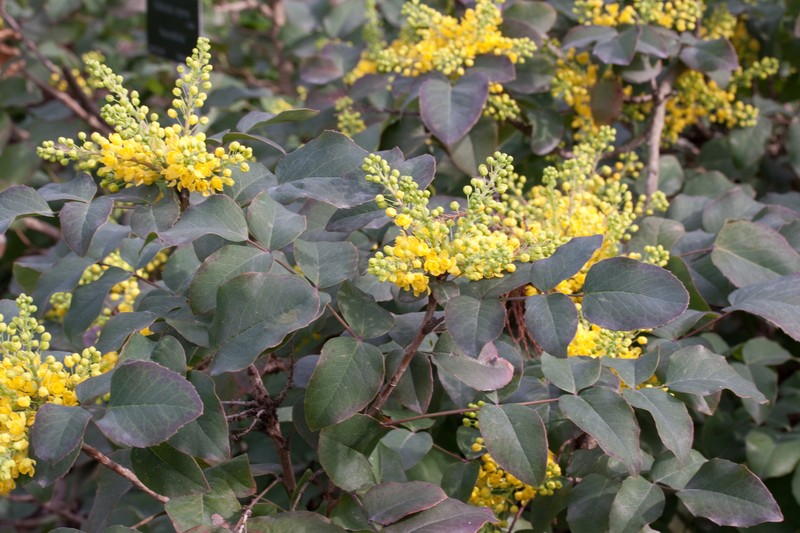
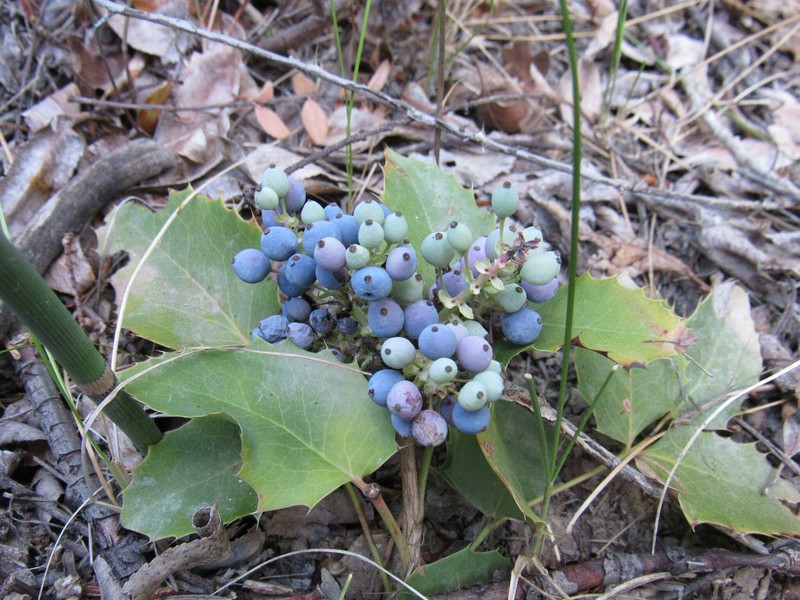
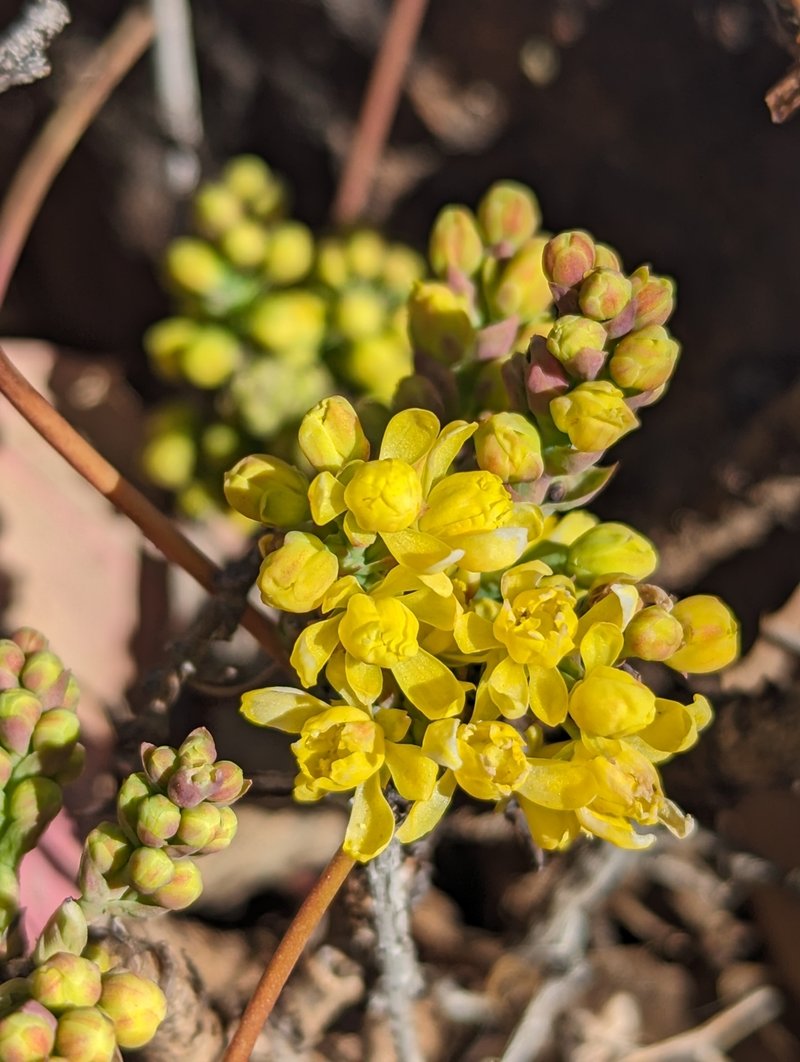
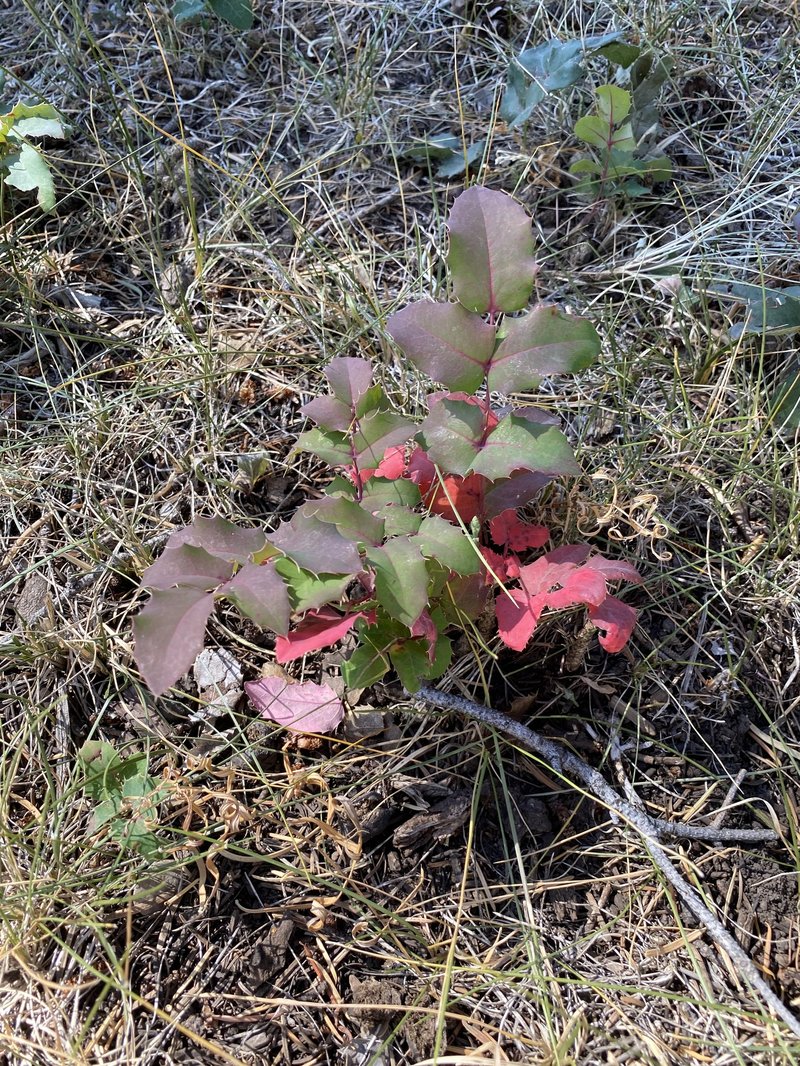
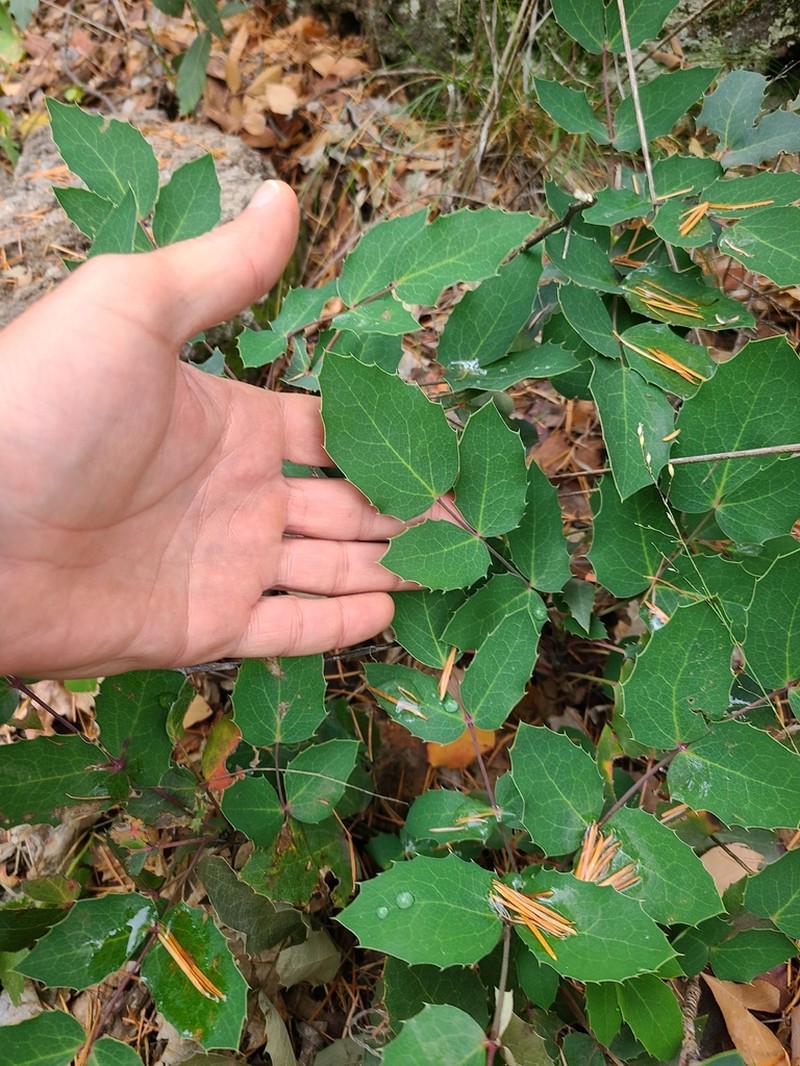
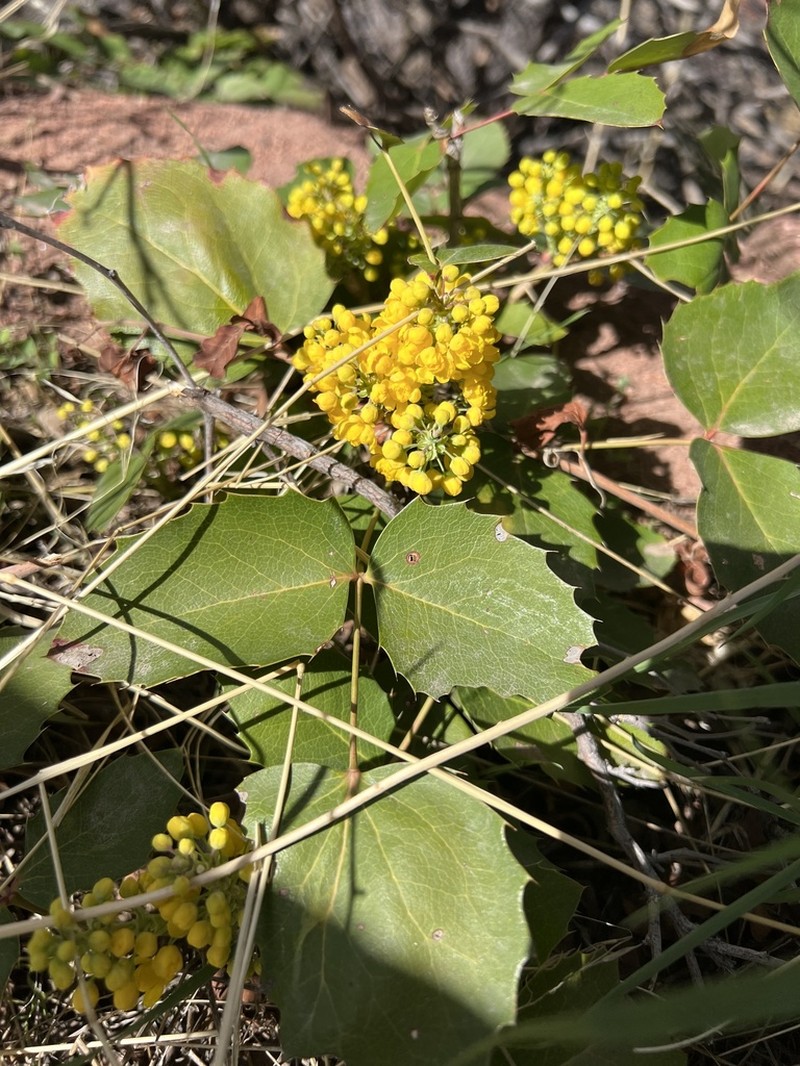
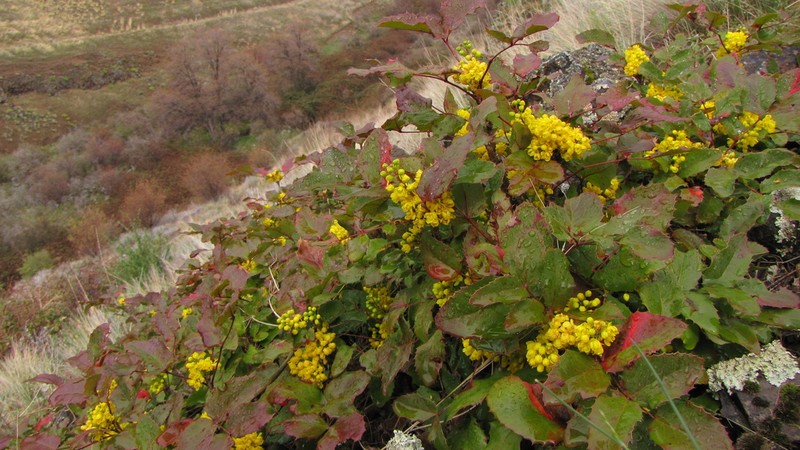
Taxonomy
- Division:
- Magnoliophyta | - Flowering plants
- Family:
- Berberidaceae
- Genus:
- Berberis
- Species:
- Berberis repens
- USDA Symbol:
- MARE11
Growth Characteristics
- Life Cycle:
- Perennial
- Growth Habit:
- Shrub , Subshrub
- Height:
- 60 cm
- Light Requirements:
- Full Sun
- Drought Tolerance:
- High
- Bloom Months:
- apr,may,jun
- Bloom Colors:
- yellow
- Ground Cover:
- Yes
- Evergreen Shrub:
- Yes
- Landscaping Shrub:
- Yes
Wildlife Benefits
- Bees:
- ★☆☆☆☆ Documented bee visitation (GBIF)
- Butterflies & Moths:
- ★☆☆☆☆ Documented Lepidoptera association (GBIF)
- Caterpillars:
- ★☆☆☆☆ Recorded caterpillar host plant (HOSTS Database)
Host Plant for Caterpillars
Ypsolopha rubrella
Reported Fauna Sightings
Bees: Fuzzy-horned bumble bee (Bombus mixtus)
Garden & Ecology Notes
- Wildlife Value:
- birds, small mammals
- Deer Resistant:
- Yes
- Fall Color:
- red, orange
Soil Requirements
- Soil Type:
- rich, well-drained loamy soil
- pH:
- 5.5 - 7.0 (slightly acidic to neutral)
- Drainage:
- excellent drainage required
- Moisture:
- dry to moderate
- Notes:
- prefers shaded or semi-shaded areas
Propagation & Germination
- Stratification:
- Cold/moist stratification required — 60–90 days
- Germination Time:
- 30–90 days
- Notes:
- Seeds benefit from cold stratification for 60-90 days to break dormancy.
Pre-treatment: For seeds: Soak in water for 48 hours, then bury in moist peat moss for 2 months at 70°F (21°C), followed by 5 months cold moist stratification at 37°F (3°C). For cuttings: Recut base at an angle, wound base with a shallow 1-inch slice, treat with fungicide and 1,000 to 3,000 ppm IBA.
Establishment: Seeds are collected in early August when fruit turns dark blue to purple. Cuttings are collected in mid-summer. Germination rates and times may vary depending on the source and treatment of the propagules.
Source: npn.rngr.net
Where to Buy
Nationwide Seller
- Sheffield's Seed (seeds)