
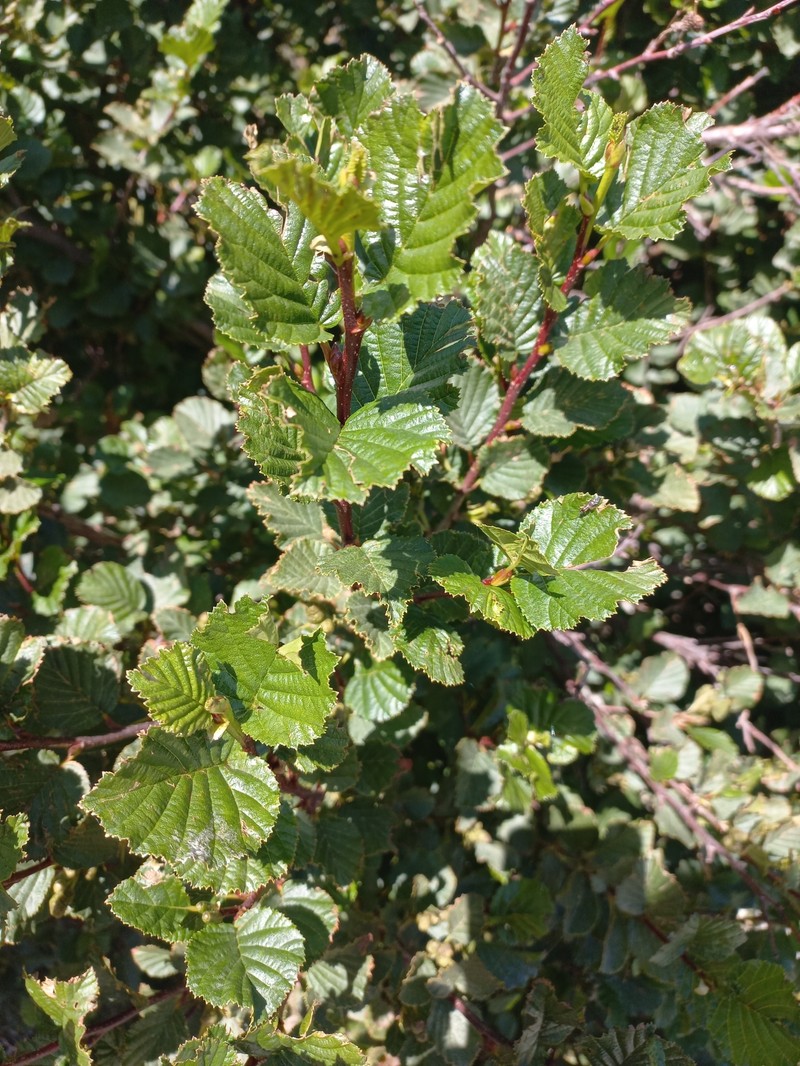
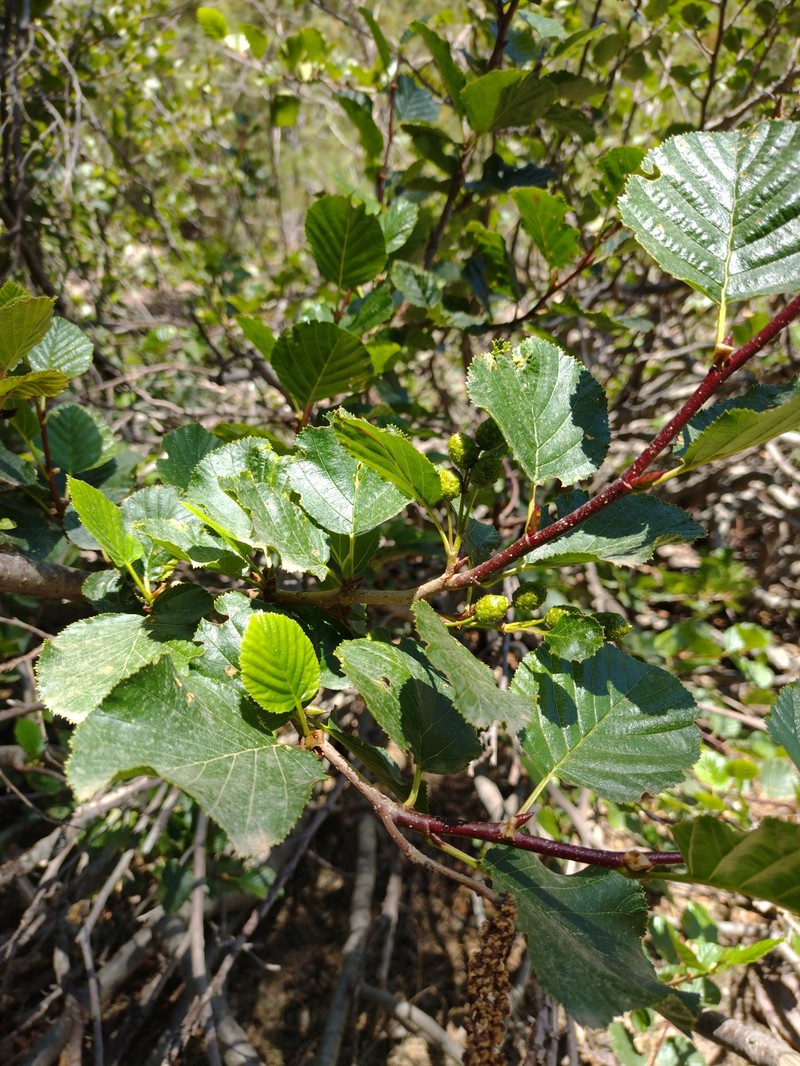
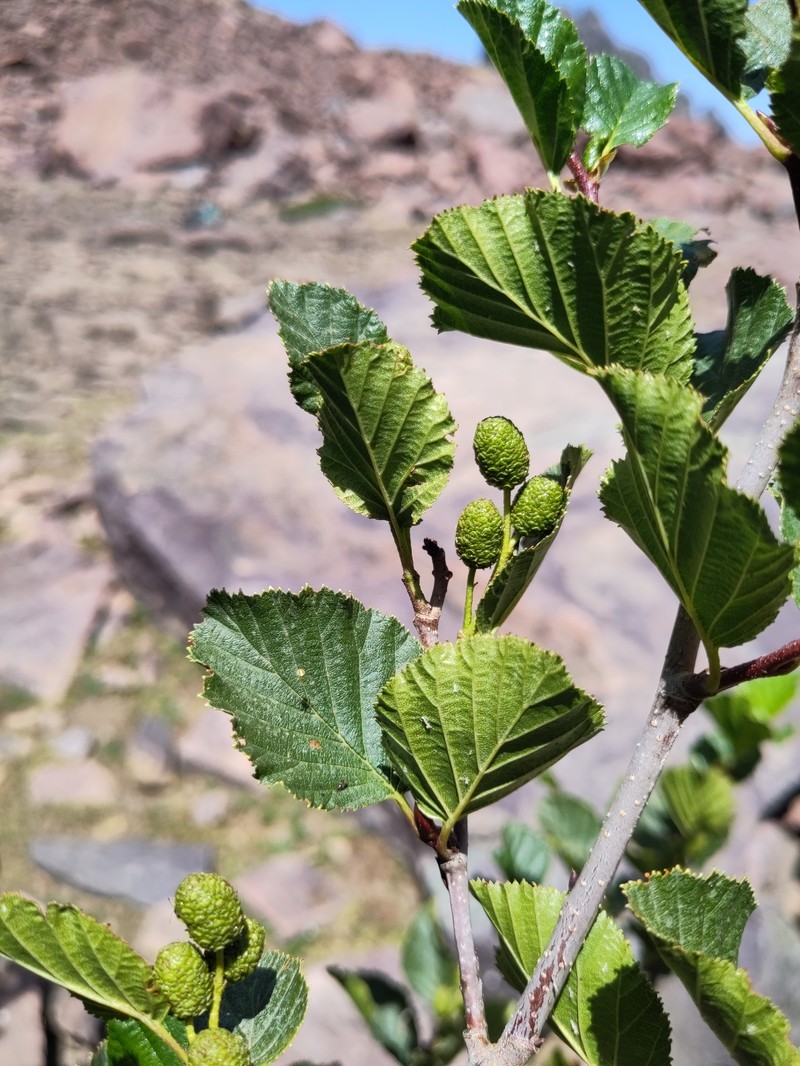
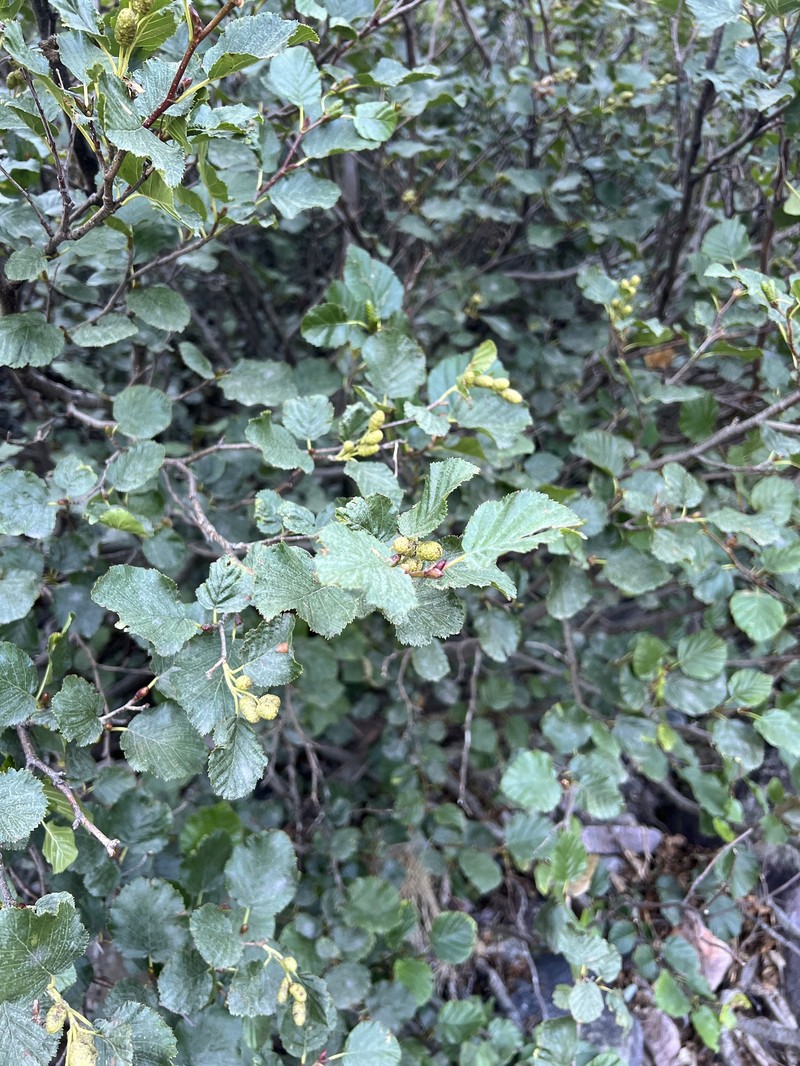
Green Alder
Alnus alnobetula subsp. suaveolens
Also known as: Sitka alder, green alder, mountain alder
- Native to:
- Canada, Corse, Labrador, United States
GBIF: idraper
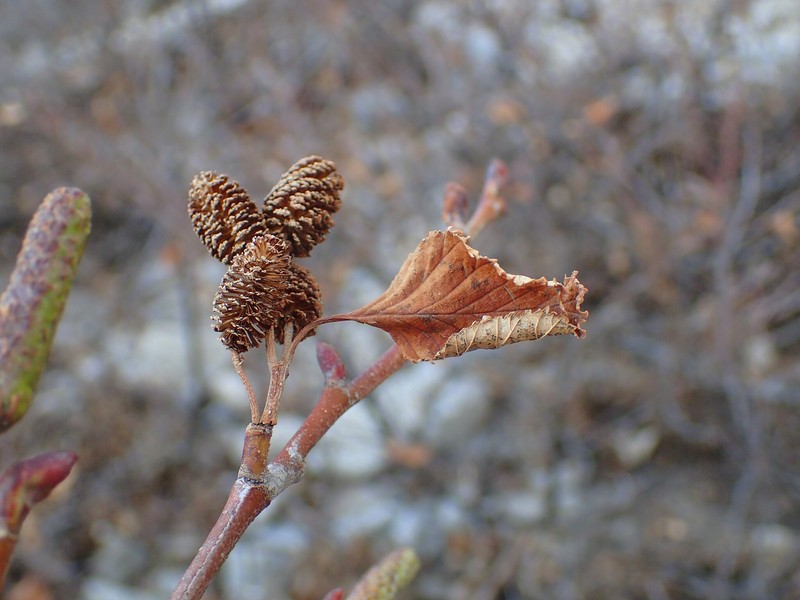
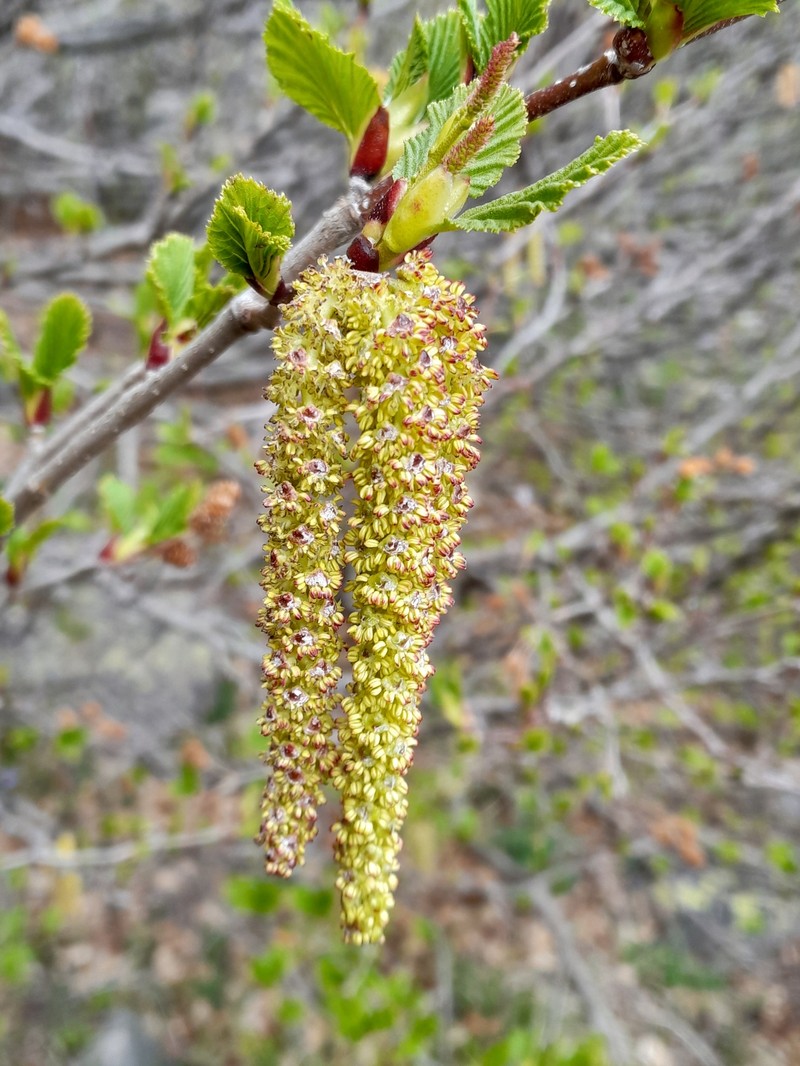
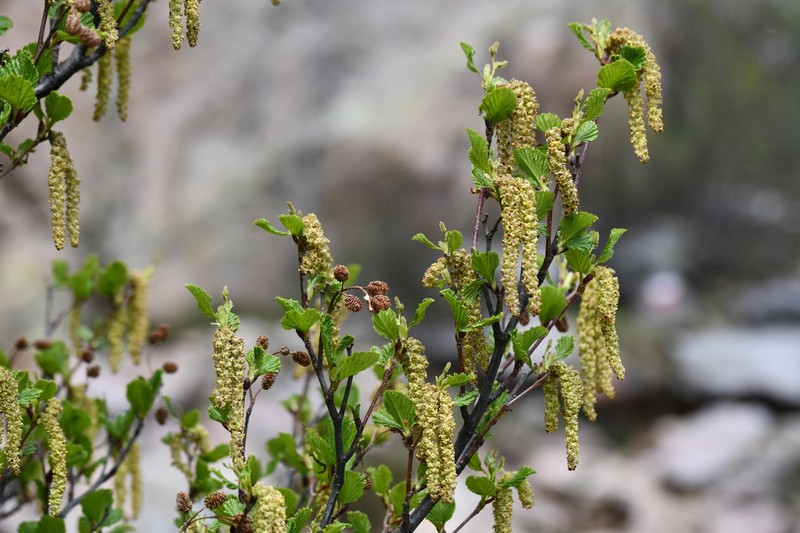
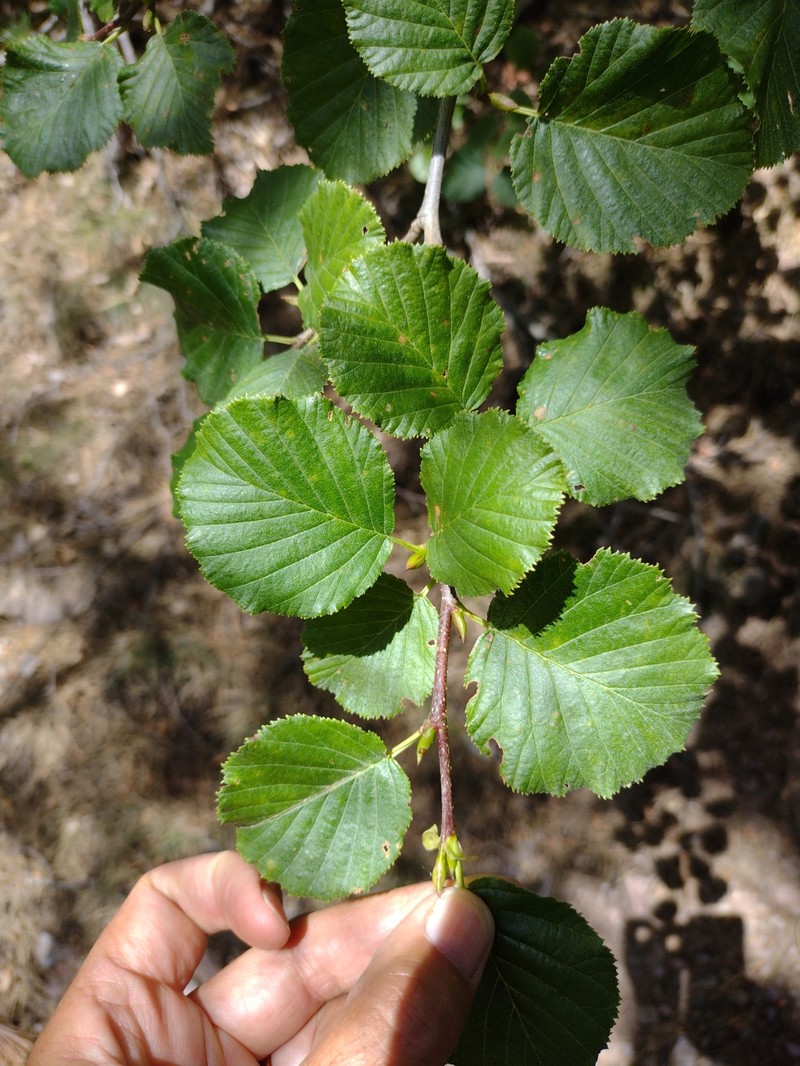
Taxonomy
- Division:
- Magnoliophyta | - Flowering plants
- Family:
- Betulaceae
- Genus:
- Alnus
- Species:
- Alnus alnobetula subsp. suaveolens
- USDA Symbol:
- ALVI5
Growth Characteristics
- Life Cycle:
- Perennial
- Growth Habit:
- Shrub , Tree
- Height:
- 300 cm
- Light Requirements:
- Full Sun
- Drought Tolerance:
- Low
- Bloom Months:
- mar,apr,may
- Landscaping Shrub:
- Yes
Wildlife Benefits
- Bees:
- ★☆☆☆☆ Documented bee visitation (GBIF)
- Caterpillars:
- ★★★☆☆ Recorded caterpillar host plant (HOSTS Database)
Keystone Species Ranking
- Caterpillar Keystone:
- ★★★★★ Butterfly & moth species supported by this genus (NWF)
Host Plant for Caterpillars
alder leafminer moth (Caloptilia alnivorella), Apotomis bifida, black-patched clepsis moth (Clepsis melaleucana), Ceanothus Silkmoth (Hyalophora euryalus), Coleophora persimplexella, eye-spotted bud moth (Spilonota ocellana), lanceolate dagger moth (Acronicta lanceolaria), Papestra cristifera, Papestra invalida, Phyllonorycter alaskana, Phyllonorycter sp., white triangle tortrix (Clepsis persicana), White-banded Black (Rheumaptera subhastata), White-marked Tussock Moth (Orgyia leucostigma), Green Comma (Polygonia faunus), Western Tiger Swallowtail (Papilio rutulus)
Garden & Ecology Notes
- Wildlife Value:
- birds, small mammals
- Fragrant:
- Yes
- Fall Color:
- yellow
- Fire Ecology:
- Fire adapted — tolerates or benefits from fire
- Fire Notes:
- Resprouts vigorously from root crown after fire or mechanical disturbance. Common colonizer of avalanche paths and disturbed riparian areas.
Soil Requirements
- Soil Type:
- rich, well-drained loamy soil
- pH:
- 5.5 - 7.0 (slightly acidic to neutral)
- Drainage:
- excellent drainage required
- Moisture:
- consistently moist
- Notes:
- prefers nutrient-rich soils in its native range
Propagation & Germination
- Stratification:
- Cold/moist stratification required — 30–90 days
- Germination Time:
- 14–60 days
- Notes:
- Seeds require light for germination. Best germination occurs with cold-moist stratification followed by warm temperatures and exposed seed surface.
Pre-treatment: Seeds are soaked in water for 24 hours, then placed in cold moist stratification for 60 days. They are kept in fine mesh bags and buried in moist milled peat moss in a well ventilated container in the refrigerator at 3C.
Establishment: Seeds are collected in late September to mid October when catkins have turn woody and scales begin to open. Seeds are collected by flailing branches over a canvas tarp. Seeds are swept into paper collection bags and kept in a well ventilated drying shed place prior to cleaning.
Source: npn.rngr.net
Where to Buy
Nationwide Seller
- Sheffield's Seed (seeds)