
Gray Alder
Alnus incana
Also known as: speckled alder, thinleaf alder
- Native to:
- Albania, Austria, Baltic States, Belarus, Bulgaria, Canada, Czechia-Slovakia, Finland, France, Germany, Greece, Hungary, Italy, Labrador, Netherlands, North Caucasus, Norway, NW. Balkan Pen., Poland, Prince Edward I., Romania, Russia, Sweden, Switzerland, Transcaucasus, Türkiye, Ukraine, United States, Virgin Islands
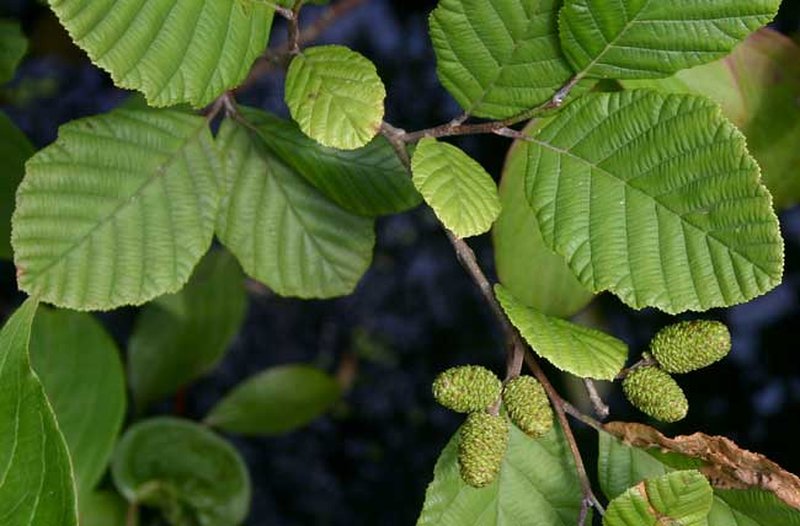
Quadell
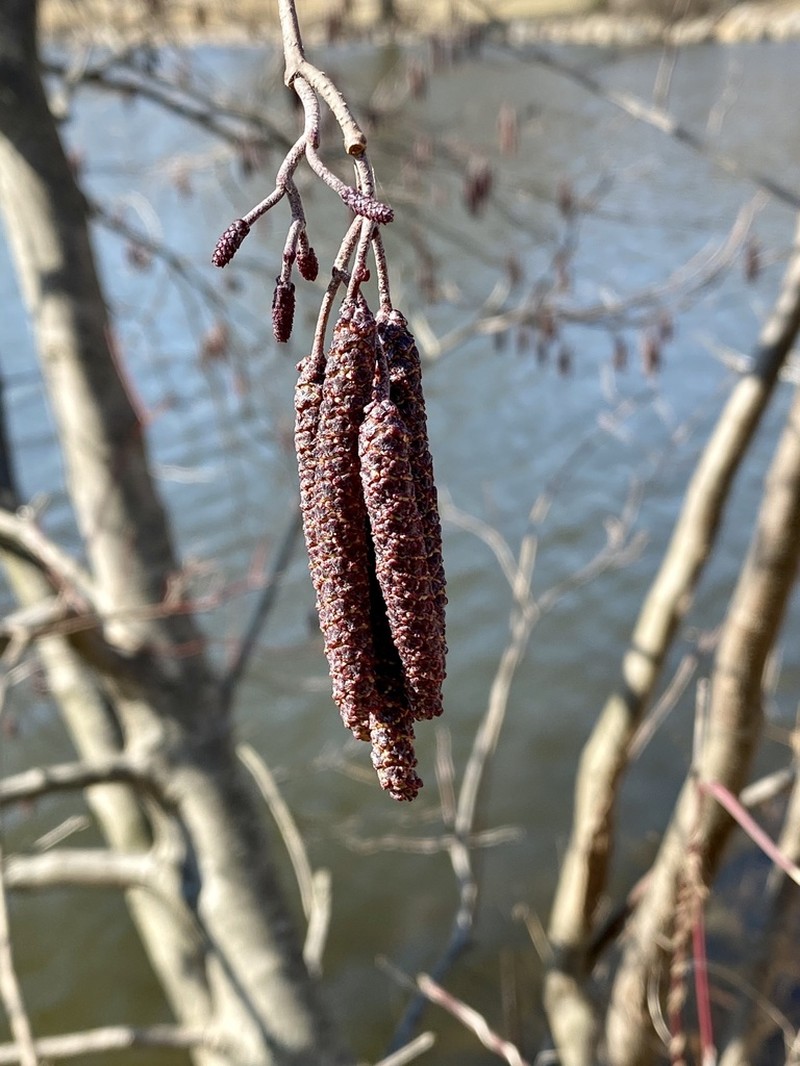
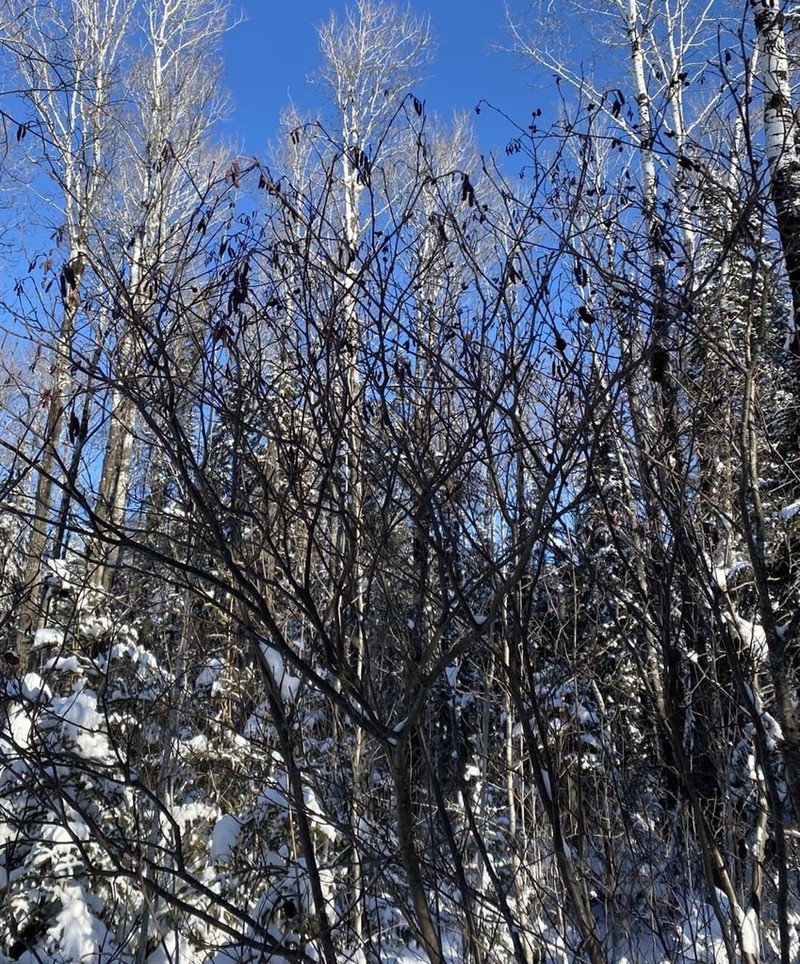
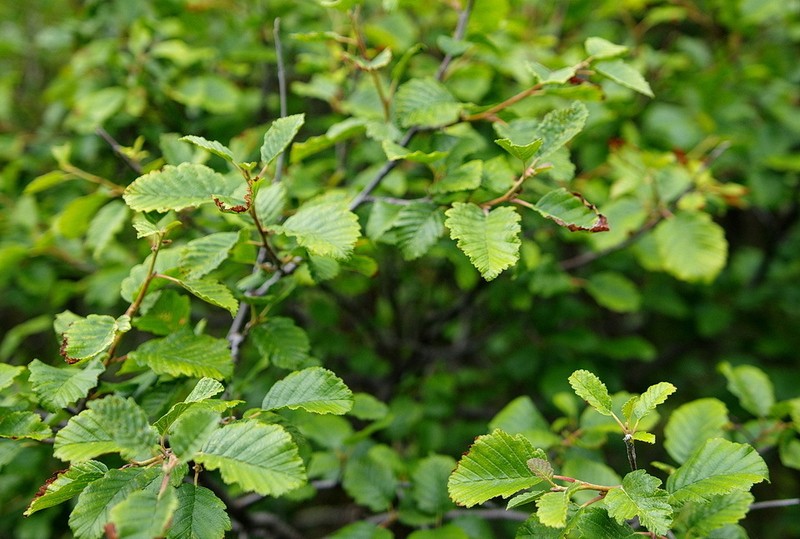
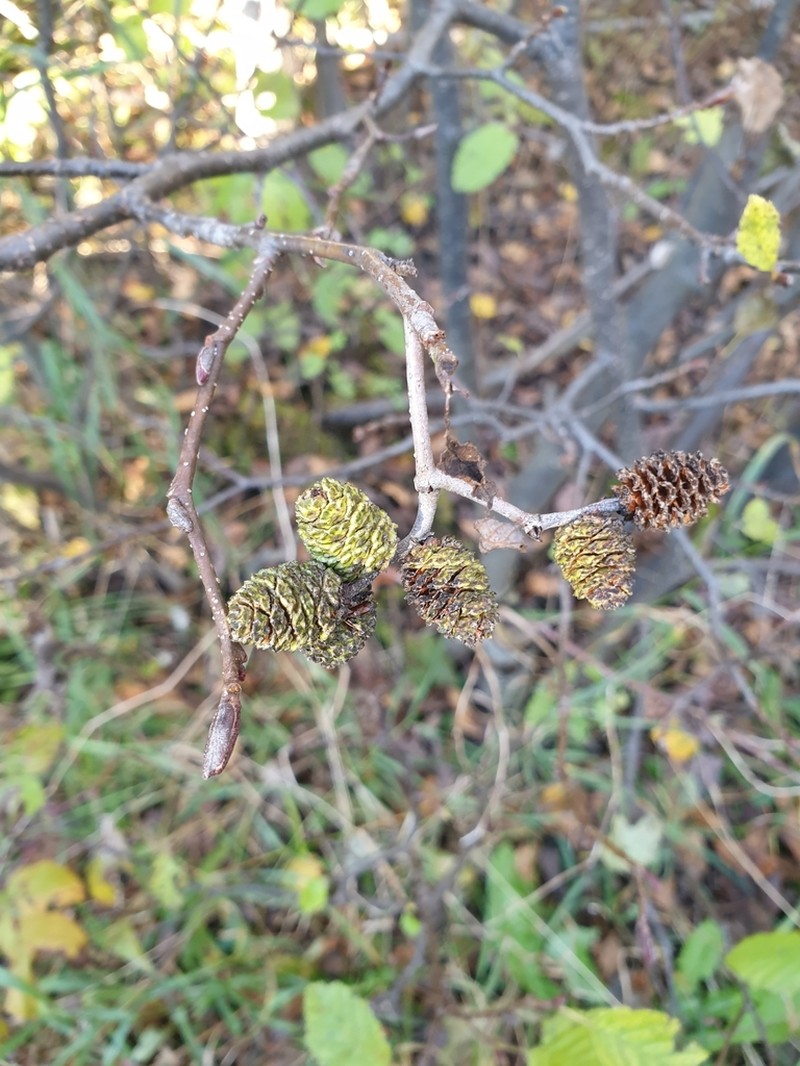
Taxonomy
- Division:
- Magnoliophyta | - Flowering plants
- Family:
- Betulaceae
- Genus:
- Alnus
- Species:
- Alnus incana
- USDA Symbol:
- ALIN2
Growth Characteristics
- Life Cycle:
- Perennial
- Growth Habit:
- Shrub , Tree
- Height:
- 1500 cm
- Light Requirements:
- Full Sun,Part Shade,Shade
- Drought Tolerance:
- Low
- Bloom Months:
- feb,mar,apr
- Bloom Colors:
- brown, yellow
Wildlife Benefits
- Bees:
- ★☆☆☆☆ Documented bee visitation (GBIF)
- Butterflies & Moths:
- ★★★★☆ Documented Lepidoptera association (GBIF)
- Caterpillars:
- ★★★★★ Recorded caterpillar host plant (HOSTS Database)
Keystone Species Ranking
- Caterpillar Keystone:
- ★★★★★ Butterfly & moth species supported by this genus (NWF)
Host Plant for Caterpillars
Acleris caliginosana, Acronicta dactylina, Acronicta hesperida, Acronicta impleta, alder leafminer moth (Caloptilia alnivorella), American Dagger Moth (Acronicta americana), Anagoga occiduaria, Anaplectoides pressus, Apple Sphinx (Sphinx "gordius"), Arched Hooktip (Drepana arcuata), Bibarrambla allenella, Brown angle shades (Phlogophora periculosa), Caloptilia pulchella, Cecropia moth (Hyalophora cecropia), Colocasia flavicornis, Distinct Lichen Moth (Achatia distincta), Doubleday's baileya moth (Baileya doubledayi), Duaria metarranthis moth (Metarranthis duaria), elm spanworm moth (Ennomos subsignaria), Epinotia rectiplicana, Eupithecia ravocostaliata, Euplexia benesimilis, Eurois astricta, eyed baileya moth (Baileya ophthalmica), Fall webworm (Hyphantria cunea), fragile dagger moth (Acronicta fragilis), Gretchena semialba, Gypsy moth (Lymantria dispar), Heterocampa biundata, hibiscus Quaker (Orthosia hibisci), Hitched Arch (Melanchra adjuncta), Homoglaea hircina, Hydriomena renunciata, Imperial Moth (Eacles imperialis), impressed dagger moth (Acronicta impressa), Intermediate Hooded Owlet (Cucullia intermedia), July highflyer (Hydriomena furcata), Lacanobia radix, Lace-winged zale (Zale minerea), large looper moth (Autographa ampla), Lithophane pexata, Lomanaltes eductalis, Lycia rachelae, maple-basswood leafroller (Sparganothis pettitana), Melanchra assimilis, Morrisonia latex, Nevada buckmoth (Hemileuca nevadensis-complex), Nites betulella, Nites grotella, Obliquebanded leafroller (Choristoneura rosaceana), Olethreutes appendiceum, Olethreutes submissana, One-spotted variant moth (Hypagyrtis unipunctata), Pale beauty (Campaea perlata), Pale Enargia (Enargia decolor), Paradiarsia littoralis, Phyllonorycter alnicolella, Phyllonorycter auronitens, Phyllonorycter incanella, Polia imbrifera, Raphia frater, red-banded leafroller (Acrobasis rubrifasciella), reticulated sparganothis moth (Sparganothis reticulatana), Ruby Quaker (Orthosia rubescens), Rusty Tussock Moth (Orgyia antiqua), Smeared Dagger Moth (Acronicta oblinita), Spiramater lutra, Spotted Apatelodes (Apatelodes torrefacta), Spotted Tussock Moth (Lophocampa maculata), Stigmella canadensis, stormy arches (Polia nimbosa), Tacparia detersata, three-lined leafroller (Pandemis limitata), Three-spotted sallow (Eupsilia tristigmata), ugly-nest caterpillar moth (Archips cerasivorana), Unmarked dagger moth (Acronicta innotata), Variable antepione (Antepione thisoaria), wheatear sallow (Lithophane fagina), White-banded Black (Rheumaptera subhastata), white-fringed emerald (Nemoria mimosaria), White-lined leafroller (Amorbia humerosana), White-marked Tussock Moth (Orgyia leucostigma), Eastern Tiger Swallowtail (Papilio glaucus), Harvester (Feniseca tarquinius), Red-spotted Purple (Basilarchia arthemis), Western Tiger Swallowtail (Papilio rutulus)
Reported Fauna Sightings
Moths:Cecropia moth (Hyalophora cecropia)
Garden & Ecology Notes
- Wildlife Value:
- birds, butterflies, small mammals
Soil Requirements
- Soil Type:
- moist, fertile, well-drained loamy soil
- pH:
- 5.5 - 7.5 (slightly acidic to neutral)
- Drainage:
- tolerates poor drainage
- Moisture:
- consistently moist
- Notes:
- Commonly found along riverbanks and wetlands
Propagation & Germination
- Stratification:
- Cold/moist stratification required — 30–60 days
- Germination Time:
- 14–30 days
- Notes:
- Seeds require cold stratification for 30-60 days to break dormancy; sow on moist surface and keep warm after stratification.
Pre-treatment: For seeds, no pretreatment or stratification is necessary. For cuttings, they should be trimmed to a uniform length, bases recut at an angle, wounded, and then treated with 8,000 ppm IBA; 20,000 ppm IBA; or a combination of 1,000 ppm IBA + 2,000 ppm NAA + 40,000 ppm Thiram.
Establishment: Speckled alder seed does not store well and should be sown as soon as they are cleaned. There does not appear to be any advantage to using high concentrations of IBA for cuttings. The protocols vary depending on the type of Alnus incana and the propagation method used.
Source: npn.rngr.net
Where to Buy
Nationwide Seller
- Sheffield's Seed (seeds)
- Prairie Moon Nursery (nursery and seeds)