
White Alder
Alnus rhombifolia
- Native to:
- Mexico, United States
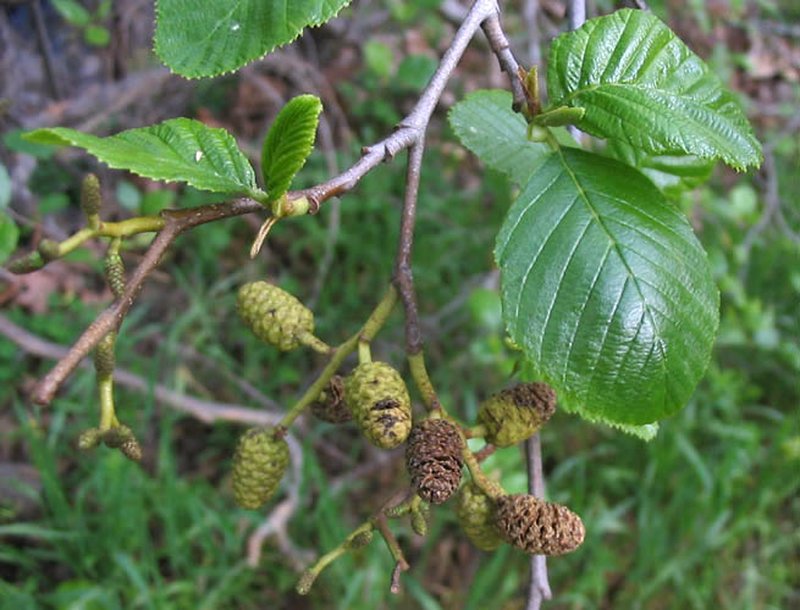
US NPS Santa Monica Mountains National Recreation Area [2] (www.nps.gov)
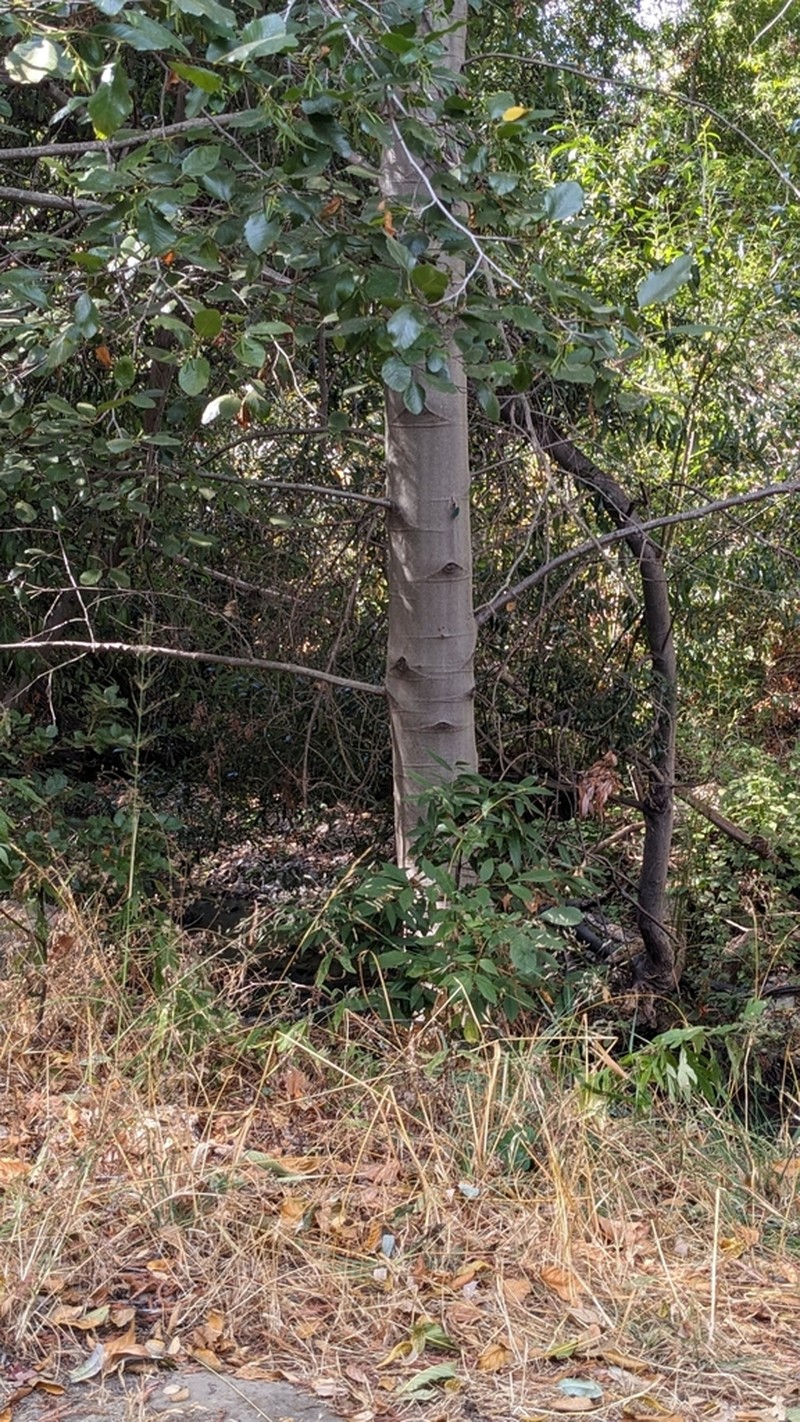
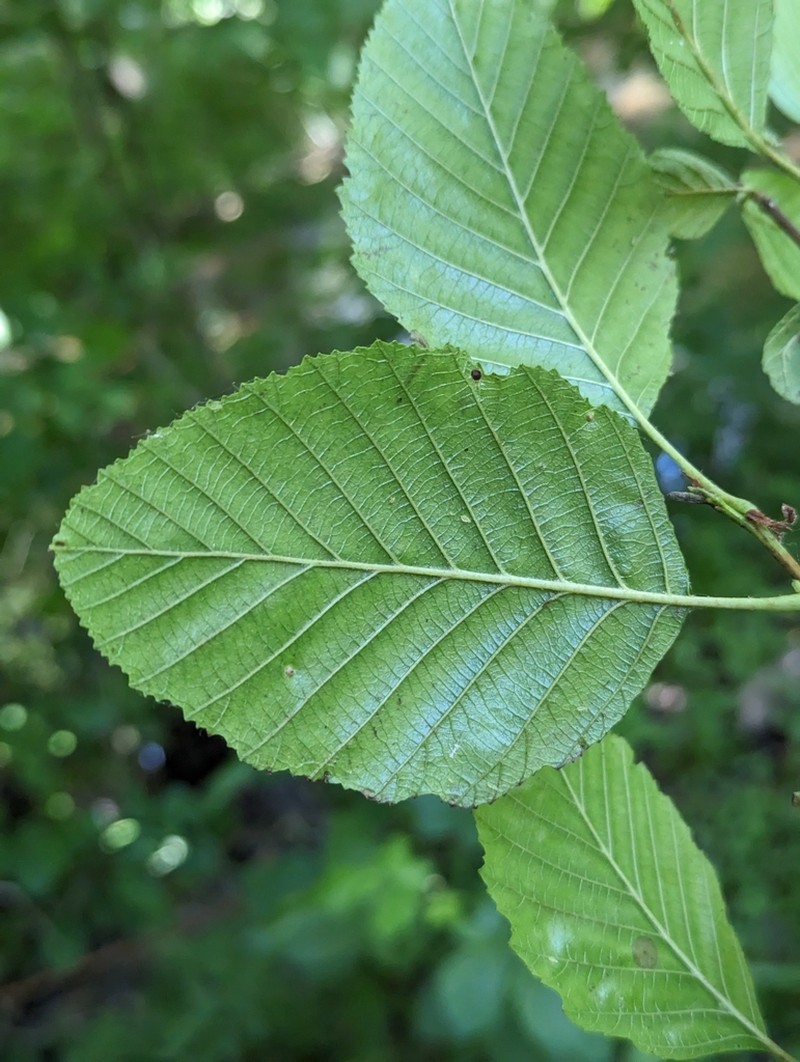
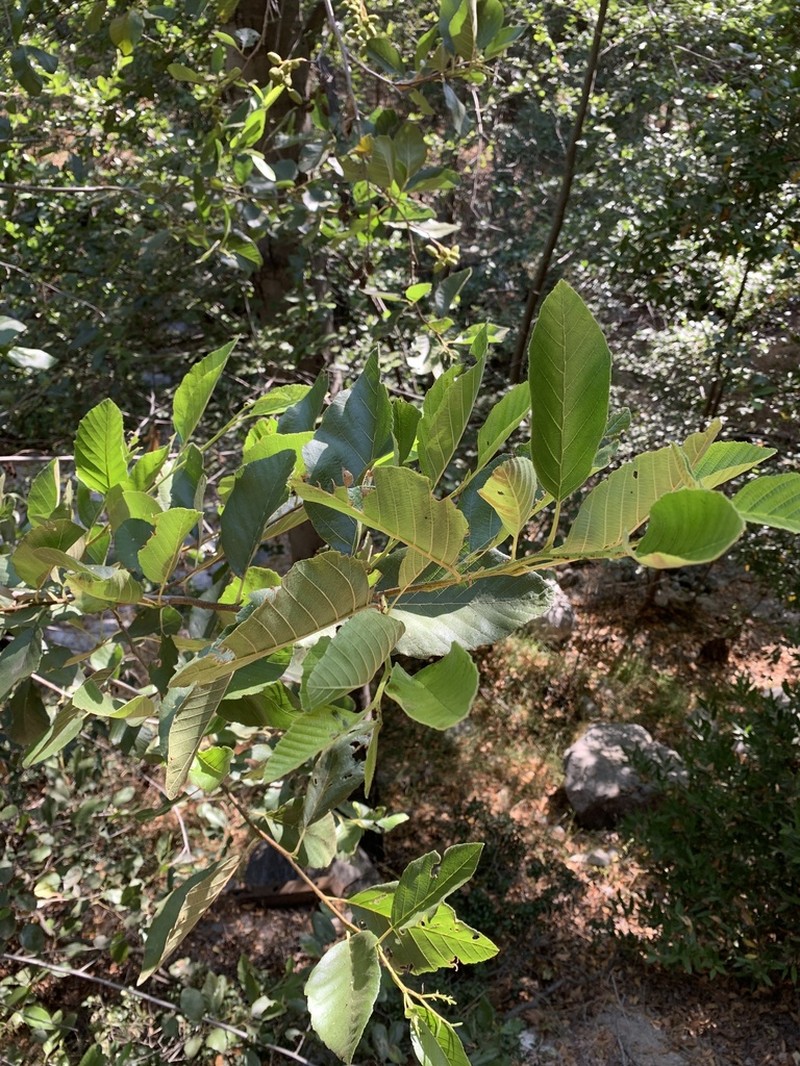
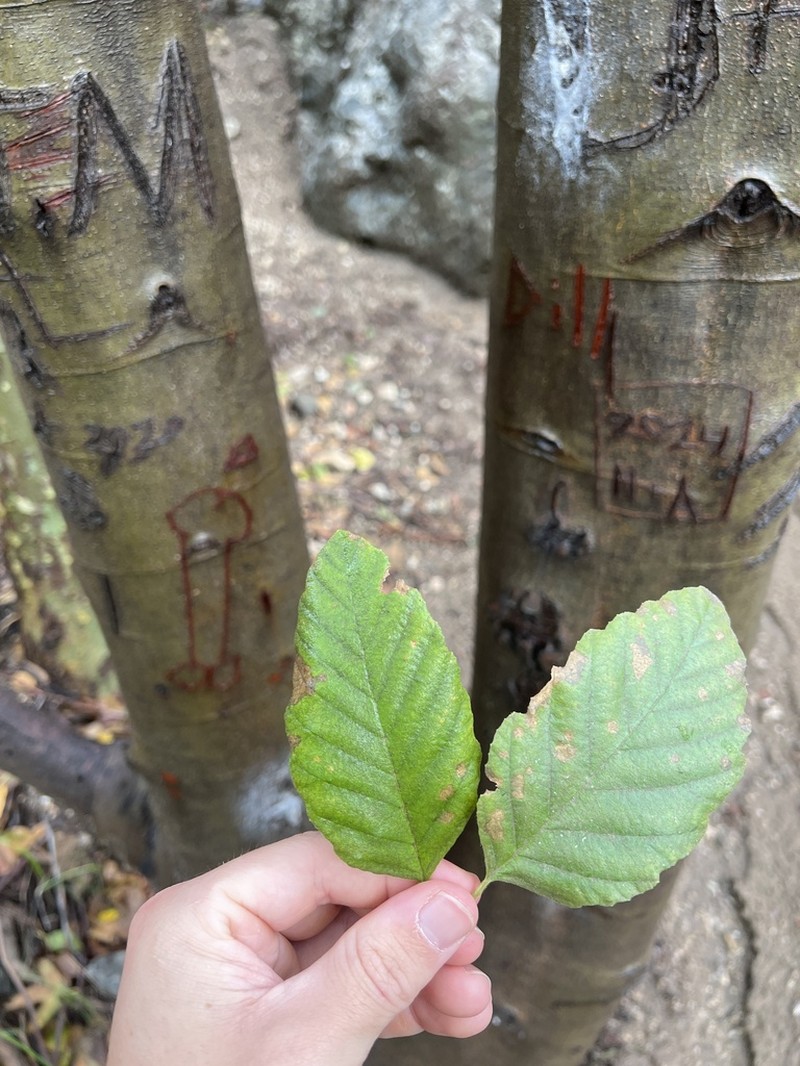
Taxonomy
- Division:
- Magnoliophyta | - Flowering plants
- Family:
- Betulaceae
- Genus:
- Alnus
- Species:
- Alnus rhombifolia
- USDA Symbol:
- ALRH2
Growth Characteristics
- Life Cycle:
- Perennial
- Growth Habit:
- Tree
- Height:
- 2500 cm
- Light Requirements:
- Part Shade
- Drought Tolerance:
- Low
- Bloom Months:
- feb,mar,apr
- Bloom Colors:
- yellow-green
Wildlife Benefits
- Bees:
- ★☆☆☆☆ Documented bee visitation (GBIF)
- Butterflies & Moths:
- ★☆☆☆☆ Documented Lepidoptera association (GBIF)
- Caterpillars:
- ★☆☆☆☆ Recorded caterpillar host plant (HOSTS Database)
Keystone Species Ranking
- Caterpillar Keystone:
- ★★★★★ Butterfly & moth species supported by this genus (NWF)
Host Plant for Caterpillars
Cleahtrea nola moth (Nola clethrae), Large Red-belted Clearwing (Synanthedon culiciformis), Phyllonorycter incanella, Western Tiger Swallowtail (Papilio rutulus)
Garden & Ecology Notes
- Wildlife Value:
- birds, small mammals, butterflies
Soil Requirements
- Soil Type:
- moist, well-drained loamy soil
- pH:
- 5.5 - 7.5 (slightly acidic to neutral)
- Drainage:
- tolerates poor drainage
- Moisture:
- consistently moist
- Notes:
- Commonly found along streams and rivers
Propagation & Germination
- Stratification:
- Cold/moist stratification required — 30–60 days
- Germination Time:
- 14–30 days
- Notes:
- Seeds require cold stratification for 30-60 days; sow on moist surface, do not cover.
Pre-treatment: Seeds are soaked in a 1% hydrogen peroxide solution for 24 hours, rinsed, and then soaked in water for an additional 24 hours. Seeds are then sown into trays filled with stabilized medium plugs and placed in refrigeration at 1 to 3 °C for 20 days. Trays are checked weekly for moisture and mold.
Establishment: The plant is native to western North America and prefers moist soils or areas near permanent water sources. It is tolerant of part shade, full sun, sand, and clay.
Source: npn.rngr.net
Where to Buy
Nationwide Seller
- Sheffield's Seed (seeds)