
Dwarf Birch
Betula nana
- Native to:
- Austria, Baltic States, Belarus, Canada, Czechia-Slovakia, Finland, France, Germany, Great Britain, Greenland, Iceland, Italy, Norway, Poland, Romania, Russia, Svalbard, Sweden, Switzerland, United States
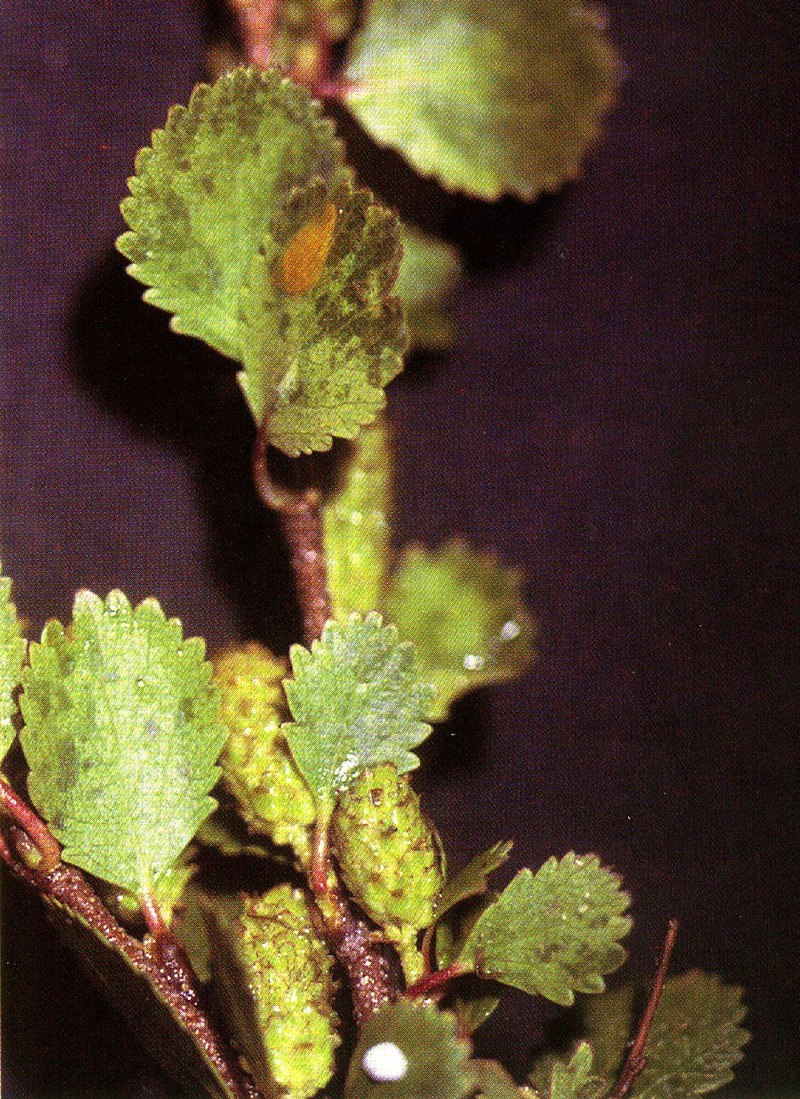
USDA photo, uploader user:MPF
Taxonomy
- Division:
- Magnoliophyta | - Flowering plants
- Family:
- Betulaceae
- Genus:
- Betula
- Species:
- Betula nana
- USDA Symbol:
- BENA
Growth Characteristics
- Life Cycle:
- Perennial
- Growth Habit:
- Shrub , Subshrub
- Height:
- 100 cm
- Light Requirements:
- Full Sun,Part Shade
- Drought Tolerance:
- Low
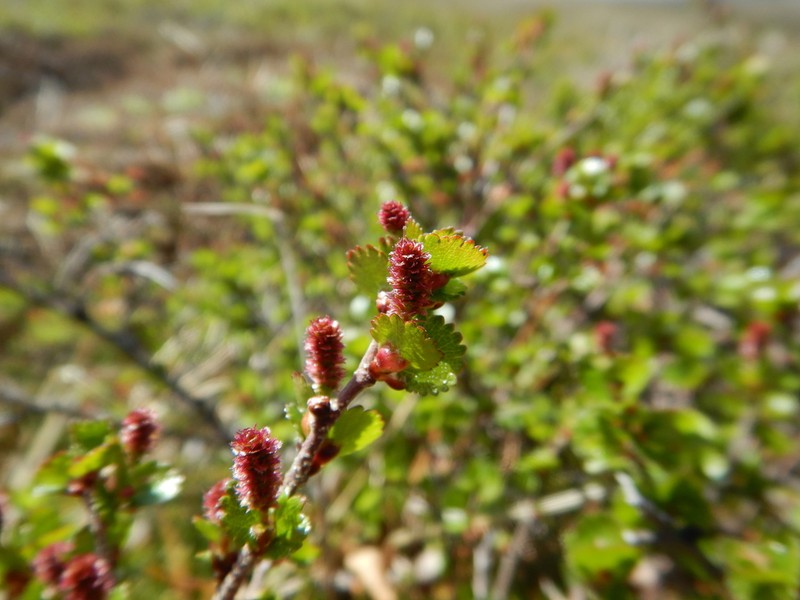
- Bloom Months:
- apr,may
- Bloom Colors:
- yellow, brown
Wildlife Benefits
- Butterflies & Moths:
- ★★★★★ Documented Lepidoptera association (GBIF)
- Caterpillars:
- ★★☆☆☆ Recorded caterpillar host plant (HOSTS Database)
Keystone Species Ranking
- Caterpillar Keystone:
- ★★★★★ Butterfly & moth species supported by this genus (NWF)
Host Plant for Caterpillars
Eupithecia misturata, Itame occiduaria, Lobed Looper (Syngrapha interrogationis), Spiramater lutra, Swammerdamia caesiella, Syngrapha diasema, Xestia speciosa, Xestia tecta
Garden & Ecology Notes
- Wildlife Value:
- birds, small mammals
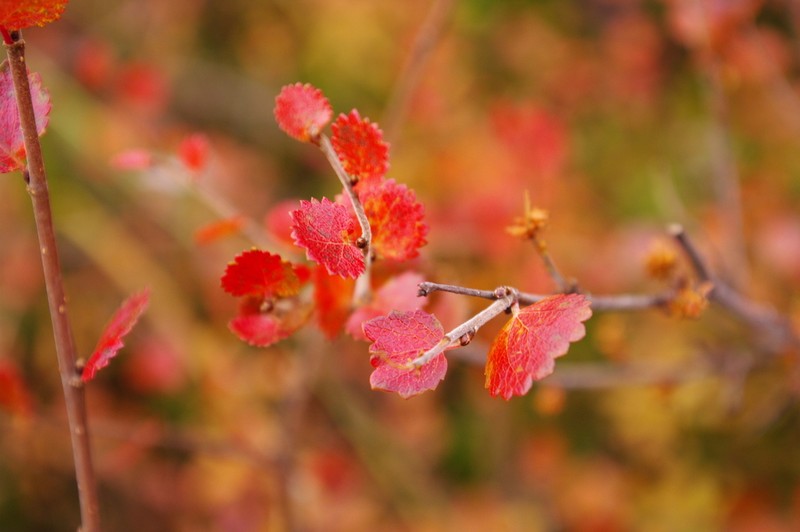
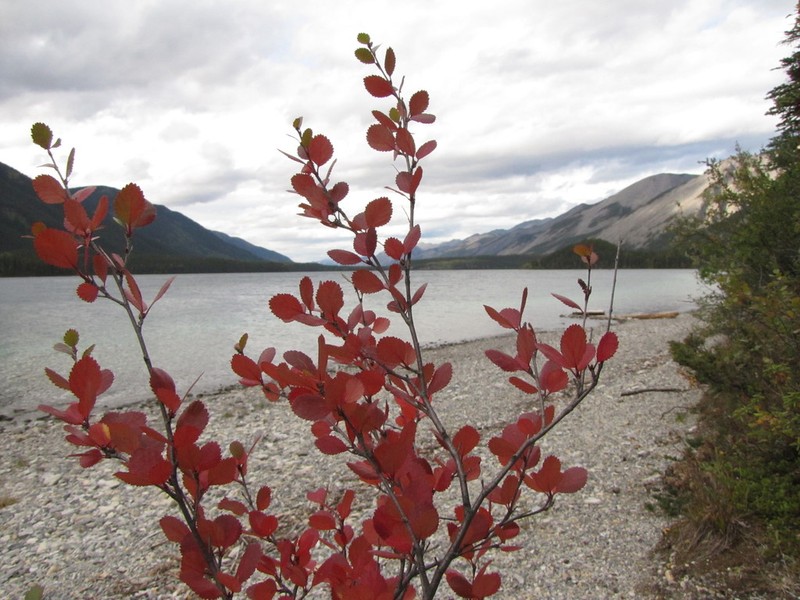
- Fall Color:
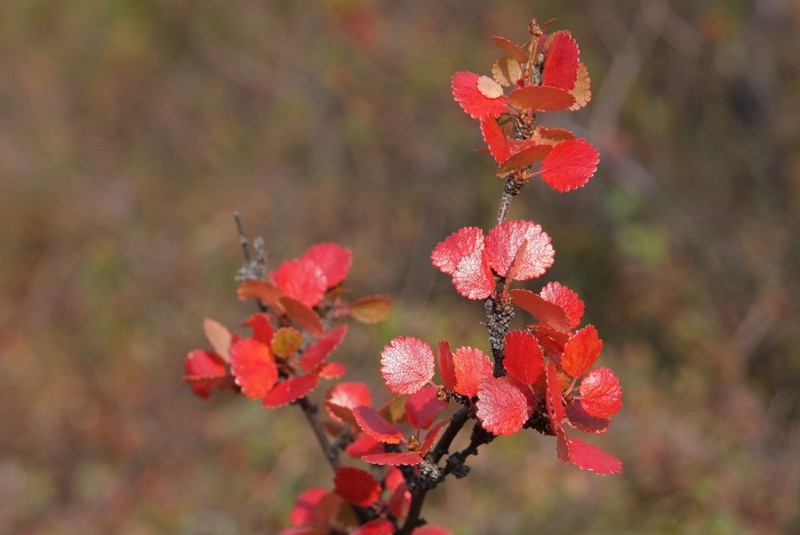
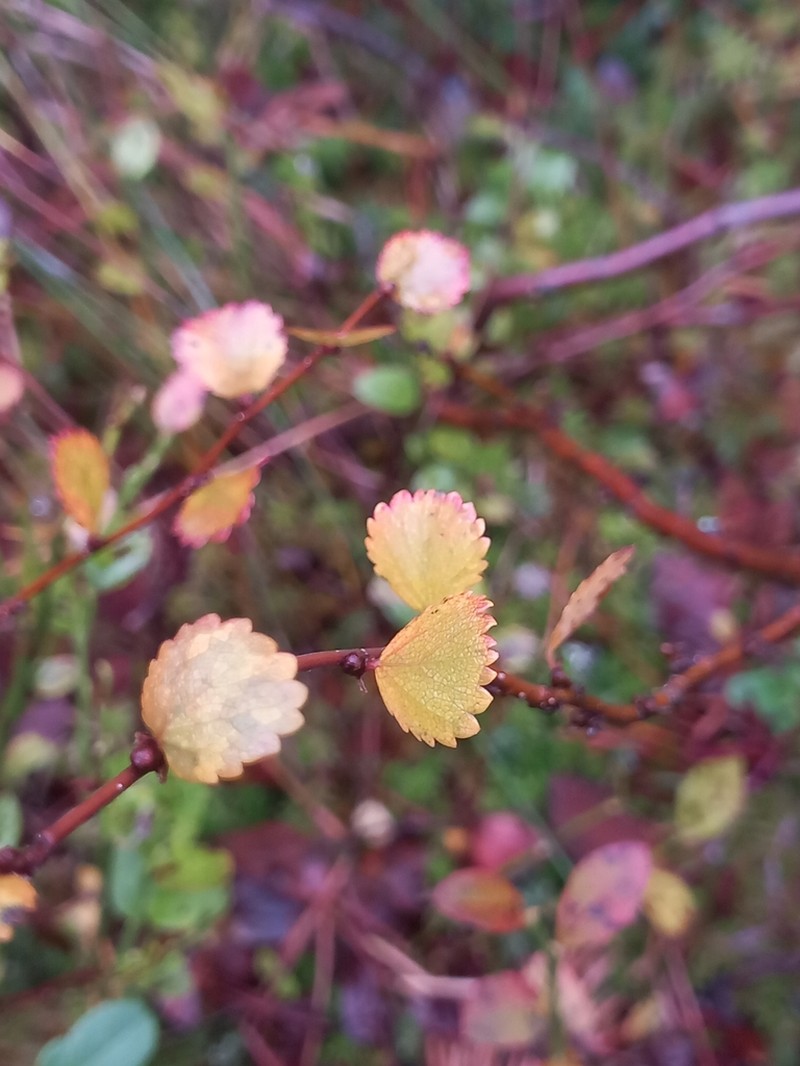
- yellow, orange, red
Soil Requirements
- Soil Type:
- peaty, nutrient-poor, acidic soil
- pH:
- 4.5 - 6.0 (acidic to slightly acidic)
- Drainage:
- tolerates poor drainage
- Moisture:
- consistently moist
- Notes:
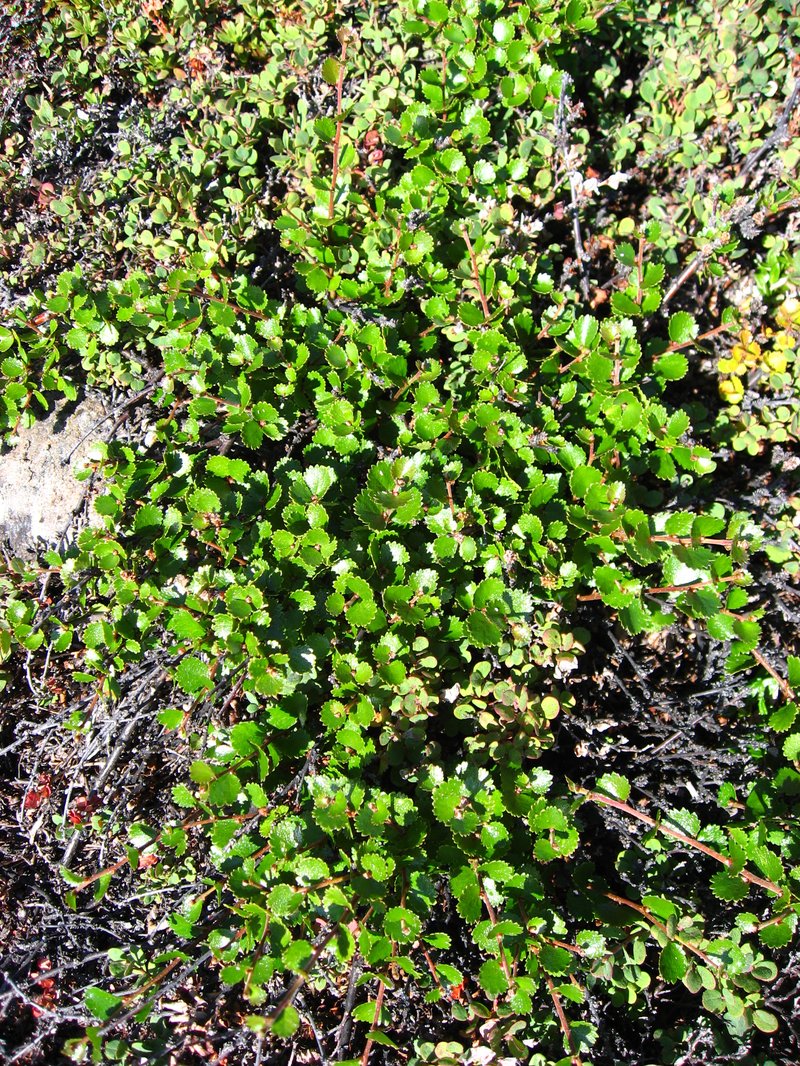
- commonly found in bogs and tundra
Propagation & Germination
- Stratification:
- Cold/moist stratification required — 30–60 days
- Germination Time:
- 14–30 days
- Notes:
- Seeds require cold stratification for 30-60 days to break dormancy; sow on surface of moist, acidic soil.
Pre-treatment: Seeds are placed in cold moist stratification for 14 days if sown outside Fall season. No pretreatment necessary if sown in the Fall.
Establishment: B. nana is found throughout the arctic and subarctic regions of the Northern hemisphere; in North America, Europe and Asia. Most of Alaska eastward through YT, NT, and Nunavut to Hudson Bay and dipping into extreme northern BC, AB, SK, and MB. Collection made in late summer/early Fall.
Source: npn.rngr.net