
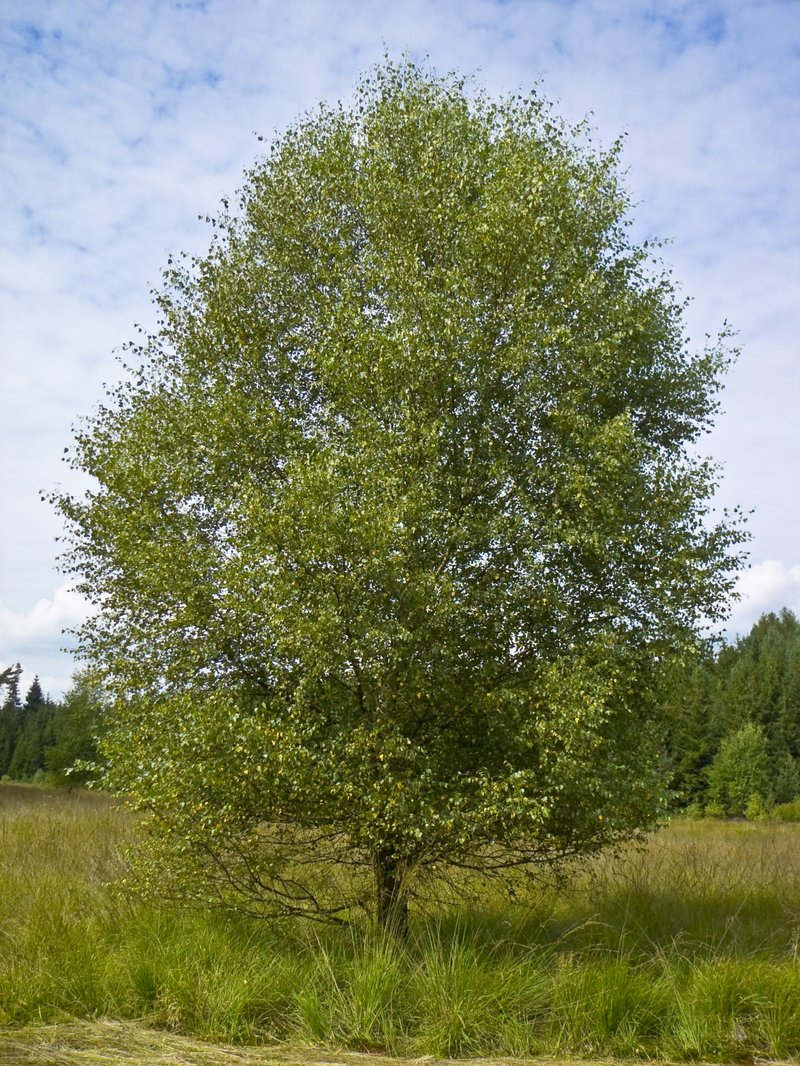
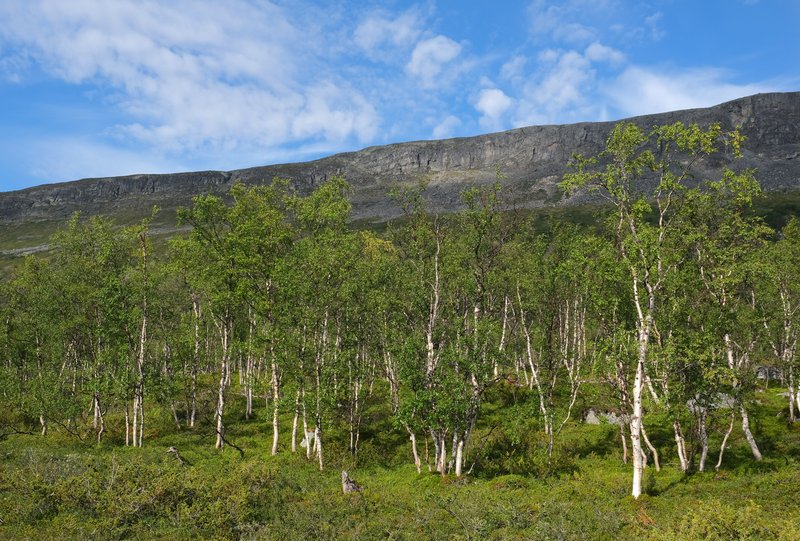
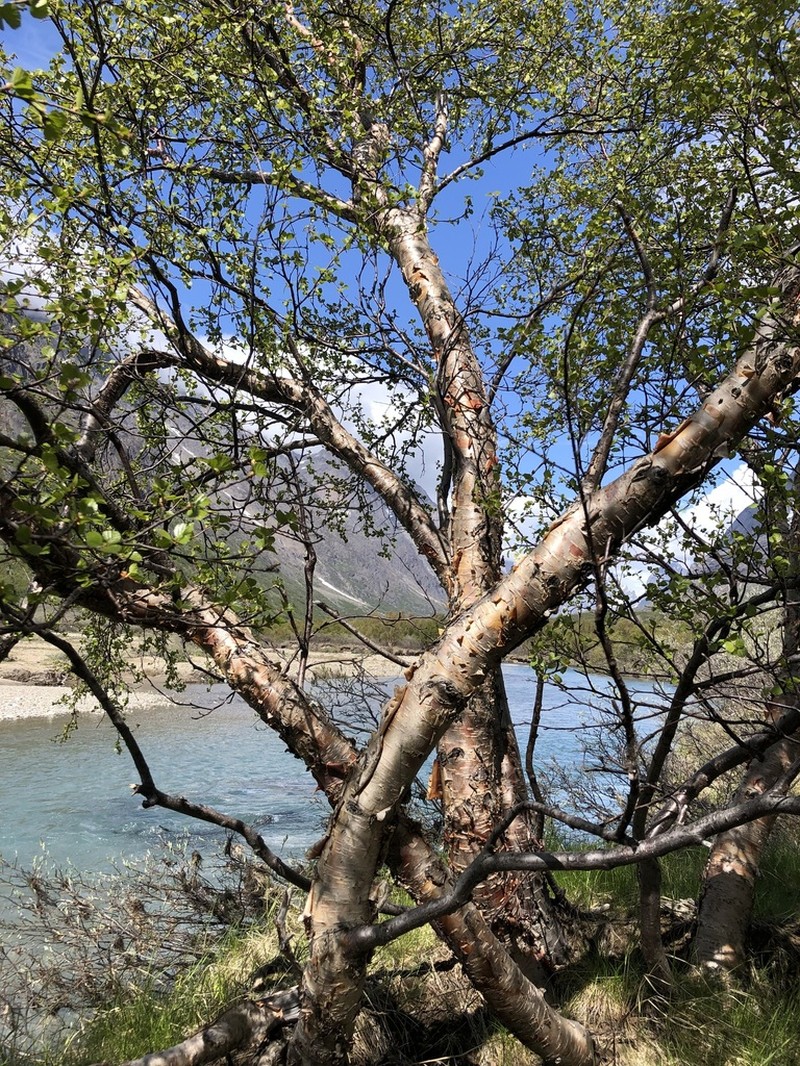
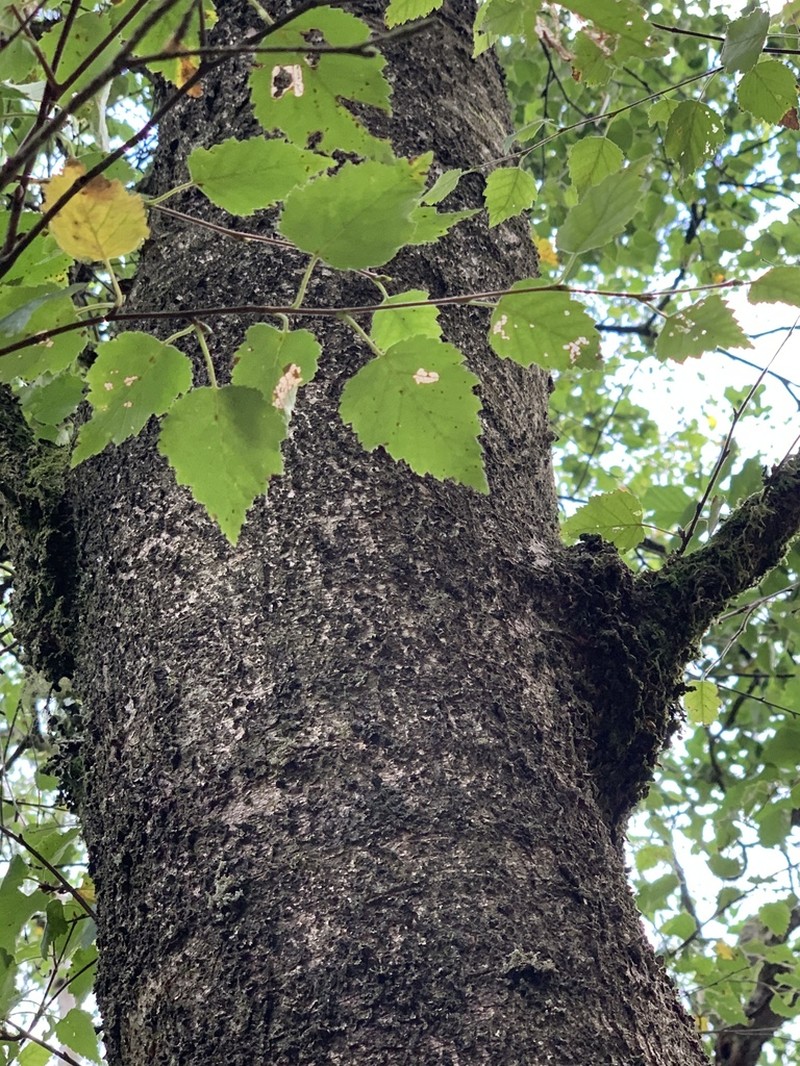
Downy Birch
Betula pubescens
- Native to:
- Austria, Baltic States, Belarus, Belgium, Czechia-Slovakia, Denmark, Finland, France, Germany, Great Britain, Greenland, Hungary, Iceland, Iran, Ireland, Italy, Netherlands, North Caucasus, Norway, NW. Balkan Pen., Poland, Portugal, Romania, Russia, Spain, Sweden, Switzerland, Transcaucasus, Türkiye, Ukraine, United States
Willow

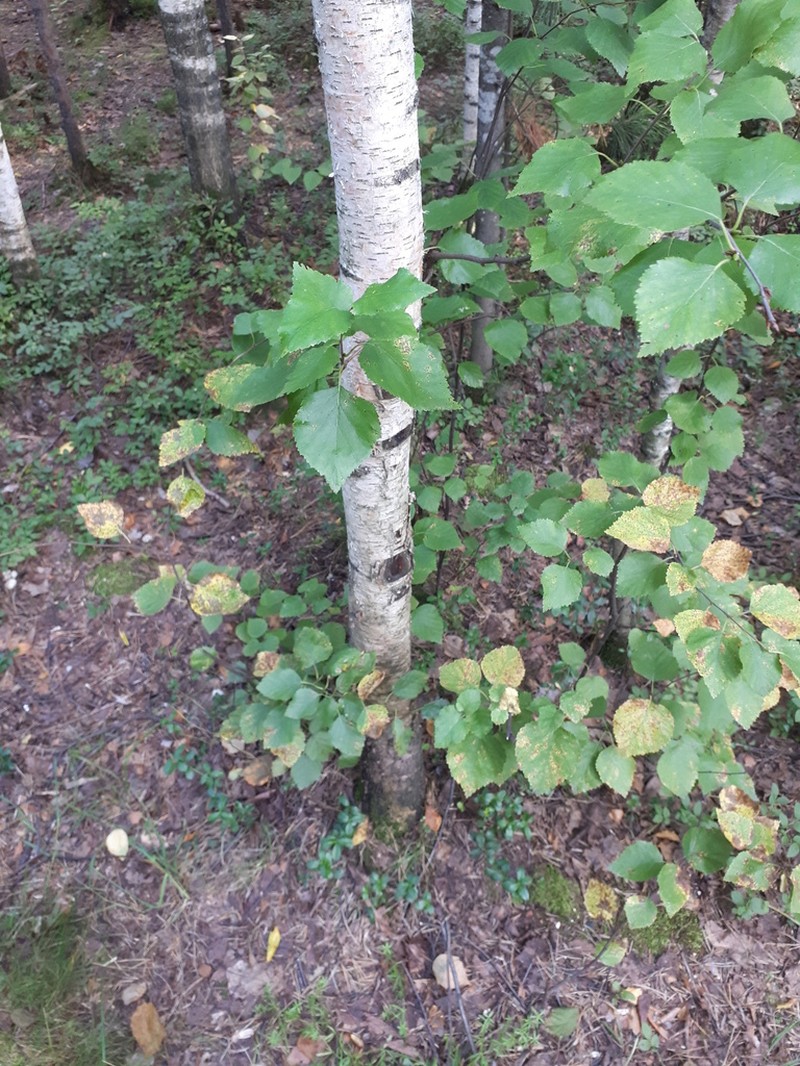
Taxonomy
- Division:
- Magnoliophyta | - Flowering plants
- Family:
- Betulaceae
- Genus:
- Betula
- Species:
- Betula pubescens
- USDA Symbol:
- BEPU5
Growth Characteristics
- Life Cycle:
- Perennial
- Growth Habit:
- Tree
- Height:
- 2000 cm
- Light Requirements:
- Full Sun
- Drought Tolerance:
- Low
- Bloom Months:
- apr,may
- Bloom Colors:
- yellow-brown
Wildlife Benefits
- Butterflies & Moths:
- ★★★★★ Documented Lepidoptera association (GBIF)
- Caterpillars:
- ★★★☆☆ Recorded caterpillar host plant (HOSTS Database)
Keystone Species Ranking
- Caterpillar Keystone:
- ★★★★★ Butterfly & moth species supported by this genus (NWF)
Host Plant for Caterpillars
Acronicta dactylina, American Dagger Moth (Acronicta americana), Arched Hooktip (Drepana arcuata), Banded Tussock Moth (Halysidota tessellaris), Caloptilia coroniella, Cecropia moth (Hyalophora cecropia), Eastern Tent Caterpillar (Malacosoma americana), Elm Sphinx (Ceratomia amyntor), Fall webworm (Hyphantria cunea), hag moth (Phobetron pithecium), Hickory Tussock Moth (Lophocampa caryae), Imperial Moth (Eacles imperialis), Io moth (Automeris io), Isabella tiger moth (Pyrrharctia isabella), Olethreutes zelleriana, Orange-tipped oakworm moth (Anisota senatoria), Peppered Moth (Biston betularia), Polyphemus moth (Antheraea polyphemus), Red-humped caterpillar moth (Schizura concinna), Spring cankerworm (Paleacrita vernata), Two-lined Hooktip Moth (Drepana bilineata), Umber Moth (Hypomecis umbrosaria), Unicorn caterpillar moth (Schizura unicornis), White-marked Tussock Moth (Orgyia leucostigma), white-streaked prominent (Oligocentria lignicolor), Yellownecked caterpillar (Datana ministra), Compton Tortoiseshell (Nymphalis vau-album), Eastern Tiger Swallowtail (Papilio glaucus)
Garden & Ecology Notes
- Wildlife Value:
- birds, small mammals, caterpillars
- Fall Color:
- yellow
Soil Requirements
- Soil Type:
- moist, nutrient-rich, well-drained soil
- pH:
- 4.5 - 6.5 (acidic to slightly acidic)
- Drainage:
- tolerates poor drainage
- Moisture:
- consistently moist
- Notes:
- thrives in wetland areas and peat bogs
Propagation & Germination
- Stratification:
- Cold/moist stratification required — 30–60 days
- Germination Time:
- 14–30 days
- Notes:
- Seeds require cold stratification for 1-2 months; sow on surface of moist, well-drained seedbed.
ORGHPS Germination Guide: Sow @ 20C. Germinates within 3 months. Requires light / surface sow (fine seed).
Where to Buy
Nationwide Seller
- Sheffield's Seed (seeds)