
American Hornbeam
Carpinus caroliniana
- Native to:
- Canada, United States, Virgin Islands
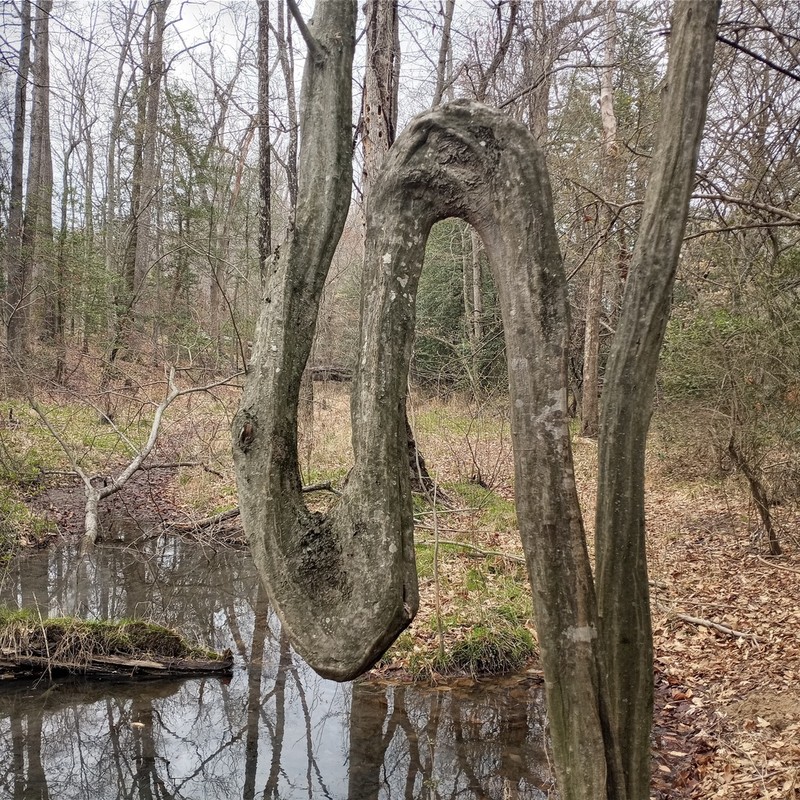
iNaturalist: © waynesweeds (iNaturalist #267411102)
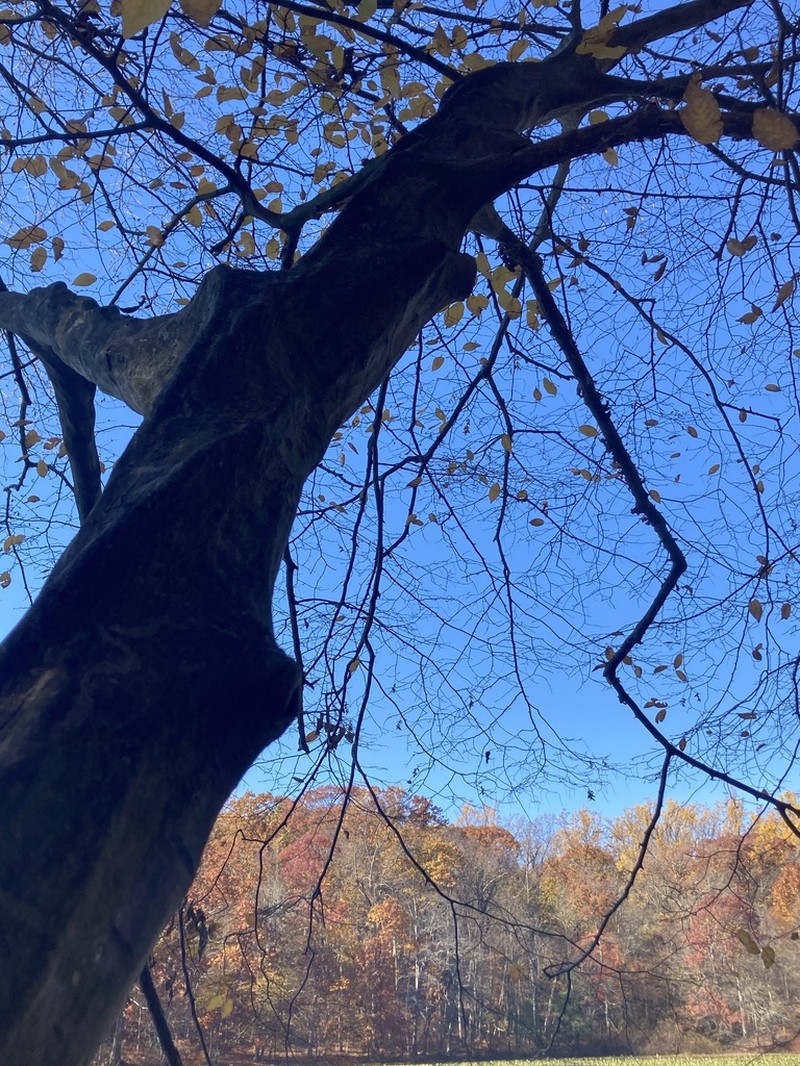
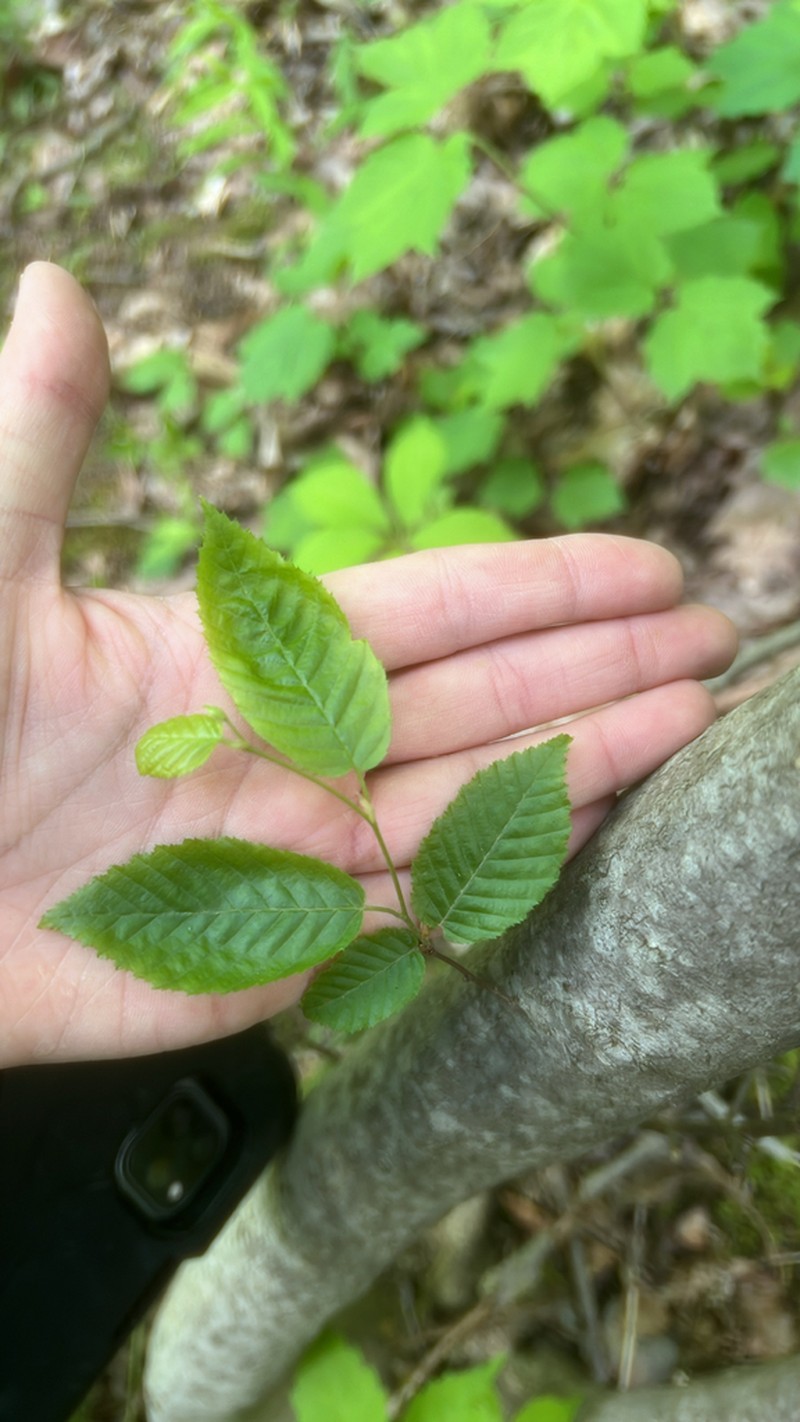
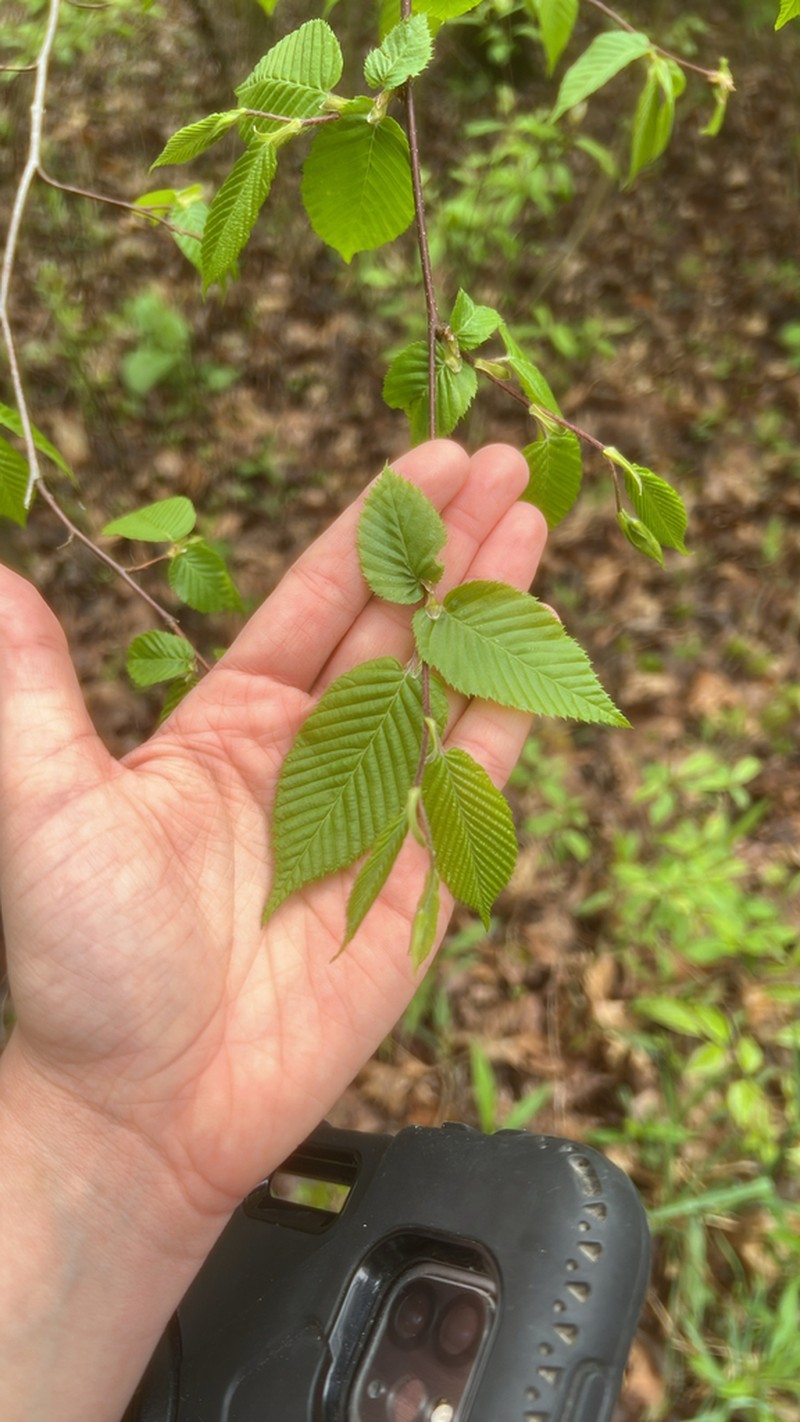
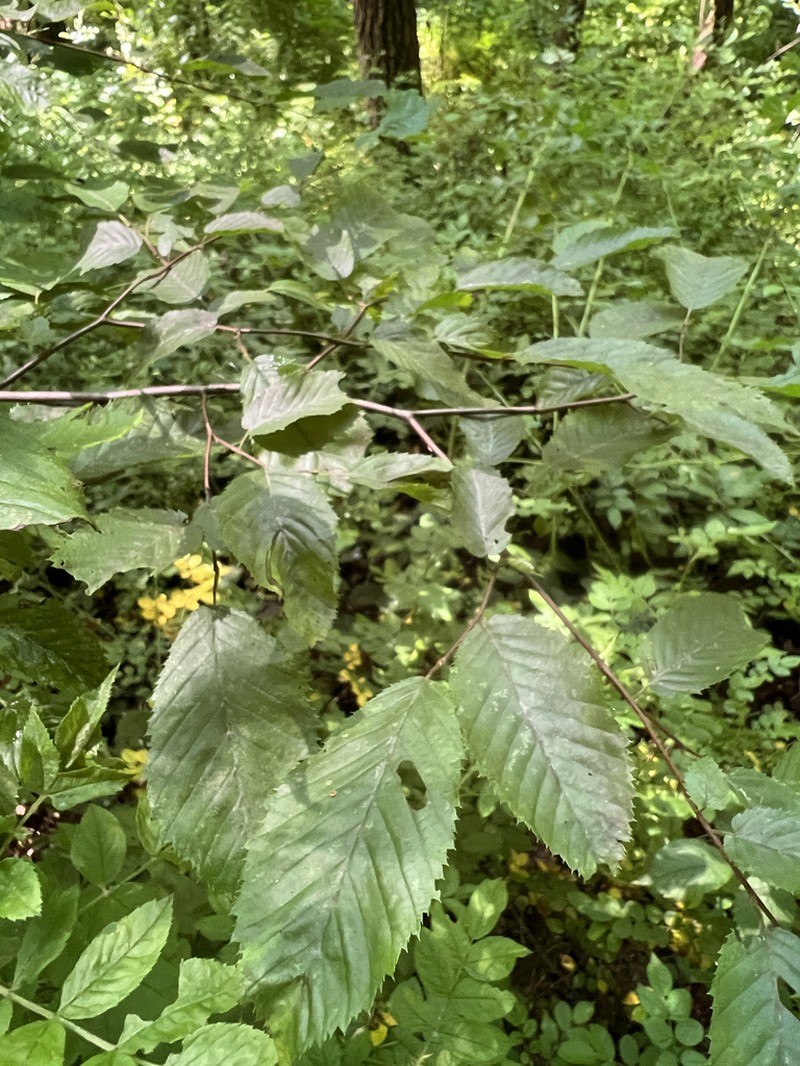
Taxonomy
- Division:
- Magnoliophyta | - Flowering plants
- Family:
- Betulaceae
- Genus:
- Carpinus
- Species:
- Carpinus caroliniana
- USDA Symbol:
- CACA18
Growth Characteristics
- Life Cycle:
- Perennial
- Growth Habit:
- Shrub , Tree
- Height:
- 1200 cm
- Light Requirements:
- Part Shade,Shade
- Drought Tolerance:
- Low
- Bloom Months:
- apr,may
- Bloom Colors:
- green, yellow
Wildlife Benefits
- Butterflies & Moths:
- ★★★★☆ Documented Lepidoptera association (GBIF)
- Caterpillars:
- ★★★★☆ Recorded caterpillar host plant (HOSTS Database)
Host Plant for Caterpillars
Acrobasis carpinivorella, American Dagger Moth (Acronicta americana), Autumnal moth (Epirrita autumnata), Banded Tussock Moth (Halysidota tessellaris), Blinded Sphinx (Paonias excaecata), Cameraria corylisella, Cameraria ostryarella, Confused Morrisonia (Morrisonia confusa), Eastern Tent Caterpillar (Malacosoma americana), Ectoedemia quadrinotata, elm spanworm moth (Ennomos subsignaria), eyed baileya moth (Baileya ophthalmica), Fall webworm (Hyphantria cunea), false prominent (Schizura leptinoides), Forest Tent Caterpillar (Malacosoma disstria), friendly probole (Probole amicaria), Gypsy moth (Lymantria dispar), Hickory Tussock Moth (Lophocampa caryae), Imperial Moth (Eacles imperialis), inverted Y slug moth (Apoda y-inversum), Io moth (Automeris io), Lace-winged zale (Zale minerea), Linden looper (Erannis tiliaria), maple-basswood leafroller (Sparganothis pettitana), Menesta tortriciformella, Nites maculatella, Norman's Quaker (Crocigrapha normani), orange besma (Besma endropiaria), Pink-striped oakworm moth (Anisota virginiensis), Polyphemus moth (Antheraea polyphemus), Sleeping Baileya (Baileya dormitans), spiny looper moth (Phigalia titea), Spotted Apatelodes (Apatelodes torrefacta), Twin-spotted sphinx (Smerinthus jamaicensis), white spring moth (Lomographa vestaliata), White-blotched Heterocampa (Heterocampa umbrata), White-marked Tussock Moth (Orgyia leucostigma), woodland leafroller (Pandemis lamprosana), Yellownecked caterpillar (Datana ministra), Eastern Tiger Swallowtail (Papilio glaucus), Red-spotted Purple (Basilarchia arthemis), Striped Hairstreak (Satyrium liparops)
Reported Fauna Sightings
Moths:Banded Tussock Moth (Halysidota tessellaris), Caloptilia ostryaeella, Coleophora ostryae, Ectoedemia quadrinotata, Horned Spanworm (Nematocampa resistaria), Yellow-shouldered Slug Moth (Lithacodes fasciola)
Garden & Ecology Notes
- Wildlife Value:
- birds, small mammals, butterflies
- Fall Color:
- yellow, orange, red
Soil Requirements
- Soil Type:
- rich, well-drained loamy soil
- pH:
- 5.5 - 7.0 (slightly acidic to neutral)
- Drainage:
- tolerates poor drainage
- Moisture:
- consistently moist
- Notes:
- prefers floodplain and bottomland forests
Propagation & Germination
- Stratification:
- Cold/moist stratification required — 60–90 days
- Germination Time:
- 30–60 days
- Notes:
- Seeds require cold stratification for 60-90 days to break dormancy; germination occurs in spring.
Pre-treatment: Seeds are warm and cold stratified for 84 to 128 days or sown outdoors for natural stratification.
Establishment: There are two different propagation protocols for Carpinus caroliniana. One involves sowing seeds outdoors for natural stratification, while the other involves warm and cold stratification for 84 to 128 days. The temperature for germination is only provided in the second protocol.
Source: npn.rngr.net
Where to Buy
Nationwide Seller
- Sheffield's Seed (seeds)
- Native Plants Nursery (nursery)