
American Hazelnut
Corylus americana
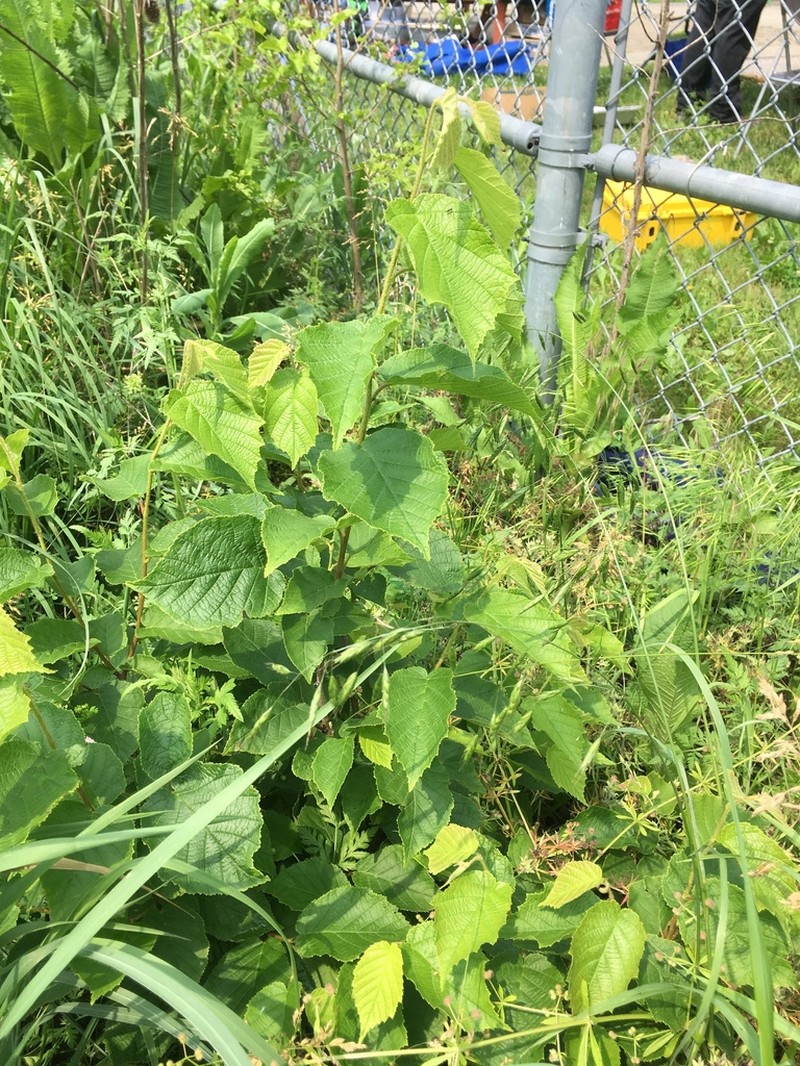
iNaturalist: © alanedwards3194 (iNaturalist #26182286)
Taxonomy
- Division:
- Magnoliophyta | - Flowering plants
- Family:
- Betulaceae
- Genus:
- Corylus
- Species:
- Corylus americana
Growth Characteristics
- Life Cycle:
- Perennial
- Growth Habit:
- Shrub
- Height:
- 300 cm
- Light Requirements:
- Part Shade,Shade
- Drought Tolerance:
- Medium
- Bloom Months:
- mar,apr
- Landscaping Shrub:
- Yes
Native Range
Canada, United States
Wildlife Benefits
- Caterpillars:
- ★★★☆☆ Recorded caterpillar host plant (HOSTS Database)
Keystone Species Ranking
- Caterpillar Keystone:
- ★☆☆☆☆ Butterfly & moth species supported by this genus (NWF)
Host Plant for Caterpillars
Reported Fauna Sightings
Garden & Ecology Notes
- Wildlife Value:
- birds, squirrels, small mammals, deer
- Fall Color:
- yellow, orange
- Fire Ecology:
- Fire adapted — tolerates or benefits from fire
- Fire Notes:
- Resprouts vigorously from the root crown after fire. Historically maintained in open woodlands by periodic fire.
Soil Requirements
- Soil Type:
- rich, well-drained loamy soil
- pH:
- 5.5 - 7.0 (slightly acidic to neutral)
- Drainage:
- good drainage preferred
- Moisture:
- dry to moderate
- Notes:
- thrives in open woodlands and forest edges
Propagation & Germination
- Stratification:
- Warm then cold/moist stratification (double dormancy) — 60–120 days
- Germination Time:
- 30–90 days
- Notes:
- Double dormancy requiring warm stratification (60-90 days) followed by cold stratification (90-120 days). Seeds may take two years to germinate if dormancy not properly broken.
Propagation data sourced from Claude AI
Pre-treatment: Seeds are sown during late October by hand in prepared field beds.
Establishment: Seeds are purchased from local people who collect within a 50 mile radius of the nursery. Seeds are wild collected during fall months and are kept separated according to site, elevation and source. Seed sources are from south central Missouri.
Source: npn.rngr.net
ORGHPS Germination Guide: Expose to fluctuation outdoor winter temperatures including freezing for 3 months. Gradually increase light and temperature in the spring. Requires soaking. Place in warm water until seeds swell, usually 24-48 hours. Discard water and any seeds that remain floating. * soak 4 days, discard floaters