
Chisos Hophornbeam
Ostrya knowltonii
- Native to:
- United States
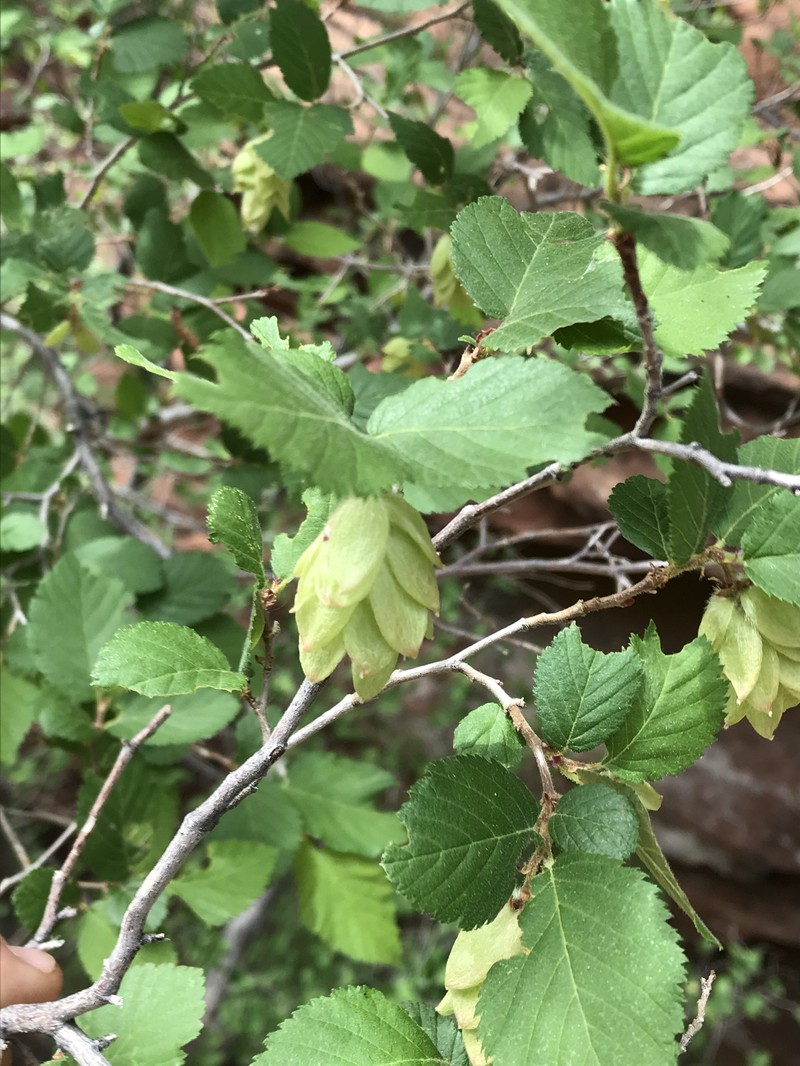
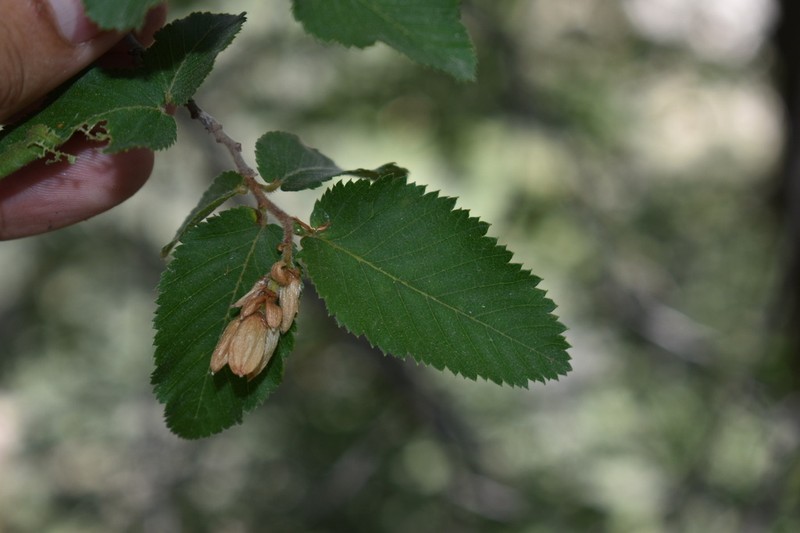
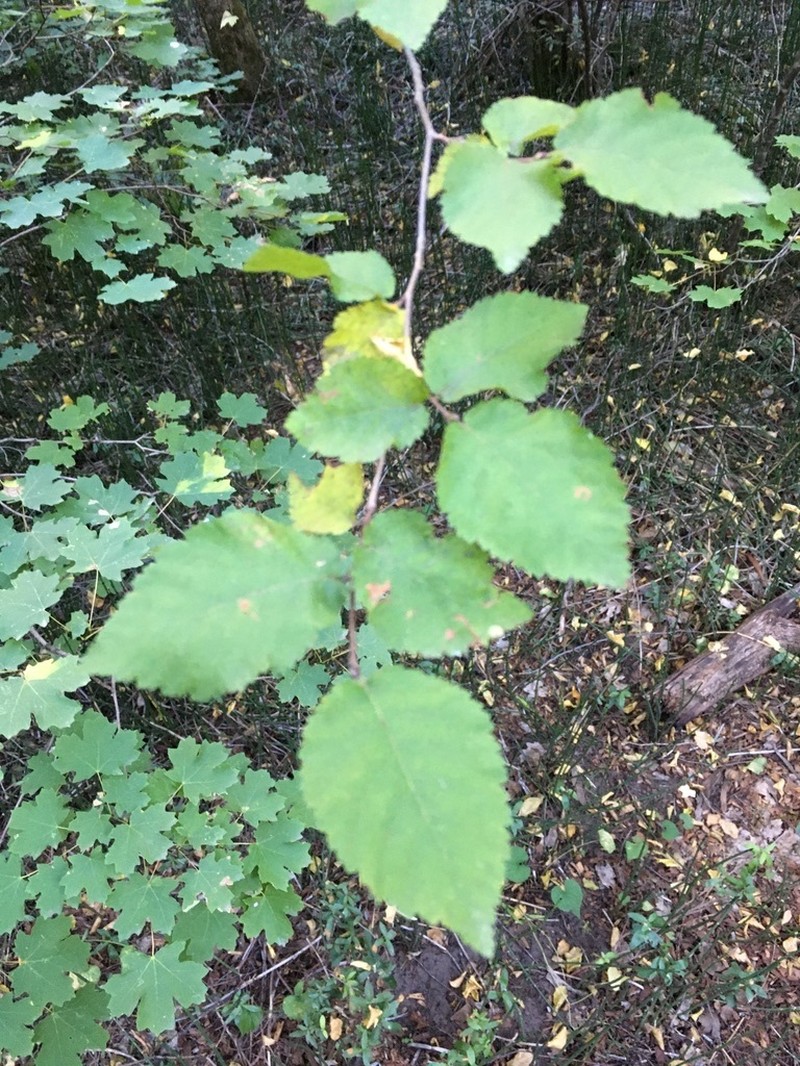
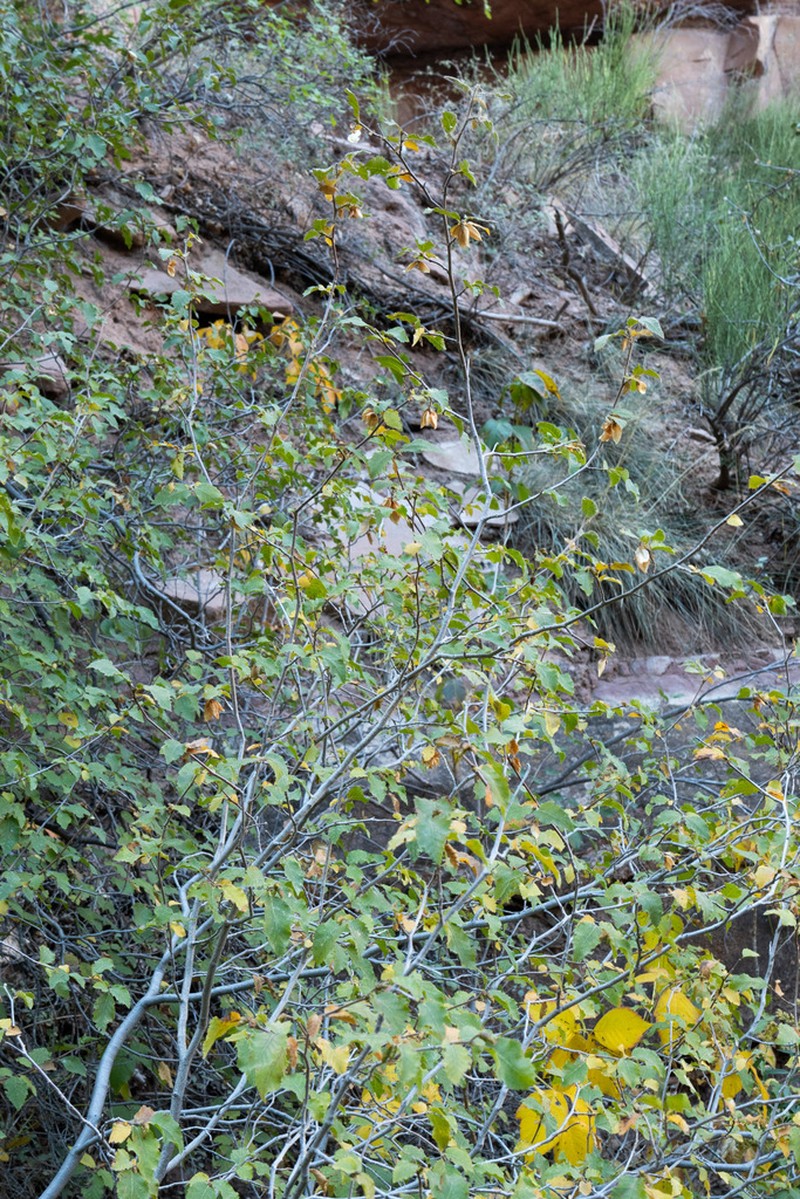
Wikimedia: Robb Hannawacker
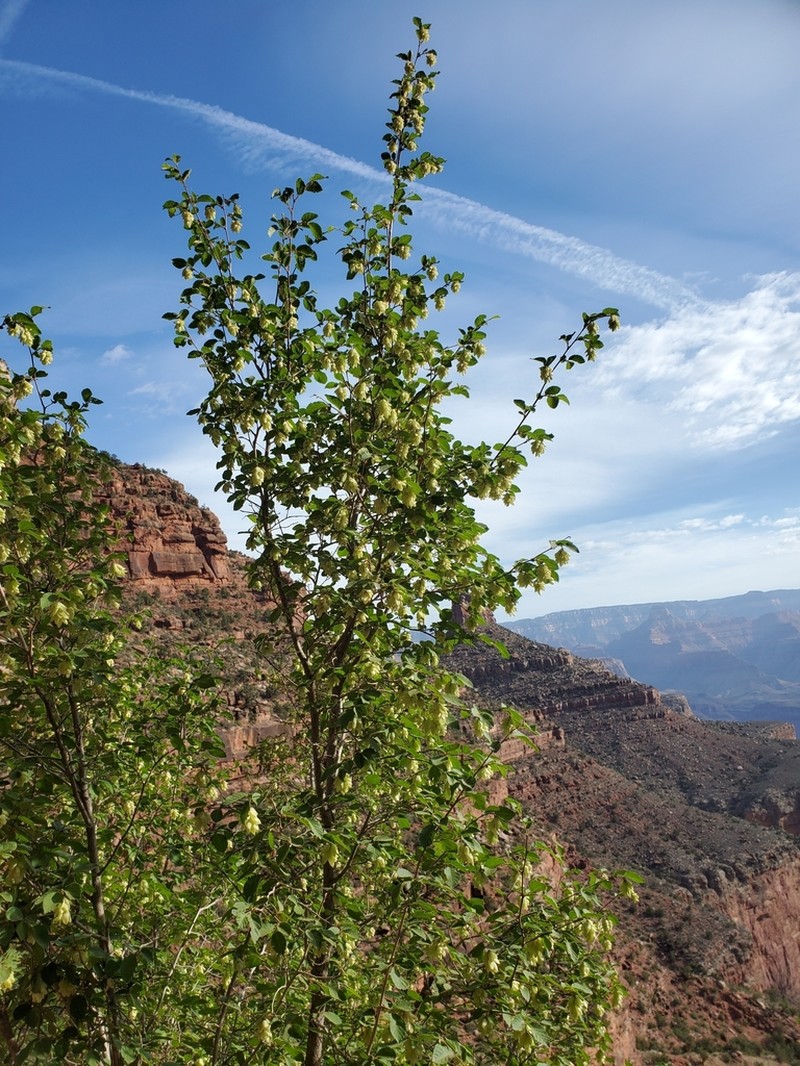
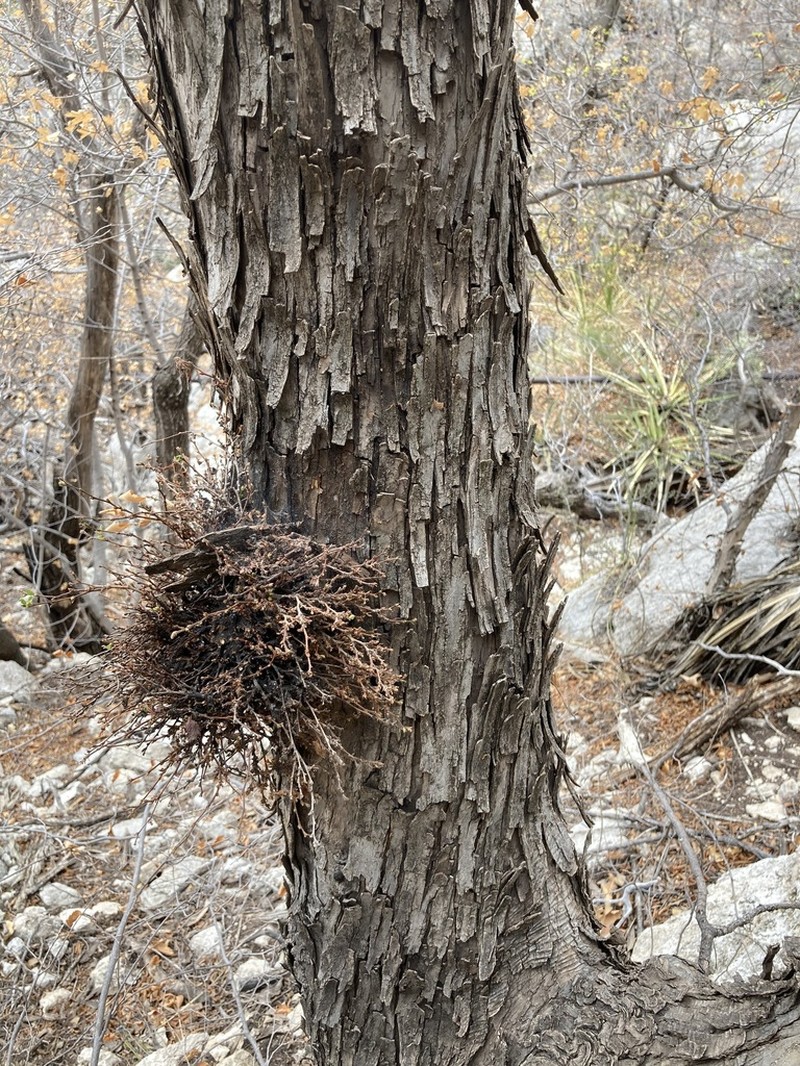
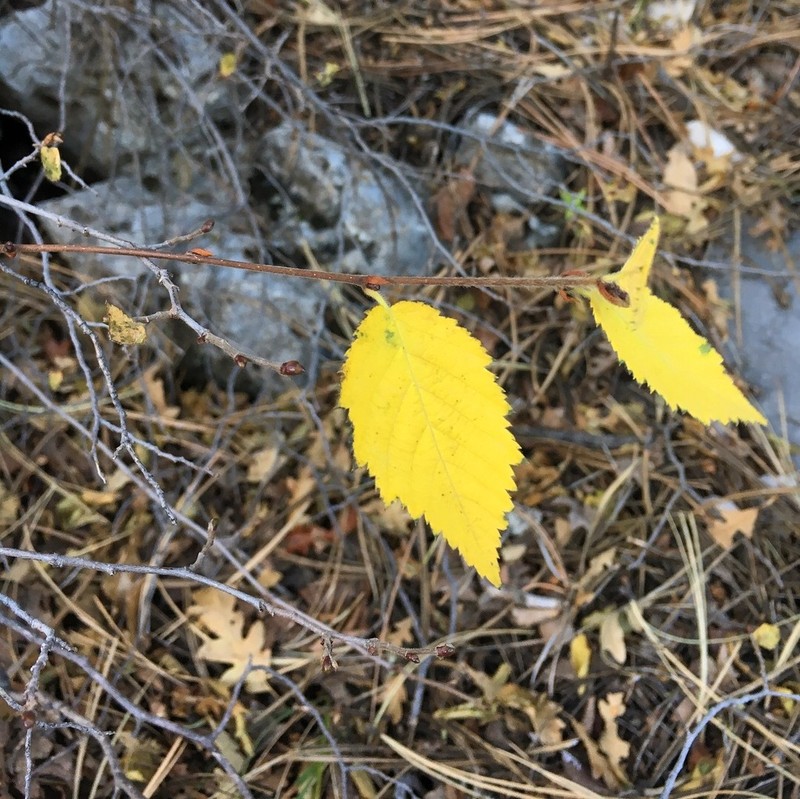
Taxonomy
- Division:
- Magnoliophyta | - Flowering plants
- Family:
- Betulaceae
- Genus:
- Ostrya
- Species:
- Ostrya knowltonii
- USDA Symbol:
- OSCH2
Growth Characteristics
- Life Cycle:
- Perennial
- Growth Habit:
- Shrub , Tree
- Height:
- 900 cm
- Light Requirements:
- Full Sun
- Drought Tolerance:
- High
- Bloom Months:
- apr,may
Wildlife Benefits
- Caterpillars:
- ★★★★★ Recorded caterpillar host plant (HOSTS Database)
Keystone Species Ranking
- Caterpillar Keystone:
- ★★★★☆ Butterfly & moth species supported by this genus (NWF)
Host Plant for Caterpillars
Acrobasis kylesi, Acrobasis ostryella, Acrobasis sylviella, Banded Tussock Moth (Halysidota tessellaris), Bethune's Pinion (Lithophane bethunei), Blinded Sphinx (Paonias excaecata), Caloptilia ostryaeella, Cameraria lentella, Cameraria ostryarella, Cecropia moth (Hyalophora cecropia), Cinnamon Tussock Moth (Dasychira cinnamomea), Coleophora ostryae, Colocasia flavicornis, Confused Morrisonia (Morrisonia confusa), Curve-lined looper (Lambdina fervidaria), Dark-spotted Palthis (Palthis angulalis), Eastern Tent Caterpillar (Malacosoma americana), elm spanworm moth (Ennomos subsignaria), Eumarozia malachitana, eyed baileya moth (Baileya ophthalmica), fall cankerworm (Alsophila pometaria), Fall webworm (Hyphantria cunea), false prominent (Schizura leptinoides), Gypsy moth (Lymantria dispar), Hethemia pistasciaria, hibiscus Quaker (Orthosia hibisci), Hickory Tussock Moth (Lophocampa caryae), Imperial Moth (Eacles imperialis), Interrupted Dagger Moth (Acronicta interrupta), Io moth (Automeris io), Lace-winged zale (Zale minerea), Linden looper (Erannis tiliaria), Luna moth (Actias luna), Morrisonia latex, Nason's slug moth (Natada nasoni), Nites ostryella, Norman's Quaker (Crocigrapha normani), oak leaf blotch miner (Cameraria hamadryadella), Obliquebanded leafroller (Choristoneura rosaceana), Olethreutes fagigemmeana, Olethreutes merrickanum, One-spotted variant moth (Hypagyrtis unipunctata), Orthosia pacifica, Phyllonorycter lucetiella, Phyllonorycter obscuricostella, Phyllonorycter ostryaefoliella, Phyllonorycter tritaenianella, Polyphemus moth (Antheraea polyphemus), Saddled Prominent (Heterocampa guttivitta), Sleeping Baileya (Baileya dormitans), Sparganothis niveana, Spotted Apatelodes (Apatelodes torrefacta), Spotted Tussock Moth (Lophocampa maculata), Spring cankerworm (Paleacrita vernata), Stigmella corylifoliella, Stigmella ostryaefoliella, Stigmella procrastinella, Stilbosis ostryaeella, Twin-spotted sphinx (Smerinthus jamaicensis), variegated snout (Hypena palparia), Walnut Sphinx (Amorpha juglandis), white triangle tortrix (Clepsis persicana), white-fringed emerald (Nemoria mimosaria), White-marked Tussock Moth (Orgyia leucostigma), Red-spotted Purple (Basilarchia arthemis)
Garden & Ecology Notes
- Wildlife Value:
- birds, small mammals
- Deer Resistant:
- Yes
- Fall Color:
- yellow
- Fire Ecology:
- Fire adapted — tolerates or benefits from fire
- Fire Notes:
- Resprouts from root crown following fire; adapted to fire-prone canyon habitats.
Propagation & Germination
- Stratification:
- Warm then cold/moist stratification (double dormancy) — 60–120 days
- Germination Time:
- 30–180 days
- Notes:
- Double dormancy; warm stratification followed by cold stratification required. Germination can be erratic.
Pre-treatment: Cold-moist stratification for 30 days at 1–5°C (34–41°F).
Source: Claude AI