
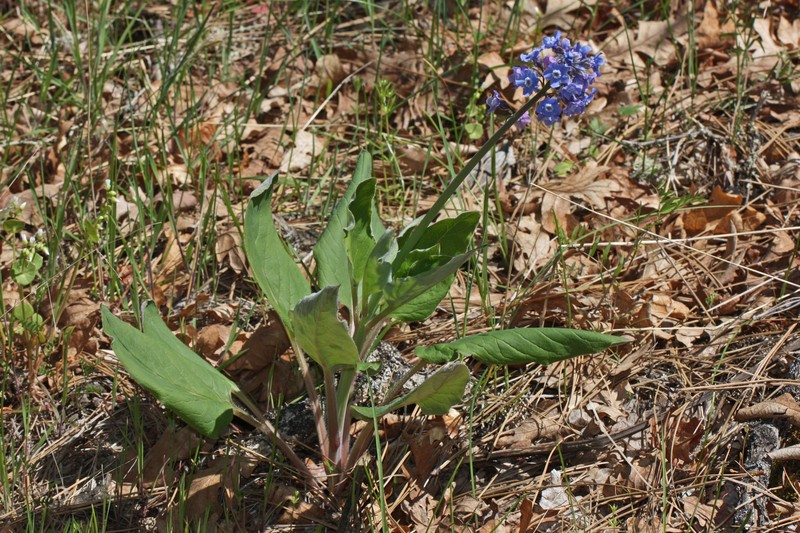
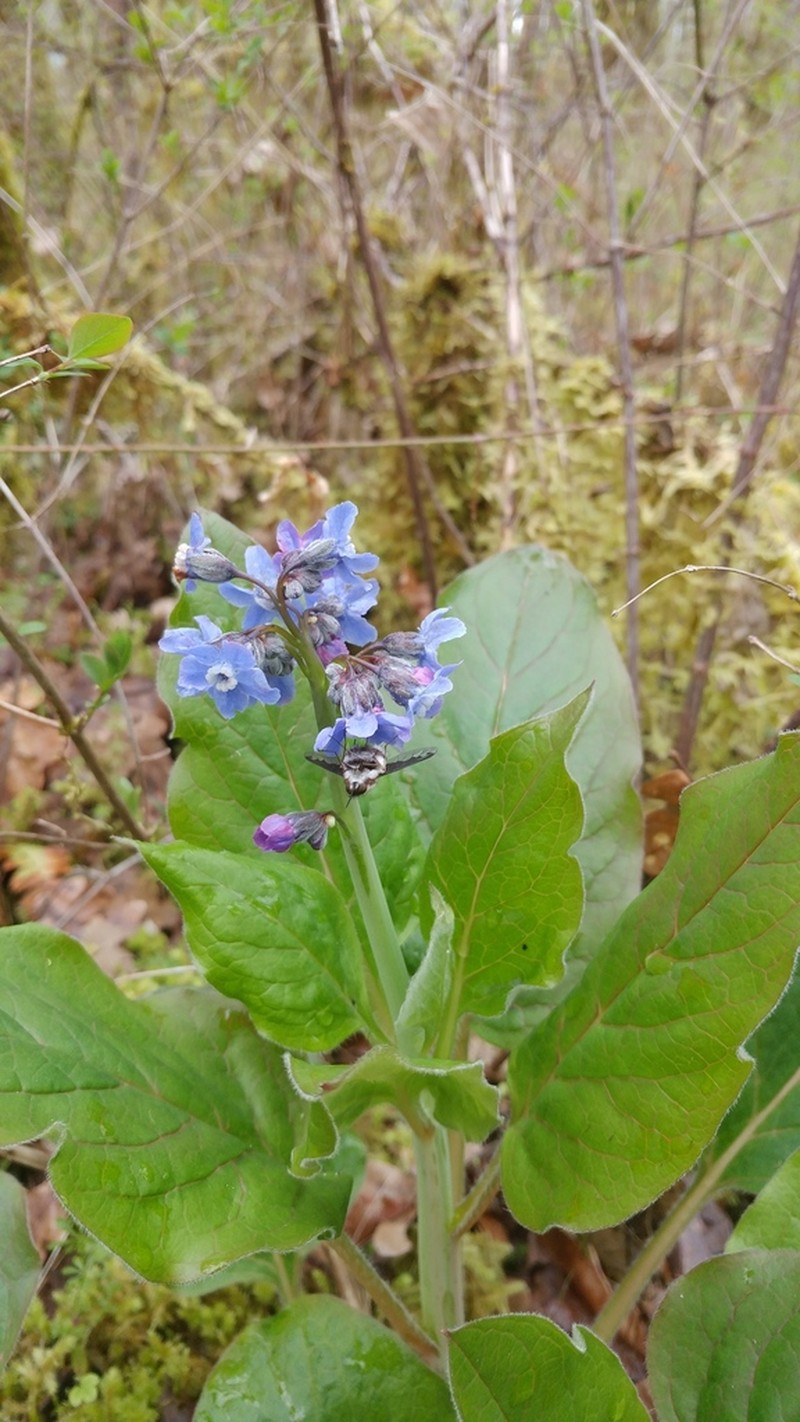
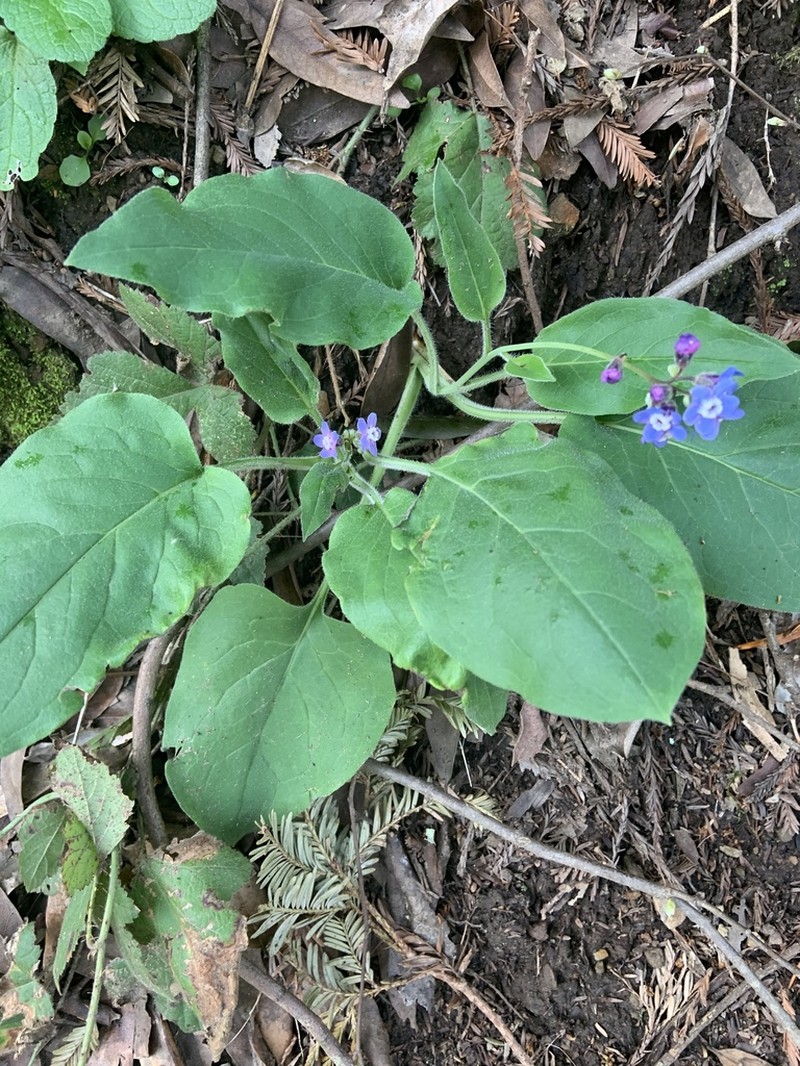
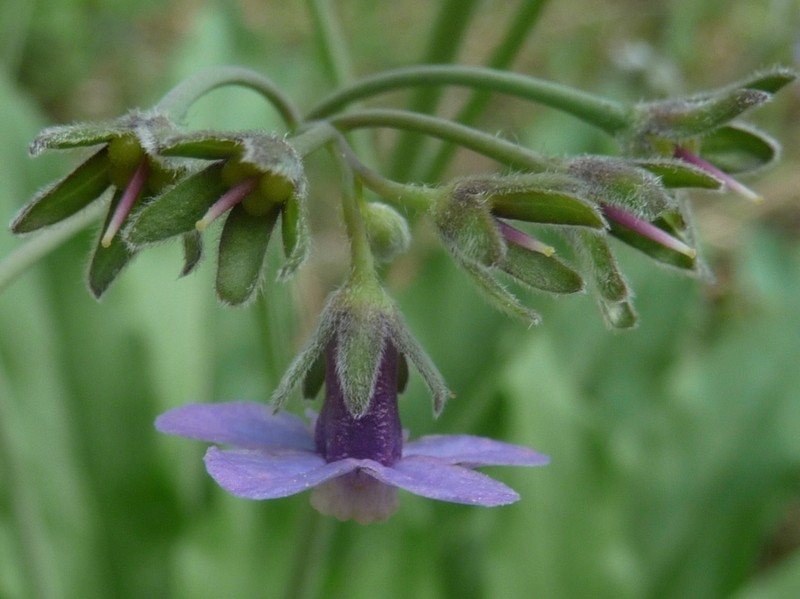
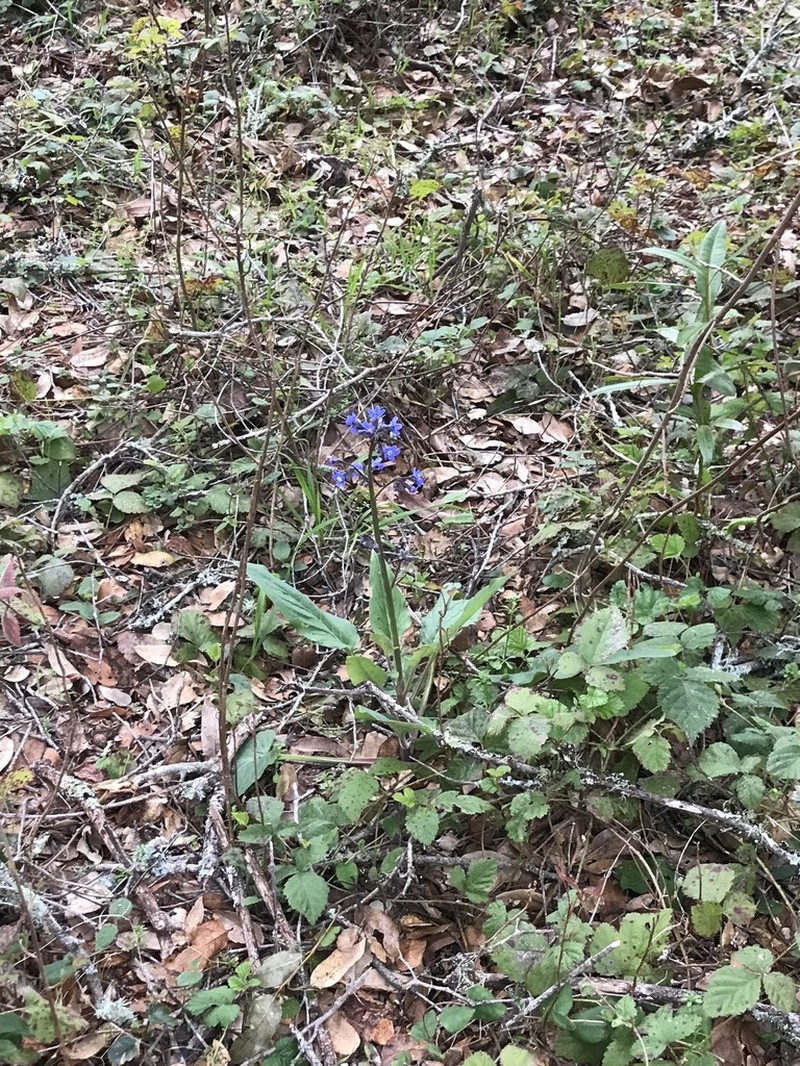
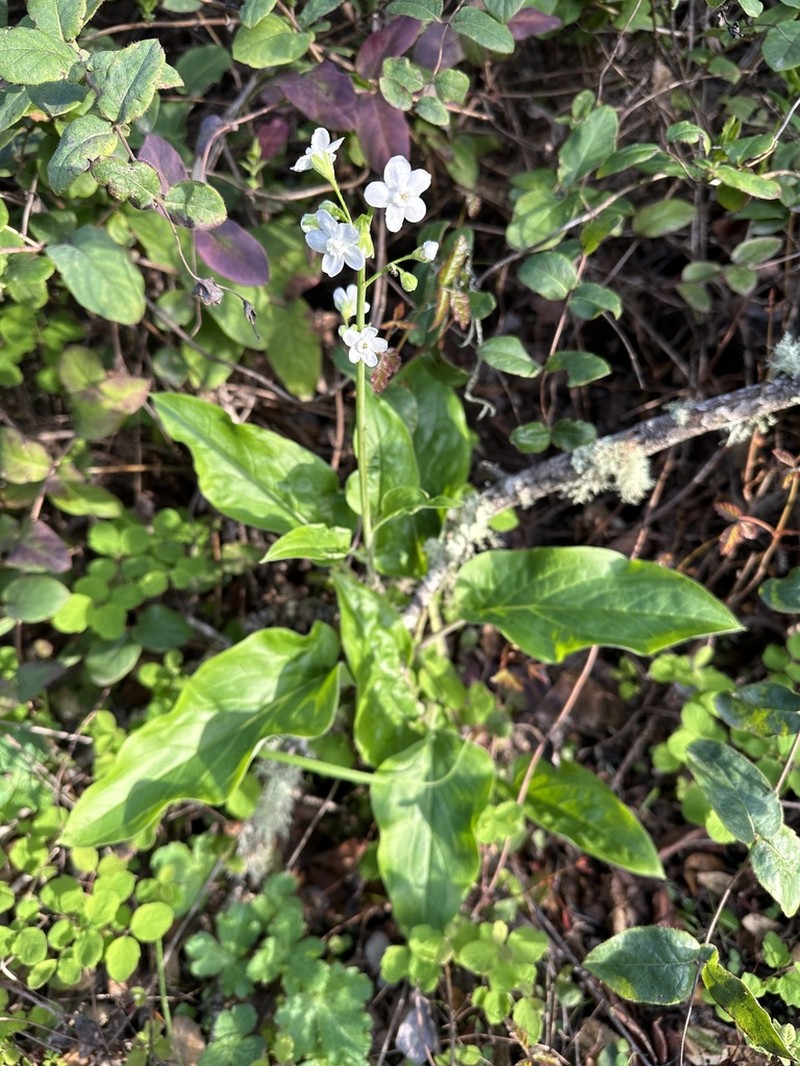
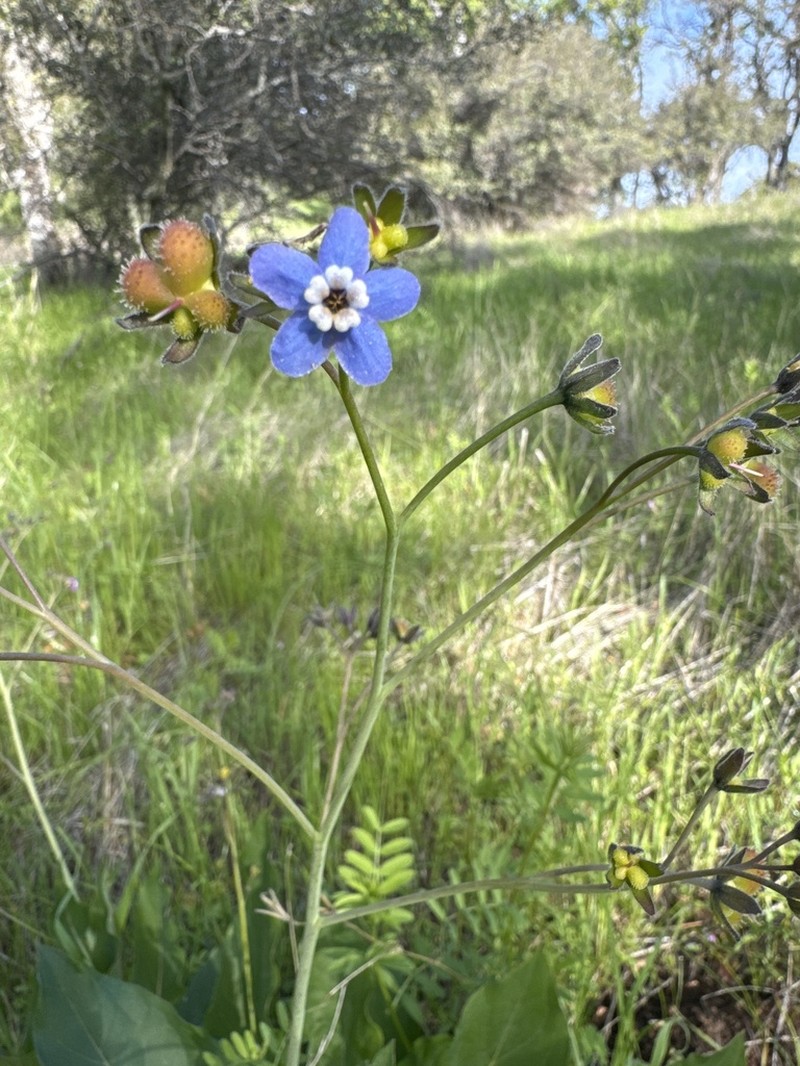
Pacific Hound's Tongue
Adelinia grandis
- Native to:
- Canada, United States
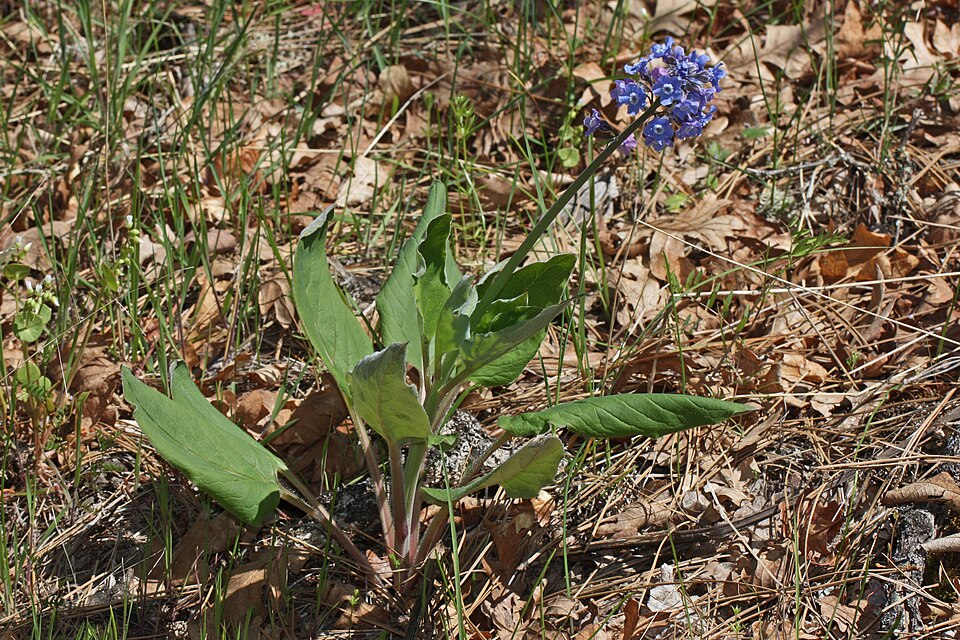
Walter Siegmund (talk)
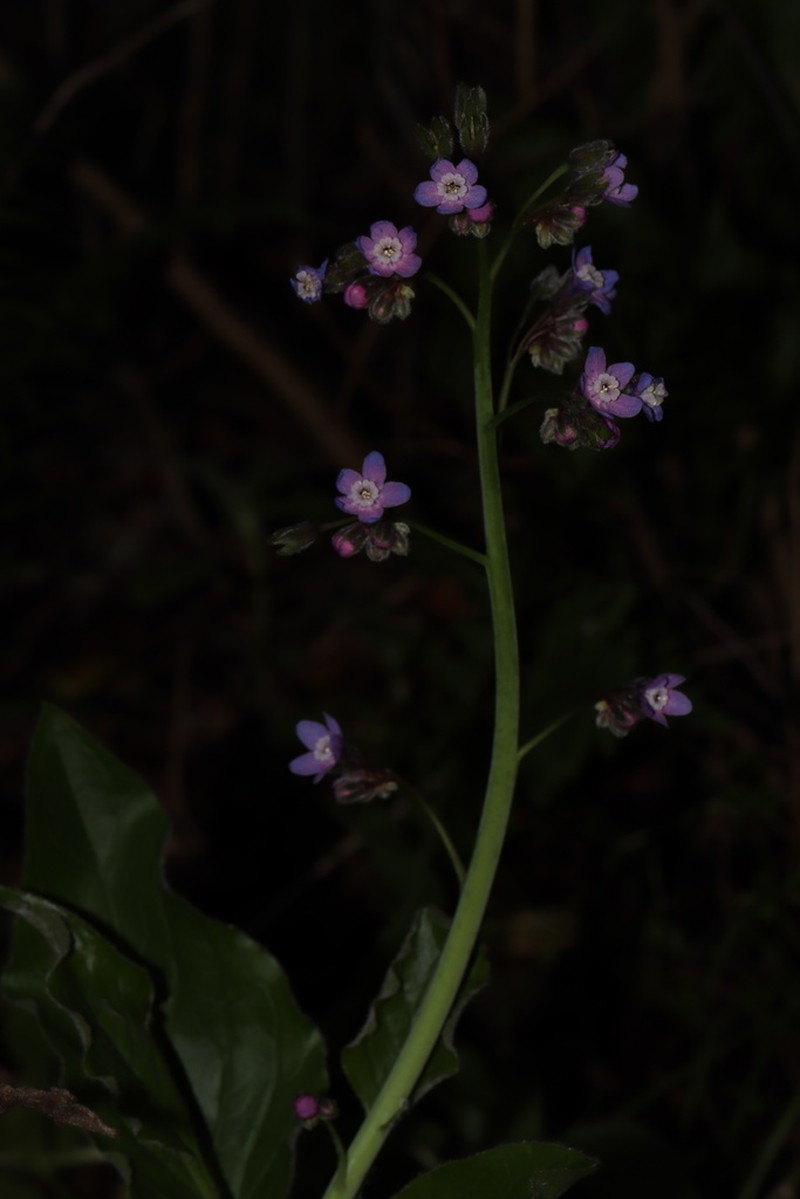
Taxonomy
- Division:
- Magnoliophyta | - Flowering plants
- Family:
- Boraginaceae
- Genus:
- Adelinia
- Species:
- Adelinia grandis
- USDA Symbol:
- CYGR
Growth Characteristics
- Life Cycle:
- Perennial
- Growth Habit:
- Forb/herb
- Height:
- 120 cm
- Light Requirements:
- Part Shade
- Drought Tolerance:
- Low
- Bloom Months:
- mar,apr,may
- Bloom Colors:
- blue
Wildlife Benefits
- Bees:
- ★☆☆☆☆ Documented bee visitation (GBIF)
- Butterflies & Moths:
- ★★☆☆☆ Documented Lepidoptera association (GBIF)
- Caterpillars:
- ★☆☆☆☆ Recorded caterpillar host plant (HOSTS Database)
Host Plant for Caterpillars
Reported Fauna Sightings
Garden & Ecology Notes
- Wildlife Value:
- bees
Soil Requirements
- Soil Type:
- rich, well-drained loamy soil
- pH:
- 5.5 - 7.0 (slightly acidic to neutral)
- Drainage:
- excellent drainage required
- Moisture:
- consistently moist
- Notes:
- prefers organic matter-rich environments
Propagation & Germination
- Stratification:
- Cold/moist stratification required — 30–60 days
- Germination Time:
- 14–30 days
- Notes:
- Seeds benefit from cold stratification for 30-60 days to break dormancy.
Pre-treatment: Seeds are placed in fine mesh bags into a 1% hydrogen peroxide (3:1 water/3% hydrogen peroxide) soak for 24 hours, rinsed, and placed in water for an additional 24 hours. The bags are then placed in sealed containers in refrigeration at 1 to 3 °C for 90 days. Seeds should be checked weekly and treated with 1% hydrogen peroxide if mold is evident.
Establishment: Seeds ripen in late summer to early fall (August/September). The plant grows mostly in relatively dry climates in Chaparral and woodlands in part shade or shade and at low to mid elevation. It can grow in sandy, loamy, or clay soils as long as they are moist and well-drained. Found in the west coast of the US from California up to southern and western Washington.
Source: npn.rngr.net