
Kou
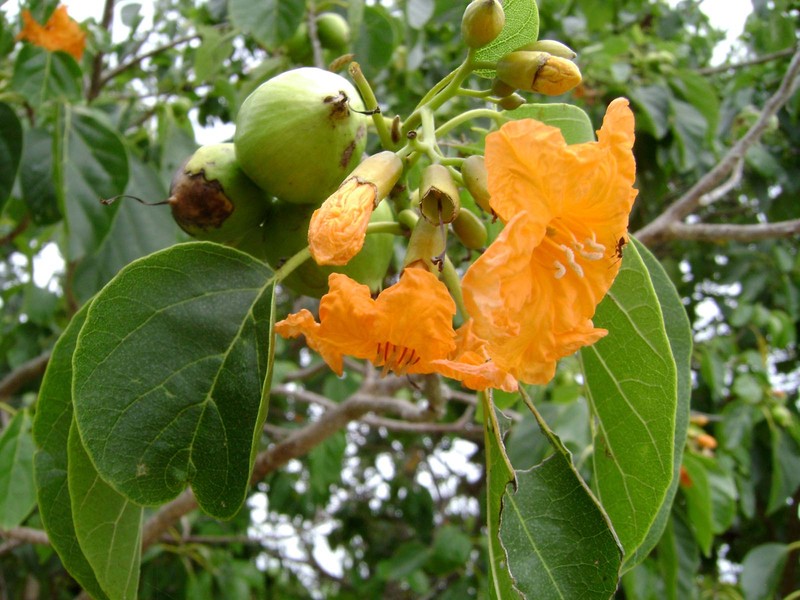
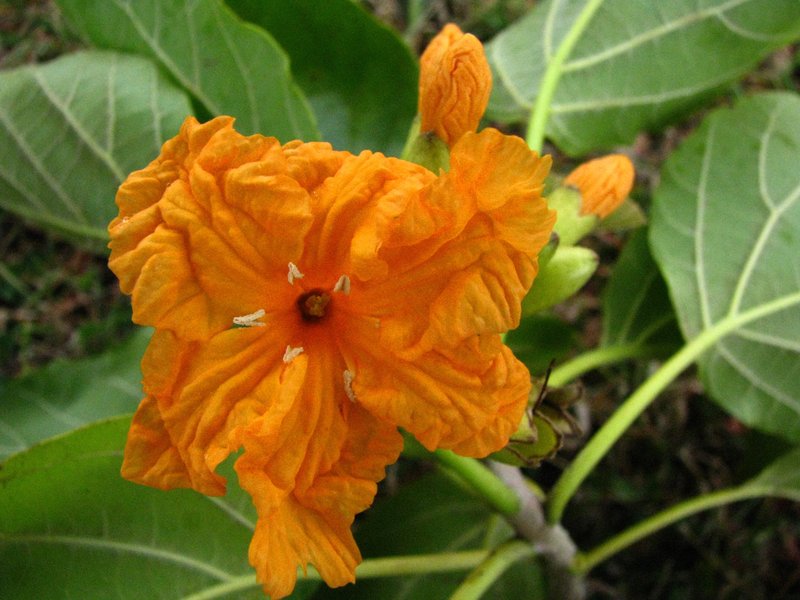
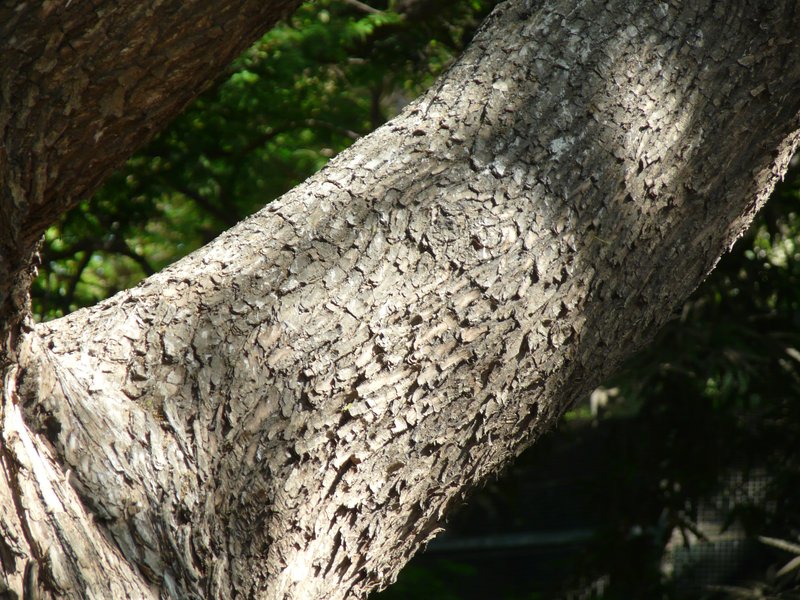
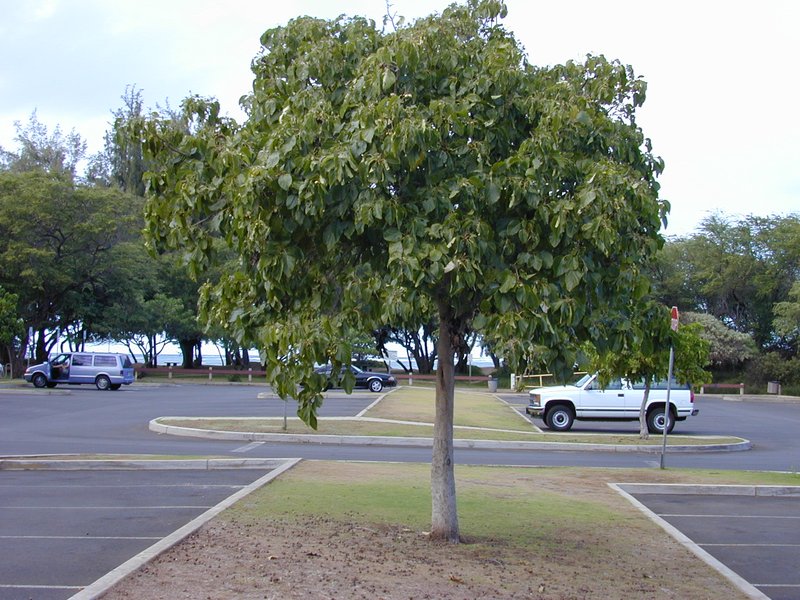
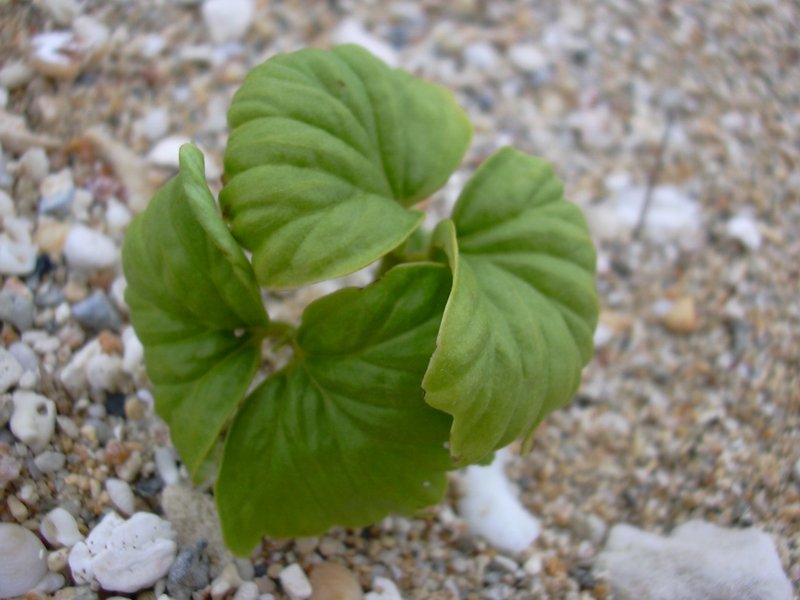
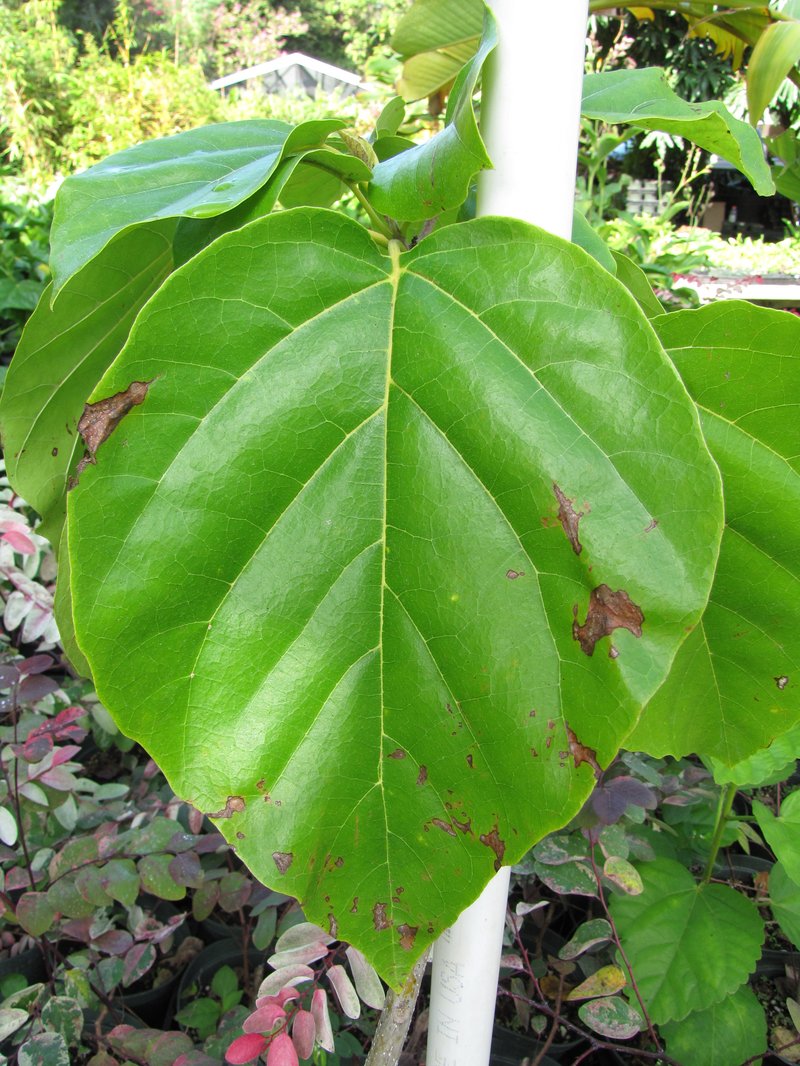
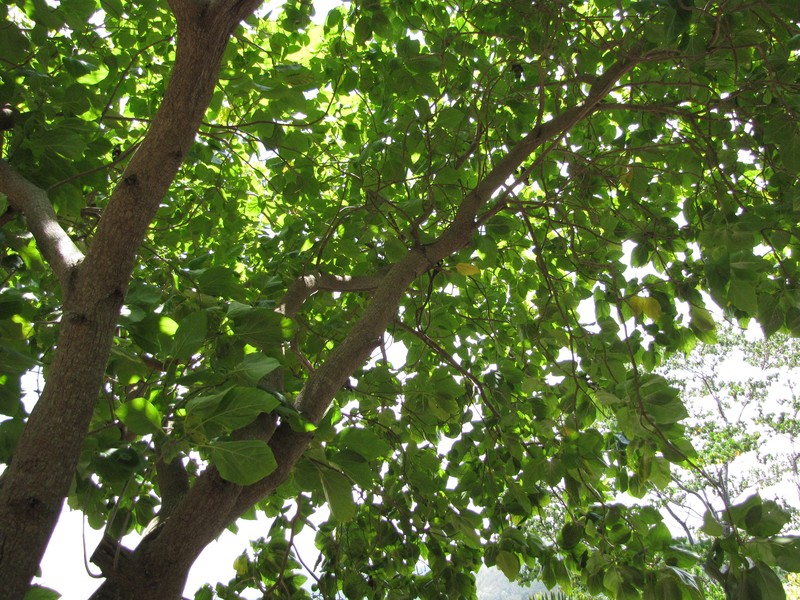
Cordia subcordata
- Native to:
- Aldabra, American Samoa, Andaman Is., Australia, Bangladesh, Bismarck Archipelago, Borneo, Cambodia, Caroline Is., Chagos Archipelago, Christmas I., Cocos (Keeling) Is., Comoros, Cook Is., Federated States of Micronesia, Fiji, Gilbert Is., Guam, Hainan, Howland-Baker Is., India, Jawa, Kenya, Laccadive Is., Lesser Sunda Is., Line Is., Madagascar, Malaya, Maldives, Maluku, Marianas, Marquesas, Marshall Is., Marshall Islands, Mozambique, Mozambique Channel Is., Myanmar, Nauru, New Caledonia, New Guinea, Nicobar Is., Niue, Northern Mariana Islands, Palau, Philippines, Phoenix Is., Pitcairn Is., Samoa, Seychelles, Society Is., Solomon Is., Somalia, South China Sea, Sri Lanka, Sulawesi, Tanzania, Thailand, Tokelau-Manihiki, Tonga, Tuamotu, Tubuai Is., Tuvalu, U.S. Minor Outlying Islands, Vanuatu, Vietnam, Wake I., Wallis-Futuna Is.
Tauʻolunga
Taxonomy
- Division:
- Magnoliophyta | - Flowering plants
- Family:
- Boraginaceae
- Genus:
- Cordia
- Species:
- Cordia subcordata
- USDA Symbol:
- COSU2
Growth Characteristics
- Life Cycle:
- Perennial
- Growth Habit:
- Tree
- Height:
- 1500 cm
- Light Requirements:
- Full Sun
- Drought Tolerance:
- High
- Bloom Months:
- jan,feb,mar,apr,may,jun,jul,aug,sep,oct,nov,dec
- Bloom Colors:
- orange
Wildlife Benefits
- Bees:
- ★☆☆☆☆ Documented bee visitation (GBIF)
- Butterflies & Moths:
- ★★☆☆☆ Documented Lepidoptera association (GBIF)
- Caterpillars:
- ★☆☆☆☆ Recorded caterpillar host plant (HOSTS Database)
Garden & Ecology Notes
- Wildlife Value:
- birds, bees
- Salt Tolerant:
- Yes
- Fragrant:
- Yes
Soil Requirements
- Soil Type:
- sandy, well-drained, nutrient-poor soil
- pH:
- 6.0 - 7.5 (slightly acidic to neutral)
- Drainage:
- excellent drainage required
- Moisture:
- dry to moderate
- Notes:
- Commonly found in coastal areas with sandy soils.
Propagation & Germination
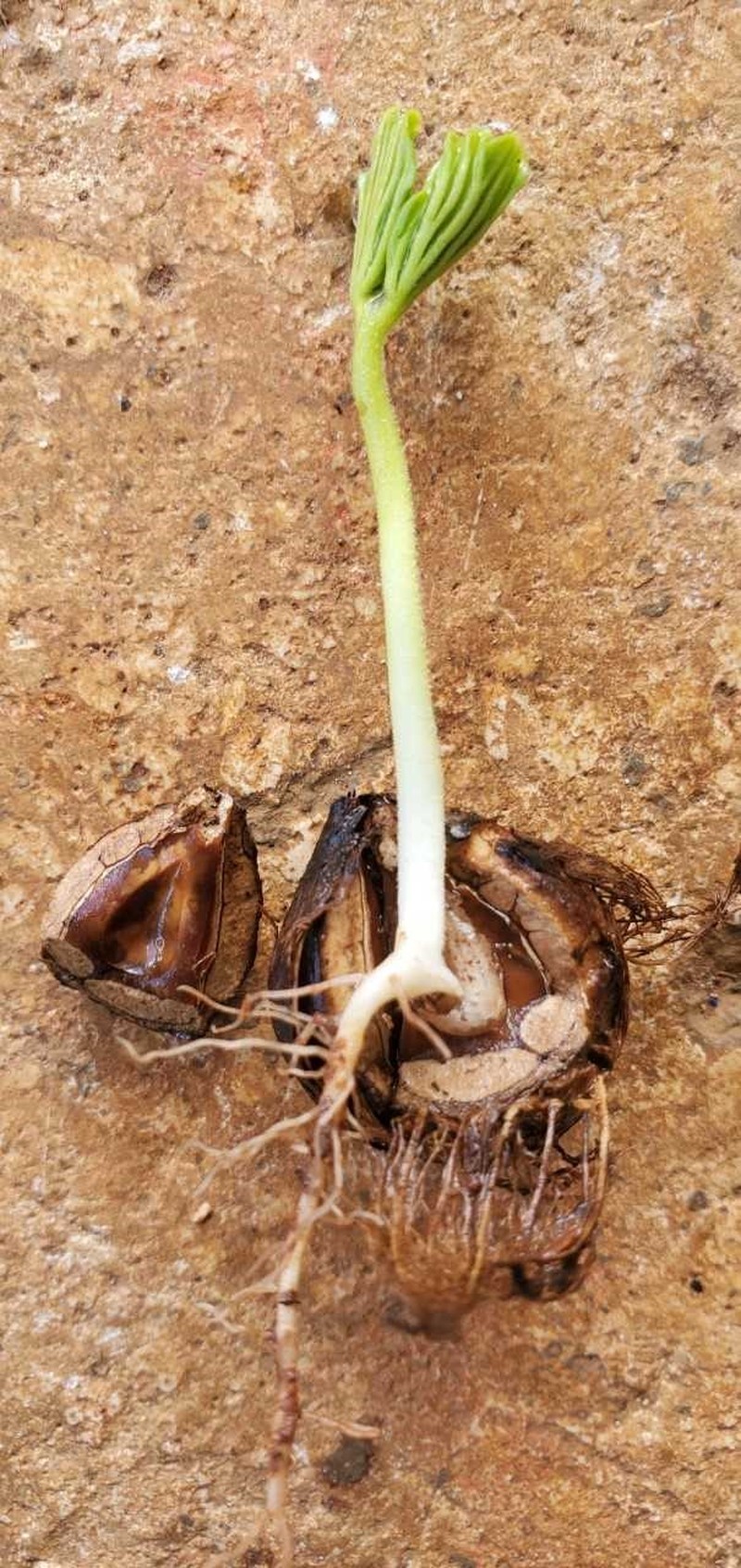
Pre-treatment: No pretreatment is required. However, germination can be hastened by cutting off one end of the seed capsule and soaking 12-24 hours prior to sowing.
Establishment: Seed capsules can be collected from the ground or picked from the tree once mature. Blooms throughout the year, most abundantly in the spring.
Source: npn.rngr.net