
California Phacelia
Phacelia californica
- Native to:
- United States
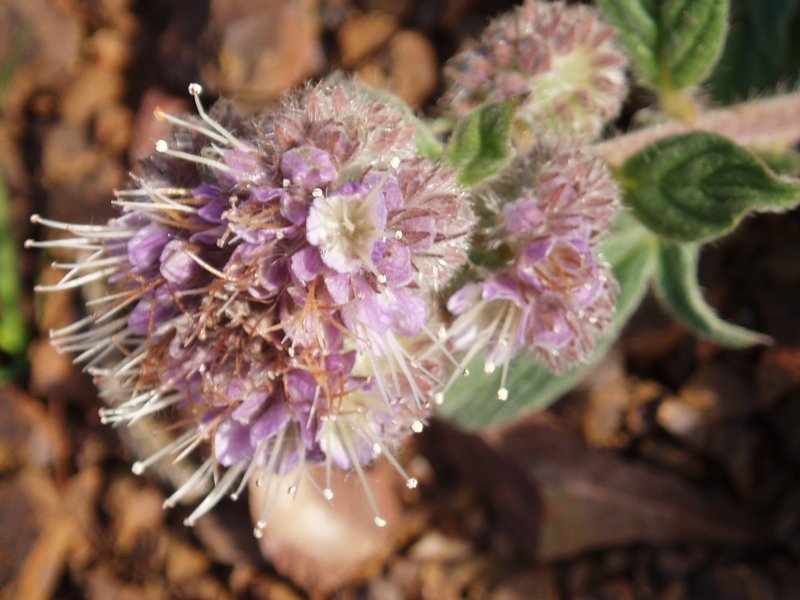
tomhilton (www.flickr.com)
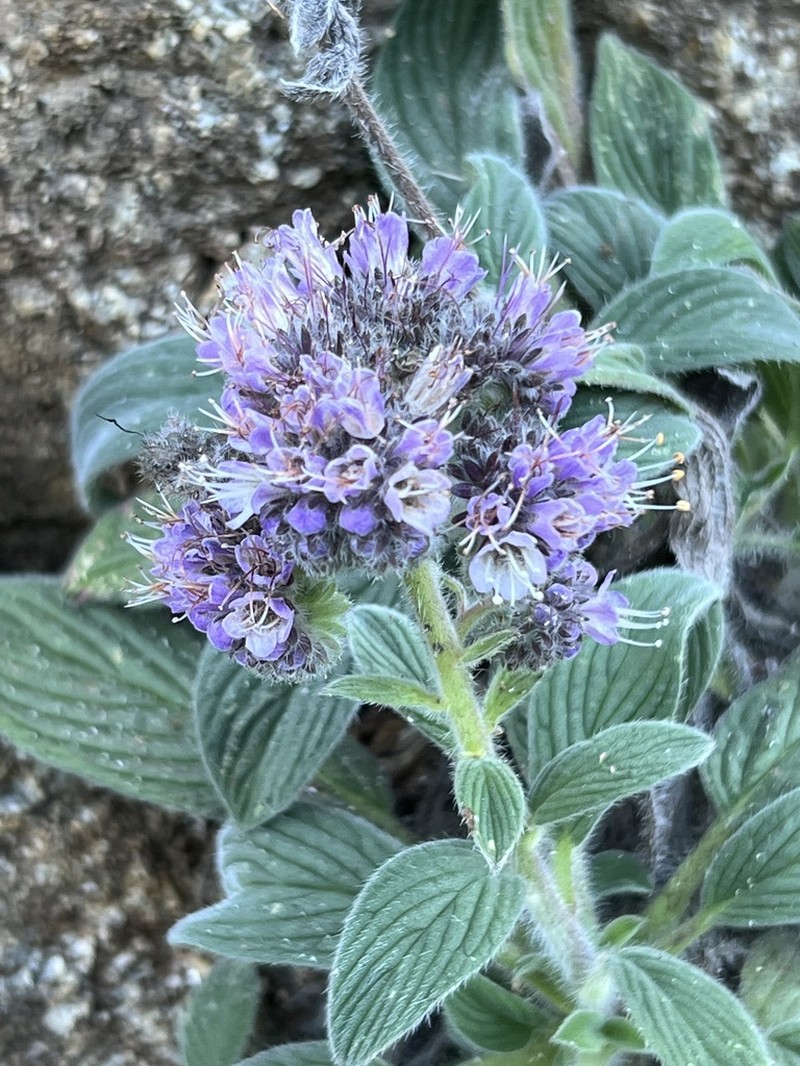
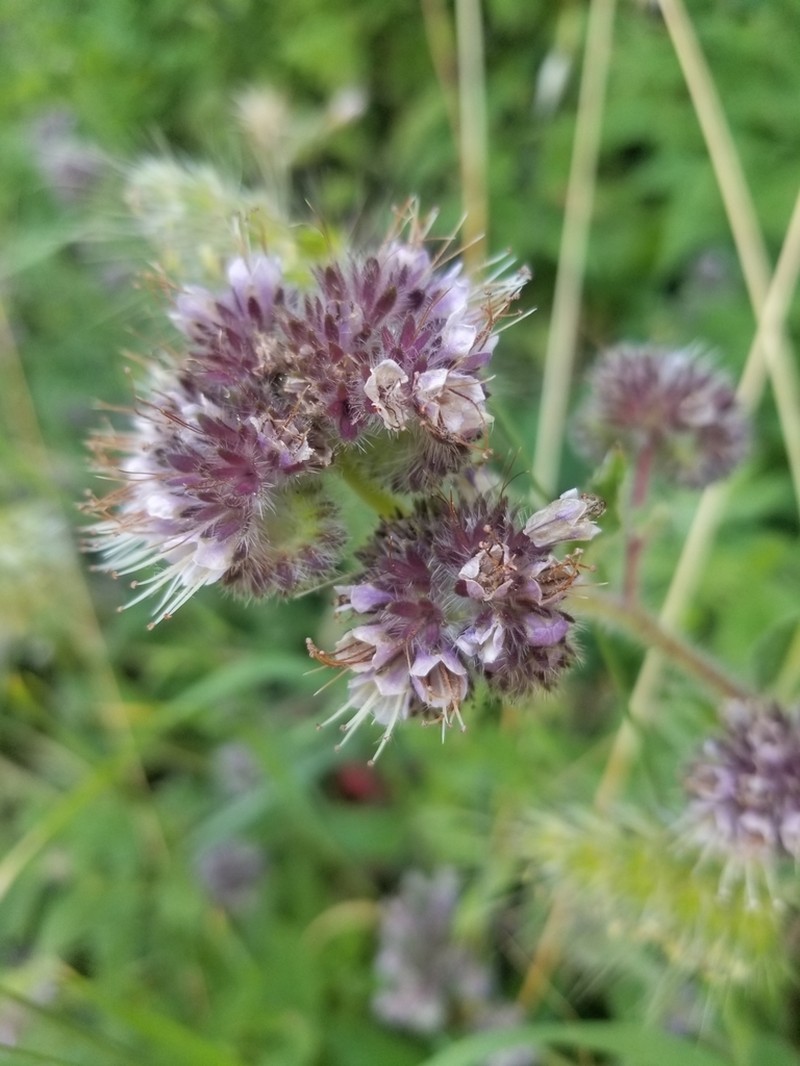
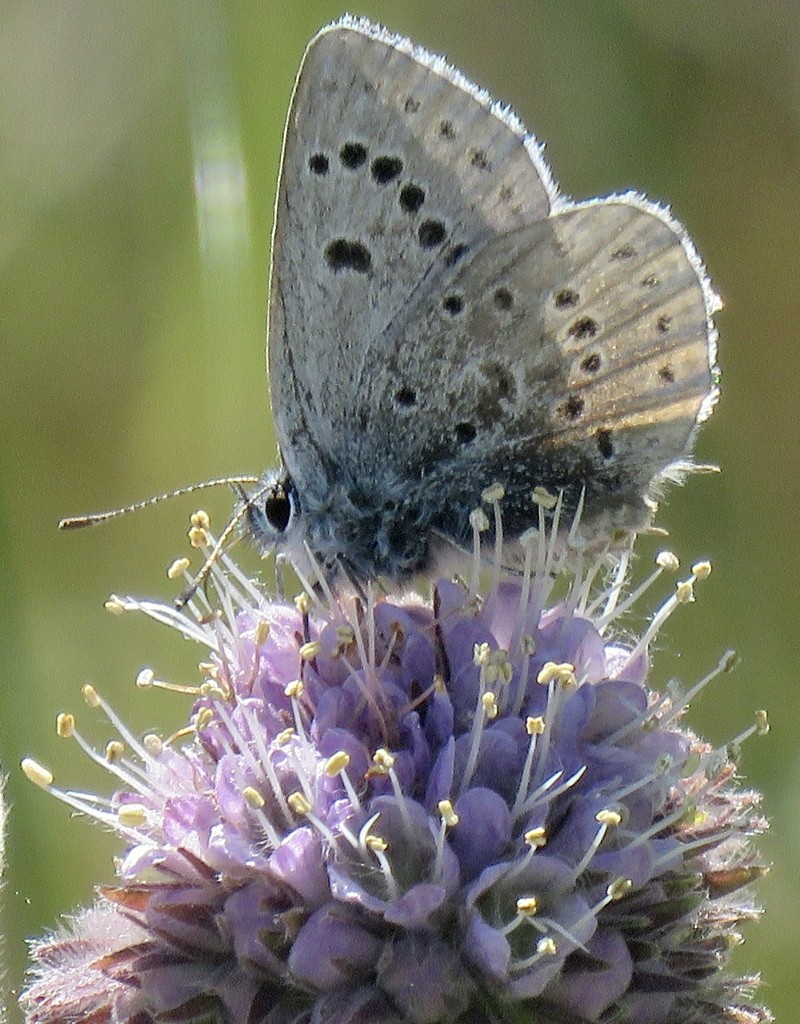
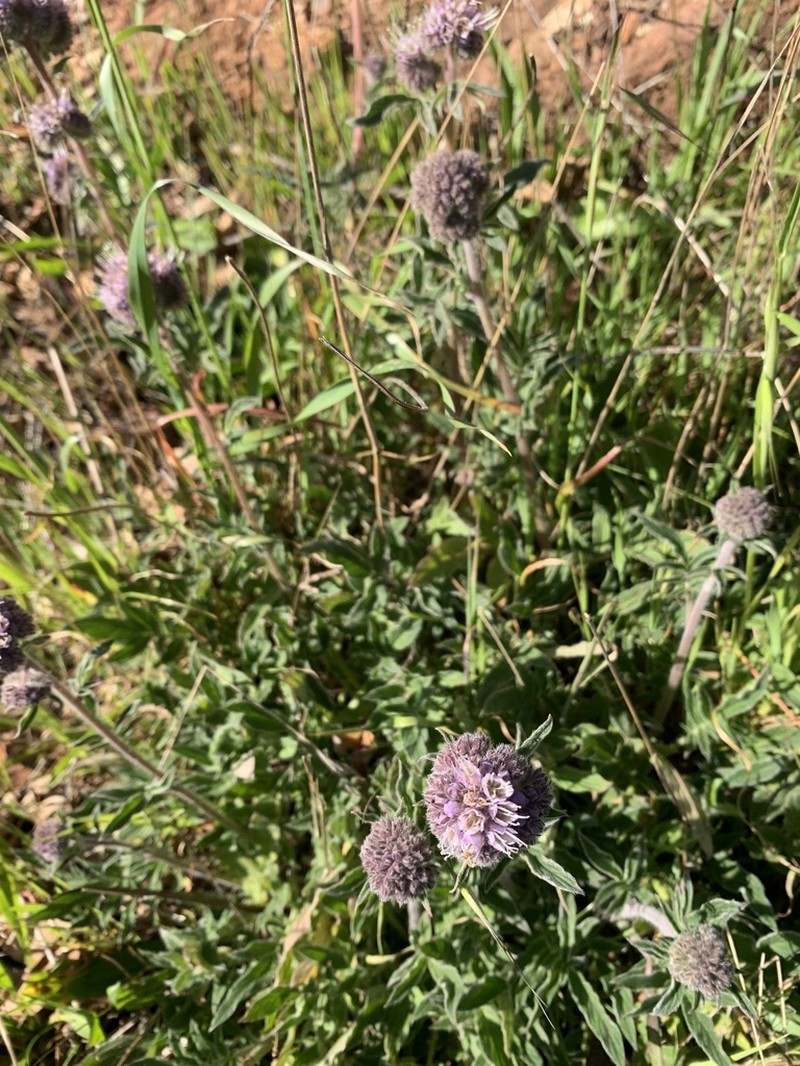
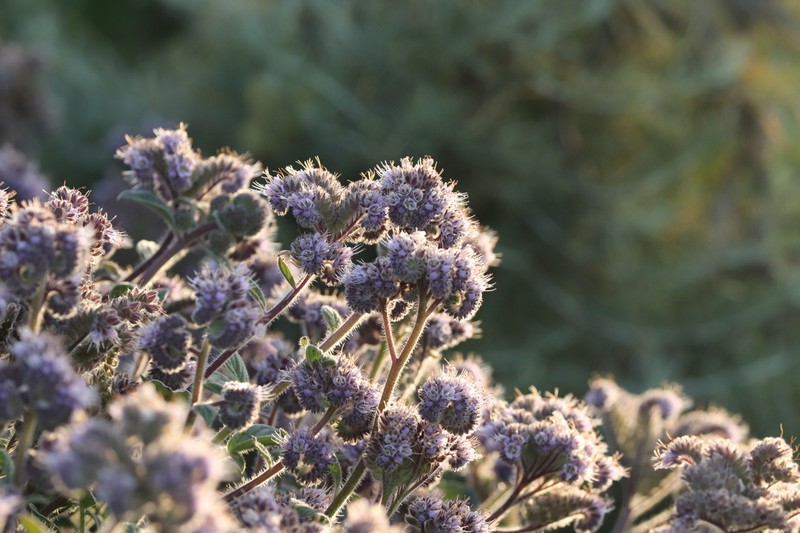
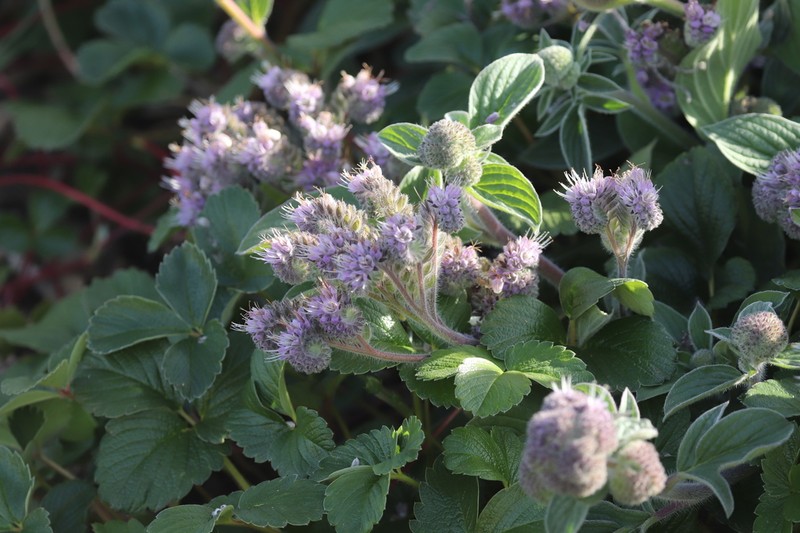
Taxonomy
- Division:
- Magnoliophyta | - Flowering plants
- Family:
- Boraginaceae
- Genus:
- Phacelia
- Species:
- Phacelia californica
- USDA Symbol:
- PHCA
Growth Characteristics
- Life Cycle:
- Perennial
- Growth Habit:
- Forb/herb
- Height:
- 60 cm
- Light Requirements:
- Full Sun
- Drought Tolerance:
- Medium
- Bloom Months:
- mar,apr,may,jun
- Bloom Colors:
- blue, purple
Wildlife Benefits
- Bees:
- ★★☆☆☆ Documented bee visitation (GBIF)
- Butterflies & Moths:
- ★★☆☆☆ Documented Lepidoptera association (GBIF)
- Caterpillars:
- ★☆☆☆☆ Recorded caterpillar host plant (HOSTS Database)
Keystone Species Ranking
- Pollen Specialist Bee Keystone:
- ★★★★☆ Native pollen specialist bee species supported by this genus (NWF)
Host Plant for Caterpillars
Chionodes sp. B, Clepsis fucana, Coelopoeta sp. n., Oidaematophorus phaceliae, Sparganothis senecionana
Reported Fauna Sightings
Bees: Anthophora urbana, Yellow-faced bumble (Bombus vosnesenskii)
Garden & Ecology Notes
- Wildlife Value:
- bees, butterflies
Soil Requirements
- Soil Type:
- sandy, well-drained, nutrient-poor soil
- pH:
- 5.5 - 7.5 (slightly acidic to neutral)
- Drainage:
- excellent drainage required
- Moisture:
- dry to moderate
- Notes:
- native to coastal bluffs and slopes
Propagation & Germination
- Stratification:
- Cold/moist stratification required — 30–60 days
- Germination Time:
- 14–30 days
- Notes:
- Seeds benefit from cold stratification for 4-8 weeks to improve germination.
Pre-treatment: None required
Establishment: Seeds are collected between June 1st and October 31st. Mature capsules are brown. The plant is found in rocky bluffs and canyons, mostly below 1,500 feet elevation, in north coastal scrub and chapparal; from Del Norte County to Santa Clara County, California.
Source: npn.rngr.net
Where to Buy
Nationwide Seller
- Native Seed Group (seeds)