
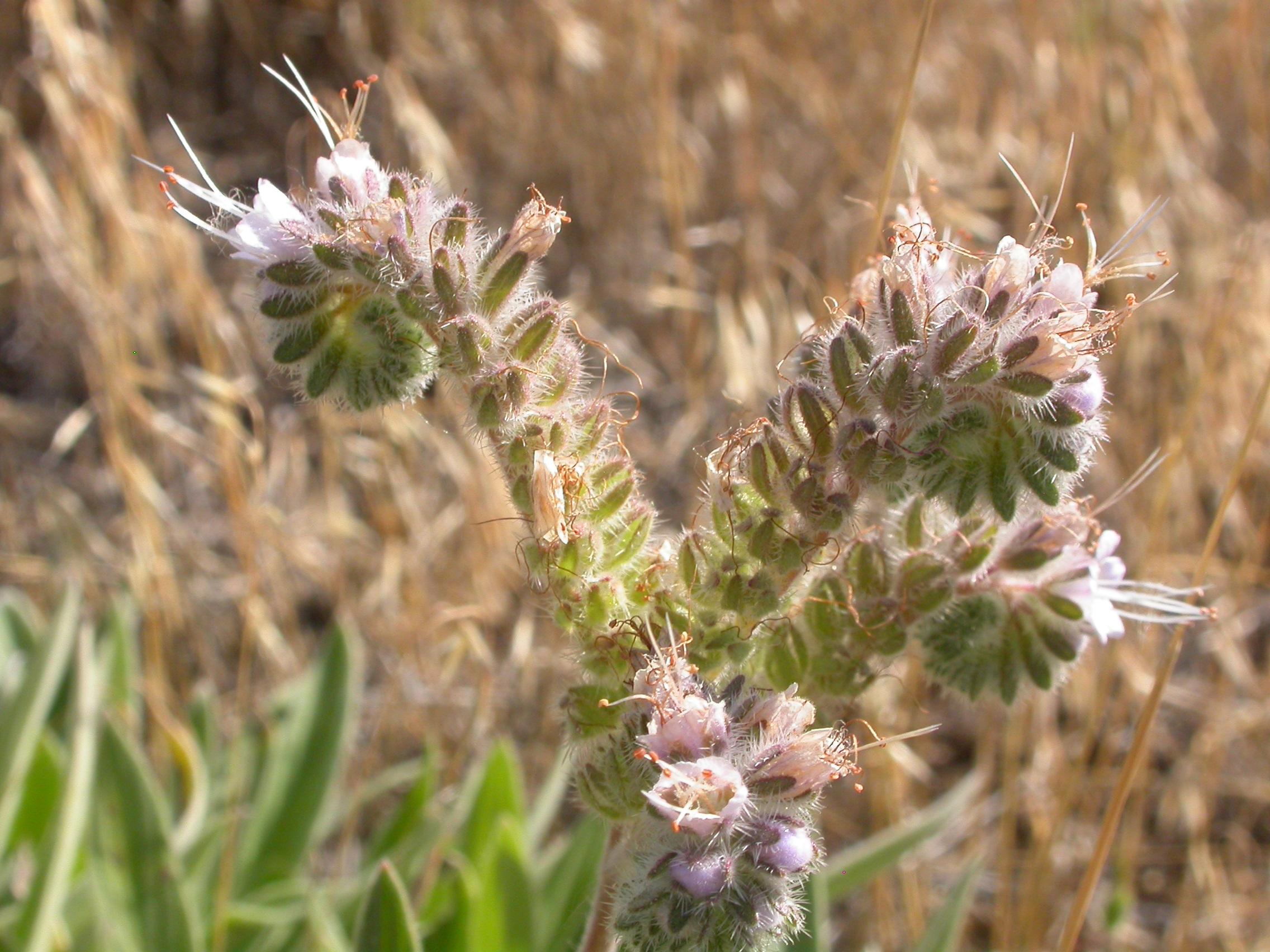
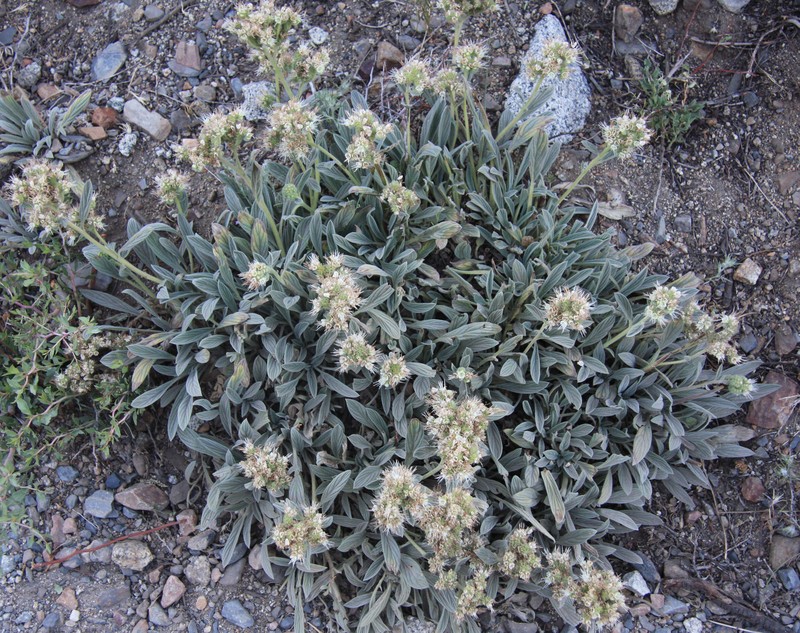
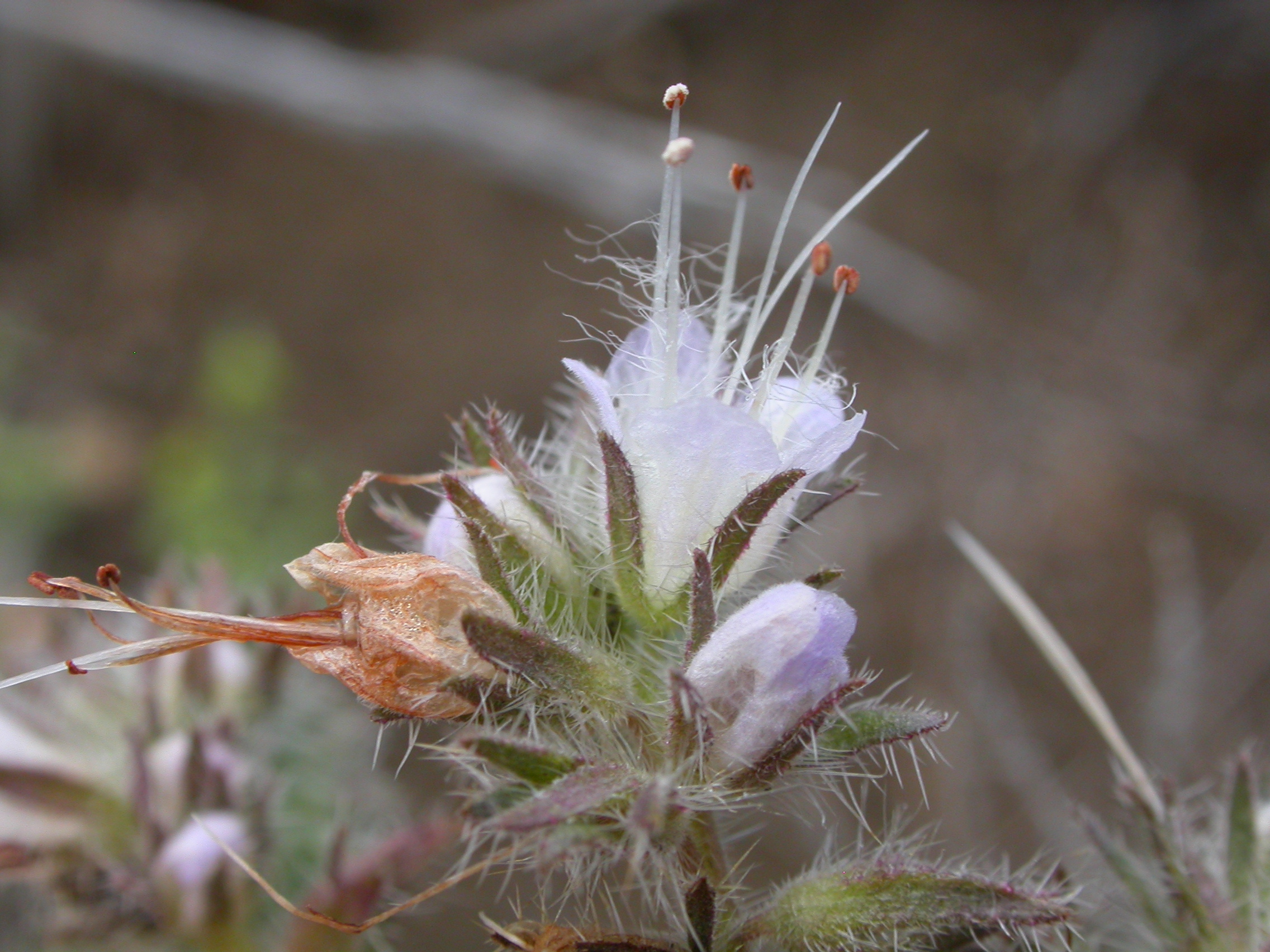
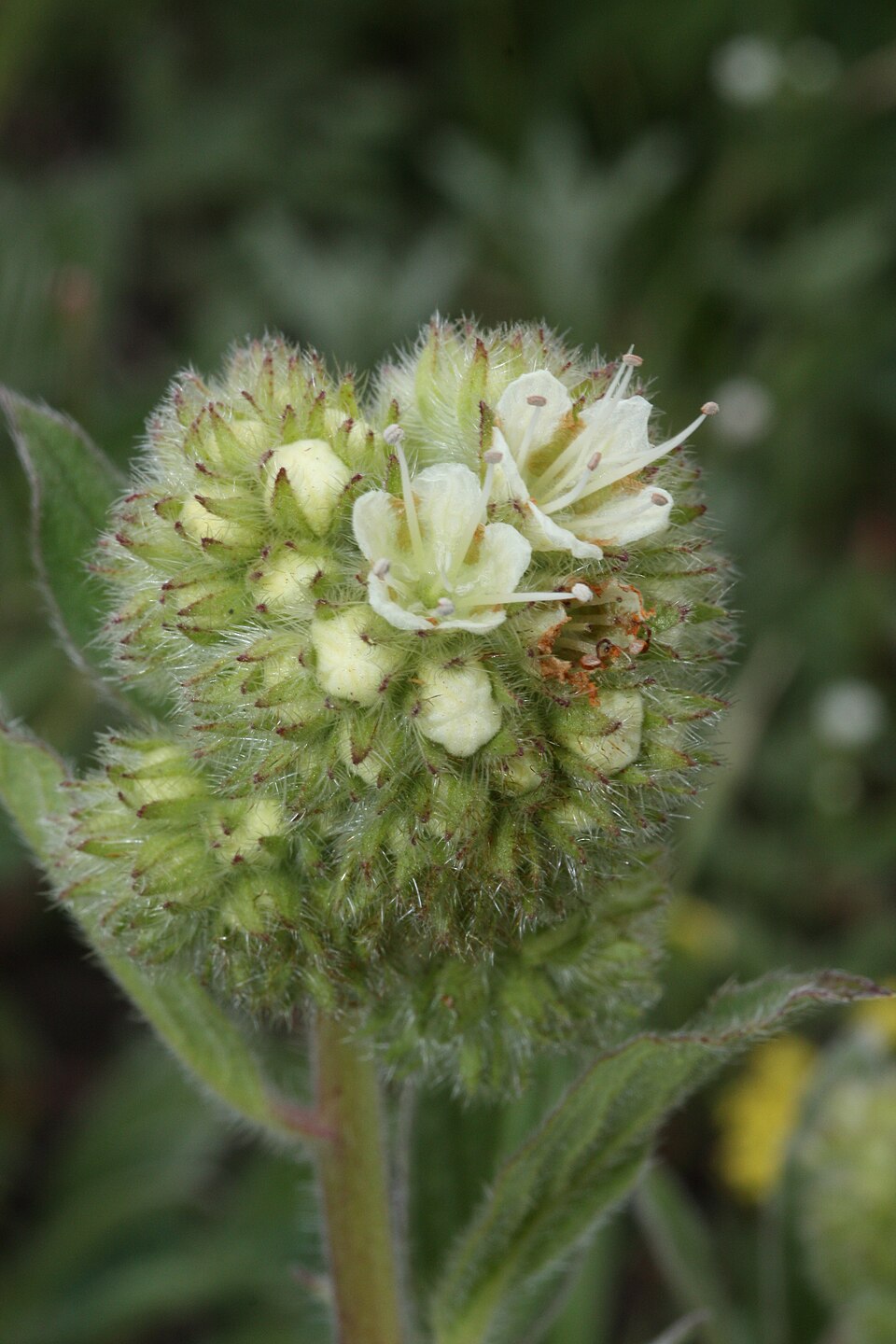
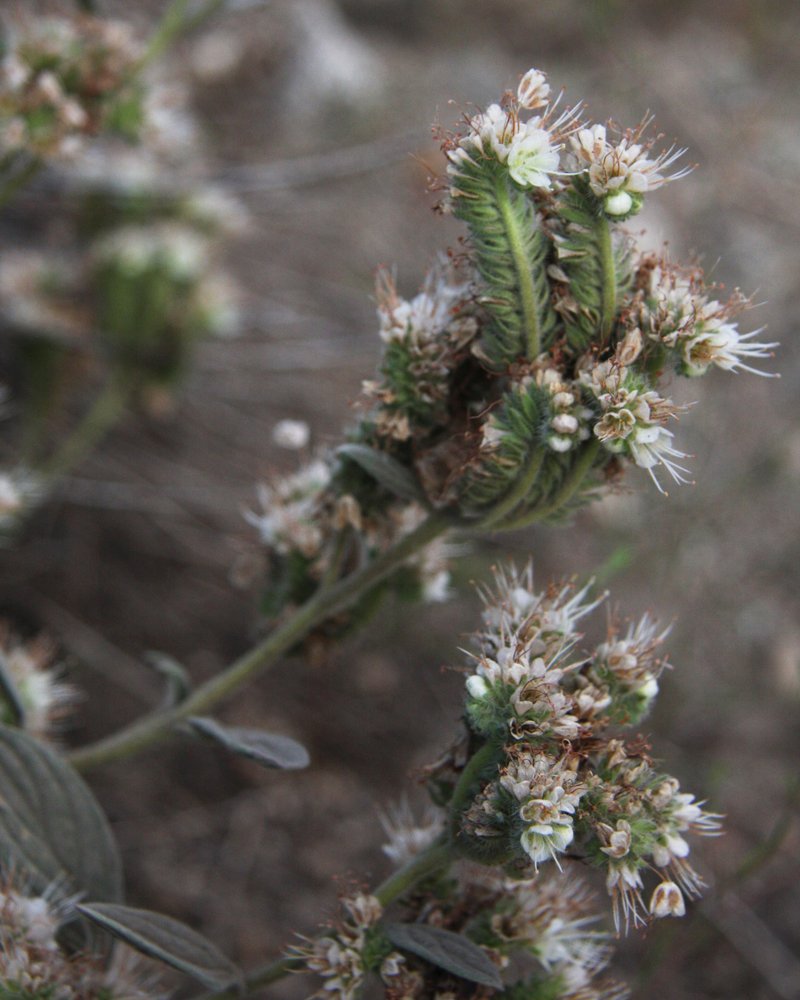
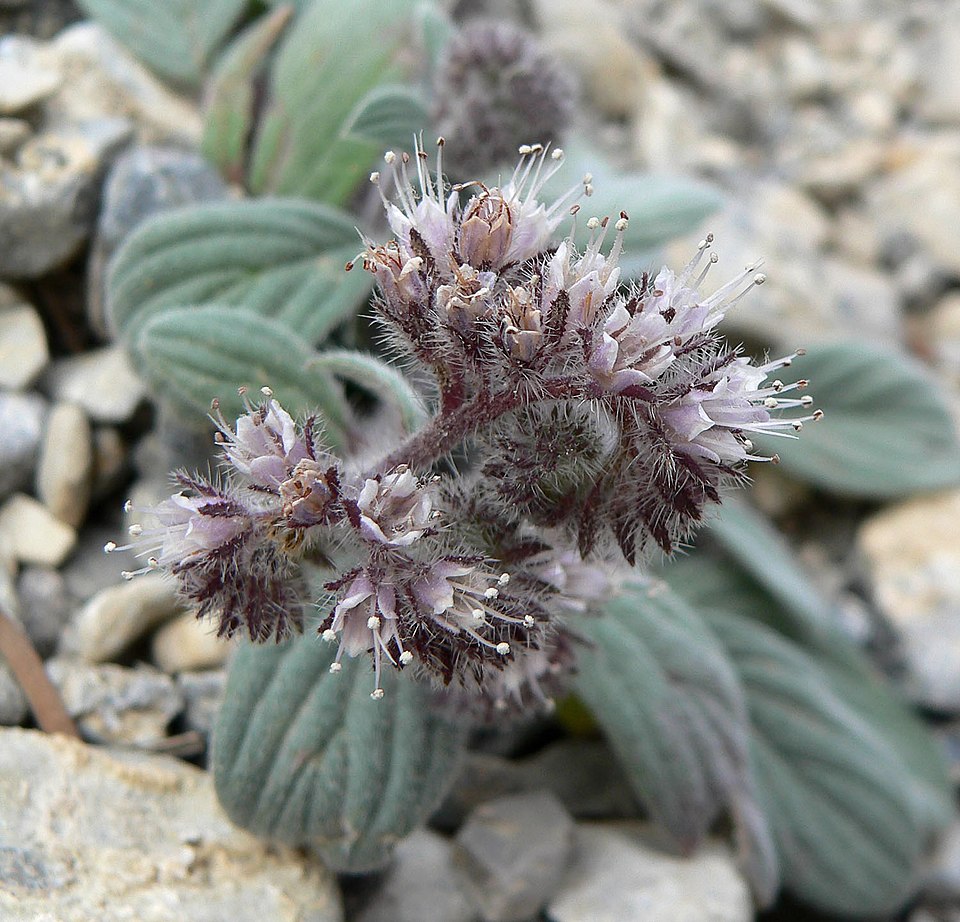
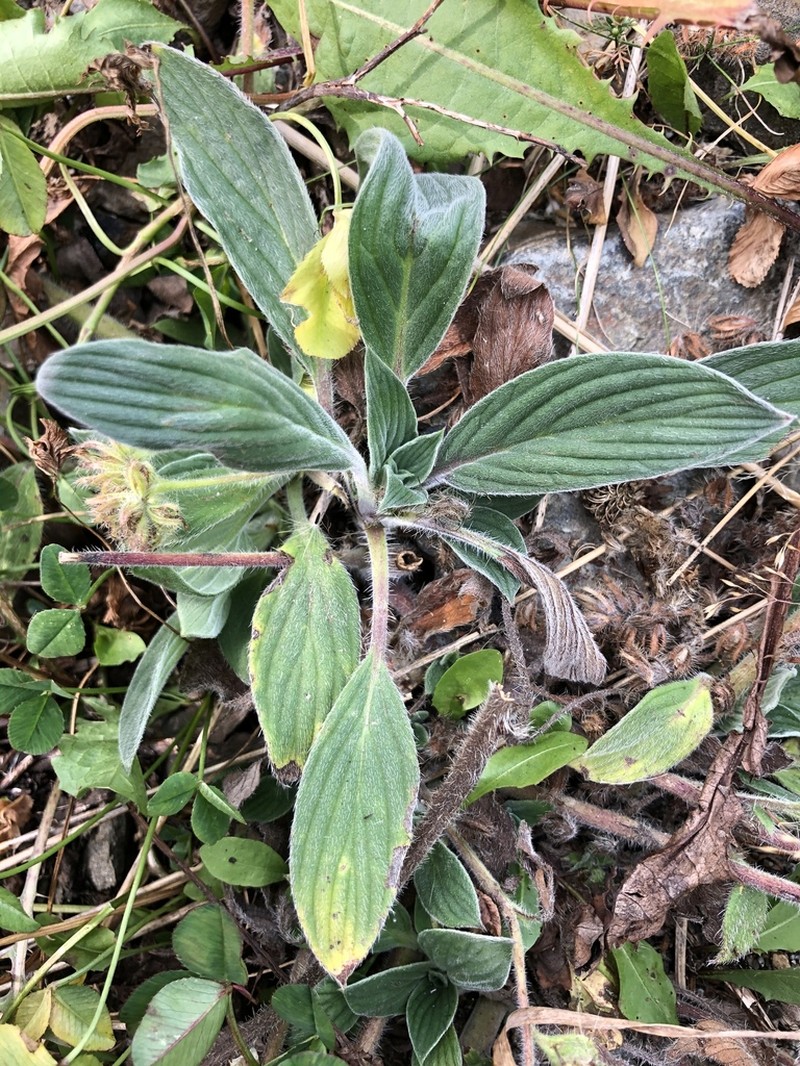
Silverleaf Phacelia
Phacelia hastata
- Native to:
- Canada, United States
Dcrjsr
Taxonomy
- Division:
- Magnoliophyta | - Flowering plants
- Family:
- Boraginaceae
- Genus:
- Phacelia
- Species:
- Phacelia hastata
- USDA Symbol:
- PHHA
Growth Characteristics
- Life Cycle:
- Perennial
- Growth Habit:
- Forb/herb
- Height:
- 80 cm
- Light Requirements:
- Part Shade
- Drought Tolerance:
- Medium
- Bloom Months:
- may,jun,jul,aug
- Bloom Colors:
- white, lavender
Wildlife Benefits
- Bees:
- ★☆☆☆☆ Documented bee visitation (GBIF)
- Butterflies & Moths:
- ★★★☆☆ Documented Lepidoptera association (GBIF)
Keystone Species Ranking
- Pollen Specialist Bee Keystone:
- ★★★★☆ Native pollen specialist bee species supported by this genus (NWF)
Reported Fauna Sightings
Bees: Black-tailed bumble bee (Bombus melanopygus), Brown-belted bumble bee (Bombus griseocollis), Central bumble bee (Bombus centralis), Fernald cuckoo bumble bee (Bombus flavidus), Fuzzy-horned bumble bee (Bombus mixtus), Hunt's bumble bee (Bombus huntii), Indiscriminate cuckoo bumble bee (Bombus insularis), Red-belted bumble bee (Bombus rufocinctus), Two-form bumble bee (Bombus bifarius), Yellow bumble bee (Bombus fervidus), Yellow head bumble bee (Bombus flavifrons), Yellow-faced bumble bee (Bombus vosnesenskii)
Garden & Ecology Notes
- Wildlife Value:
- bees, butterflies
- Deer Resistant:
- Yes
Soil Requirements
- Soil Type:
- rocky, well-drained, nutrient-poor soil
- pH:
- 6.0 - 8.0 (slightly acidic to neutral)
- Drainage:
- excellent drainage required
- Moisture:
- dry to moderate
- Notes:
- commonly found in open, arid regions
Propagation & Germination
- Stratification:
- Cold/moist stratification required — 30–60 days
- Germination Time:
- 14–30 days
- Notes:
- Seeds benefit from cold stratification; surface sow on moist medium and keep at 4°C for 4-8 weeks before moving to warmth.
Pre-treatment: Seed was stored in a cool, dry, and dark location prior to sowing. No other treatment required. However, a 60 day cold, moist stratification may increase germination rates.
Establishment: Germination is non-uniform and percentages were low under greenhouse conditions. Higher germination percentages may be obtained if containers are fall sown, where they undergo winter stratification and fluctuating spring temperatures. Once established after emergence, the seedlings produce rapid shoot and root development. This species has a flattened rosette habit, and will require careful irrigation practices to prevent crown rot.
Source: npn.rngr.net