
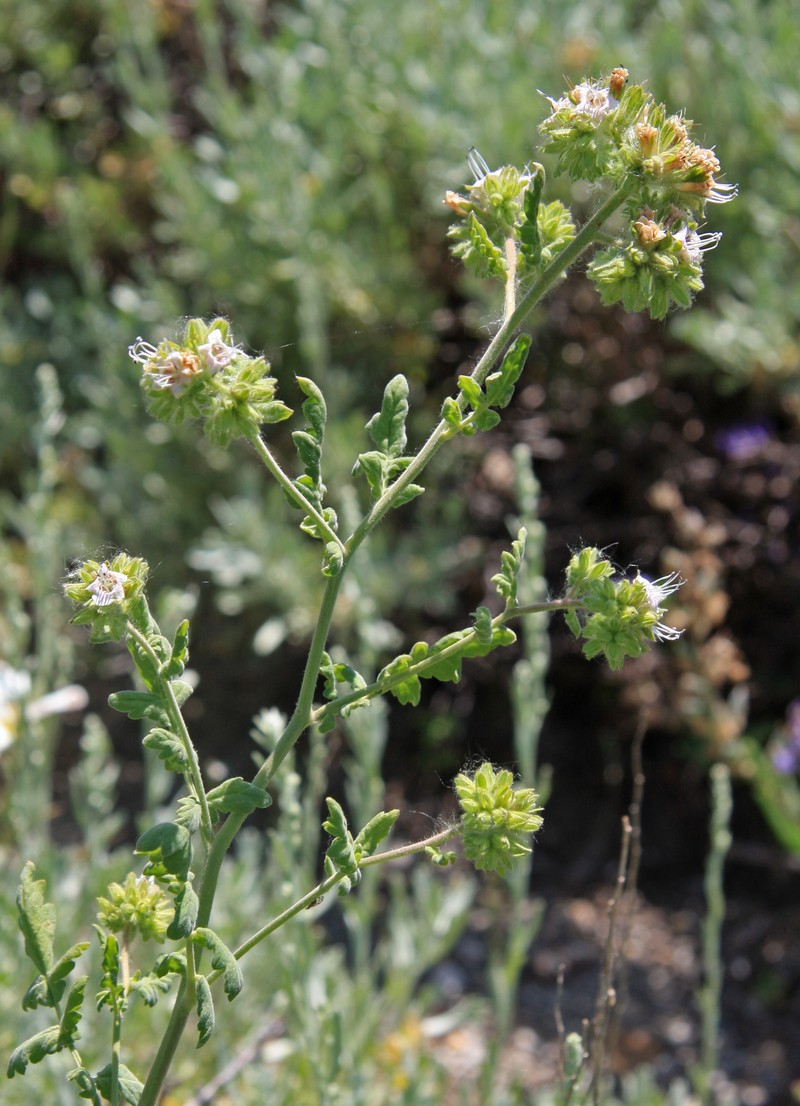
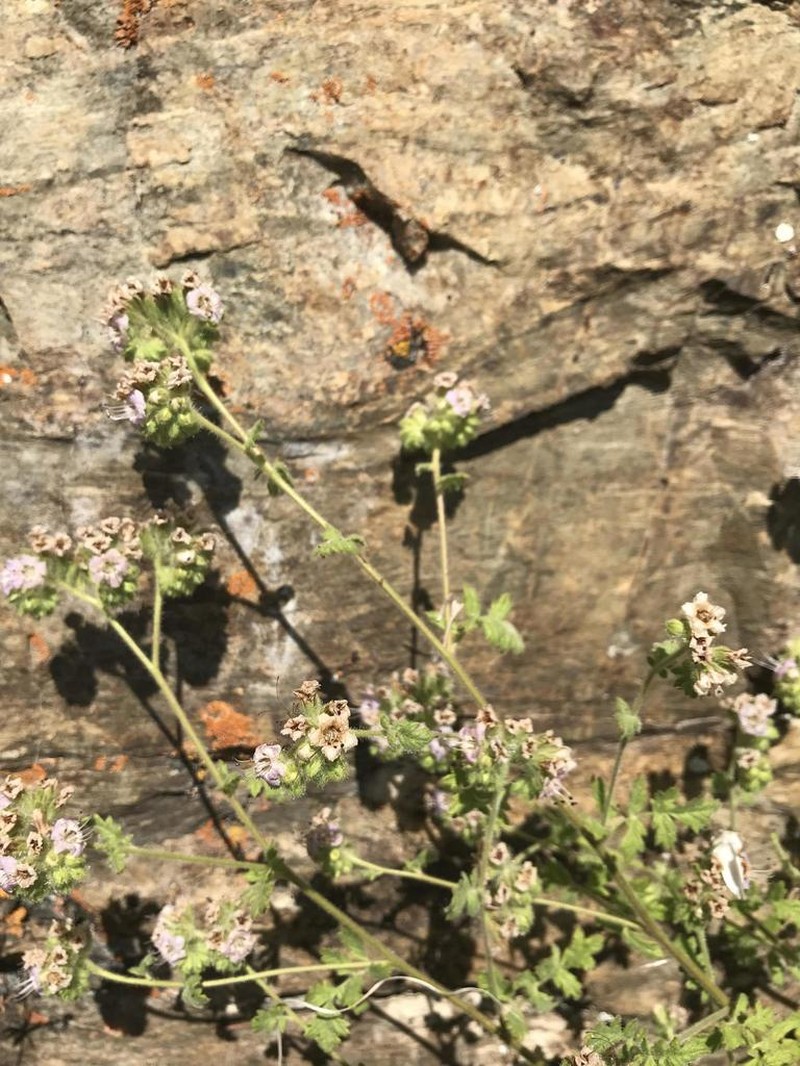
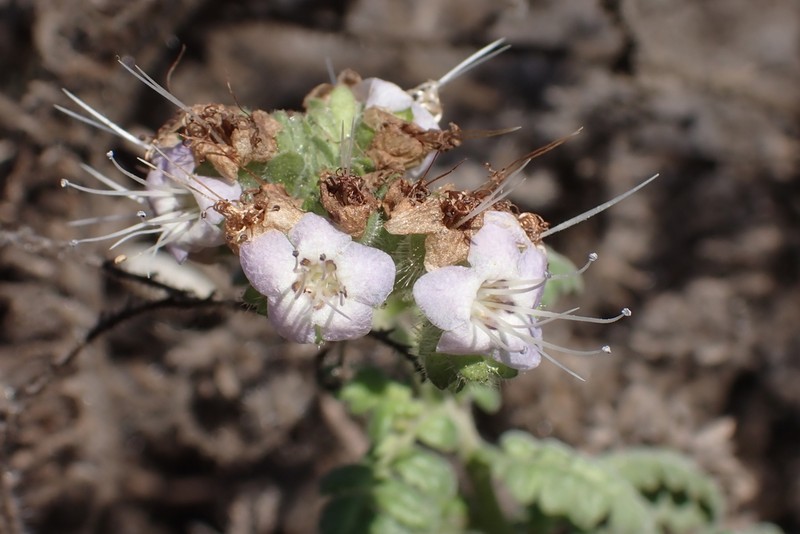
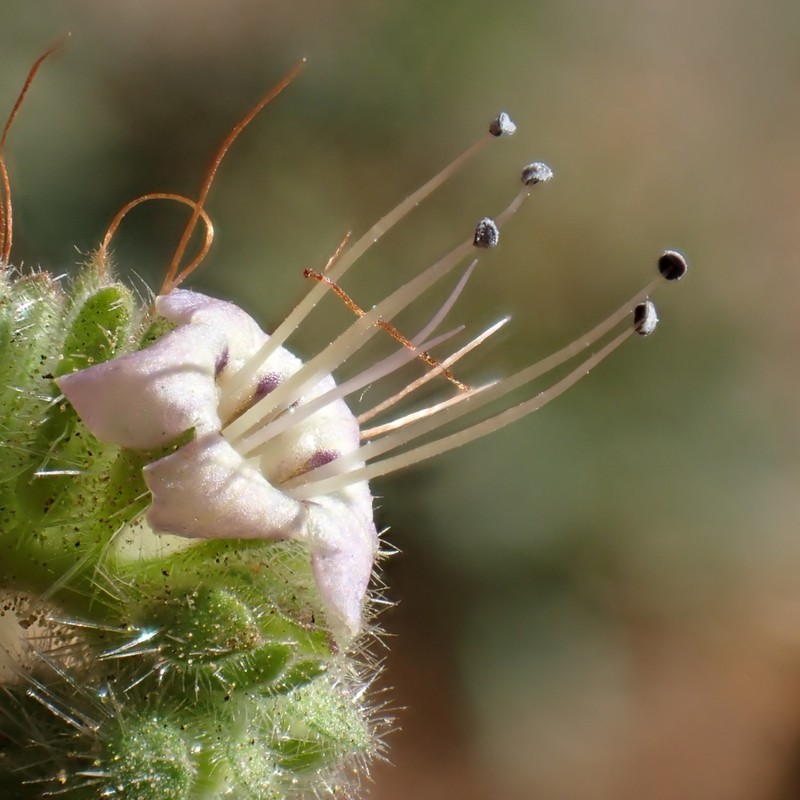
Branching Phacelia
Phacelia ramosissima
- Native to:
- Canada, Mexico, United States
Dcrjsr
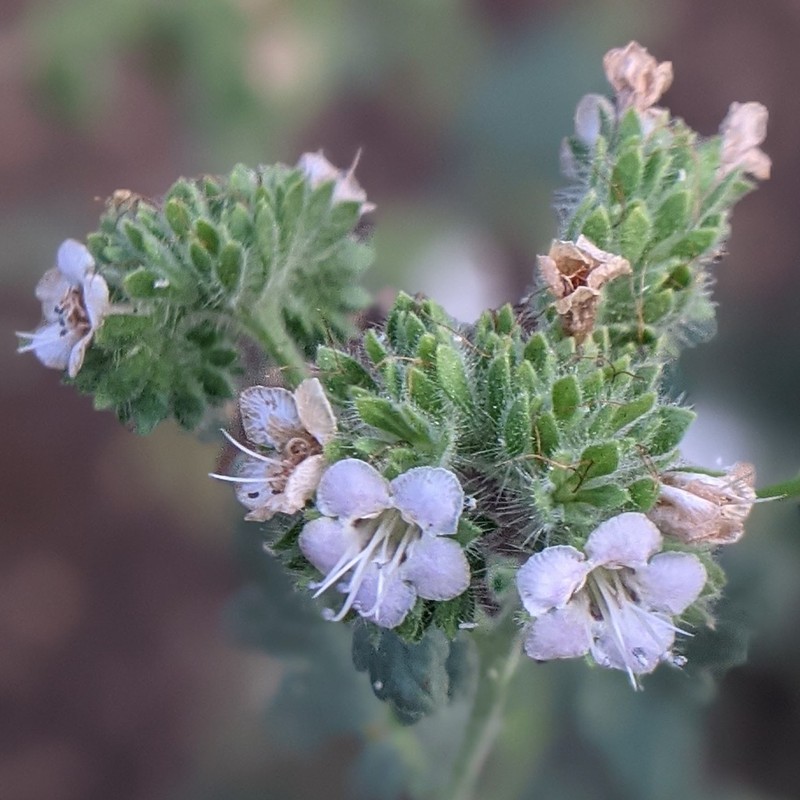
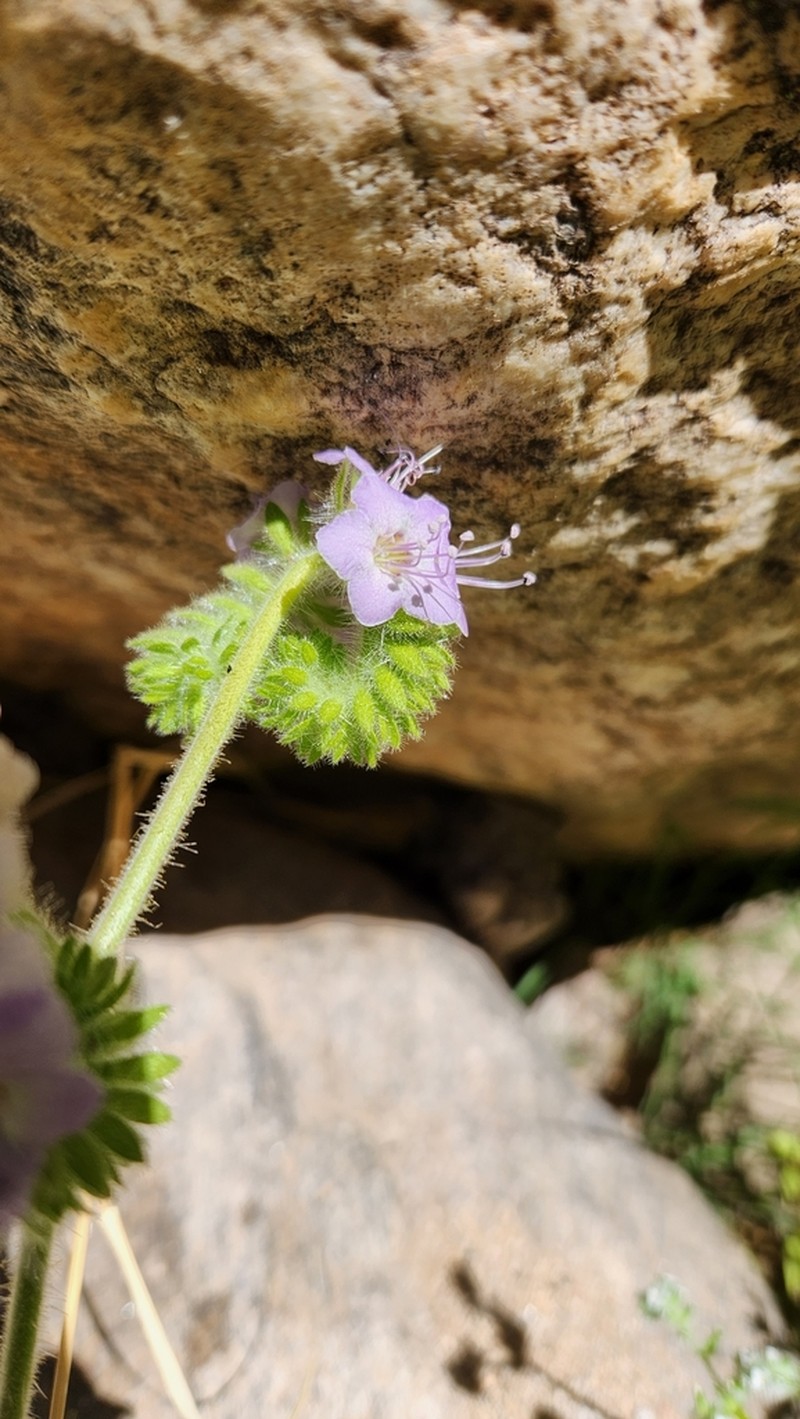
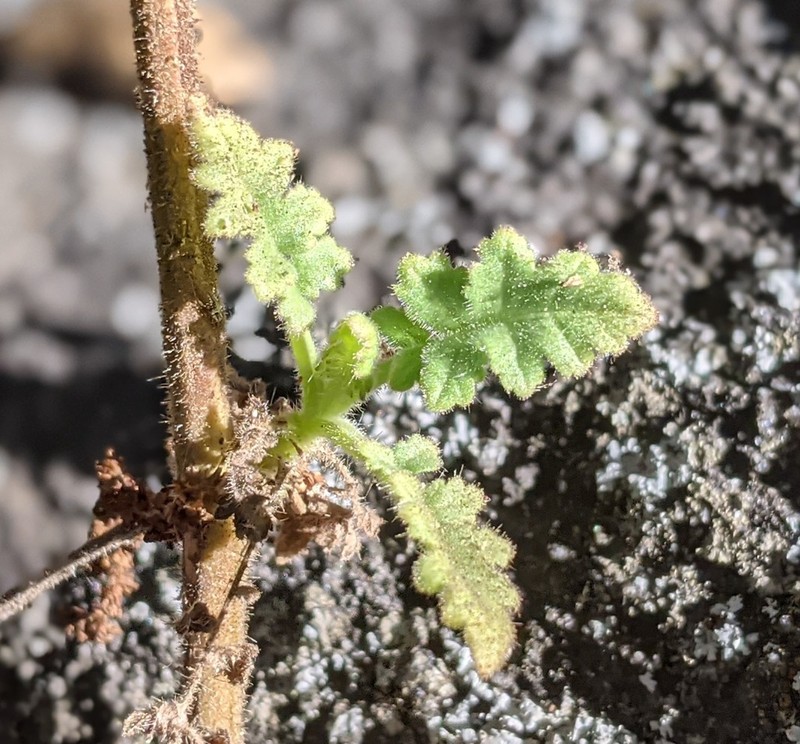
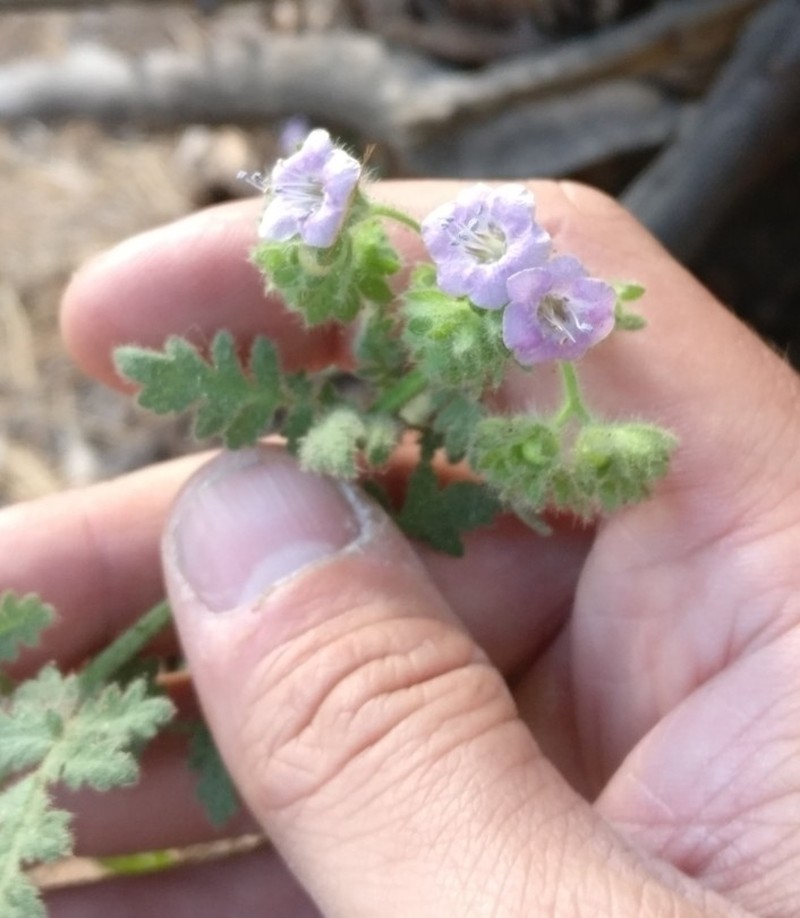
Taxonomy
- Division:
- Magnoliophyta | - Flowering plants
- Family:
- Boraginaceae
- Genus:
- Phacelia
- Species:
- Phacelia ramosissima
- USDA Symbol:
- PHRA2
Growth Characteristics
- Life Cycle:
- Perennial
- Growth Habit:
- Forb/herb , Subshrub
- Height:
- 150 cm
- Light Requirements:
- Full Sun
- Drought Tolerance:
- High
- Bloom Months:
- may,jun,jul,aug,sep
- Bloom Colors:
- white, lavender, blue
Wildlife Benefits
- Bees:
- ★☆☆☆☆ Documented bee visitation (GBIF)
- Butterflies & Moths:
- ★★★☆☆ Documented Lepidoptera association (GBIF)
- Caterpillars:
- ★★☆☆☆ Recorded caterpillar host plant (HOSTS Database)
Keystone Species Ranking
- Pollen Specialist Bee Keystone:
- ★★★★☆ Native pollen specialist bee species supported by this genus (NWF)
Host Plant for Caterpillars
Ethmia albistrigella, Ethmia nadia, Ethmia timberlakei, Eucosma hasseanthi, Eucosma hennei, Oidaematophorus phaceliae
Reported Fauna Sightings
Bees: Anthophora urbana, Bombus californicus, Fuzzy-horned bumble bee (Bombus mixtus), van Dyke bumble bee (Bombus vandykei), Yellow bumble bee (Bombus fervidus)
Garden & Ecology Notes
- Wildlife Value:
- bees, butterflies
- Deer Resistant:
- Yes
Soil Requirements
- Soil Type:
- sandy, well-drained, nutrient-poor soil
- pH:
- 6.0 - 7.5 (slightly acidic to neutral)
- Drainage:
- excellent drainage required
- Moisture:
- dry to moderate
- Notes:
- Commonly found in rocky or sandy areas
Propagation & Germination
- Stratification:
- Cold/moist stratification required — 30–60 days
- Germination Time:
- 14–30 days
- Notes:
- Seeds benefit from cold stratification for 4-8 weeks; surface sow on moist soil.