
Pennsylvania Bittercress
Cardamine pensylvanica
- Native to:
- Bahamas, Canada, Labrador, Prince Edward I., United States, Virgin Islands
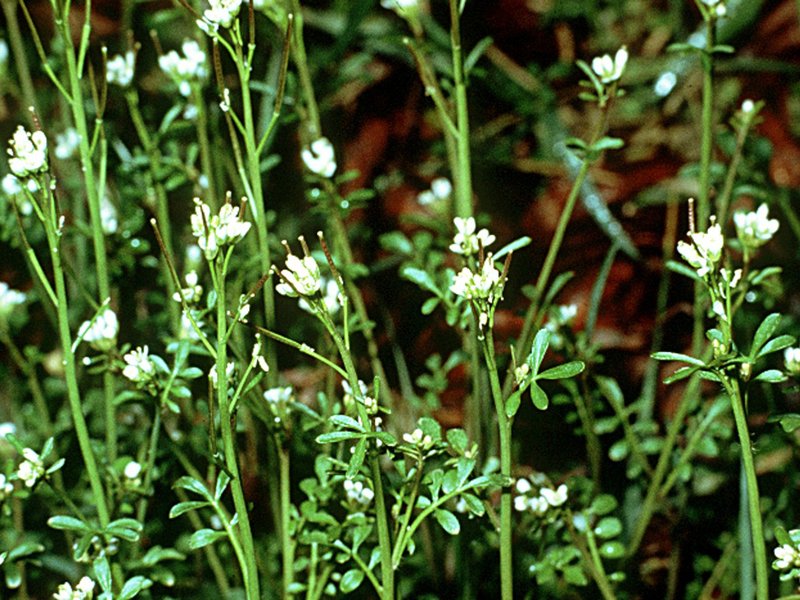
Robert H. Mohlenbrock. USDA SCS. 1989. Midwest wetland flora: Field office illustrated guide to plant species. Midwest National Technical Center, Lincoln. Courtesy of USDA NRCS Wetland Science Institute.
Taxonomy
- Division:
- Magnoliophyta | - Flowering plants
- Family:
- Brassicaceae
- Genus:
- Cardamine
- Species:
- Cardamine pensylvanica
- USDA Symbol:
- CAPE3
Growth Characteristics
- Life Cycle:
- Annual | Biennial | Perennial
- Growth Habit:
- Forb/herb
- Height:
- 60 cm
- Light Requirements:
- Part Shade
- Drought Tolerance:
- Low
- Bloom Months:
- mar,apr,may,jun
- Bloom Colors:
- white
Wildlife Benefits
- Butterflies & Moths:
- ★☆☆☆☆ Documented Lepidoptera association (GBIF)
- Caterpillars:
- ★☆☆☆☆ Recorded caterpillar host plant (HOSTS Database)
Keystone Species Ranking
- Caterpillar Keystone:
- ★☆☆☆☆ Butterfly & moth species supported by this genus (NWF)
Host Plant for Caterpillars
🛑West Virginia white (Pieris virginiensis)
Garden & Ecology Notes
- Wildlife Value:
- butterflies
Soil Requirements
- Soil Type:
- rich, moist, well-drained loamy soil
- pH:
- 5.5 - 7.5 (slightly acidic to neutral)
- Drainage:
- tolerates poor drainage
- Moisture:
- consistently moist
- Notes:
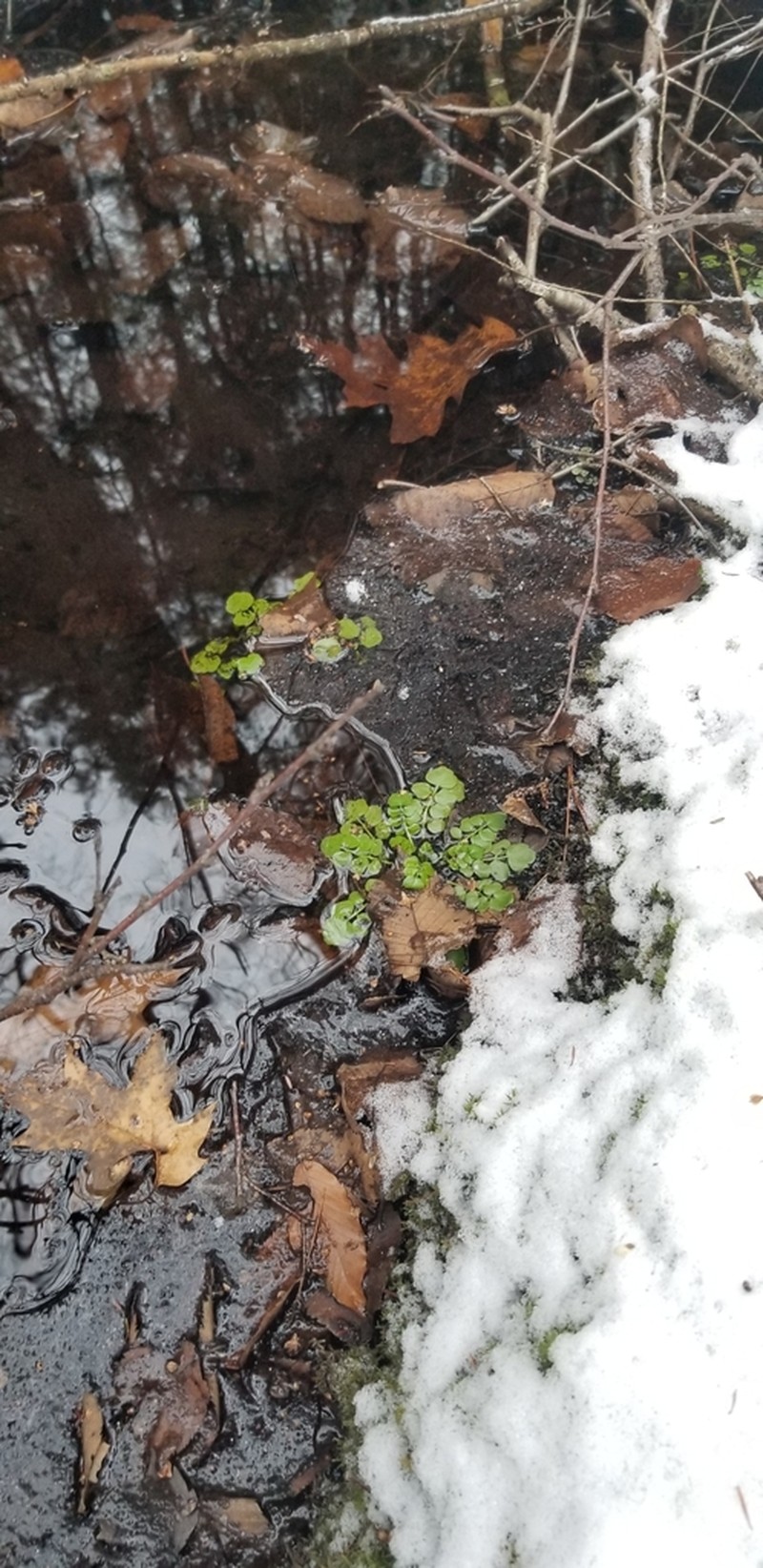
- often found in wetland areas and along streams
Propagation & Germination
- Stratification:
- None required
- Germination Time:
- 7–21 days
- Notes:
- Seeds germinate readily without pretreatment in moist soil.
Pre-treatment: Cold-moist stratification for 30 days at 1–5°C (34–41°F).
Source: Claude AI