
Western Tansymustard
Descurainia pinnata
- Native to:
- Canada, Mexican Pacific Is., Mexico, United States, Virgin Islands
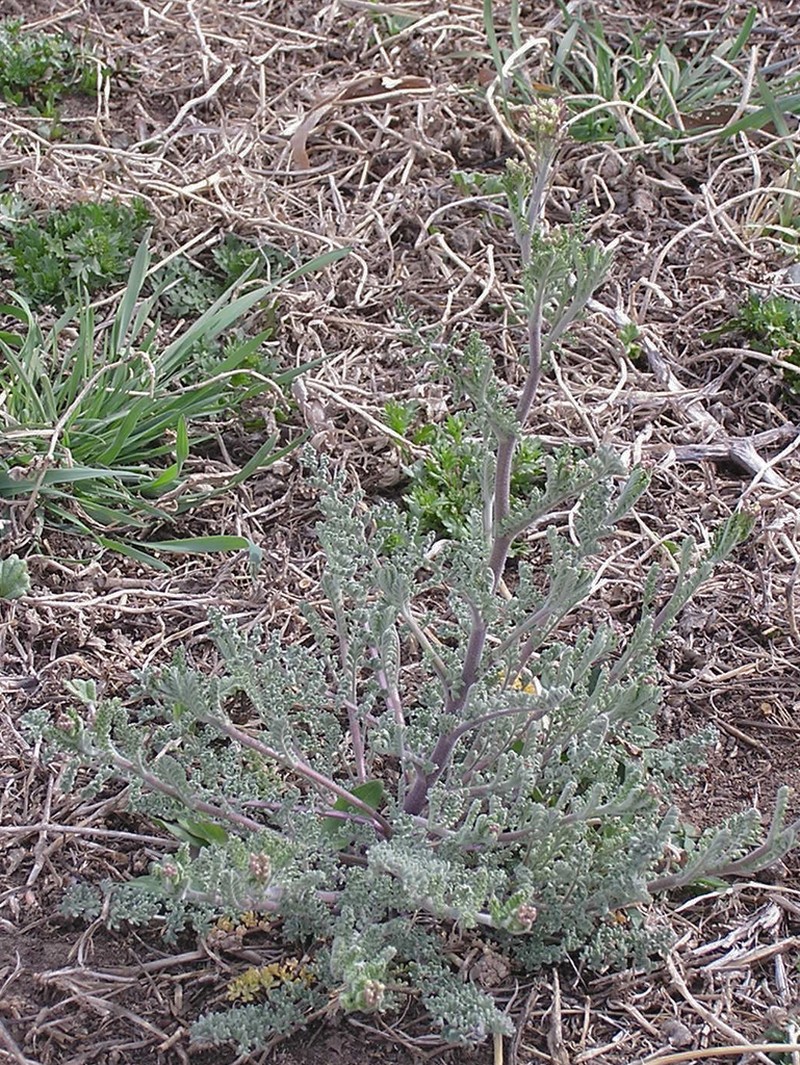
iNaturalist: © ellen5 (iNaturalist #2749334)
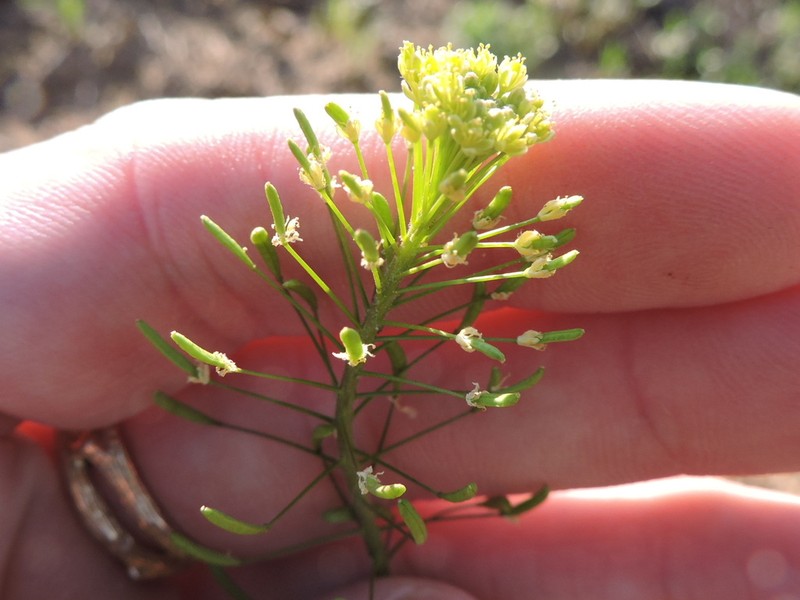
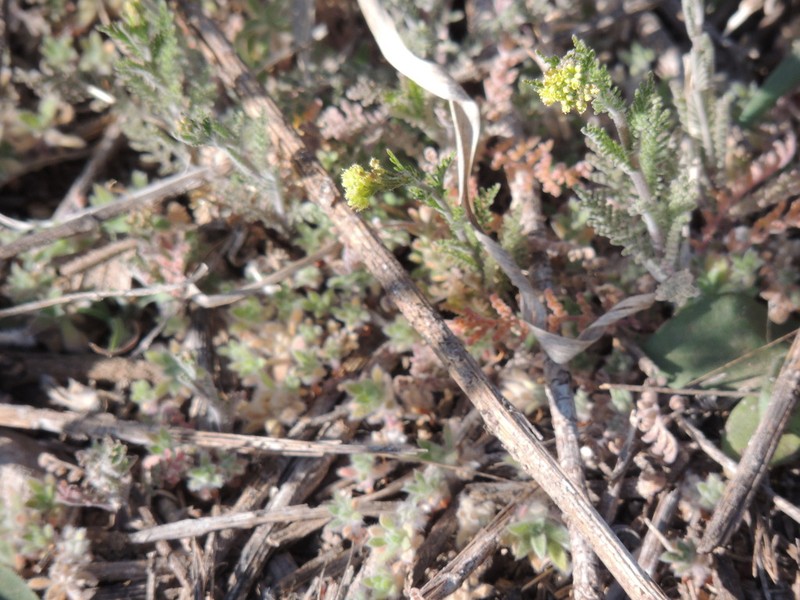
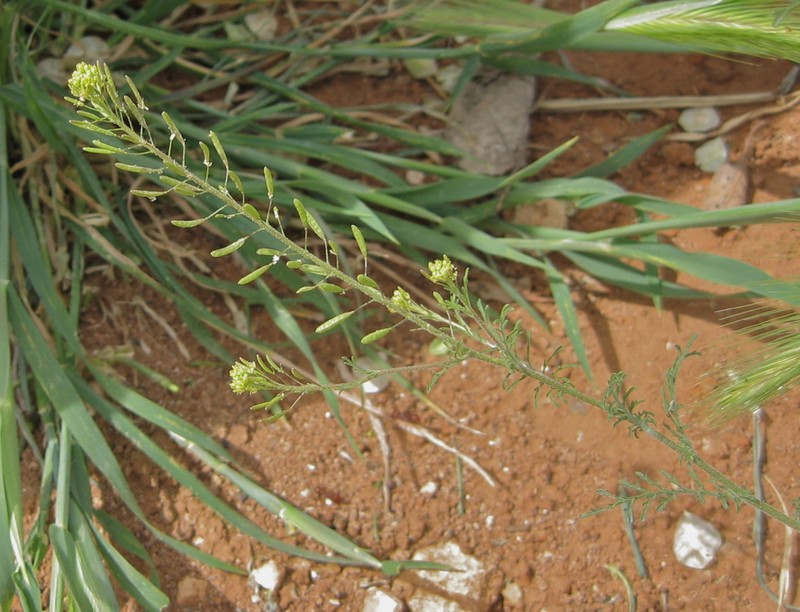
Taxonomy
- Division:
- Magnoliophyta | - Flowering plants
- Family:
- Brassicaceae
- Genus:
- Descurainia
- Species:
- Descurainia pinnata
- USDA Symbol:
- DEPI
Growth Characteristics
- Life Cycle:
- Annual | Biennial | Perennial
- Growth Habit:
- Forb/herb
- Height:
- 80 cm
- Light Requirements:
- Full Sun
- Drought Tolerance:
- High
- Bloom Months:
- feb,mar,apr,may,jun
- Bloom Colors:
- yellow
Wildlife Benefits
- Bees:
- ★☆☆☆☆ Documented bee visitation (GBIF)
- Butterflies & Moths:
- ★★☆☆☆ Documented Lepidoptera association (GBIF)
- Caterpillars:
- ★★☆☆☆ Recorded caterpillar host plant (HOSTS Database)
Host Plant for Caterpillars
California Marble (Euchloe hyantis), Checkered White (Pontia protodice), Desert orangetip (Anthocharis cethura), ⚠️Olympia Marble (Euchloe olympia), Pima orangetip (Anthocharis pima), Sara Orangetip (Anthocharis sara)
Reported Fauna Sightings
Bees: Brown-belted bumble bee (Bombus griseocollis) Butterflies:Sara Orangetip (Anthocharis sara)
Garden & Ecology Notes
- Wildlife Value:
- birds, butterflies
- Fire Ecology:
- Fire adapted — tolerates or benefits from fire
- Fire Notes:
- Often increases after fire due to seed bank stimulation and reduced competition.
Soil Requirements
- Soil Type:
- sandy, well-drained, nutrient-poor soil
- pH:
- 6.0 - 8.0 (slightly acidic to neutral)
- Drainage:
- excellent drainage required
- Moisture:
- dry to moderate
- Notes:
- often found in disturbed areas and open sites
Propagation & Germination
- Stratification:
- None required
- Germination Time:
- 7–21 days
- Notes:
- Seeds germinate readily without pretreatment in cool, moist soil.
Pre-treatment: Seeds were plated on 1.5% agar in petri dishes and incubated in growth chambers at Chicago Botanic Garden using six temperature treatments intended to represent different seed sowing times and locations in the Colorado Plateau.
Establishment: Additional research is needed to confirm the specific length of winter conditions needed to break dormancy and allow germination.
Source: npn.rngr.net