
Desert Pepperweed
Lepidium fremontii
- Native to:
- Mexico, United States
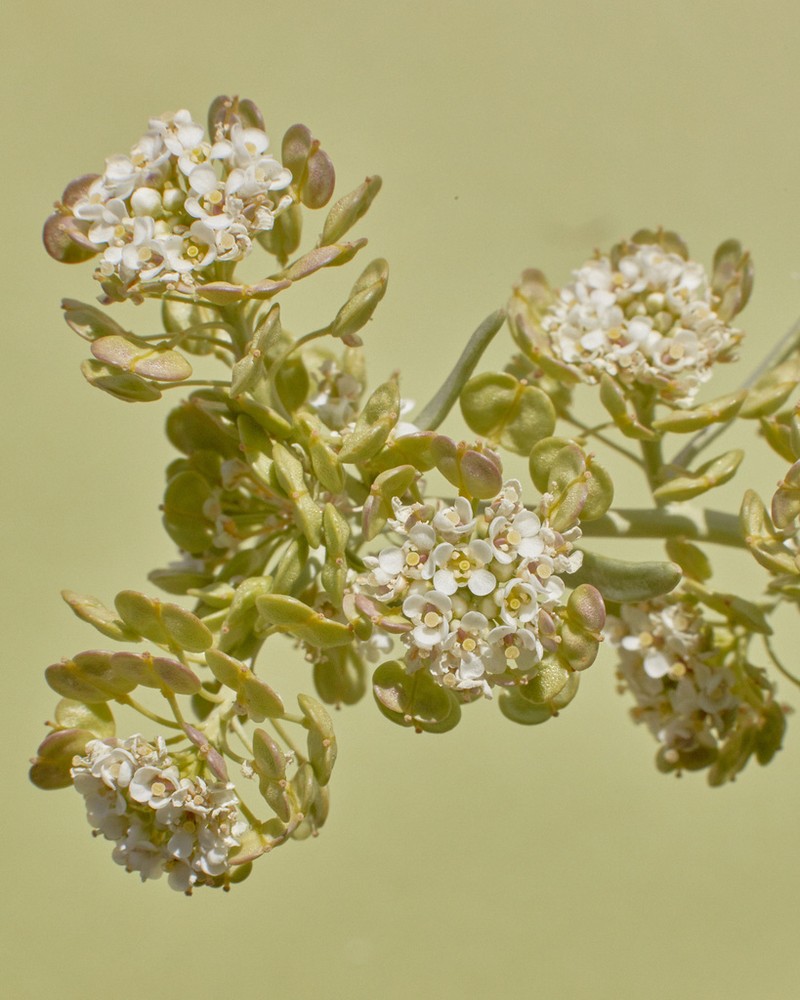
iNaturalist: © plantsoflacounty (iNaturalist #77486044)
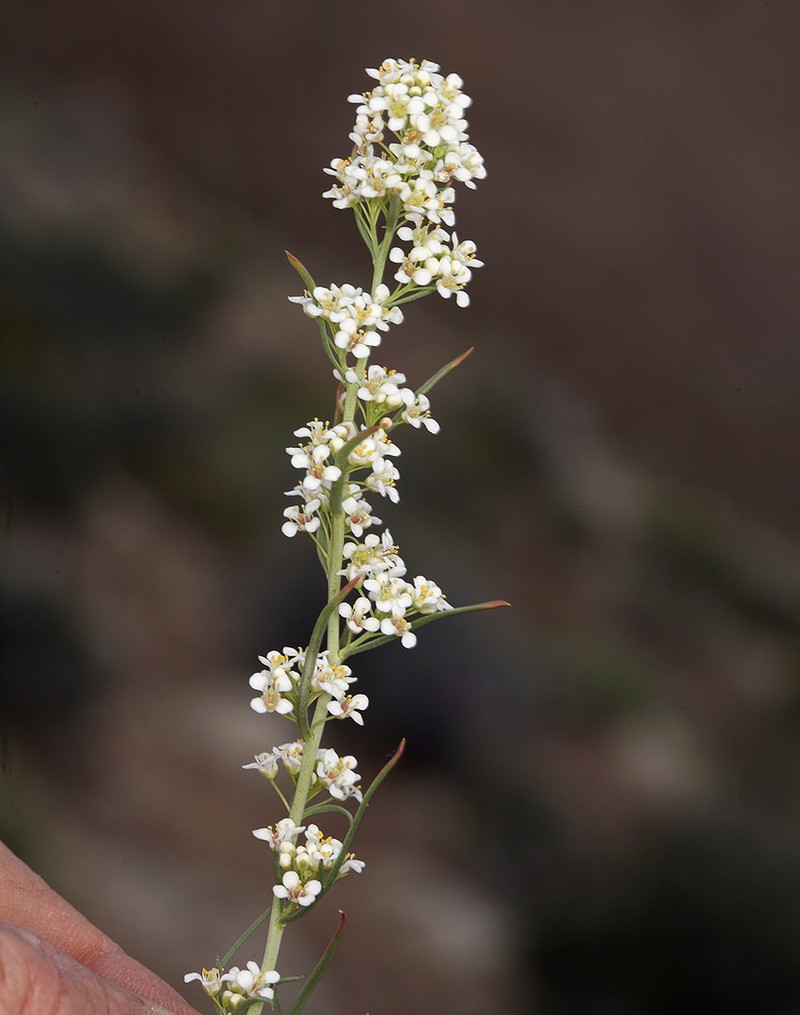
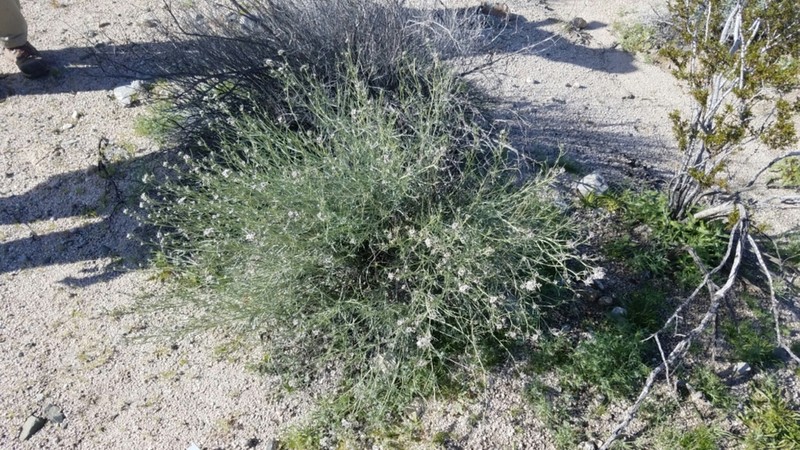
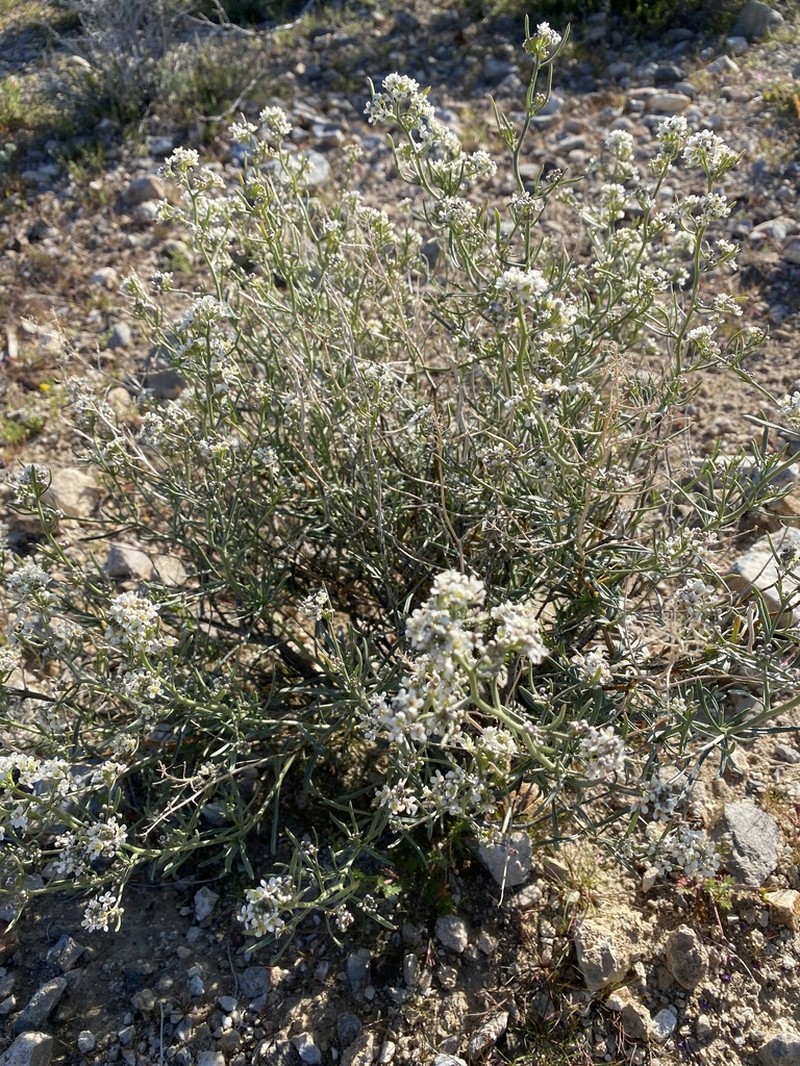
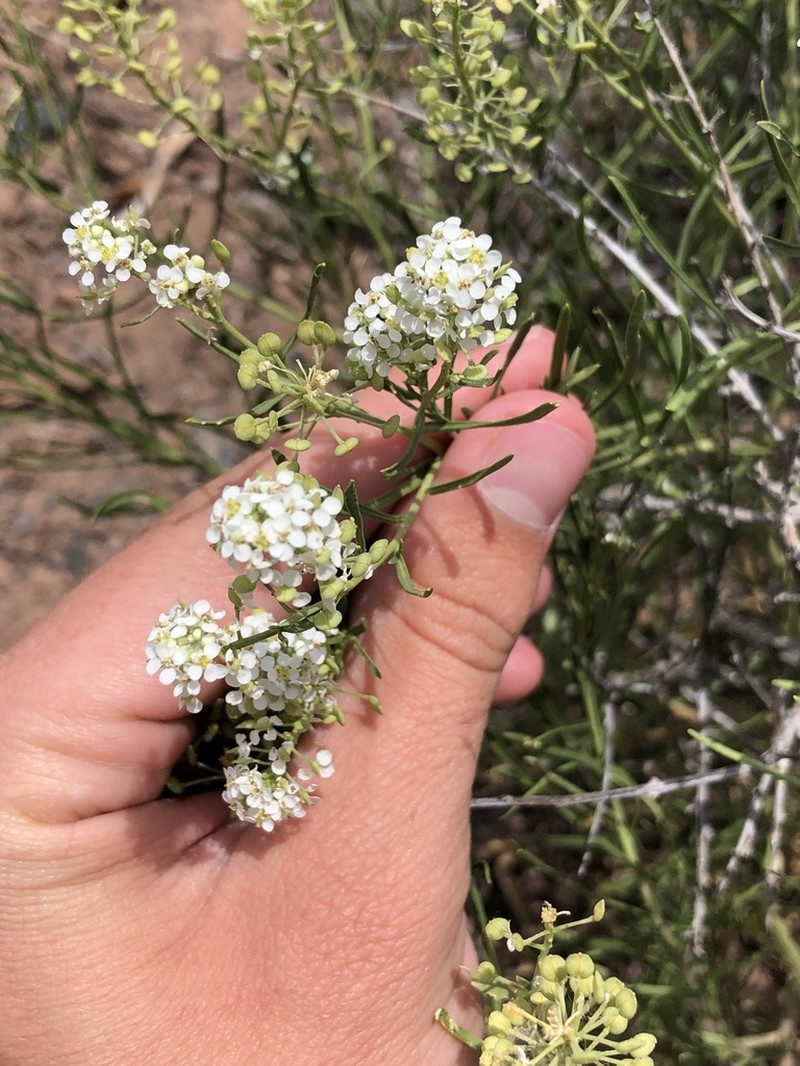
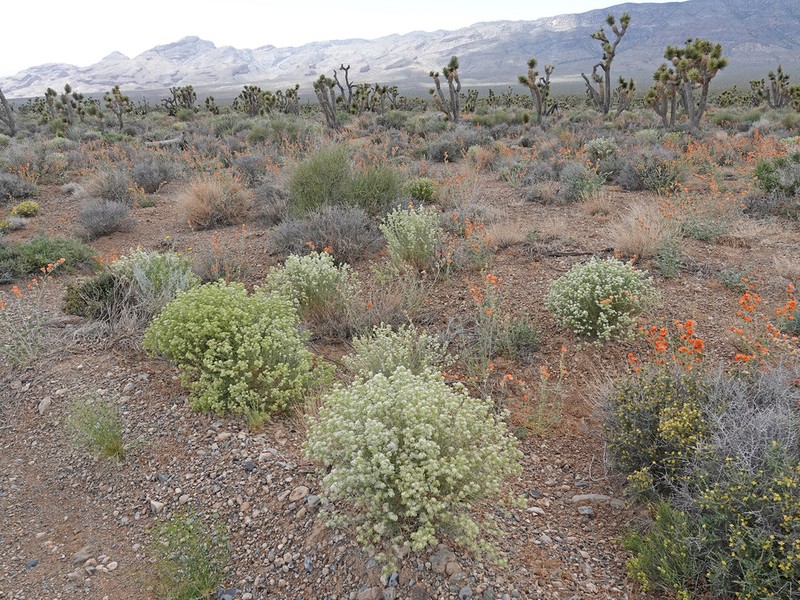
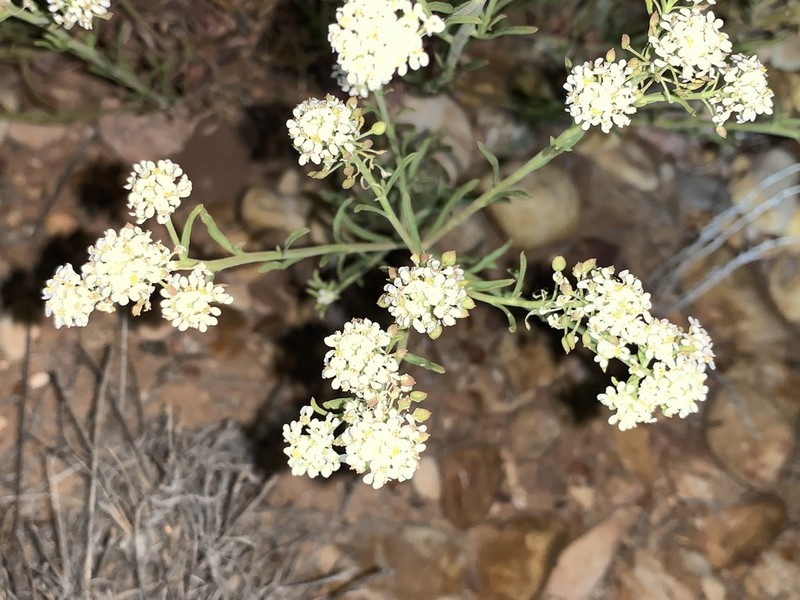
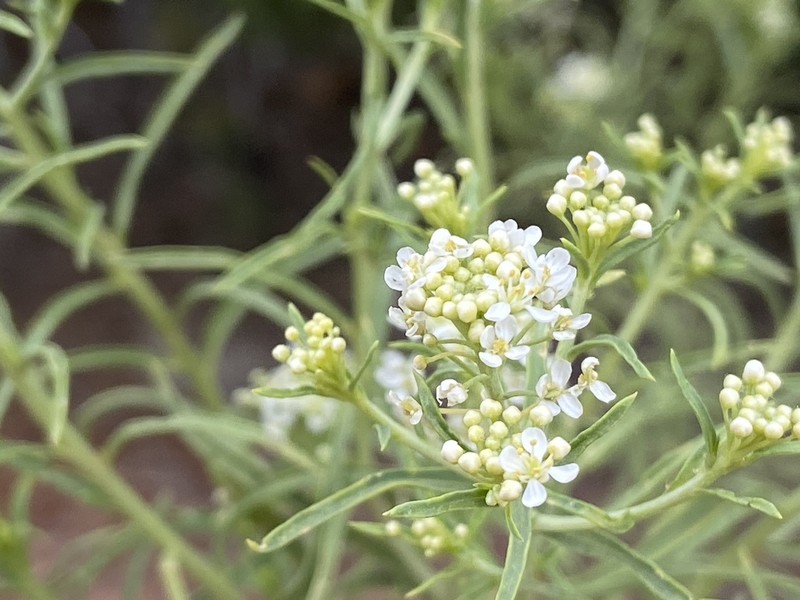
Taxonomy
- Division:
- Magnoliophyta | - Flowering plants
- Family:
- Brassicaceae
- Genus:
- Lepidium
- Species:
- Lepidium fremontii
- USDA Symbol:
- LEFR2
Growth Characteristics
- Life Cycle:
- Perennial
- Growth Habit:
- Shrub , Subshrub
- Height:
- 80 cm
- Light Requirements:
- Full Sun
- Drought Tolerance:
- High
- Bloom Months:
- mar,apr,may
- Bloom Colors:
- white
Wildlife Benefits
- Bees:
- ★☆☆☆☆ Documented bee visitation (GBIF)
- Butterflies & Moths:
- ★☆☆☆☆ Documented Lepidoptera association (GBIF)
- Caterpillars:
- ★☆☆☆☆ Recorded caterpillar host plant (HOSTS Database)
Host Plant for Caterpillars
California Marble (Euchloe hyantis), Checkered White (Pontia protodice), Western white (Pontia occidentalis)
Reported Fauna Sightings
Butterflies:Western Pygmy Blue (Brephidium exilis)
Garden & Ecology Notes
- Wildlife Value:
- bees, butterflies
- Deer Resistant:
- Yes
- Salt Tolerant:
- Yes
Soil Requirements
- Soil Type:
- sandy, well-drained, nutrient-poor soil
- pH:
- 6.0 - 8.0 (neutral to slightly alkaline)
- Drainage:
- excellent drainage required
- Moisture:
- dry to moderate
- Notes:
- Common in arid desert regions
Propagation & Germination
- Stratification:
- Cold/moist stratification required — 30–60 days
- Germination Time:
- 7–21 days
- Notes:
- Seeds germinate readily after cold stratification; sow in fall or stratify for 30-60 days.
Pre-treatment: Seeds are soaked in water for 2 to 4 hours to remove any inhibitors and allow full imbibition of seeds prior to sowing. Seeds are then sown in open flats using a growing medium of 2 parts sand, 1 part mulch and 2 parts perlite.
Source: npn.rngr.net