
Saguaro
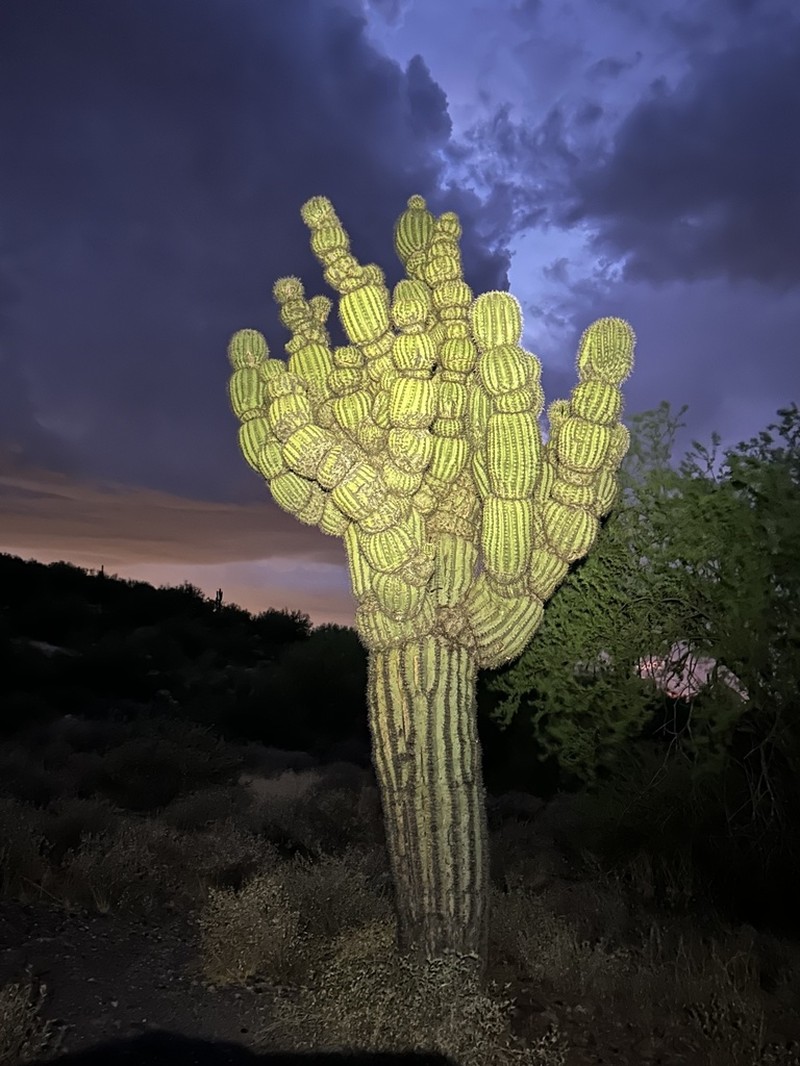
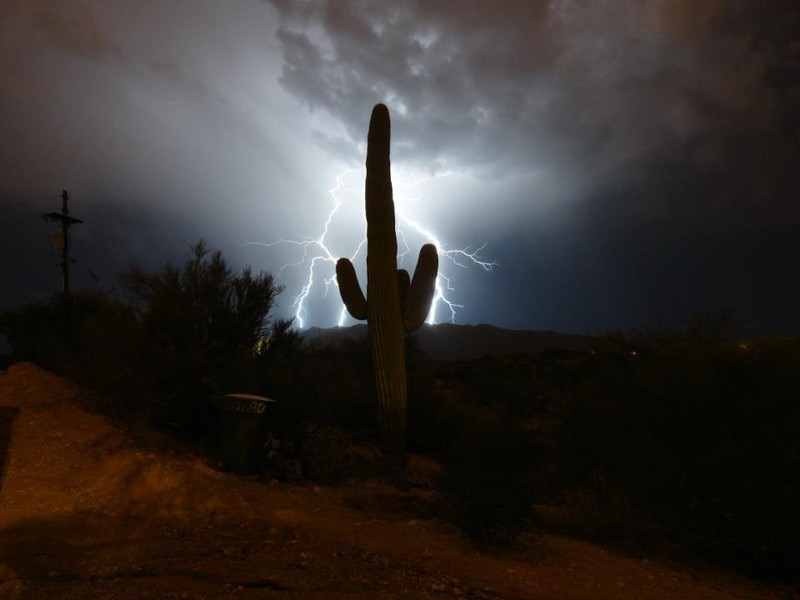
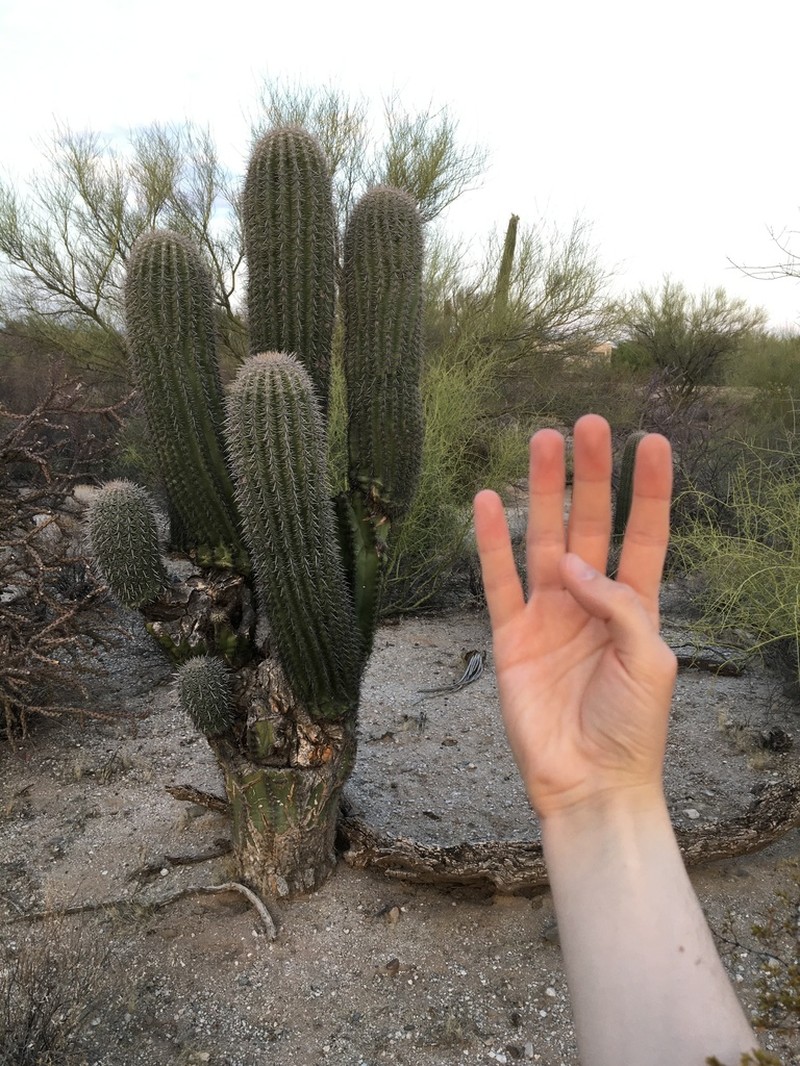
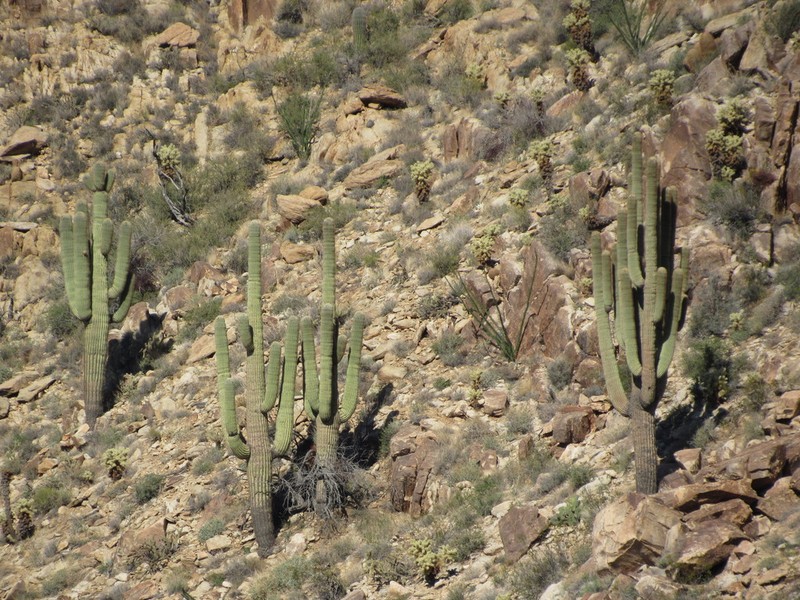
Carnegiea gigantea
- Native to:
- Mexico, United States
iNaturalist: © liamhuber (iNaturalist #146731791)
Taxonomy
- Division:
- Magnoliophyta | - Flowering plants
- Family:
- Cactaceae
- Genus:
- Carnegiea
- Species:
- Carnegiea gigantea
- USDA Symbol:
- CAGI10
Growth Characteristics
- Life Cycle:
- Perennial
- Growth Habit:
- Succulent
- Height:
- 1800 cm
- Light Requirements:
- Full Sun
- Drought Tolerance:
- High
- Bloom Months:
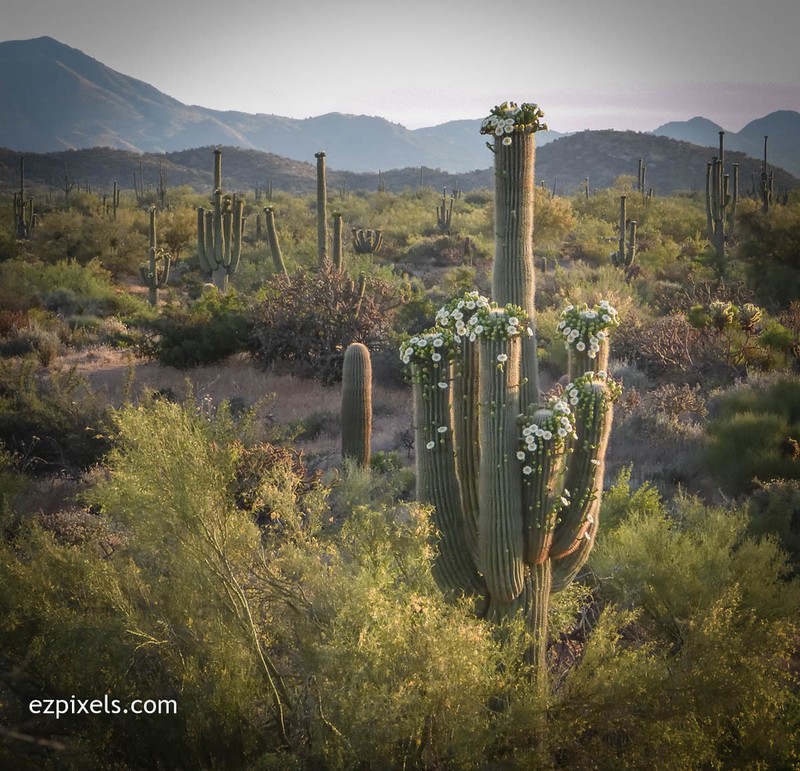
- may,jun
- Bloom Colors:
- white
- Food Forest:
- Contains edible parts
Wildlife Benefits
- Caterpillars:
- ★☆☆☆☆ Recorded caterpillar host plant (HOSTS Database)
Host Plant for Caterpillars
fernald cactobrosis moth (Cactobrosis fernaldialis)
Garden & Ecology Notes
- Wildlife Value:
- birds, bats, small mammals
- Deer Resistant:
- Yes
Soil Requirements
- Soil Type:
- sandy, well-drained, low fertility soil
- pH:
- 6.0 - 8.0 (neutral to slightly alkaline)
- Drainage:
- excellent drainage required
- Moisture:
- dry to moderate
- Notes:
- native to Sonoran Desert; adapted to arid conditions
Propagation & Germination
Pre-treatment: None required
Establishment: Fruit is a fleshy red berry that contains up to 2500 seeds within the pulp. Seeds are black at maturity. Fruits are collected by hand when they are deep red in color and are easily plucked from the plant. C. gigantea is found in southern Arizona and northwestern Sonora, Mexico and sparsely near the lower Colorado River in California.
Source: npn.rngr.net
Where to Buy
Nationwide Seller
- Planet Desert (nursery)
- Sheffield's Seed (seeds)