
Beavertail Pricklypear 🛑 Endangered
Opuntia basilaris
- Native to:
- Mexico, United States
George Engelmann
Taxonomy
- Division:
- Magnoliophyta | - Flowering plants
- Family:
- Cactaceae
- Genus:
- Opuntia
- Species:
- Opuntia basilaris
- USDA Symbol:
- OPBA2
Growth Characteristics
- Life Cycle:
- Perennial
- Growth Habit:
- Succulent
- Height:
- 60 cm
- Light Requirements:
- Full Sun
- Drought Tolerance:
- High
- Bloom Months:
- apr,may,jun
- Bloom Colors:
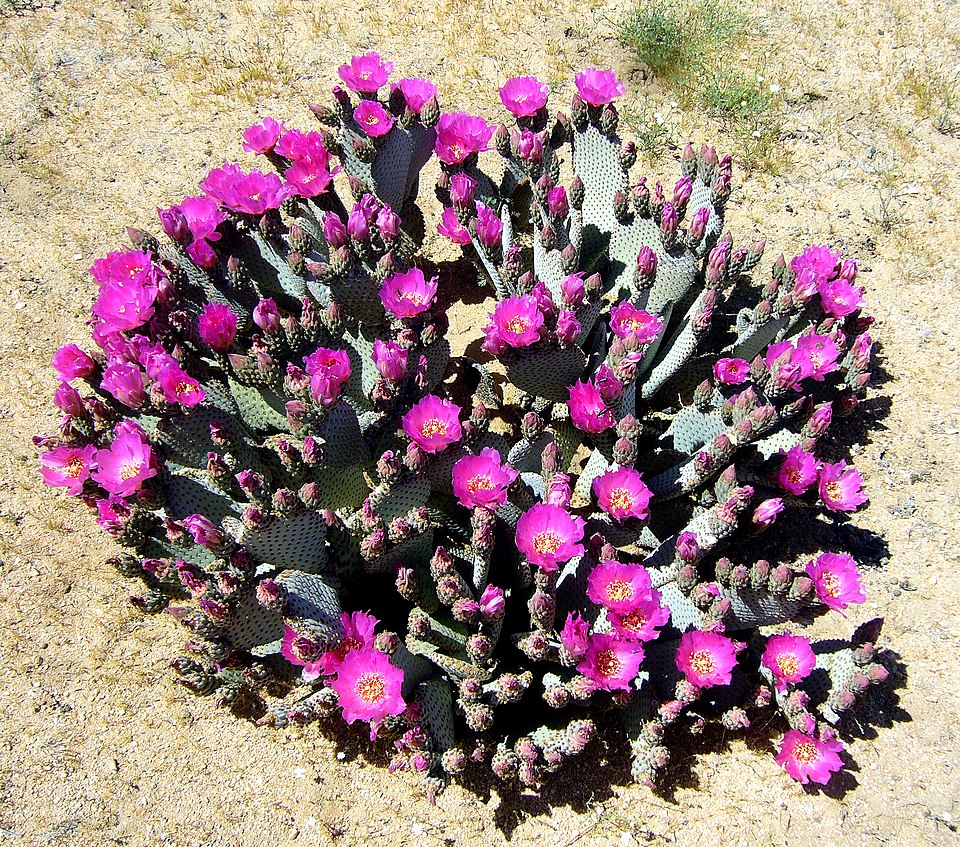
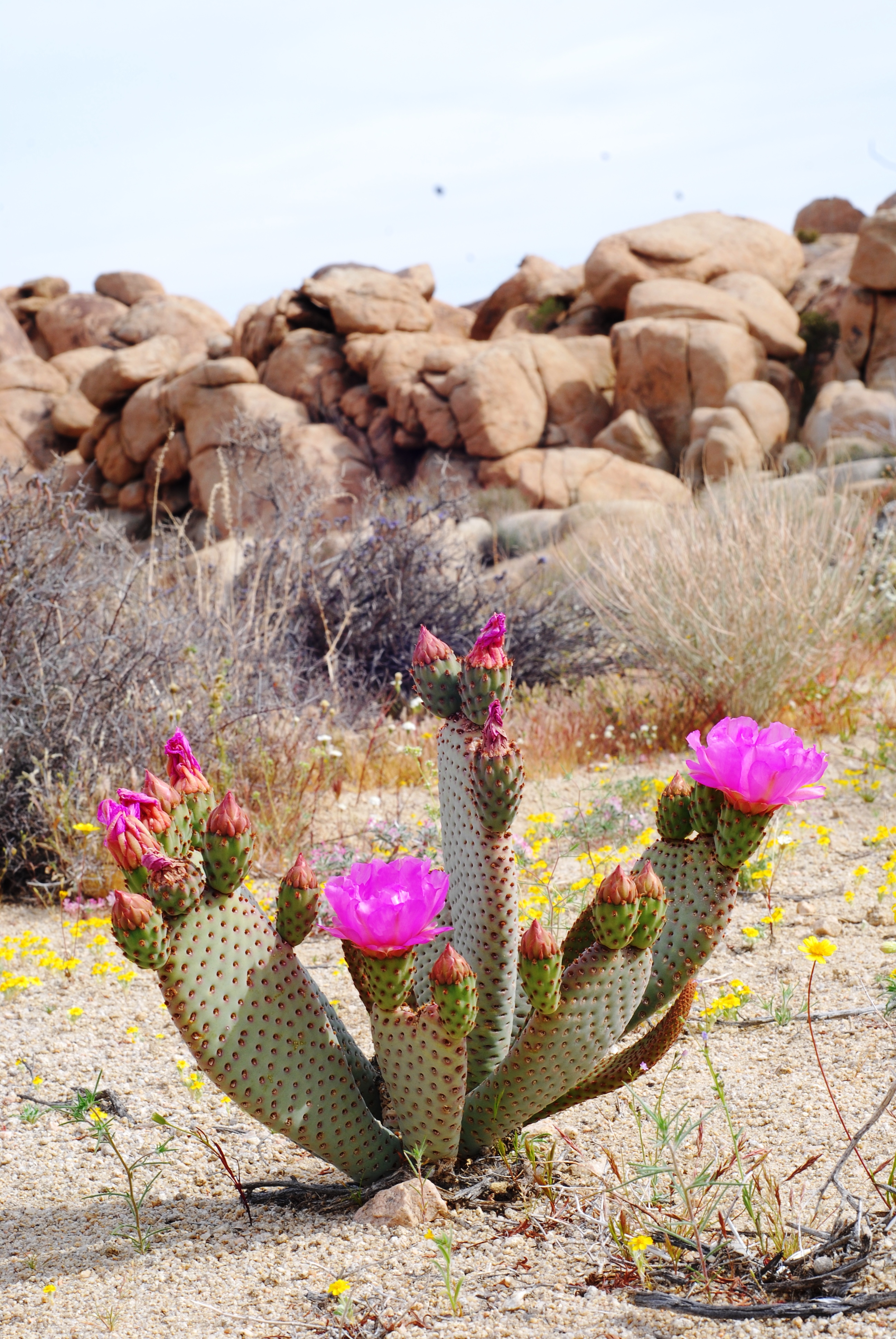
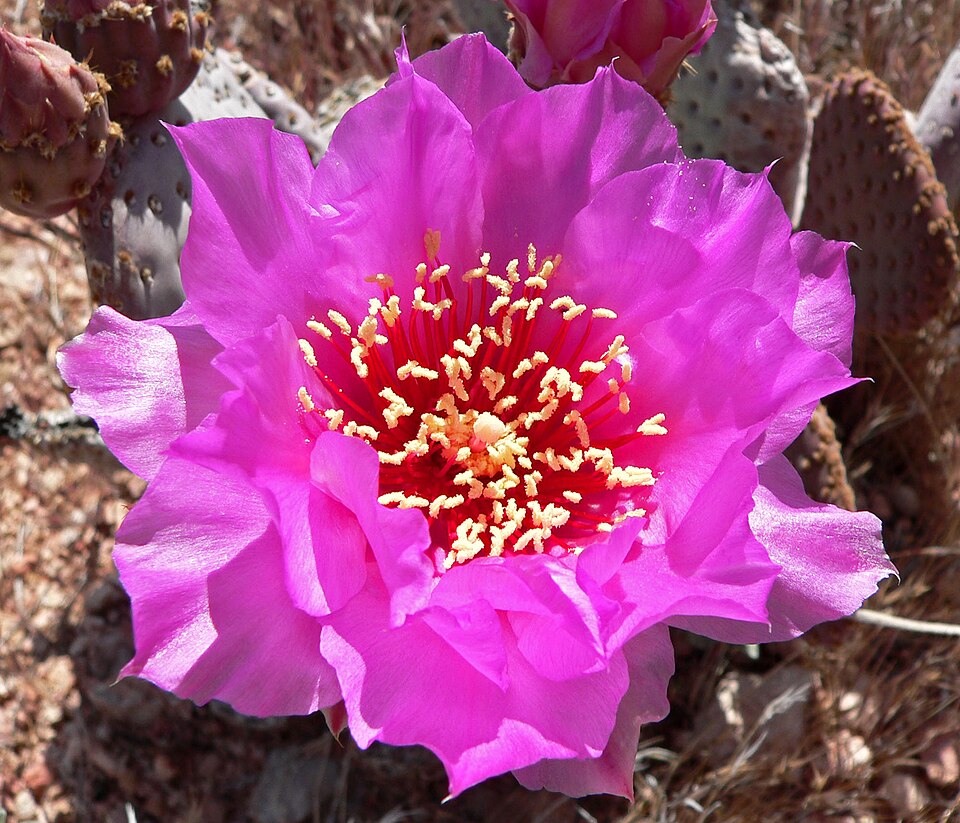
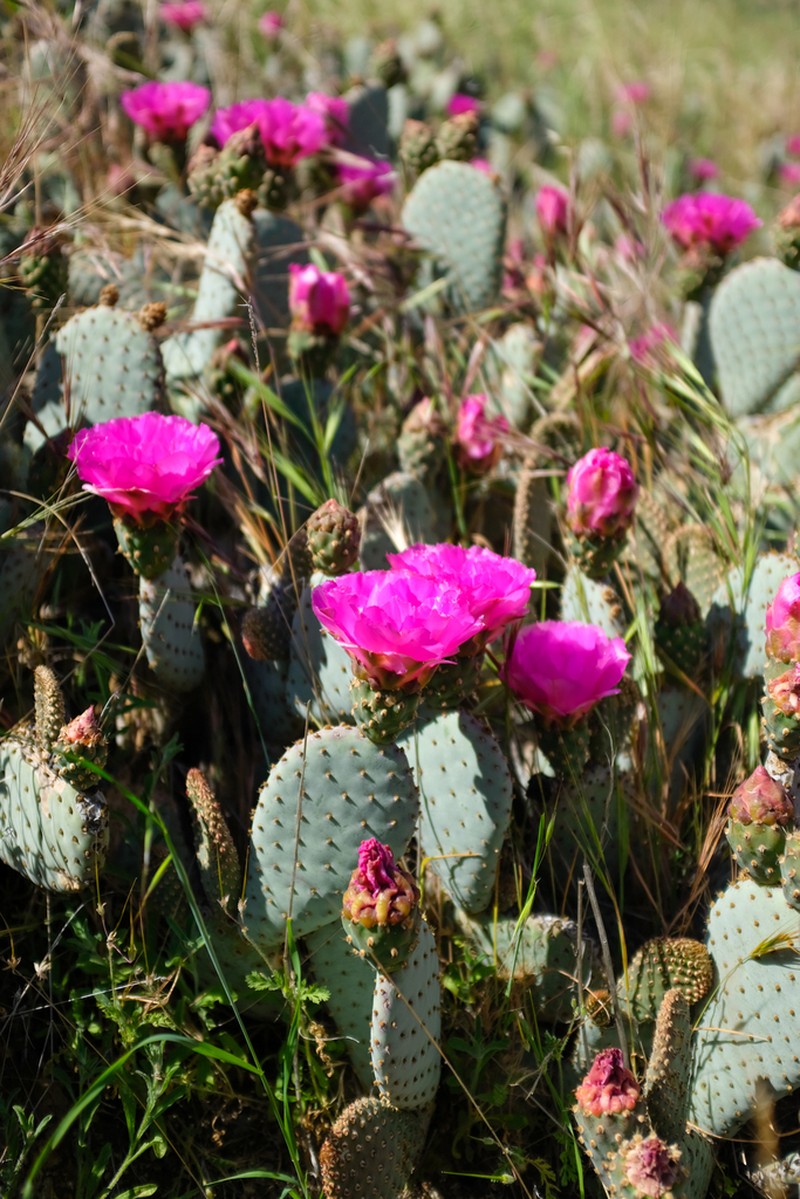
- pink, magenta, rose
- Food Forest:
- Contains edible parts
Wildlife Benefits
- Bees:
- ★★☆☆☆ Documented bee visitation (GBIF)
- Caterpillars:
- ★☆☆☆☆ Recorded caterpillar host plant (HOSTS Database)
- Hummingbirds:
- ★☆☆☆☆ Documented hummingbird visits (GBIF)
Keystone Species Ranking
- Pollen Specialist Bee Keystone:
- ★☆☆☆☆ Native pollen specialist bee species supported by this genus (NWF)
Host Plant for Caterpillars
Dyotopasta yumaella
Garden & Ecology Notes
- Wildlife Value:
- bees, birds
- Deer Resistant:
- Yes
Soil Requirements
- Soil Type:
- sandy, well-drained, nutrient-poor soil
- pH:
- 6.0 - 8.0 (neutral to slightly alkaline)
- Drainage:
- excellent drainage required
- Moisture:
- dry to moderate
- Notes:
- native to arid desert regions
Propagation & Germination
- Stratification:
- Cold/moist stratification required — 30–60 days
- Germination Time:
- 14–60 days
- Notes:
- Seeds benefit from cold stratification; sow in well-draining mix and keep warm after stratification.
Pre-treatment: Single-step cold-moist stratification for temperate woodland species. for 60–120 days
Source: Claude AI
Where to Buy
Nationwide Seller
- Planet Desert (nursery)