
Devil's-Tongue
Opuntia humifusa
- Native to:
- Canada, Mexico, United States, Virgin Islands
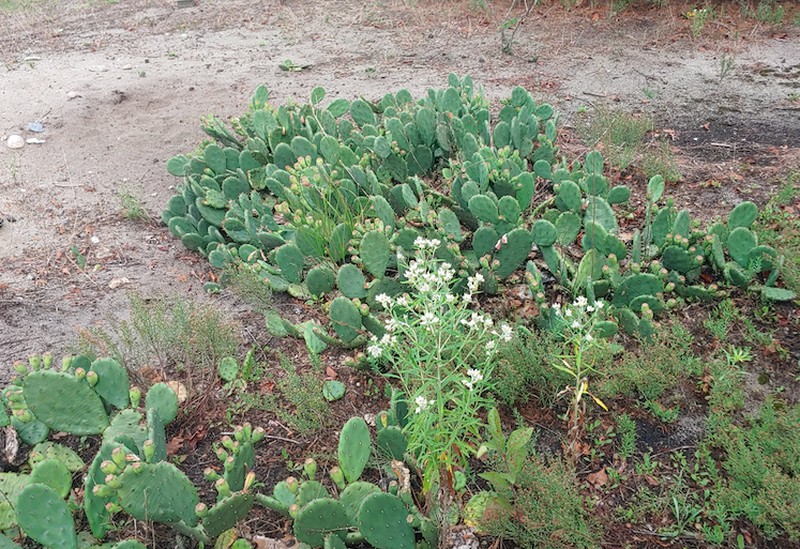
Wikimedia: CoolGuySlate
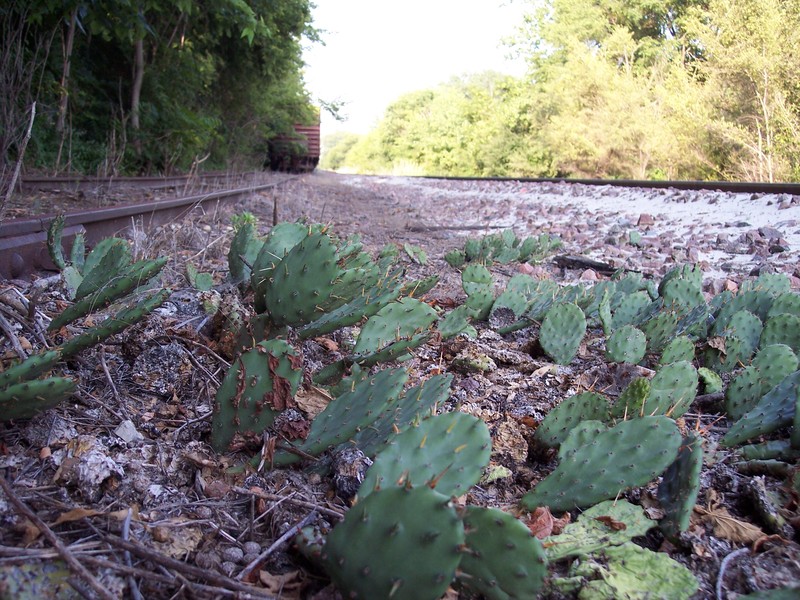
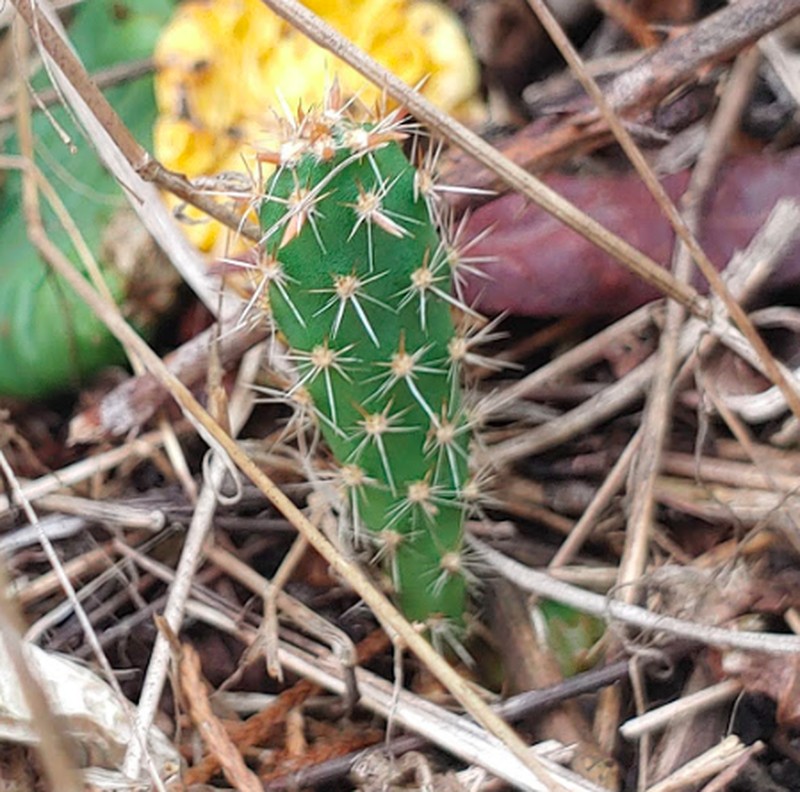
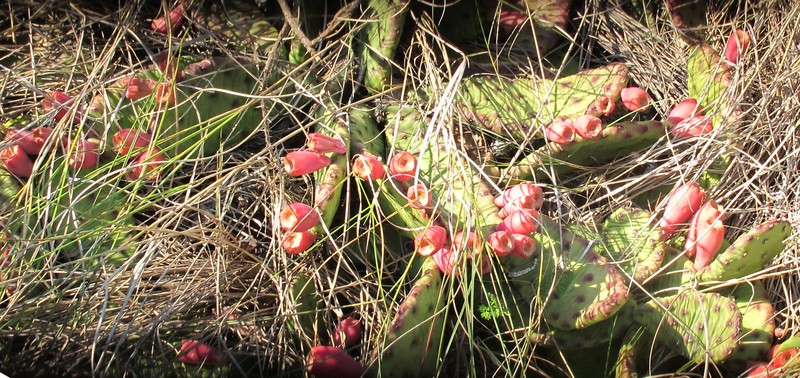
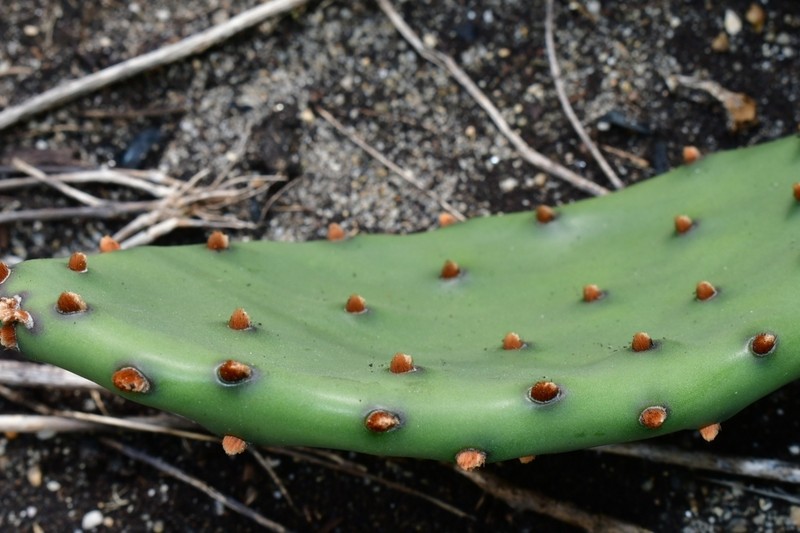
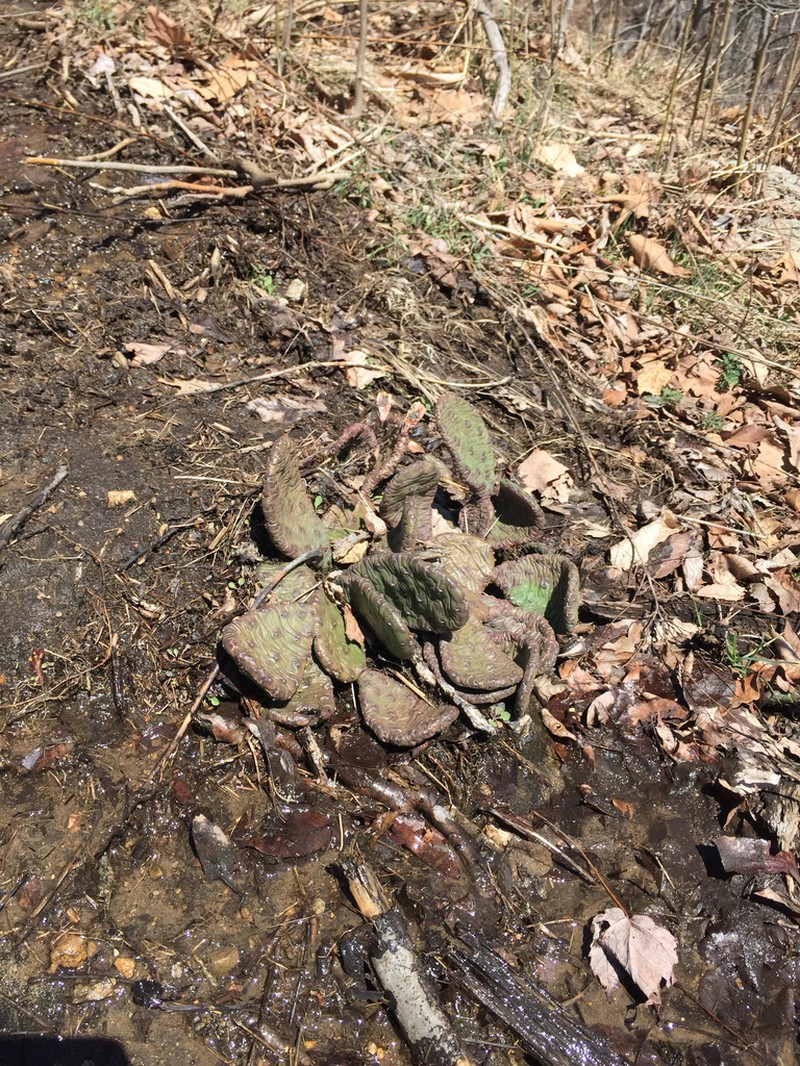
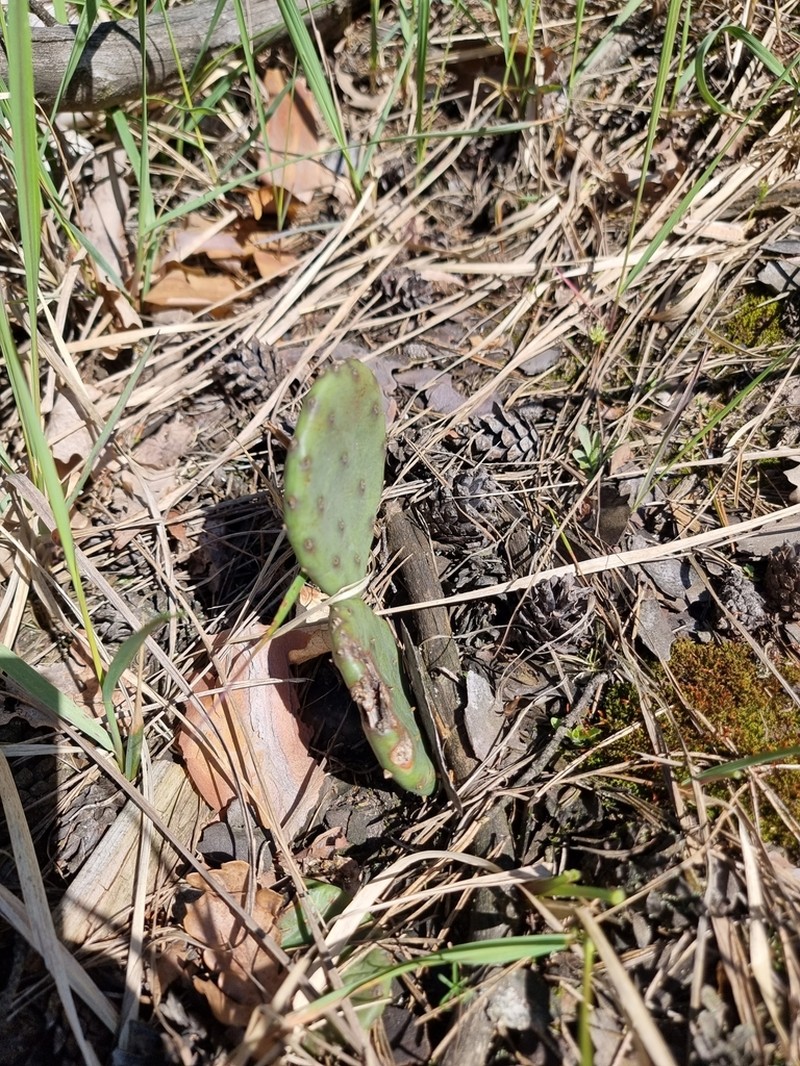
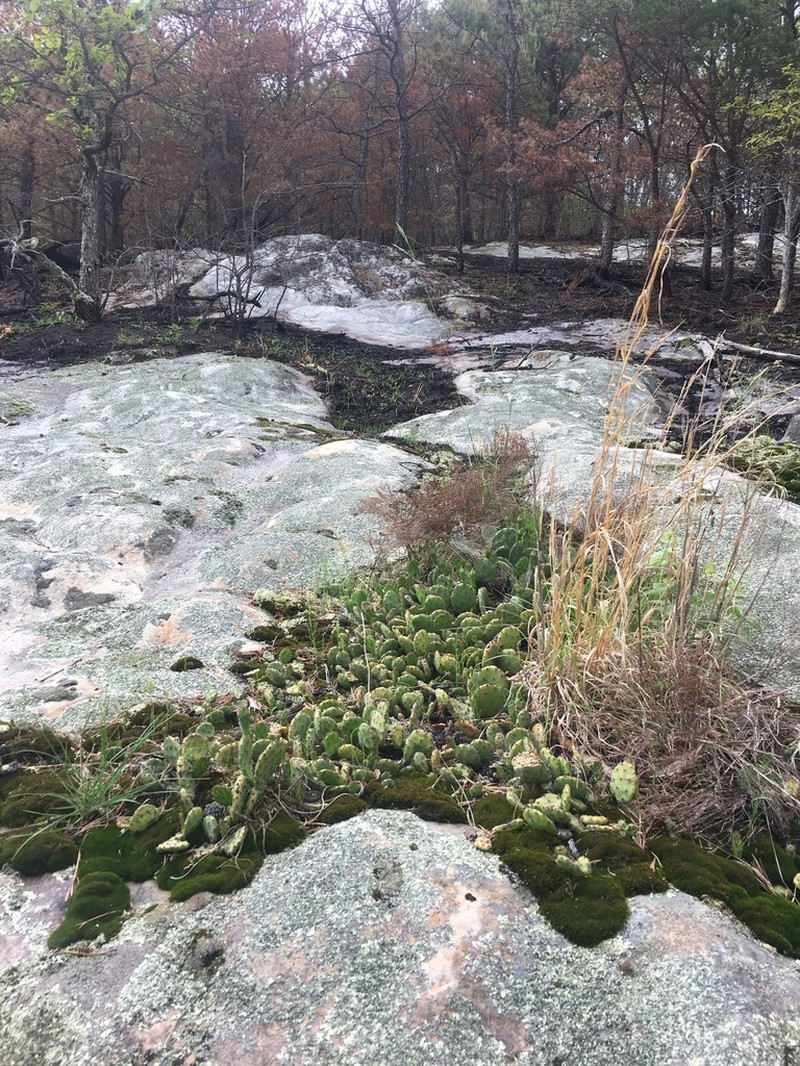
Taxonomy
- Division:
- Magnoliophyta | - Flowering plants
- Family:
- Cactaceae
- Genus:
- Opuntia
- Species:
- Opuntia humifusa
- USDA Symbol:
- OPHU
Growth Characteristics
- Life Cycle:
- Perennial
- Growth Habit:
- Succulent
- Height:
- 30 cm
- Drought Tolerance:
- High
- Bloom Months:
- may,jun,jul
- Bloom Colors:
- yellow
- Food Forest:
- Contains edible parts
- Ground Cover:
- Yes
Wildlife Benefits
- Bees:
- ★☆☆☆☆ Documented bee visitation (GBIF)
- Butterflies & Moths:
- ★☆☆☆☆ Documented Lepidoptera association (GBIF)
- Caterpillars:
- ★☆☆☆☆ Recorded caterpillar host plant (HOSTS Database)
Keystone Species Ranking
- Pollen Specialist Bee Keystone:
- ★☆☆☆☆ Native pollen specialist bee species supported by this genus (NWF)
Host Plant for Caterpillars
Cactus Borer Moth (Melitara prodenialis)
Garden & Ecology Notes
- Wildlife Value:
- birds, small mammals, bees, butterflies
- Deer Resistant:
- Yes
- Salt Tolerant:
- Yes
- Fire Ecology:
- Fire adapted — tolerates or benefits from fire
- Fire Notes:
- Tolerates fire and can resprout from root fragments. Often increases in abundance following fire in sandy habitats.
Propagation & Germination
- Stratification:
- None required
- Scarification:
- Seed coat scarification required before sowing
- Germination Time:
- 14–90 days
- Notes:
- Seeds require scarification due to hard seed coat. Germination is erratic and improved by removing seeds from fruit pulp.
Where to Buy
Nationwide Seller
- Prairie Moon Nursery (nursery and seeds)
- Native Plants Nursery (nursery)
- Pizzo Native Plant Nursery (wholesale nursery)
- Sheffield's Seed (seeds)