
Coastal Pricklypear
Opuntia littoralis
- Native to:
- Mexico, United States
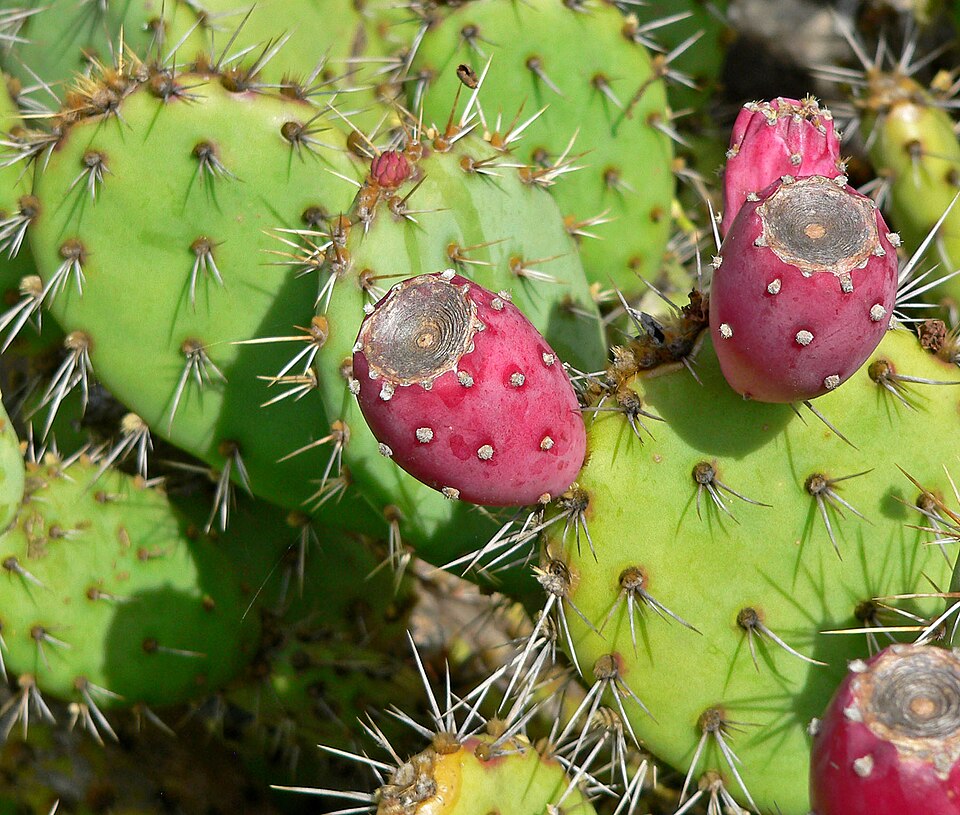
iNaturalist: © shrike2 (iNaturalist #270566989)
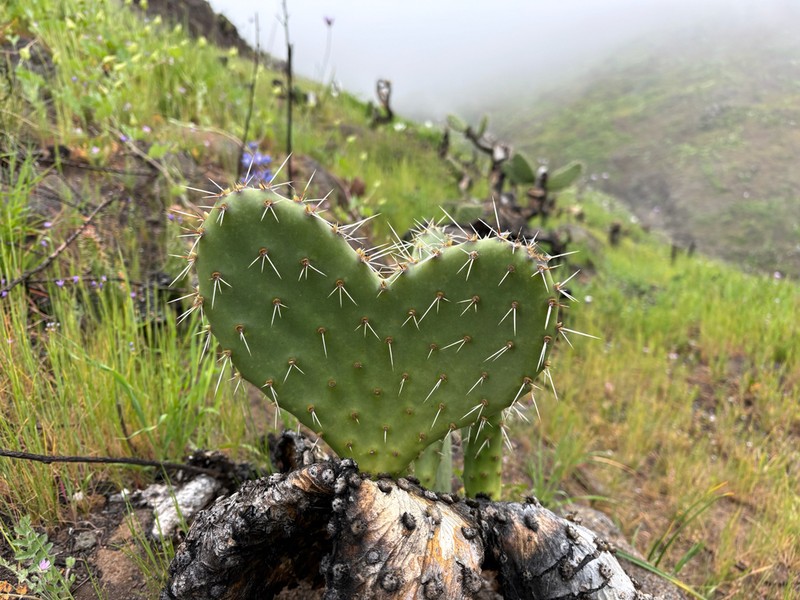
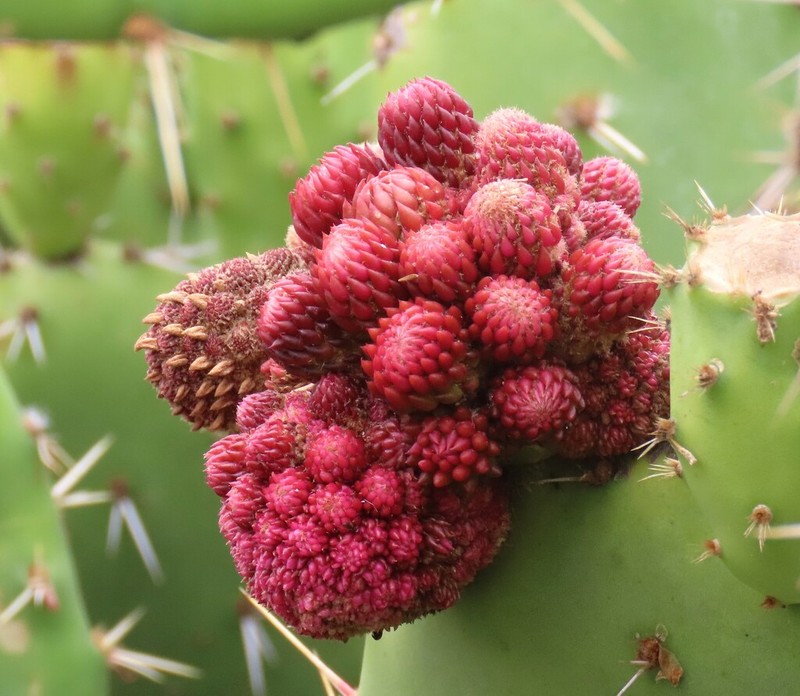
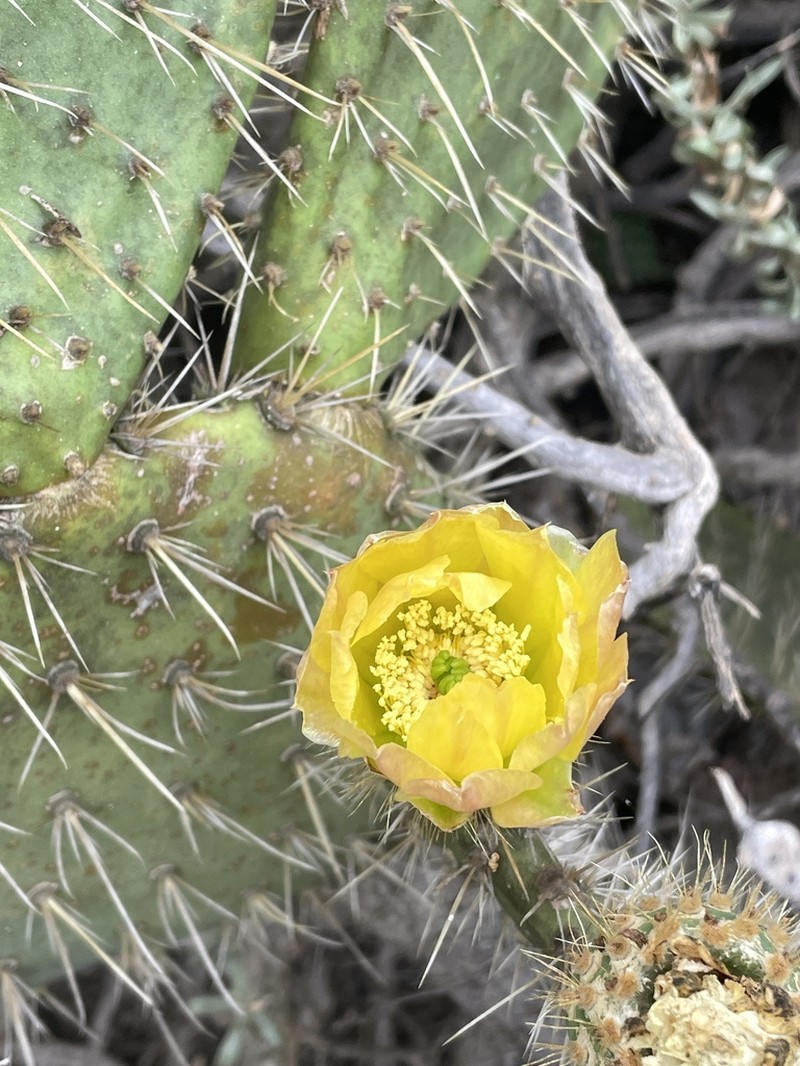
Taxonomy
- Division:
- Magnoliophyta | - Flowering plants
- Family:
- Cactaceae
- Genus:
- Opuntia
- Species:
- Opuntia littoralis
- USDA Symbol:
- OPLI3
Growth Characteristics
- Life Cycle:
- Perennial
- Growth Habit:
- Succulent
- Height:
- 60 cm
- Light Requirements:
- Full Sun
- Drought Tolerance:
- High
- Bloom Months:
- apr,may,jun,jul
- Bloom Colors:
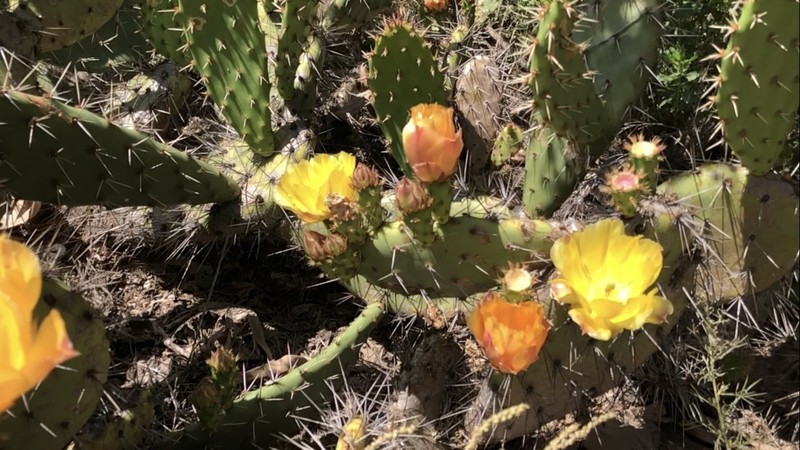
- yellow, orange, red
Wildlife Benefits
- Bees:
- ★☆☆☆☆ Documented bee visitation (GBIF)
- Butterflies & Moths:
- ★★★☆☆ Documented Lepidoptera association (GBIF)
Keystone Species Ranking
- Pollen Specialist Bee Keystone:
- ★☆☆☆☆ Native pollen specialist bee species supported by this genus (NWF)
Garden & Ecology Notes
- Wildlife Value:
- birds, bees, butterflies
- Deer Resistant:
- Yes
- Salt Tolerant:
- Yes
- Fire Ecology:
- Fire adapted — tolerates or benefits from fire
- Fire Notes:
- Can resprout from base after low-severity fire.
Soil Requirements
- Soil Type:
- sandy, well-drained, nutrient-poor soil
- pH:
- 6.0 - 8.0 (slightly acidic to neutral)
- Drainage:
- excellent drainage required
- Moisture:
- dry to moderate
- Notes:
- native to coastal regions with dry conditions
Propagation & Germination
- Stratification:
- Cold/moist stratification required — 30–60 days
- Germination Time:
- 14–60 days
- Notes:
- Seeds benefit from cold stratification; sow in well-drained mix.
Pre-treatment: Pads are stored horizontally in bins until processing. Pads are then 'calloused' by laying them in the sun on shade cloth for a week to dry. Longer drying times may be necessary in high humidity environments. Avoid letting pads callous for too long as they may begin to root in the ground or curve toward the sun.
Establishment: Opuntia littoralis is native to southern California and Baja California. It can occupy a variety of habitats including coastal sage scrub and chaparral. Pads are collected from native source populations from a variety of locations around San Diego County.
Source: npn.rngr.net