
Iguana Hackberry
Celtis iguanaea
Also known as: Spiny Hackberry
- Native to:
- Aruba, Bahamas, Belize, Colombia, Costa Rica, Cuba, Dominican Republic, El Salvador, French Guiana, Guam, Guatemala, Guyana, Haiti, Honduras, Jamaica, Leeward Is., Mexico, Netherlands Antilles, Nicaragua, Panamá, Puerto Rico, Suriname, Trinidad-Tobago, United States, Venezuela, Venezuelan Antilles, Virgin Islands, Windward Is.
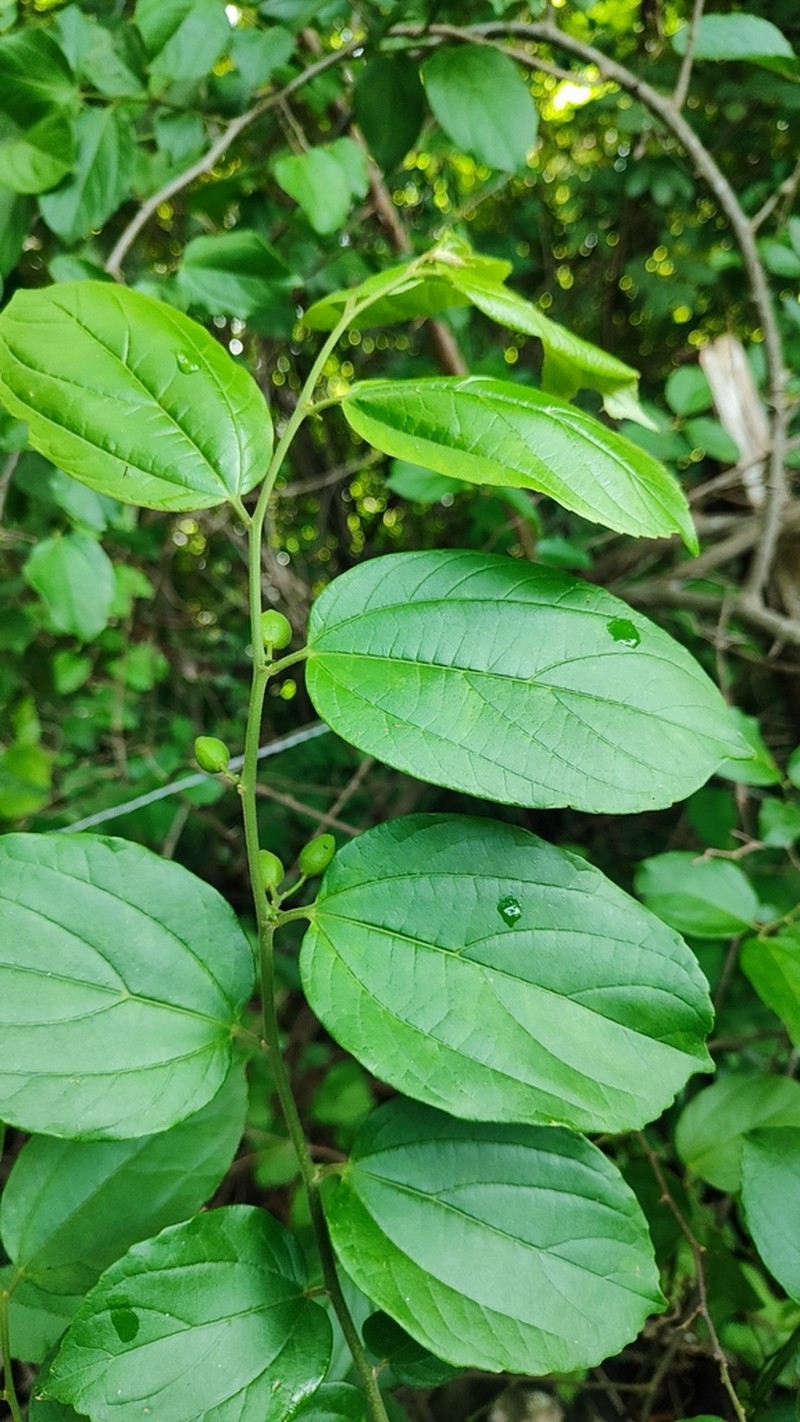
iNaturalist: © anthony733 (iNaturalist #284532158)
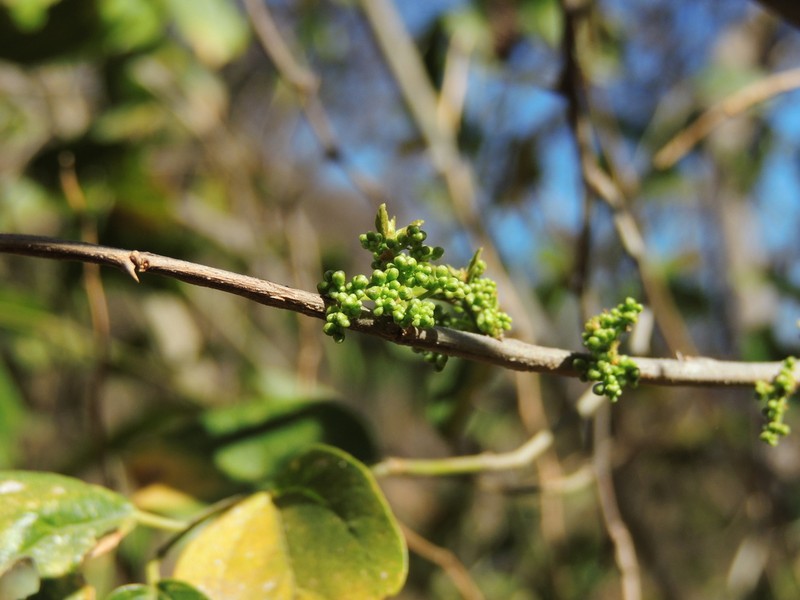
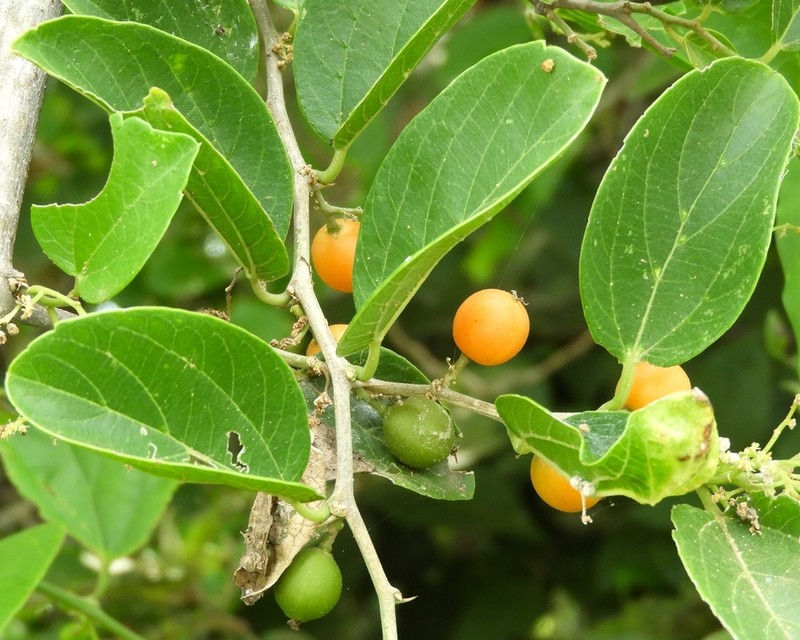
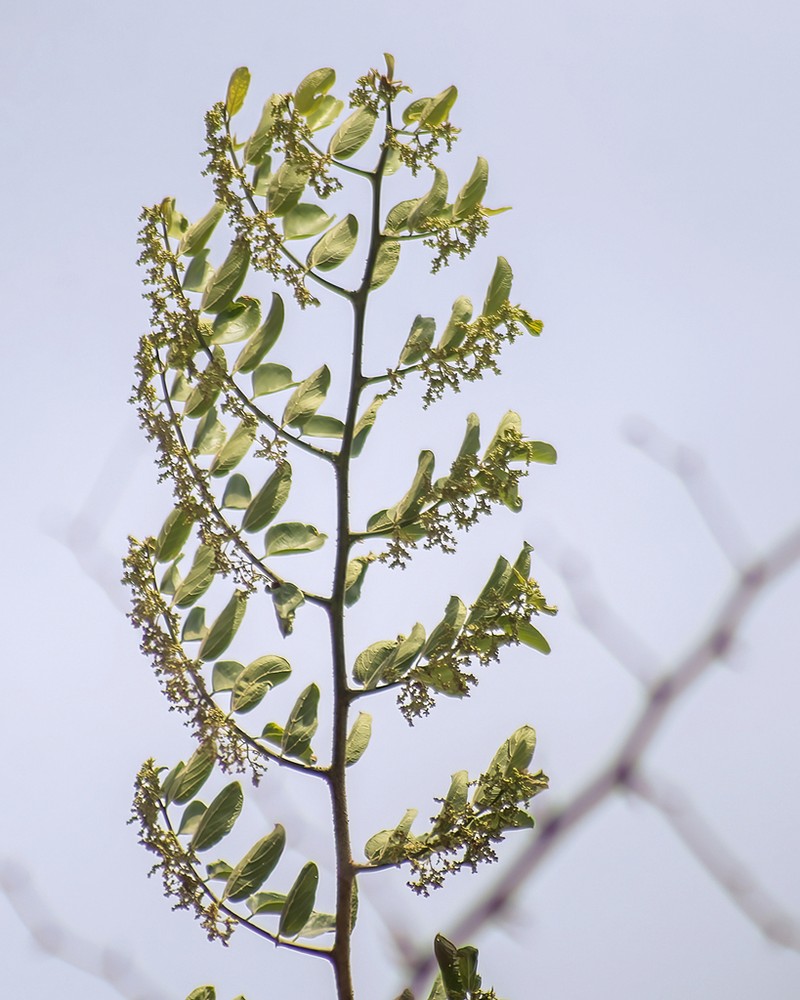
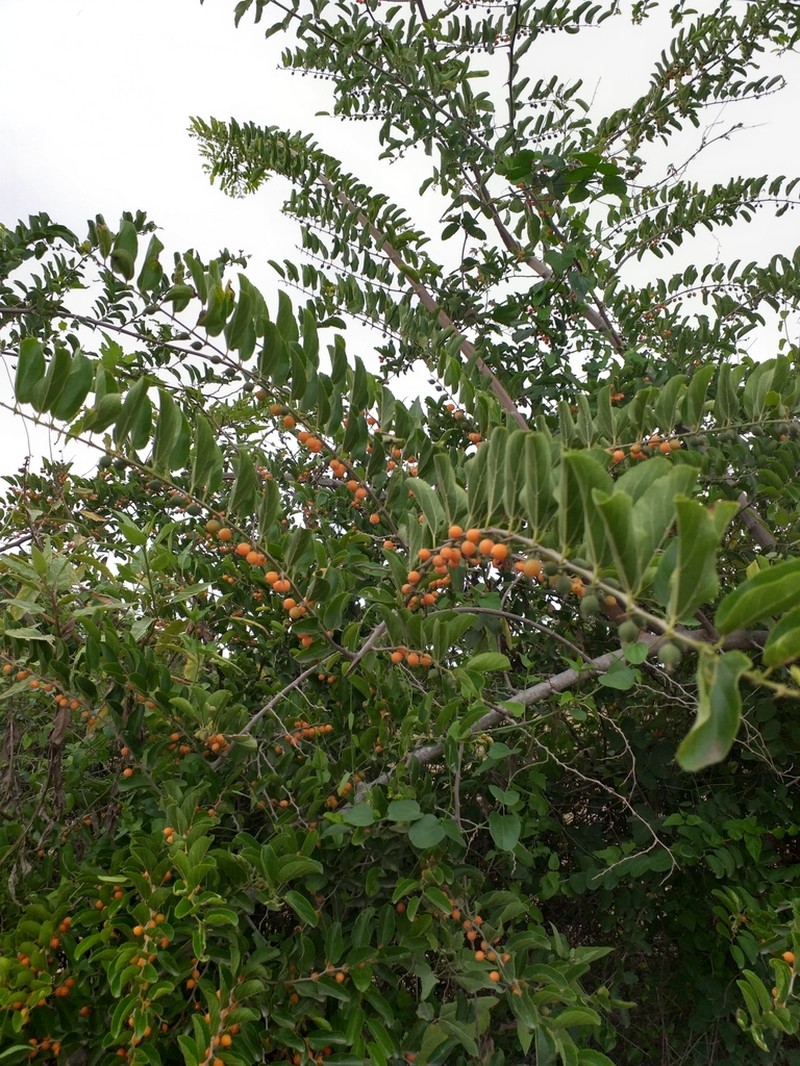
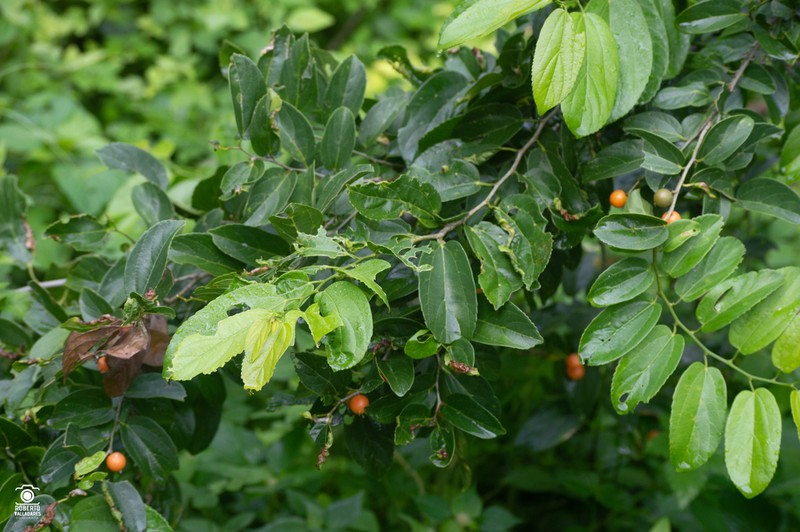
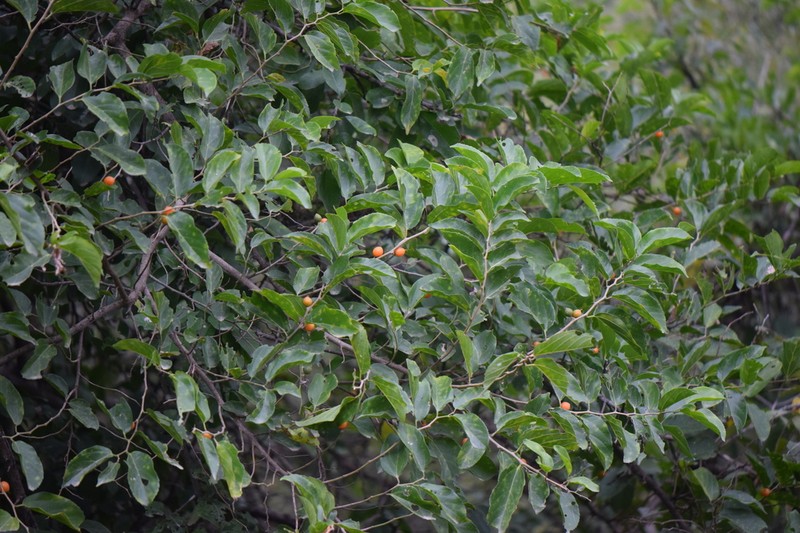
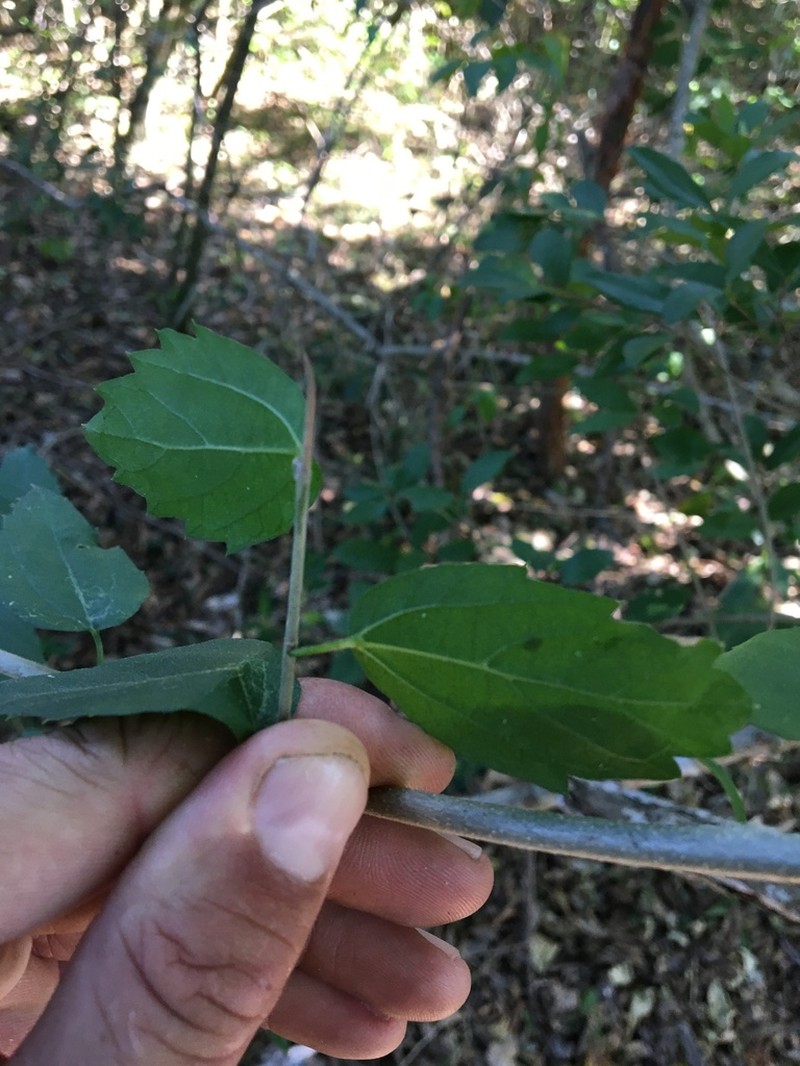
Taxonomy
- Division:
- Magnoliophyta | - Flowering plants
- Family:
- Cannabaceae
- Genus:
- Celtis
- Species:
- Celtis iguanaea
- USDA Symbol:
- CEIG
Growth Characteristics
- Life Cycle:
- Perennial
- Growth Habit:
- Shrub , Tree , Vine
- Height:
- 1500 cm
- Light Requirements:
- Full Sun
- Drought Tolerance:
- Medium
- Bloom Months:
- mar,apr,may
- Bloom Colors:
- greenish
Wildlife Benefits
- Butterflies & Moths:
- ★☆☆☆☆ Documented Lepidoptera association (GBIF)
Keystone Species Ranking
- Caterpillar Keystone:
- ★★★★☆ Butterfly & moth species supported by this genus (NWF)
Reported Fauna Sightings
Butterflies:Empress Leilia (Asterocampa leilia)
Garden & Ecology Notes
- Wildlife Value:
- birds, small mammals
- Fall Color:
- yellow
Soil Requirements
- Soil Type:
- well-drained, sandy or loamy soil
- pH:
- 5.5 - 7.5 (slightly acidic to neutral)
- Drainage:
- excellent drainage required
- Moisture:
- dry to moderate
- Notes:
- adapted to a range of soil types in its native range
Propagation & Germination
- Stratification:
- Cold/moist stratification required — 60–90 days
- Germination Time:
- 30–60 days
- Notes:
- Seeds benefit from cold stratification for 60-90 days to break dormancy.