
Sugarberry
Celtis laevigata
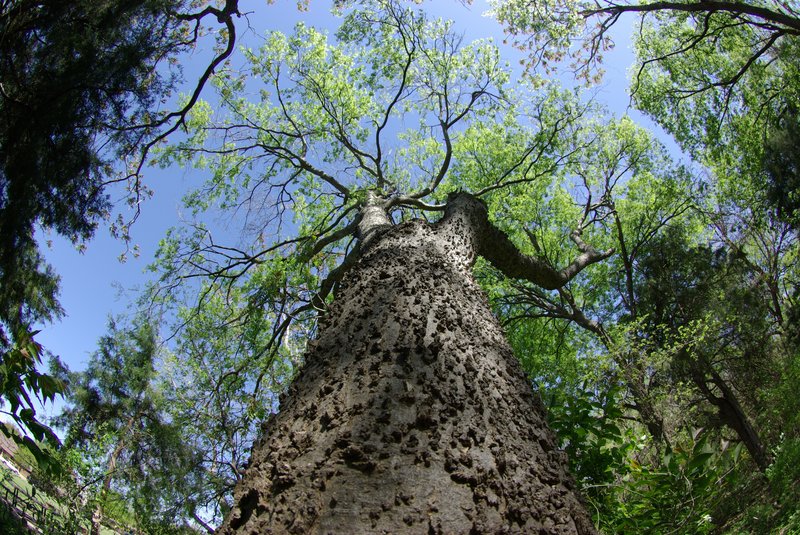
Gaberlunzi (Richard Murphy)
Taxonomy
- Division:
- Magnoliophyta | - Flowering plants
- Family:
- Cannabaceae
- Genus:
- Celtis
- Species:
- Celtis laevigata
Growth Characteristics
- Life Cycle:
- Perennial
- Growth Habit:
- Shrub , Tree
- Height:
- More than 40 ft
- Light Requirements:
- Part Shade
- Drought Tolerance:
- Medium
- Bloom Months:
- feb, mar, apr
- Bloom Colors:
- Green
Native Range
United States: Alabama, Arkansas, Arizona, California, Colorado, District of Columbia, Florida, Georgia, Idaho, Illinois, Indiana, Kansas, Kentucky, Louisiana, Maryland, Missouri, Mississippi, North Carolina, New Mexico, Nevada, Ohio, Oklahoma, Oregon, South Carolina, Tennessee, Texas, Utah, Virginia, Washington, West Virginia, Wyoming
Keystone Species Ranking
- Caterpillar Keystone:
- ★★☆☆☆ Based on number of butterfly and moth species using this genus as host plant (Source: National Wildlife Federation)
Host Plant for Caterpillars
Reported Fauna Sightings
Soil Requirements
- Soil Type:
- moist, fertile, well-drained loam
- pH:
- 6.0 - 7.5 (slightly acidic to neutral)
- Drainage:
- tolerates poor drainage
- Moisture:
- consistently moist
- Notes:
- Commonly found in floodplains and riverbanks
Germination Information
Pre-treatment: Seeds are imbibed in water for 2 days, then stratified in a refrigerator for 90-120 days or in a self-sealing plastic bag filled with moist vermiculite for 120 days.
Establishment: Seedlots have variable germination responses so seed is monitored for germination for up to six weeks. Seeds are collected during fall months or in August from trees growing in natural stands. There are regional variations in the distribution of C. laevigata v. reticulata.
Source: npn.rngr.net