
Sugarberry
Celtis laevigata
- Native to:
- Bermuda, Mexico, United States, Virgin Islands
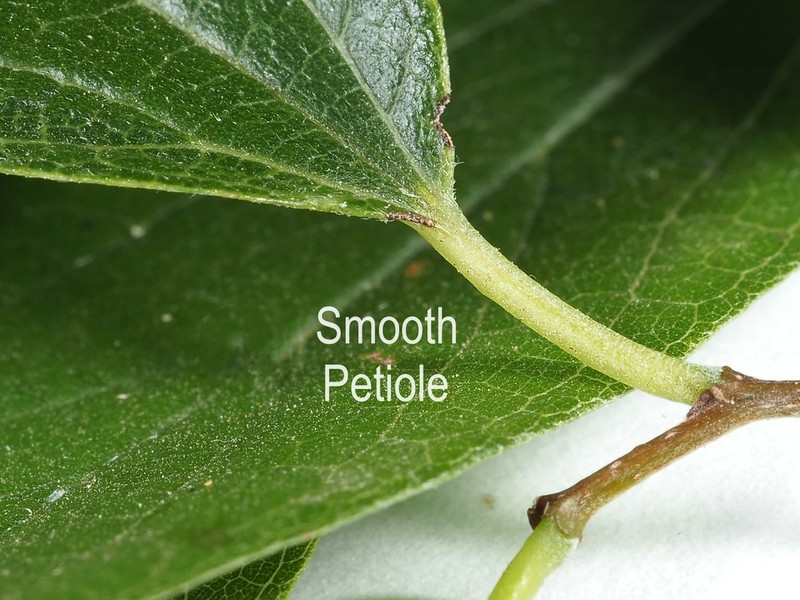
iNaturalist: © kimberlietx (iNaturalist #55936373)
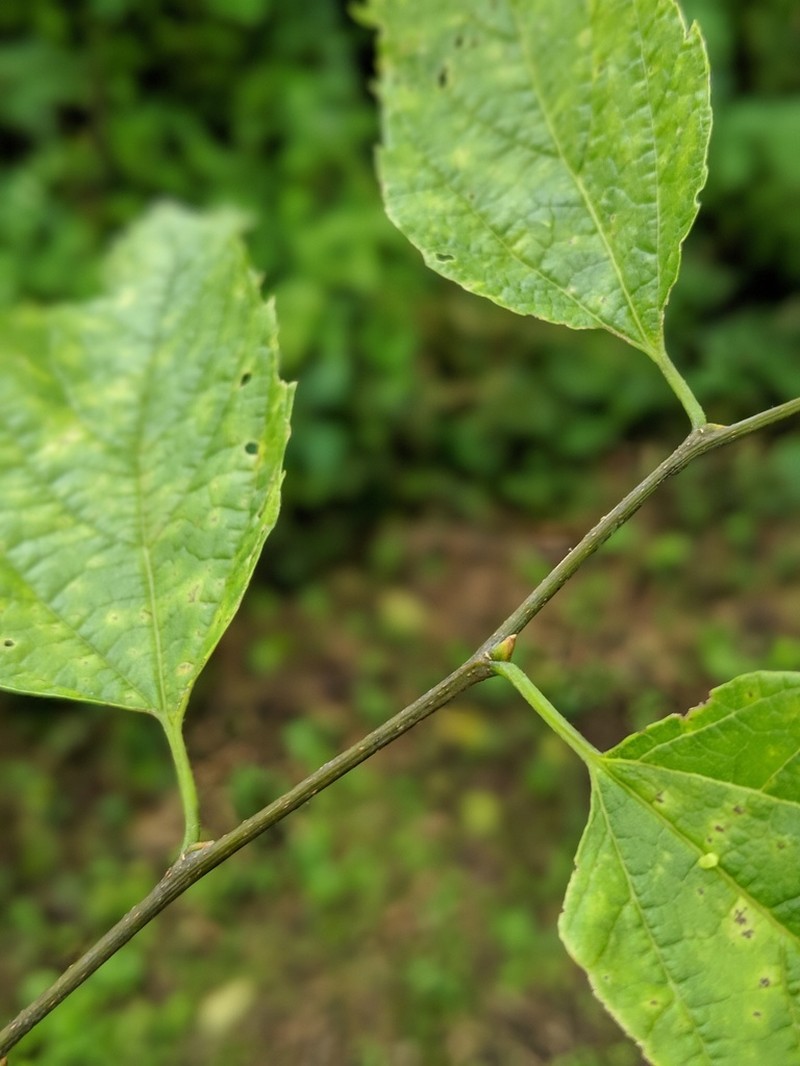
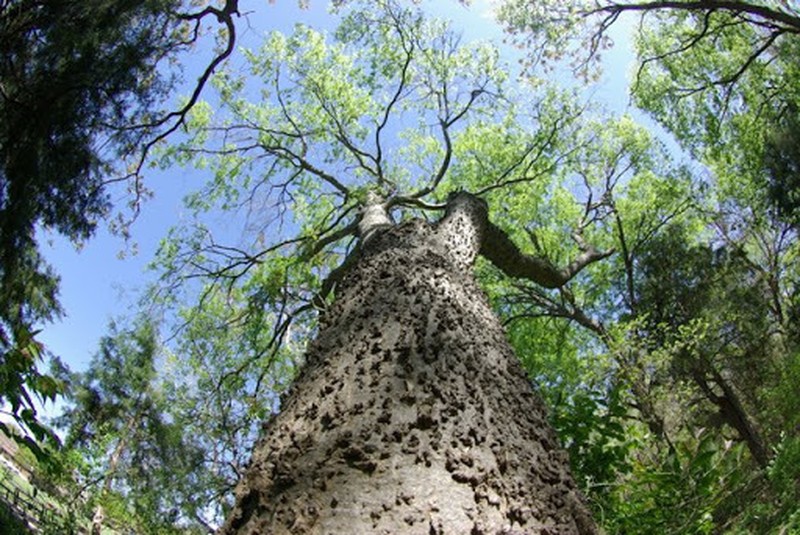
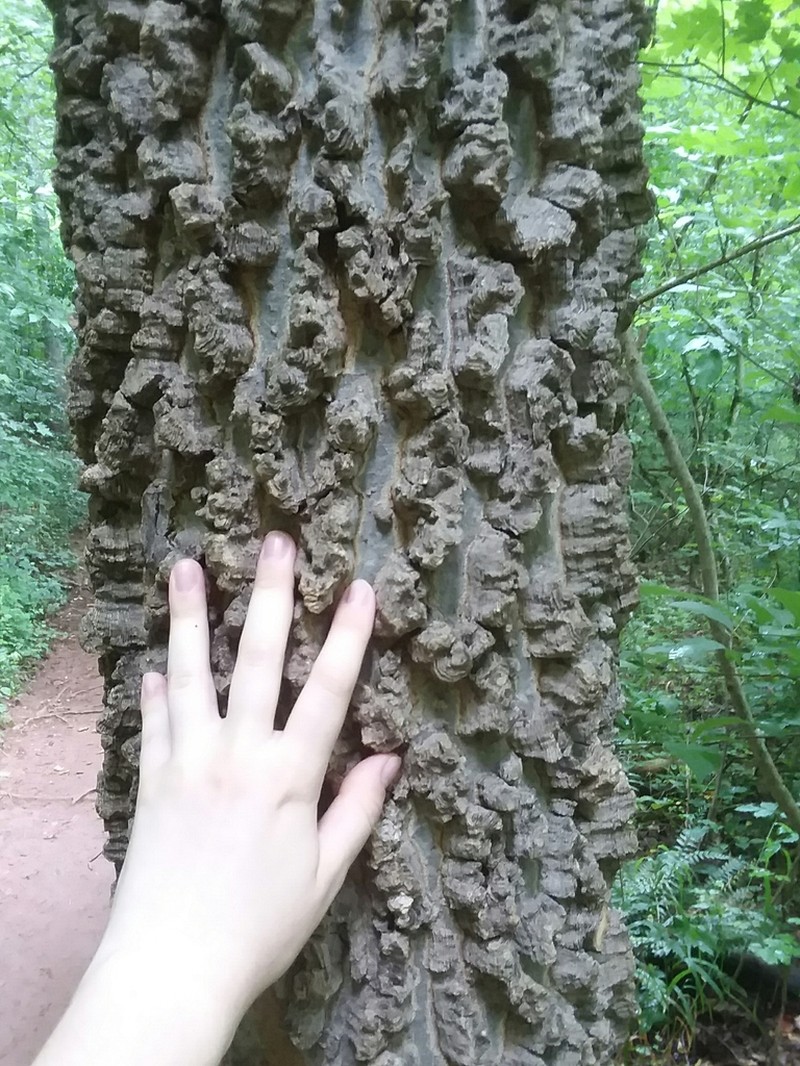
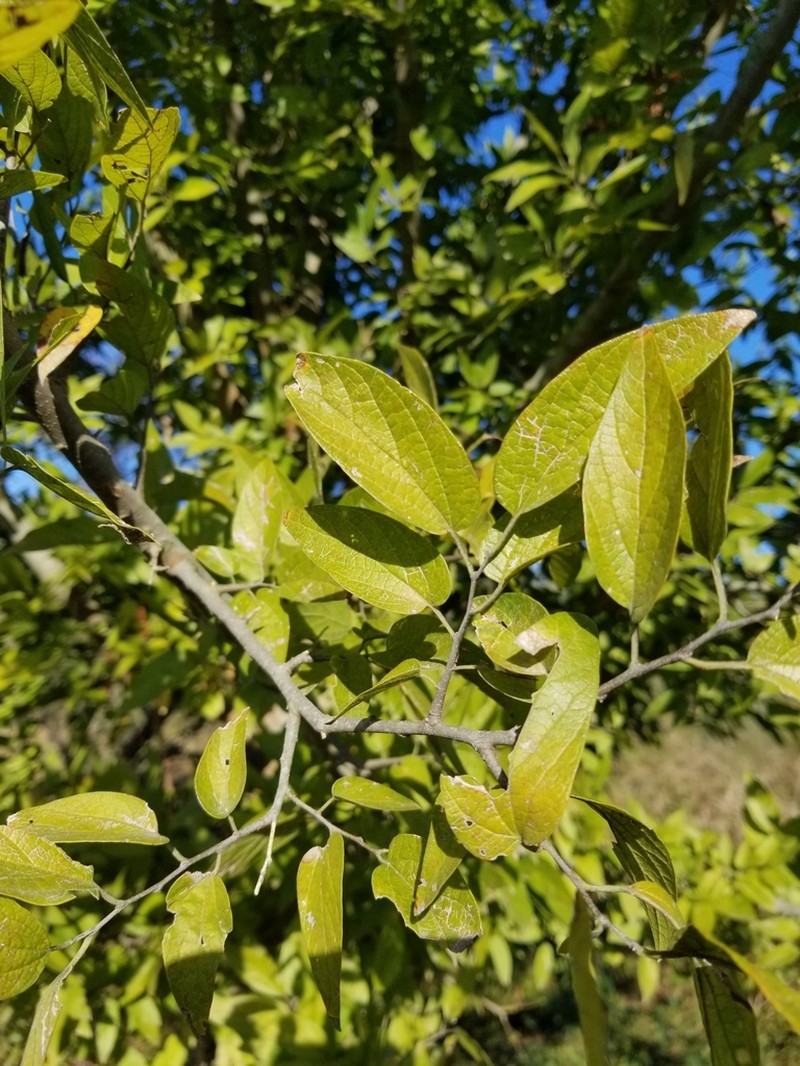
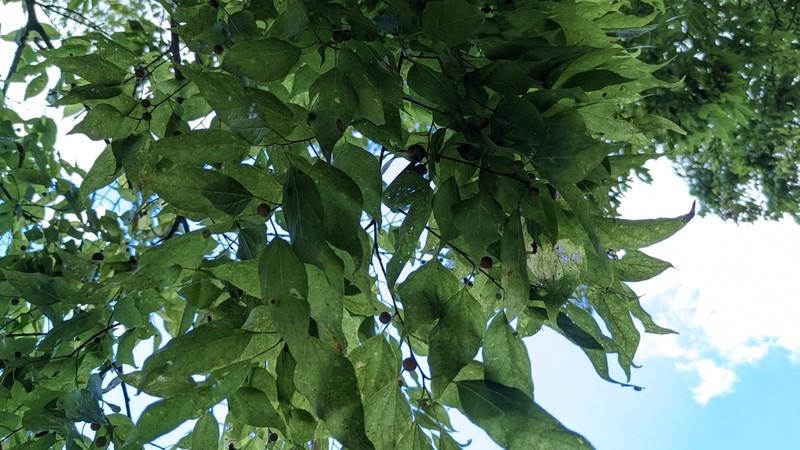
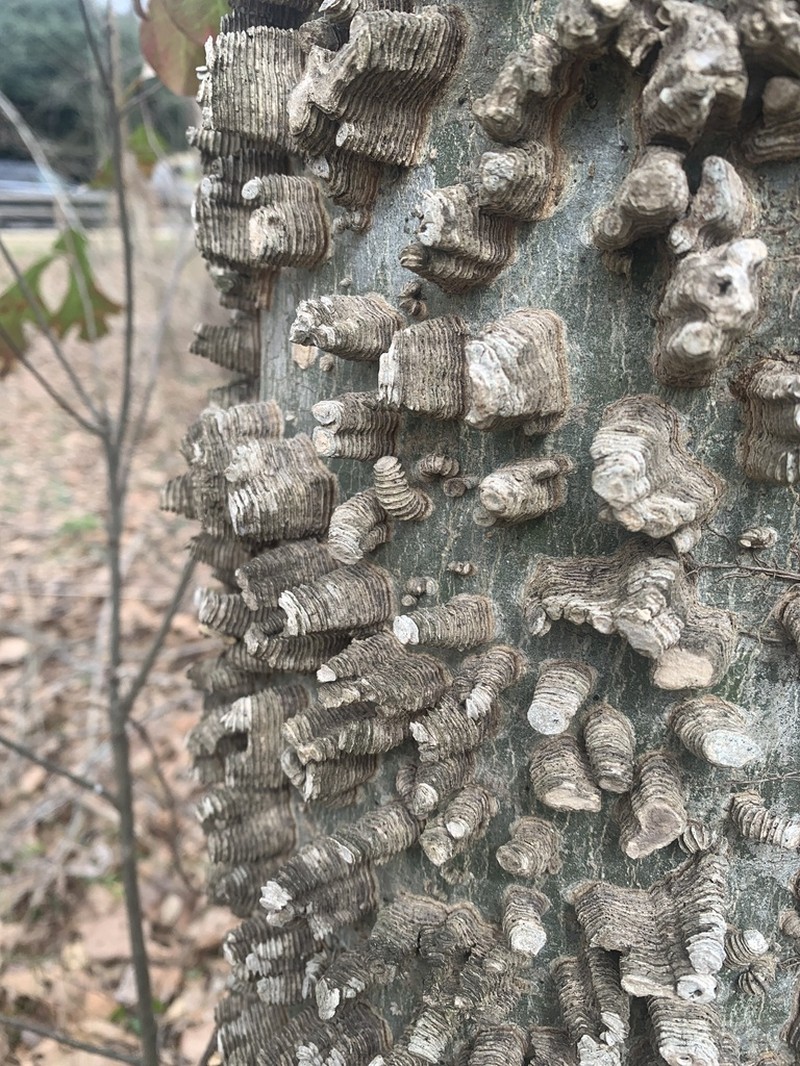
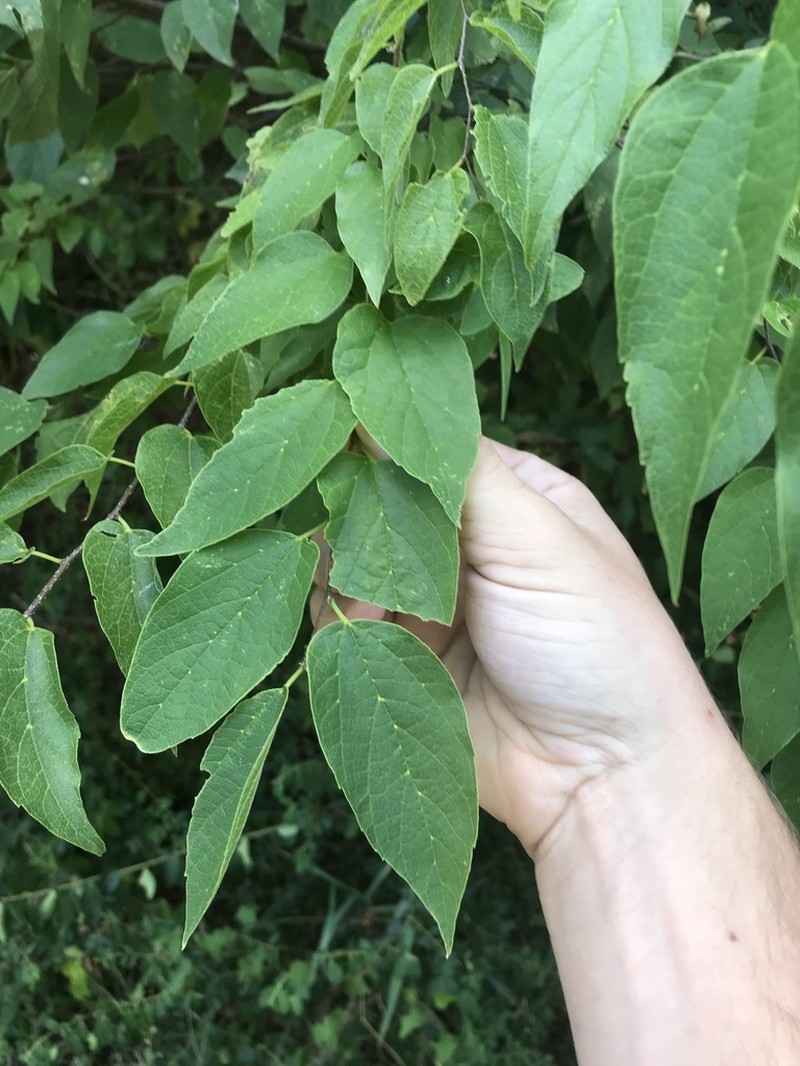
Taxonomy
- Division:
- Magnoliophyta | - Flowering plants
- Family:
- Cannabaceae
- Genus:
- Celtis
- Species:
- Celtis laevigata
- USDA Symbol:
- CELA
Growth Characteristics
- Life Cycle:
- Perennial
- Growth Habit:
- Shrub , Tree
- Height:
- 3000 cm
- Light Requirements:
- Part Shade
- Drought Tolerance:
- High
- Bloom Months:
- mar,apr
- Bloom Colors:
- greenish
Wildlife Benefits
- Butterflies & Moths:
- ★★★★★ Documented Lepidoptera association (GBIF)
- Caterpillars:
- ★★☆☆☆ Recorded caterpillar host plant (HOSTS Database)
Keystone Species Ranking
- Caterpillar Keystone:
- ★★★★☆ Butterfly & moth species supported by this genus (NWF)
Host Plant for Caterpillars
Carpenterworm Moth (Prionoxystus robiniae), Fall webworm (Hyphantria cunea), Io moth (Automeris io), Puss caterpillar (Megalopyge opercularis), American snout butterfly (Libytheana carinenta), 🛑Bachman's snout butterfly (Libytheana bachmanii), Hackberry Emperor (Asterocampa celtis), Mourning Cloak (Nymphalis antiopa), Tawny Emperor (Asterocampa clyton)
Reported Fauna Sightings
Moths:Io moth (Automeris io), Phyllonorycter celtifoliella, Phyllonorycter celtisella, Red-shouldered dagger moth (Acronicta rubricoma) Butterflies:American snout butterfly (Libytheana carinenta), Hackberry Emperor (Asterocampa celtis)
Garden & Ecology Notes
- Wildlife Value:
- birds, small mammals
- Salt Tolerant:
- Yes
- Fall Color:
- yellow
Soil Requirements
- Soil Type:
- moist, fertile, well-drained loam
- pH:
- 6.0 - 7.5 (slightly acidic to neutral)
- Drainage:
- tolerates poor drainage
- Moisture:
- consistently moist
- Notes:
- Commonly found in floodplains and riverbanks
Propagation & Germination
- Stratification:
- Cold/moist stratification required — 60–90 days
- Germination Time:
- 14–30 days
- Notes:
- Seeds benefit from cold stratification for 60-90 days to break dormancy.
Pre-treatment: Seeds are imbibed in water for 2 days, then stratified in a refrigerator for 90-120 days or in a self-sealing plastic bag filled with moist vermiculite for 120 days.
Establishment: Seedlots have variable germination responses so seed is monitored for germination for up to six weeks. Seeds are collected during fall months or in August from trees growing in natural stands. There are regional variations in the distribution of C. laevigata v. reticulata.
Source: npn.rngr.net
Where to Buy
Nationwide Seller
- Sheffield's Seed (seeds)